

Common Financial Mistakes OFWs Should Avoid in 2026

Working abroad has long been a dream and a responsibility for many Filipinos. Overseas Filipino Workers, or OFWs, often carry the hopes of their families and sometimes even entire communities. Higher income opportunities overseas can improve lives, but without proper planning, they can also lead to long-term financial struggles. As we enter a new economic phase in 2026, understanding OFW Financial Mistakes is more important than ever.
This guide is written to help OFWs recognize common money errors, understand why they happen, and learn how to avoid them. Whether you are a first-time OFW or someone who has worked abroad for years, this article will help you make better financial decisions that protect your future.
Why OFWs Must Be More Financially Careful in 2026
Global economic conditions continue to shift. Inflation remains uncertain, job security differs across countries, and digital financial tools are becoming more complicated. These changes directly affect OFWs, making it more important to manage income wisely. Careful planning helps overseas workers adjust to sudden financial challenges and protect their earnings from unexpected risks.
Many OFWs earn more abroad than they would in the Philippines, but higher income alone does not guarantee financial stability. Without clear goals and consistent discipline, even a strong salary can quickly disappear. Recognizing OFW Financial Mistakes early allows overseas workers to make smarter decisions and build long-term security for themselves and their families.
Lack of Clear Financial Goals
One of the most common OFW Financial Mistakes is working abroad without a clear financial direction. Without defined goals, overseas work becomes routine rather than purposeful. This often leads to unplanned spending, weak savings habits, and delayed progress toward long-term financial security.
Working Without a Timeline
Many OFWs leave the Philippines with good intentions but without a clear timeline. When there is no target number of working years or savings goal, spending becomes easier and planning becomes more difficult. A defined timeline helps guide daily financial decisions and keeps long-term goals in focus.
OFWs should ask themselves:
- How long do I plan to work abroad
- How much do I want to save before returning home
- What kind of life do I want after overseas work
A clear timeline helps OFWs make better daily financial decisions. It provides direction, encourages disciplined saving, and prevents the endless extension of overseas contracts without meaningful progress. With a defined timeline, overseas work becomes a focused plan rather than an open-ended cycle.
No Long-Term Vision After Returning Home
Some OFWs focus only on sending monthly remittances and overlook planning for life after overseas work. This often leads to returning home without savings, investments, or stable income. Preparing early for retirement, business, or local employment helps ensure a smoother transition and long-term financial security.

Overspending Due to Lifestyle Inflation
Lifestyle inflation occurs when spending rises along with income. This is a common OFW Financial Mistake that slowly reduces savings without immediate notice. When higher earnings lead to higher expenses, long-term financial goals suffer and future plans become harder to achieve.
Trying to Match the Lifestyle of Locals or Peers
Many OFWs feel pressured to live like locals or copy the spending habits of coworkers. Frequent dining out, branded items, and unnecessary upgrades quickly reduce savings. Higher income should not mean higher spending. Keeping living expenses controlled allows more money for savings and investments.
Overindulging During Home Vacations
Vacations in the Philippines often trigger excessive spending. While helping family is understandable, uncontrolled expenses during short visits can erase months of hard work. Creating a clear vacation budget before traveling home helps manage emotions and protect long-term financial goals.
Poor Budgeting and Tracking of Expenses
Failing to monitor money is one of the most damaging OFW Financial Mistakes. Without proper budgeting, income can disappear quickly through daily expenses. Tracking where money goes helps OFWs stay in control, improve savings habits, and make better financial decisions over time.
Not Knowing Where the Money Goes
Some OFWs rely only on bank balances to judge their finances. Without tracking expenses, small daily costs often go unnoticed and slowly add up. Using simple budgeting tools or manual records helps reveal spending patterns and identify areas where savings are possible.
Mixing Personal and Family Finances
Many OFWs send money home without setting clear boundaries. Family members may not know how much is available or how it should be used. Separating personal finances from family support helps avoid confusion, reduces conflict, and protects long-term financial stability.
Setting clear allocations for:
- Household support
- Emergency funds
- Savings
Clear financial boundaries help prevent misunderstandings and reduce financial strain. When expectations are clearly explained, both the OFW and family members understand limits and responsibilities. This approach supports healthier relationships while protecting savings and long-term financial stability.
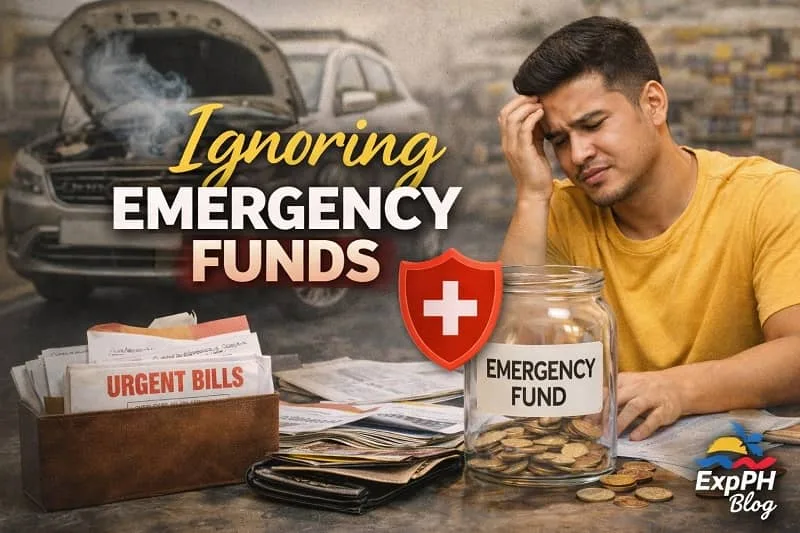
Ignoring Emergency Funds
An emergency fund is essential for OFWs because overseas work is often unpredictable. Unexpected events can affect income at any time. Having dedicated savings provides financial protection, reduces stress during emergencies, and prevents reliance on loans or family support when sudden problems arise.
Relying Only on Employment Income
Job loss, illness, or contract termination can happen without warning. Without emergency savings, OFWs may face debt or be forced to return home early. Financial experts often recommend saving at least six months of living expenses to handle unexpected situations abroad.
Using Emergency Funds for Non-Emergencies
Some OFWs build emergency funds but use them for travel, gadgets, or celebrations. This weakens financial protection. Emergency savings should be reserved only for real emergencies such as medical expenses, job loss, or urgent family needs that cannot be delayed.
Excessive Dependence on Loans and Credit
Debt misuse is a serious OFW Financial Mistake that affects both overseas workers and their families. When loans are used without proper planning, they create long-term stress, limit savings, and reduce the ability to build a stable financial future.
Borrowing to Impress or Maintain Image
Some OFWs take loans to fund celebrations, gifts, or home improvements meant to show success. These expenses rarely generate income and often lead to long repayment periods. Borrowing for appearance places unnecessary pressure on finances and delays long-term goals.
Becoming a Guarantor Without Planning
OFWs are often asked to co-sign loans for relatives. If the borrower fails to pay, the OFW becomes responsible for the debt. Before agreeing, it is important to understand the risks and ensure repayments will not harm personal financial stability.
Lack of Financial Education and Skill Development
Many OFW Financial Mistakes come from limited financial knowledge and skills. Without proper understanding, overseas workers may earn well but struggle to manage money effectively. Financial education helps OFWs make informed decisions and turn income into long-term security.
Not Investing in Financial Literacy
Understanding budgeting, saving, insurance, and basic investing empowers OFWs to make smarter choices. Without financial literacy, money is often misused or left idle. Learning these fundamentals helps protect income and supports better planning for future goals.
Using Online Courses to Avoid Costly Financial Mistakes
Learning personal finance and income skills does not require formal schooling. Online learning platforms provide flexible options for OFWs with busy schedules.
One helpful resource is Udemy, which offers practical courses on personal finance, budgeting, investing basics, freelancing, and online skills that can help OFWs build additional income streams or prepare for life after working abroad.
You can explore relevant courses here:
https://www.udemy.com/
This type of learning supports better decision-making and reduces long-term OFW Financial Mistakes.

Failing to Diversify Income Sources
Relying on a single income source is risky for OFWs. Overseas employment can change without warning. Without additional income options, financial stability becomes fragile. Diversifying income helps reduce dependence on one job and creates stronger protection against sudden income loss.
Depending Only on Overseas Employment
Contracts can end, companies may close, and policies can change quickly. When income stops suddenly, OFWs without backup sources face immediate financial pressure. Exploring side income options, even small ones, provides added stability and reduces reliance on a single employer.
Ignoring Passive Income Opportunities
Some OFWs avoid investments due to fear or limited understanding. While caution is important, avoiding all income opportunities limits financial growth. Learning about safe options that match personal risk tolerance helps create balance and supports long-term financial planning.
Poor Remittance and Currency Management
Currency exchange and remittance decisions affect how much value OFWs actually send home. Small differences in rates and fees can result in significant losses over time. Managing remittances carefully helps protect earnings and ensures families receive the most from overseas income.
Sending Money Without Comparing Rates
Different remittance services offer varying exchange rates and fees. Choosing convenience without comparison often leads to unnecessary losses. Checking available options regularly helps OFWs maximize the value of each remittance and make smarter money transfer decisions.
Not Taking Advantage of Favorable Exchange Periods
Some OFWs send money immediately without considering exchange movements. While perfect timing is difficult, being aware of currency trends can still help improve outcomes. Paying attention to rates allows better decisions that protect the value of hard-earned income.
Overconfidence in Unverified Investments
Scams and risky schemes continue to target OFWs who are eager to grow their savings. Overconfidence often leads to poor decisions. Without proper verification, investments can result in heavy losses that undo years of hard work abroad.
Trusting Recommendations Without Research
Being invited by friends or relatives does not guarantee legitimacy. Many OFWs lose money because of blind trust. Careful research, proper documentation, and full understanding of an investment are necessary steps before committing any funds.
Falling for Guaranteed Returns
No legitimate investment can promise high returns without risk. Claims of guaranteed profits are strong warning signs. Avoiding this OFW Financial Mistake helps protect hard-earned income and prevents long-term financial damage.
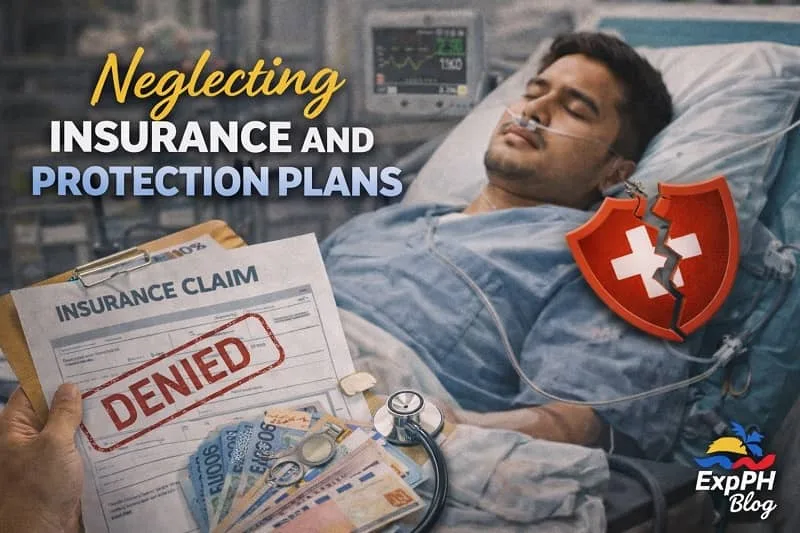
Neglecting Insurance and Protection Plans
Protection is often overlooked by OFWs who focus on visible investments. Without proper coverage, unexpected events can quickly drain savings. Insurance acts as a safety net that protects income, family welfare, and long-term financial plans during uncertain situations.
Not Having Health or Life Insurance
Medical emergencies abroad or in the Philippines can quickly wipe out savings. Health and life insurance provide financial protection during unexpected events. Having the right coverage reduces stress and prevents the need for loans during medical or family emergencies.
Choosing Products Without Understanding Coverage
Some OFWs buy insurance without fully understanding the terms or benefits. This often leads to frustration during claims. Taking time to study coverage details ensures the policy provides real protection when it is needed most.
Not Preparing for Retirement Early
Retirement planning is often delayed by OFWs who focus on present needs. This delay becomes costly later when income options decrease. Preparing early allows savings to grow steadily and provides long-term security beyond overseas employment.
Assuming Overseas Work Will Last Forever
Physical health, visa rules, and market demand change over time. Overseas work is not guaranteed forever. Planning early helps OFWs prepare for unexpected changes and ensures financial stability even when working abroad is no longer possible.
Delaying Savings Until Late Career
Starting to save early, even with small amounts, is more effective than saving large sums later. Early contributions have more time to grow and reduce pressure during later years when income may decline.
Emotional Spending and Guilt-Driven Decisions
Emotions strongly influence how OFWs handle money. Feelings of guilt, stress, or pressure often lead to poor financial choices. Managing emotions is important because emotional spending can quietly drain savings and weaken long-term financial plans.
Guilt-Induced Overspending for Family
OFWs often feel obligated to say yes to every family request. While support is important, unlimited financial help can create dependency. Setting healthy boundaries protects the OFW’s finances and encourages family members to manage resources responsibly.
Stress Spending Abroad
Loneliness and stress can push OFWs to spend money for comfort or relief. These habits provide short-term comfort but harm savings. Recognizing emotional triggers helps control unnecessary spending and supports better financial discipline.
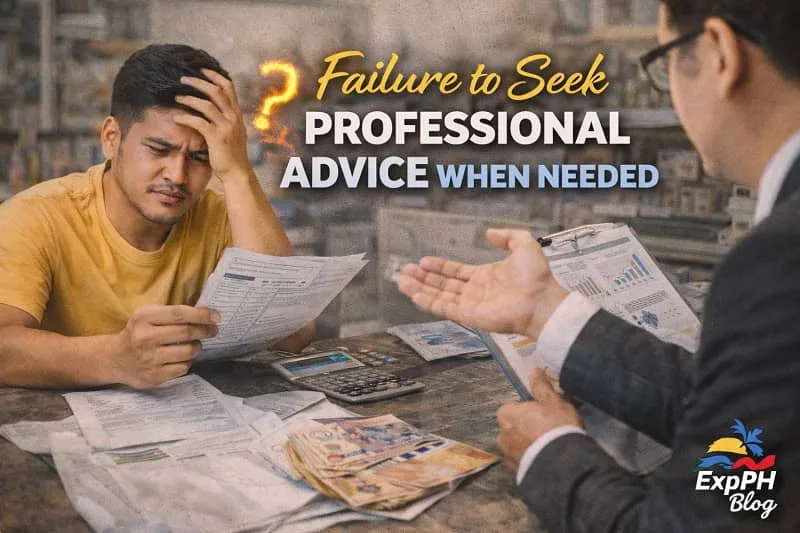
Failure to Seek Professional Advice When Needed
Trying to manage everything alone is another OFW Financial Mistake. Financial situations can be complex and mistakes become costly without guidance. Seeking help at the right time allows OFWs to make informed decisions and avoid problems that could affect long-term stability.
Avoiding Help Due to Pride or Fear
Some OFWs avoid professional advice because of pride or fear of judgment. Financial advisors or trusted professionals can offer clear guidance. Asking for help is a practical step that supports smarter decisions and stronger financial planning.
Relying Only on Social Media Advice
Online financial tips can be useful but they do not fit every situation. Advice from social media often lacks context. Verifying information and consulting reliable sources helps OFWs avoid misleading guidance and make better financial choices.
Conclusion
Avoiding OFW Financial Mistakes in 2026 requires strong awareness, steady discipline, and a commitment to continuous learning. Working abroad offers valuable opportunities, but success depends on how income is managed over time. Without proper planning, even high earnings can disappear. Wise financial decisions help overseas workers protect their income, handle risks, and prepare for unexpected changes.
By setting clear goals, controlling spending, improving financial knowledge, and planning early for the future, OFWs can transform overseas work into long-term stability rather than short-term relief. Financial success is not measured by income alone, but by how well money is managed, protected, and grown. With the right habits, OFWs can build a secure future for themselves and their families.
These articles further explain related ideas.
- Best Budgeting Strategies for OFWs in 2026
- Best Investment Options for Filipinos Supporting OFW Income in 2026
- Best Budgeting Methods for Filipino Families With OFW Members in 2026
- Best Money Habits Every OFW Should Practice in 2026
- How to Manage Finances Abroad for OFWs
Refer to the official source using the link below.
- Overseas Workers Welfare Administration (OWWA
- Bangko Sentral ng Pilipinas (BSP) OF Portal FAQs
- Commission on Filipinos Overseas (CFO)
- Department of Migrant Workers (DMW)
- Pag-IBIG Fund
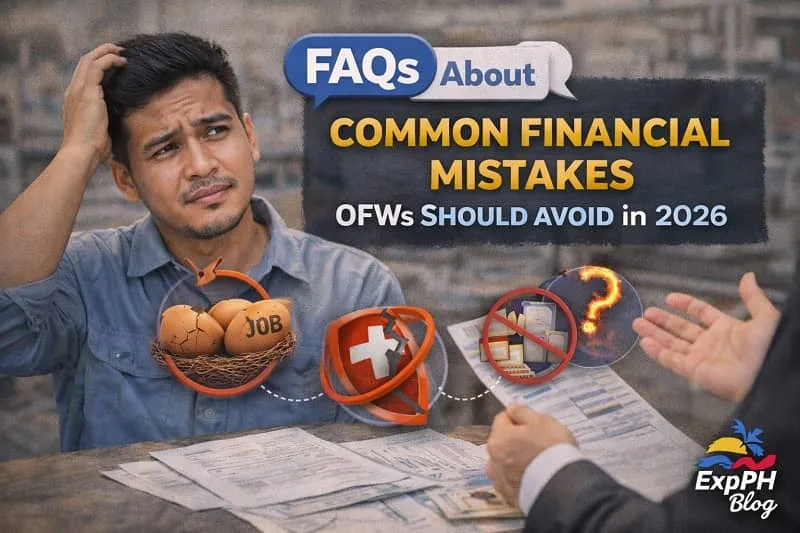
FAQs About Common Financial Mistakes OFWs Should Avoid in 2026
What are the most common OFW Financial Mistakes in 2026?
The most common OFW Financial Mistakes include overspending, lack of savings, no clear financial goals, poor budgeting, and depending only on overseas income.
Why do many OFWs struggle financially despite higher income?
Many OFWs struggle because higher income leads to lifestyle inflation, unplanned expenses, family pressure, lack of financial education, and absence of long-term planning.
How can OFWs avoid overspending while working abroad?
OFWs can avoid overspending by creating a monthly budget, tracking expenses, setting savings targets, limiting luxury purchases, and focusing on long-term financial goals.
Is budgeting really important for OFWs?
Yes, budgeting helps OFWs control spending, prioritize savings, manage remittances wisely, prepare for emergencies, and ensure overseas income leads to lasting financial security.
Why is having an emergency fund crucial for OFWs?
An emergency fund protects OFWs from unexpected job loss, medical emergencies, contract termination, or urgent family needs without relying on loans or debt.
What financial habits should OFWs develop in 2026?
OFWs should develop habits like regular saving, expense tracking, continuous financial learning, responsible debt management, and planning for life after overseas work.
How can OFWs prepare financially for returning to the Philippines?
OFWs can prepare by saving consistently, avoiding unnecessary debt, building skills, creating alternative income sources, and planning housing, healthcare, and retirement early.
Are loans always bad for OFWs?
Loans are not always bad, but they become harmful when used for non-essential expenses, unmanaged repayments, high interest rates, or guaranteed-income assumptions.
How can OFWs protect themselves from financial scams?
OFWs can avoid scams by researching investments, avoiding guaranteed returns, verifying licenses, seeking professional advice, and refusing pressure-driven or secretive offers.
What is the best first step to fixing OFW Financial Mistakes?
The best first step is awareness. Understanding current financial habits, identifying mistakes, setting clear goals, and committing to change create a strong foundation.
Test your knowledge about Common Financial Mistakes OFWs Should Avoid in 2026.
Results


#1. What is a common OFW Financial Mistake?
#2. Why is budgeting important for OFWs?
#3. What happens without an emergency fund?
#4. Which habit leads to lifestyle inflation?
#5. What mistake involves relying on one income?
#6. Why are guaranteed returns risky?
#7. What causes guilt-driven spending?
#8. What should OFWs plan early?
#9. Why is financial education important?
#10. What is the first step to fixing mistakes?
Your effort to learn today helps build a more secure tomorrow.
We would love to hear from you. Please comment below and share your experience, insights, or lessons as an OFW.

A Filipino web developer with a background in Computer Engineering. Founder of ExpPH Blog and ExpPH Business Guide, creating practical content on OFW guidance, business, finance, freelancing, travel, and lifestyle. Passionate about helping Filipinos grow, he shares insights that educate, empower, and inspire readers nationwide.



Pingback: Financial Mistakes to Avoid in 2026 for Filipinos Explained!
Pingback: OFW Insurance 2026 Best Insurance Options for OFWs Guide Pro