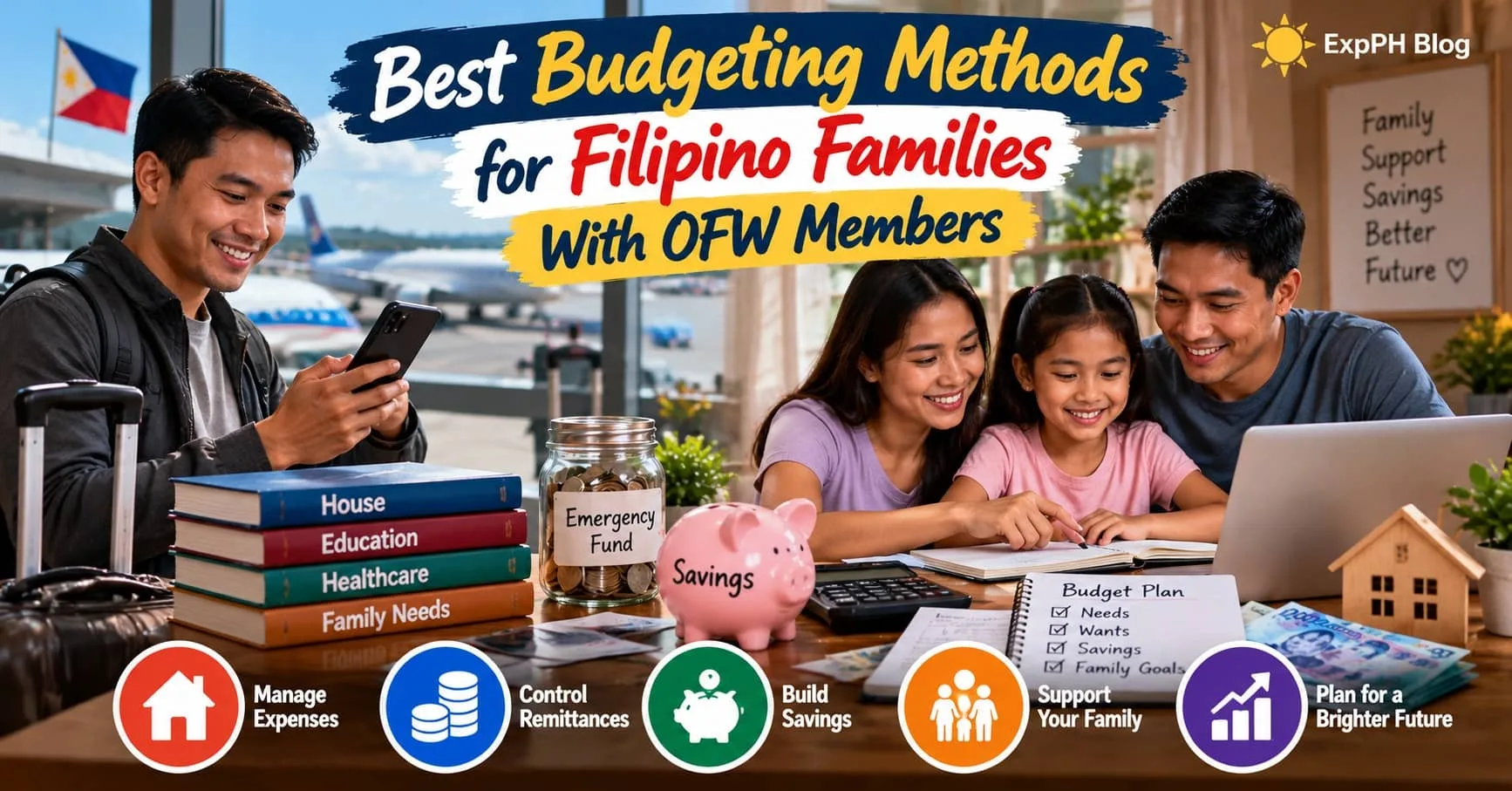
Best Budgeting Methods for Filipino Families With OFW Members in 2026
Managing money is never simple, but it becomes even more complex when a family depends on income earned overseas. For millions of Filipino households, remittances from an Overseas Filipino Worker serve as the backbone of daily expenses, education, healthcare, savings, and long-term goals. In 2026, with rising costs, digital payments, and changing work conditions abroad, OFW Family Budgeting is no longer optional. It is a survival skill and a pathway to financial stability.
This guide is designed for real Filipino families with OFW members. It is not theory-heavy or built for financial experts. Instead, it focuses on practical, tested budgeting methods that work in real homes, with real responsibilities, and real challenges. Whether the OFW is a parent, spouse, or sibling, this article will help families build a budgeting system that protects income, reduces stress, and prepares everyone for the future.
Before choosing the best budgeting method,
learn the basics with The 50/30/20 Rule: A Filipino’s Guide to Smart Budgeting and discover a simple way to manage your income.
Quick Summary (TL;DR)
OFW family budgeting helps Overseas Filipino Workers manage their earnings abroad while supporting loved ones in the Philippines. With proper financial planning, families can cover essential expenses, control remittances, build savings, and prepare for future goals without putting too much pressure on the OFW’s income.
- Understand OFW Family Budgeting: Learn how to create a practical budget that balances overseas living expenses, family support, and personal financial goals.
- Prioritize Essential Family Expenses: Discover how to allocate money for food, housing, utilities, education, healthcare, and other household necessities.
- Manage Remittances Wisely: Learn how to set clear remittance limits and ensure the money sent home covers important needs without unnecessary spending.
- Build an Emergency Fund: Explore how OFWs and their families can prepare for unexpected expenses, medical emergencies, and possible income disruptions.
- Set Clear Financial Goals: Discover how to save for education, homeownership, retirement, business plans, and a future return to the Philippines.
- Avoid Common Budgeting Mistakes: Learn how lifestyle inflation, unplanned expenses, excessive borrowing, and poor money management can affect family finances.
- Balance Family Support and Personal Savings: Understand how to support loved ones while protecting your own financial security and long-term goals.
- Create a Sustainable Budget Plan: Learn how to track expenses, review your budget regularly, and adjust spending as income and family needs change.
Key Takeaway: Effective OFW family budgeting requires teamwork, clear financial priorities, and consistent saving habits. By managing remittances responsibly and planning for emergencies and future goals, OFWs and their families can reduce financial stress and work toward lasting financial stability.
Let’s get started!
Table of Contents
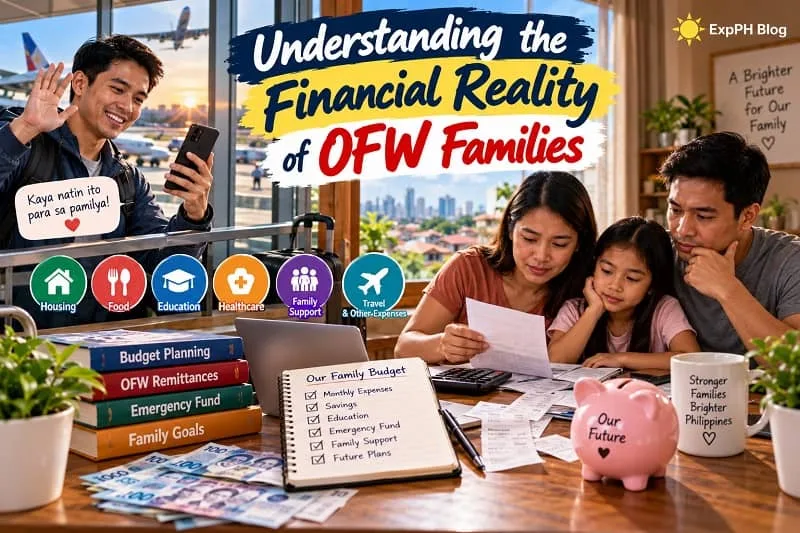
Understanding the Financial Reality of OFW Families in 2026
Before choosing any budgeting method, it is important to understand why OFW households face financial pressures that differ from non OFW families. Income earned abroad supports daily needs, education, and savings at home, while overseas living costs, job uncertainty, and distance create challenges that require careful and realistic financial planning.
Income Is Regular but Not Guaranteed Forever
Many OFW families treat remittances as permanent income. In reality, overseas work is often contract-based, health-dependent, and influenced by global conditions. Budgeting in 2026 must assume that income can change or stop unexpectedly.
Expenses Are Split Across Countries
OFW Family Budgeting often involves expenses in both the Philippines and the host country. The OFW needs money for rent, food, transportation, insurance, and documentation abroad, while the family at home covers household bills, tuition, and daily needs.
Emotional Spending Is Common
Because of distance and guilt, some OFWs overspend to compensate for absence. Families at home may also feel entitled to spend more, assuming the OFW will always provide. Without a clear budget, this cycle can quietly destroy long-term goals.
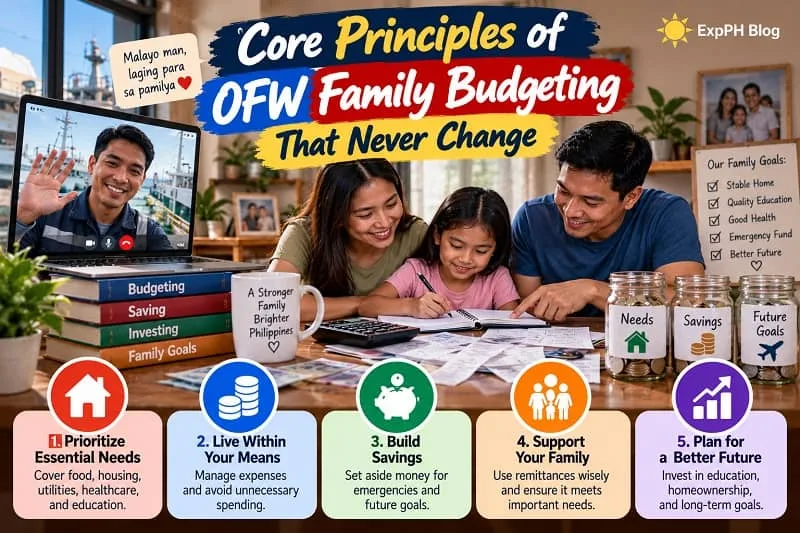
Core Principles of OFW Family Budgeting That Never Change
No matter which budgeting method a family chooses, successful OFW Family Budgeting in 2026 depends on clear and consistent principles. These foundations help protect remittances, prevent misunderstandings, and guide financial decisions. Without them, even well designed budgets can fail and lead to stress, conflict, or long term financial instability.
Clear Income Breakdown Comes First
Every peso must have a clear purpose before it is spent or saved. OFW families should break down income into household expenses, overseas needs, savings, and emergency funds. This approach creates structure, prevents confusion, and ensures that remittances are used wisely and responsibly over time.
Before budgeting expenses, families should clearly separate:
- Net remittance sent home
- OFW personal expenses abroad
- Emergency buffer before sending money
- Savings and investment allocations
Budgeting Is a Family Agreement, Not a Solo Decision
Budgeting often fails when only one person makes all financial decisions. For OFW families, the overseas worker and household members must agree on priorities, limits, and goals. Shared planning improves understanding, reduces conflict, and builds trust, making the budgeting process more effective and sustainable over time.
Savings Must Be Automatic, Not Optional
Savings should be treated as a fixed part of the budget rather than money set aside only when available. For OFW families, automatic savings provide protection against sudden job loss, contract endings, or unexpected return to the Philippines, helping maintain financial stability during uncertain situations.
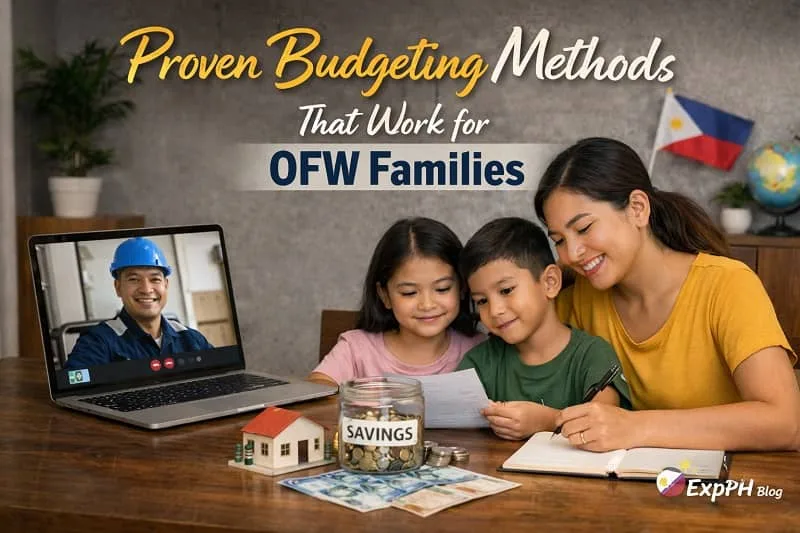
Proven Budgeting Methods That Work for OFW Families
Not all budgeting systems work well for OFW households. Overseas income, shared responsibilities, and distance require methods that are flexible and realistic. The most effective budgeting approaches for Filipino families with OFW members in 2026 are those that protect remittances while supporting daily needs and long term financial goals.
The Modified 50-30-20 Budget for OFW Families
The traditional 50-30-20 rule needs adjustment to suit OFW families. Since income is often divided between overseas expenses and household needs, this method must focus only on the portion of income sent home. This prevents confusion and keeps budgeting practical and manageable.
How This Method Works in an OFW Setup
In an OFW setup, percentages should be applied only to the remittance received by the family. Household needs, savings, and personal spending are planned based on this amount. This approach ensures clearer tracking, better control, and a fair balance between present expenses and future priorities.
Sent home:
- 50 percent for household needs in the Philippines
- 30 percent for savings, emergency fund, and future goals
- 20 percent for wants, allowances, and family extras
This budgeting method works best for OFW families with stable and predictable remittance schedules. It is especially effective when family members communicate regularly and follow agreed spending limits. Consistent income and clear coordination help ensure the budget remains balanced, realistic, and easy to maintain over time.
When This Method Is Most Effective
This method is most effective for OFW families who already monitor their expenses and understand their spending patterns. It offers a simple and flexible structure that does not require daily tracking. Families with basic financial discipline can maintain control while focusing on long term savings and goals.
Zero-Based Budgeting for Maximum Control
Zero based budgeting gives OFW families greater control by assigning every peso a clear purpose before the month starts. This method helps prevent overspending and ensures that remittances are planned carefully. It is especially useful for households that want stronger discipline and clearer financial direction.
Why Zero-Based Budgeting Fits OFW Family Budgeting
Zero based budgeting fits OFW family budgeting because overseas income is usually planned on a monthly basis. By allocating funds in advance, families can manage household needs, savings, and obligations with clarity. This approach reduces uncertainty and helps both the OFW and the family stay aligned financially.
Zero-based budgeting allows families to:
- Allocate funds immediately upon receiving remittance
- Control family allowances clearly
- Avoid unplanned spending
This method is ideal for OFW families recovering from debt or past overspending. By planning every peso in advance, households regain control of their finances. It helps limit unnecessary expenses, prioritize repayments, and rebuild healthier money habits that support long term financial stability.
Common Mistakes to Avoid
These include treating remittances as unlimited income, skipping savings, and poor communication between the OFW and the household. Recognizing these issues early helps families correct habits, protect income, and build a more secure financial future.
Zero-based budgeting fails when:
- Families do not track expenses weekly
- Adjustments are not communicated with the OFW
- Emergency funds are ignored
Envelope Budgeting Adapted for Digital Use
Envelope budgeting remains effective for OFW families when adapted to digital tools in 2026. Instead of using physical envelopes, families can assign spending categories through e wallets or digital bank accounts. This method helps control expenses, limit overspending, and improve transparency across household finances.
Digital Envelopes for OFW Families
Digital envelopes allow OFW families to manage money by separating funds into clear spending categories using e wallets or digital bank accounts. Each category has a set limit, which helps control expenses, avoid overspending, and make budgeting easier for both the overseas worker and the household.
Families can divide money into categories using:
- Separate e-wallets
- Sub-accounts in digital banks
- Budgeting apps with category limits
Each spending category functions as a digital envelope with a fixed limit. Once the amount is used, spending stops for that category. This system helps OFW families control expenses, avoid impulse purchases, and stay within their agreed budget throughout the month.
Best Use Case for This Method
This method works best for households with multiple spenders, such as parents and older children. Clear spending limits help prevent confusion and overspending. When everyone understands their budget boundaries, families can manage shared finances more effectively and maintain better control over monthly expenses.
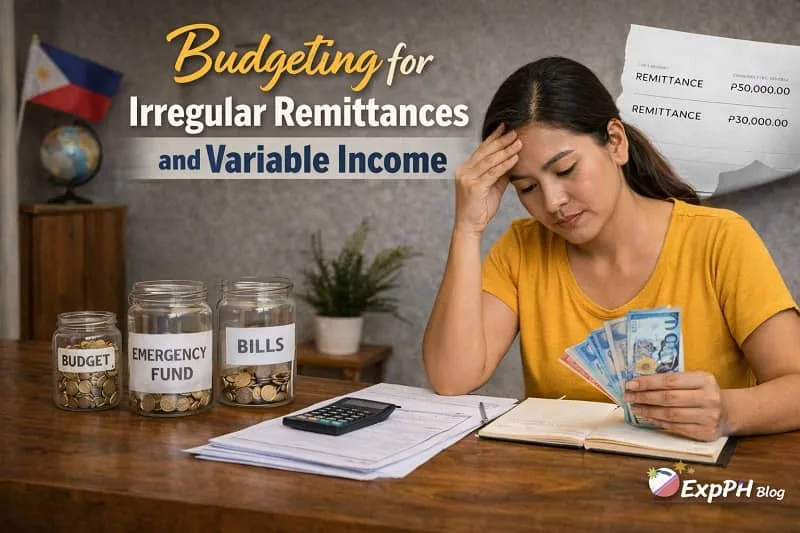
Budgeting for Irregular Remittances and Variable Income
OFW income is not always consistent from month to month. Changes in work hours, exchange rates, or payment schedules can affect how much money is sent home. Because of this uncertainty, OFW families need flexible budgets that can adjust without disrupting essential expenses or savings plans.
Creating a Baseline Budget
Creating a baseline budget helps protect families from income fluctuations. The safest approach is to plan expenses based on the lowest expected monthly remittance. Any additional income can then be directed toward savings, debt reduction, or long term goals without risking financial stability.
Any extra income should go directly to:
- Emergency fund
- Debt repayment
- Long-term investments
Buffer Funds Are Non-Negotiable
Every household should set aside savings that can cover several months of expenses. This financial cushion helps families handle job loss, emergencies, or delayed remittances without relying on debt or outside support.
Every OFW Family Budgeting plan in 2026 must include:
- At least 3 to 6 months of household expenses
- A separate fund for OFW emergencies abroad
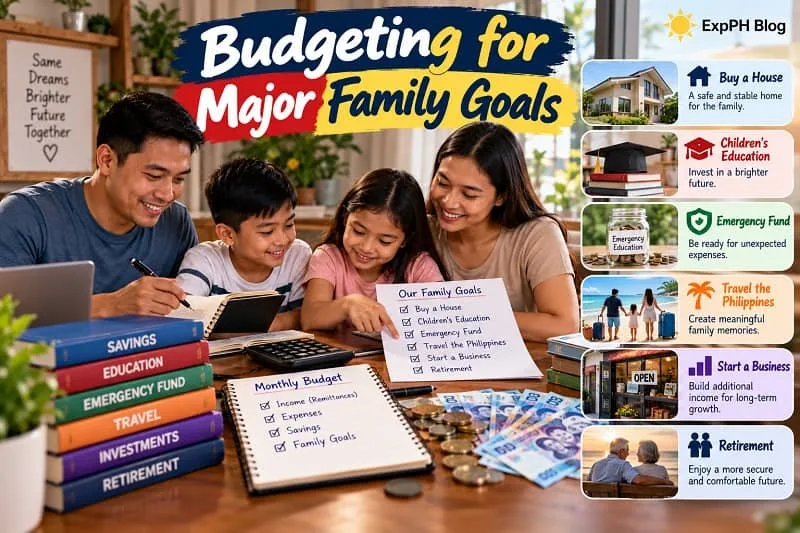
Budgeting for Major Family Goals
Budgeting goes beyond covering monthly bills and daily expenses. For OFW families, it is a tool for building a secure future. A clear budget helps plan education, housing, and long term savings while ensuring that today’s needs do not compromise tomorrow’s financial goals.
Education Planning for Children
Tuition fees continue to rise each year, making education planning more important for OFW families. Creating a dedicated education fund helps manage future costs. Regular contributions reduce financial pressure and protect household budgets from sudden school expenses that can disrupt savings or daily needs.
Families should:
- Allocate education savings monthly
- Separate tuition funds from daily expenses
- Avoid using remittance increases for lifestyle inflation
Home Ownership and Renovation Goals
Many OFW families dream of owning a home or improving their current living space. Careful budgeting helps turn this goal into reality. By setting realistic timelines and saving consistently, families can avoid heavy loans and manage construction or renovation costs without financial strain.
Budgeting should:
- Set realistic timelines
- Avoid lump-sum spending without planning
- Prevent loan dependency when possible

Teaching Financial Discipline Within the Family
Teaching financial discipline within the family is essential for successful OFW family budgeting. When all household members understand basic money management, they make better spending decisions. Shared awareness helps prevent misuse of funds and supports long term financial goals for the entire family.
Each family member should have a role, such as:
- Expense tracker
- Savings monitor
- Bill payment coordinator
Clear financial roles help build accountability and strengthen financial awareness within the household. When each person understands their responsibility, spending becomes more intentional. This structure encourages discipline, reduces mistakes, and helps OFW families stay focused on shared financial goals and long term stability.
Setting Allowance Rules
Allowances should be planned within the budget, given consistently, and reviewed when income changes. Clear limits encourage responsible spending habits and prevent allowances from affecting savings or essential household expenses.
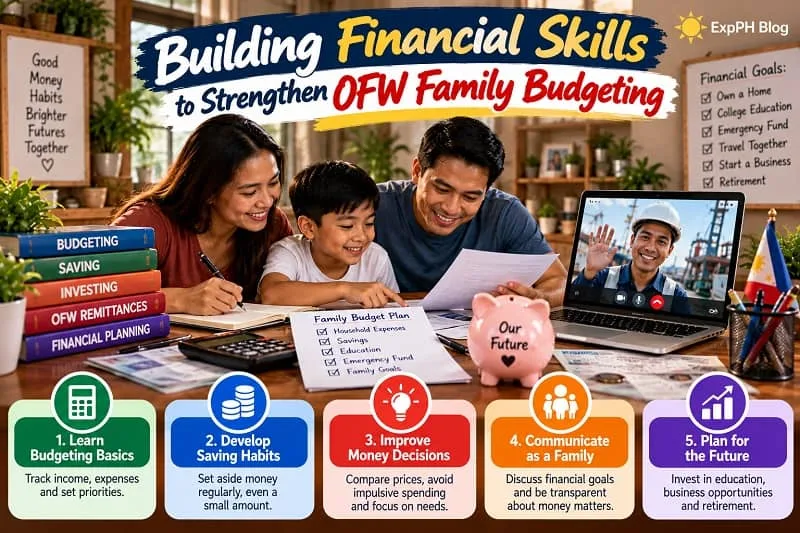
Building Financial Skills to Strengthen OFW Family Budgeting
When families understand money management, income creation, and basic financial planning, they use remittances more wisely. This knowledge supports better saving habits, reduces mistakes, and prepares families for long term financial security.
Why Financial Education Matters for OFW Families
Financial education matters for OFW families because it helps them manage remittances wisely and avoid costly mistakes. Learning basic financial skills improves budgeting, protects savings, and reduces the risk of poor decisions. Strong financial knowledge also prepares families for life after overseas work.
Practical Learning for Income and Budget Improvement
Practical learning helps improve both income and budgeting for OFW families. When spouses or dependents learn budgeting, freelancing, or online income skills, they can contribute financially. This shared effort reduces pressure on the OFW and supports a more balanced and sustainable household income.
A Helpful Learning Resource for OFW Families
For families who want to improve budgeting skills, financial literacy, or learn income-generating skills from home, structured online learning can be very useful. Platforms like Udemy offer practical courses on budgeting, personal finance, freelancing, and online skills that support OFW Family Budgeting goals in a realistic way.
You can explore available courses here:
https://www.udemy.com/
This resource works well for OFW families because courses are self-paced, accessible globally, and focused on real-world skills.
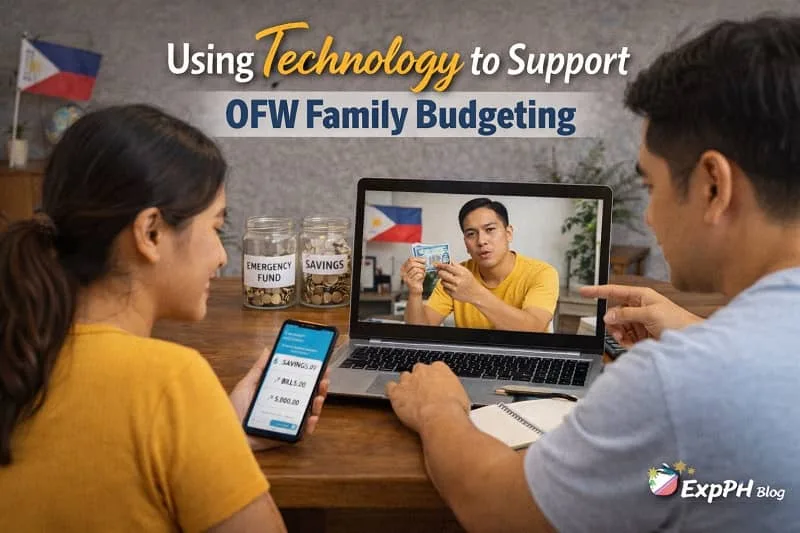
Using Technology to Support OFW Family Budgeting
Technology can support OFW family budgeting by making financial tracking easier and more transparent. When used correctly, digital tools help families monitor expenses, separate savings, and coordinate finances across locations. This improves communication, reduces confusion, and helps both the OFW and household stay aligned financially.
Shared Budget Tracking Tools
Shared budget tracking tools allow OFW families to monitor income and expenses together. These tools help both the overseas worker and the household see where money goes. Clear visibility improves accountability, reduces misunderstandings, and supports better financial decisions throughout the month.
Digital Banking for Transparency
Digital banking improves transparency for OFW families by providing clear records of income and spending. Easy access to transaction histories helps track expenses and savings. This visibility allows both the OFW and the household to monitor finances, avoid confusion, and maintain trust in budgeting decisions.
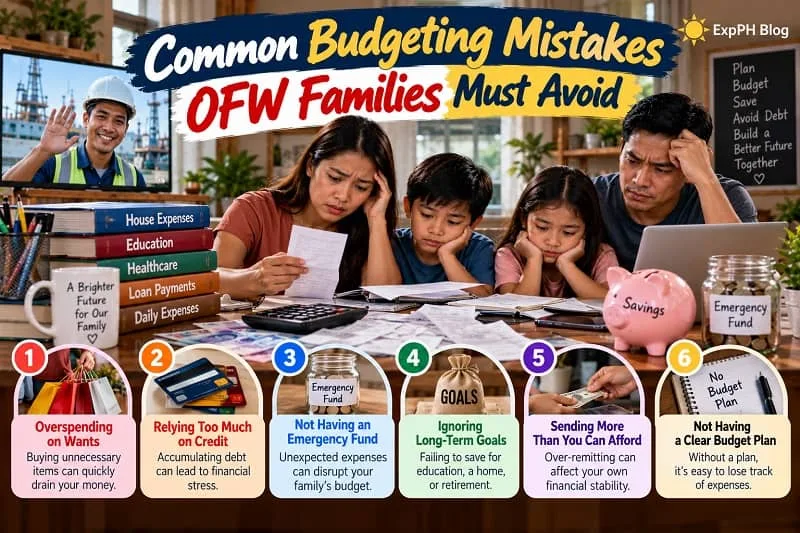
Common Budgeting Mistakes OFW Families Must Avoid
Even with good intentions, OFW families can make budgeting mistakes without proper awareness. Common issues include poor communication, overspending, and ignoring savings. Recognizing these mistakes early helps families adjust their habits, protect remittances, and maintain long term financial stability despite changing income conditions.
Treating Remittance as Unlimited Income
Treating remittances as unlimited income is a common mistake among OFW families. This mindset often leads to overspending and weak savings. Without clear limits, households may struggle when income changes. Viewing remittances as temporary and planned income supports more responsible budgeting.
Ignoring the OFW’s Personal Needs
Ignoring the personal needs of the OFW can weaken a family’s financial plan. Overseas workers also require savings, emergency funds, and personal spending money. A balanced budget respects these needs, supports well being, and helps ensure the OFW can continue working effectively without burnout or financial stress.
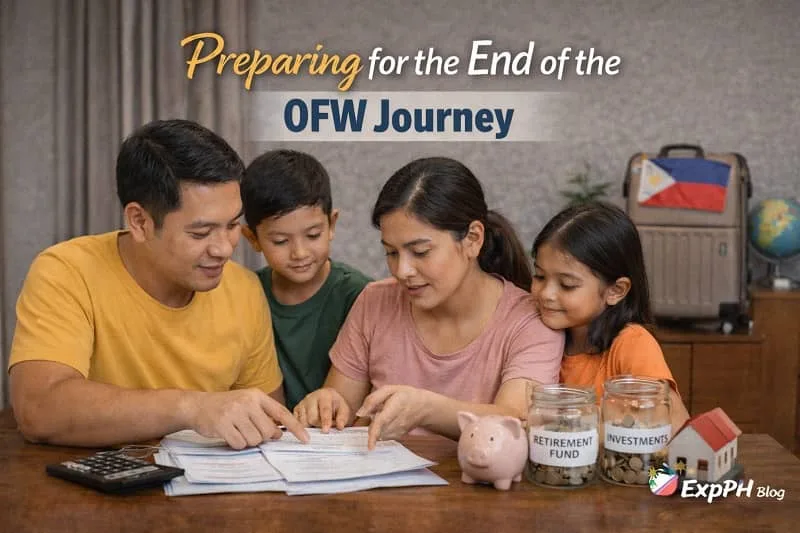
Preparing for the End of the OFW Journey
Every overseas career eventually comes to an end, and OFW families must plan for this reality. Budgeting should include preparation for returning home, building savings, and developing local income options. Early planning reduces pressure and helps families transition smoothly into a stable life after overseas work.
Transition Planning Is Part of Budgeting
Transition planning is an important part of budgeting for OFW families. Preparing for life after overseas work requires savings, skills development, and local income planning. Including these goals in the budget helps reduce uncertainty and supports a smoother transition back into life in the Philippines.
Building Independence for the Family
Building independence is a key goal of OFW family budgeting. The focus should move beyond long term reliance on overseas income toward financial stability at home. Through saving, planning, and skill development, families can create sustainable income sources and reduce dependence on overseas work.

Final Thoughts on OFW Family Budgeting
Successful OFW Family Budgeting in 2026 is not about following strict rules or using complicated systems. It is about having clear goals, open communication, steady discipline, and shared responsibility within the household. When families plan together and understand how money is managed, they reduce conflict and make better decisions. This approach allows OFW families to handle challenges with confidence while taking advantage of opportunities that support long term financial growth.
With the right budgeting method, consistent saving habits, and continuous learning, OFW families can turn overseas income into lasting security. Careful planning helps protect income, build emergency funds, and prepare for the future. Over time, this creates peace of mind, financial stability, and a better quality of life for everyone involved.
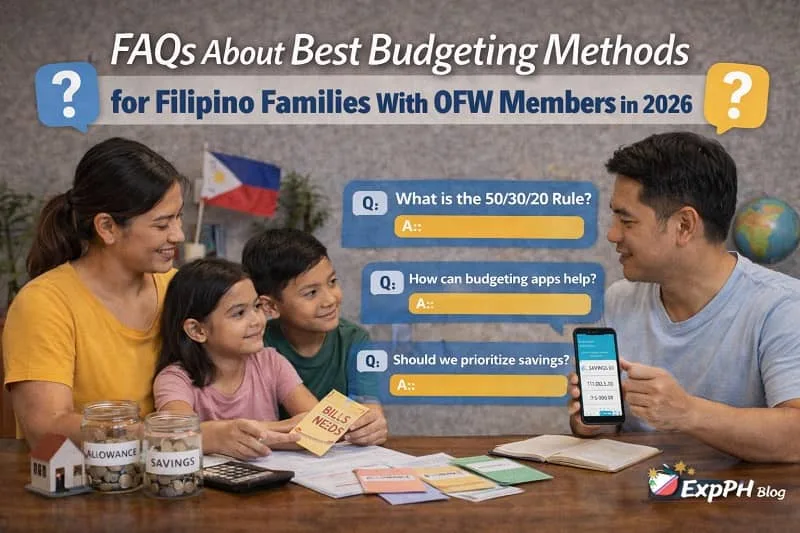
FAQs About OFW Family Budgeting
What is OFW family budgeting and why is it important in 2026?
OFW family budgeting helps manage remittances wisely, balance overseas and local expenses, build savings, reduce stress, and prepare families for emergencies and future financial independence.
How can OFW families start creating a realistic budget?
Start by listing monthly remittances, fixed expenses, savings goals, and variable costs, then choose a budgeting method that fits income stability and family needs clearly.
Is zero based budgeting effective for OFW families?
Yes, zero based budgeting works well because it assigns every peso a purpose, prevents overspending, improves transparency, and helps OFW families control cash flow monthly.
How much should OFW families save for emergencies?
OFW families should save at least three to six months of household expenses, plus a separate emergency fund for overseas risks, job loss, or repatriation.
Can digital tools improve OFW family budgeting?
Digital budgeting tools help OFW families track spending in real time, separate categories, improve transparency, and coordinate finances better between overseas workers and households together.
What are common budgeting mistakes OFW families make?
Common mistakes include treating remittances as unlimited income, skipping savings, poor communication, lifestyle inflation, ignoring OFW personal needs, and failing to plan for contract endings.
Does budgeting reduce financial stress for OFW families?
Yes, budgeting reduces stress by setting clear limits, aligning expectations, preventing conflicts, and helping families feel secure, prepared, and confident about their financial future together.
How often should OFW families review their budget?
OFW families should review budgets monthly to adjust for remittance changes, expenses, savings progress, and unexpected situations that affect income or household spending levels regularly.
How does budgeting help prepare for the end of OFW work?
Budgeting prepares families by building savings, reducing debt, developing skills, planning reintegration, and creating alternative income sources before overseas employment ends for long term stability.
Can OFW family budgeting support long term financial stability?
Absolutely, when done correctly, OFW family budgeting builds discipline, stability, and shared responsibility, helping households grow financially strong even after overseas work ends successfully together.
Ready to turn your budgeting into real results?
Explore the OFW Financial Success Guide for Filipinos in 2026 and learn how to save more, manage family finances, and build long-term stability.
Expand your understanding with the posts listed next.
- Balancing Family Support and Personal Savings the Smart Way
- Smart Budget Adjustments OFWs Should Make When Costs Increase
- Top 5 Budgeting Apps for Filipinos in 2026
Access the original source through the link below.
- Maya Saving and Money Management Tips for OFWs
- Overseas Workers Welfare Administration (OWWA)
- Commission on Filipinos Overseas (CFO)
- BPI Practical Financial Tips for OFWs
- Sun Life Financial Guide for OFWs
Learning Hub Quiz!
Test your knowledge about Best Budgeting Methods for Filipino Families With OFW Members in 2026.
Results


#1. What is the main goal of OFW family budgeting?
#2. Which budgeting method assigns every peso a purpose?
#3. How many months should emergency funds cover?
#4. Why should savings be automatic?
#5. What mistake do OFW families often make?
#6. Why is family agreement important in budgeting?
#7. What should budgeting consider first?
#8. Which tool helps with transparency?
#9. What should extra remittance prioritize?
#10. What does budgeting prepare families for?
Your commitment to learning is a strong step toward a more secure future for your family
Share your quiz experience with us in the comments and tell us which question helped you most.

A Filipino web developer with a background in Computer Engineering. Founder of ExpPH Blog and ExpPH Business Guide, creating practical content on OFW guidance, business, finance, freelancing, travel, and lifestyle. Passionate about helping Filipinos grow, he shares insights that educate, empower, and inspire readers nationwide.