
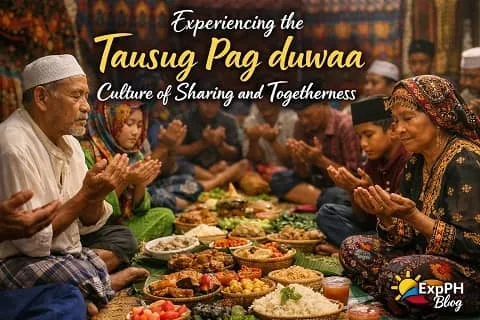
Experiencing the Tausug Pag duwaa Culture of Sharing and Togetherness
The Philippines is home to diverse cultures, each with unique traditions reflecting deep values of faith, unity, and generosity. Among these is Tausug duwaa, a meaningful cultural practice rooted in prayer, shared meals, and strong community bonds. More than a simple gathering, Tausug Pag duwaa represents the heart of Tausug social life, where spirituality and togetherness meet. Through sincere prayer and sharing, it nurtures relationships, reinforces cultural identity, and strengthens communal harmony across generations.
This article explores the meaning, history, and cultural significance of Tausug Pag duwaa within Tausug society. It explains why this tradition remains important in modern communities despite social change and migration. The discussion also highlights how Tausug Pag duwaa reflects broader Filipino values of hospitality, respect, unity, and compassion. By understanding this practice, readers gain deeper appreciation of how cultural traditions preserve identity, strengthen faith, and promote social responsibility within families, neighborhoods, and wider Philippine society today.
If you want to explore more about Tausug heritage, traditions, beliefs, food, clothing, community values, and everyday life in Sulu, read our complete guide: Complete Guide to Tausug Culture and Traditional Life in Sulu. This in depth resource helps readers better understand the rich identity, history, and living traditions of the Tausug people in the Philippines.
Quick Summary (TL;DR)
- Tausug Pag duwaa is a traditional Tausug gathering centered on prayer, shared meals, and community unity.
- The word duwaa means prayer or supplication in the Tausug language.
- It reflects important values such as faith, gratitude, generosity, humility, and togetherness.
- Families hold Pag duwaa during life milestones, thanksgiving, remembrance, healing, and important community events.
- Prayer is the foundation of the gathering, usually led by an elder or religious leader before meals begin.
- Shared food symbolizes sincerity, blessings, hospitality, and communal care rather than luxury or celebration.
- The tradition strengthens relationships among families, neighbors, friends, and younger generations.
- Tausug Pag duwaa reflects the Tausug value of magdungan, meaning unity and togetherness.
- Even Tausugs living in cities or abroad continue practicing the tradition to preserve cultural identity and faith.
- Tausug Pag duwaa remains important today because it encourages human connection, compassion, and cultural preservation in modern society.
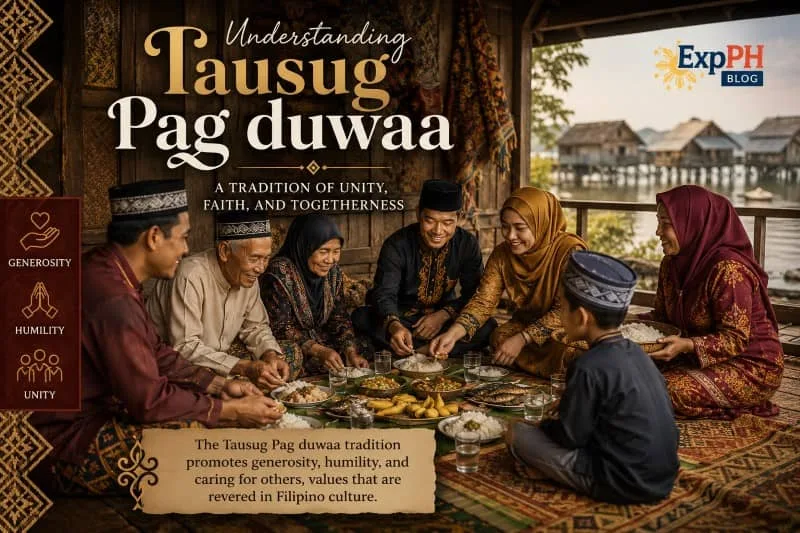
1. Understanding Tausug Pag duwaa
Tausug Pag duwaa is an important cultural and spiritual tradition that reflects the values, beliefs, and social connections of the Tausug people. It combines prayer, shared meals, and meaningful gatherings that strengthen relationships within families and communities. More than a social activity, it represents gratitude, faith, unity, and mutual care practiced across generations.
What Does Pag-duwa’a Mean in Tausug Culture
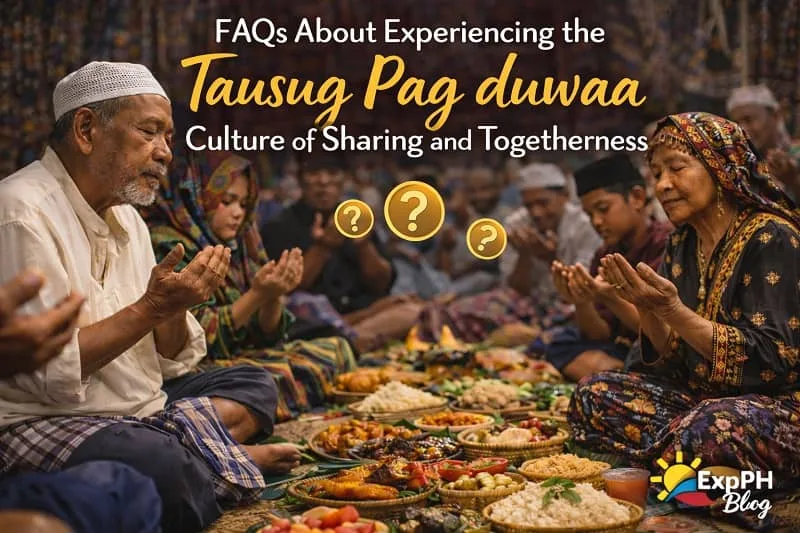
In the Tausug language, duwaa refers to prayer or supplication. Tausug Pag duwaa is a communal gathering where prayers are offered, followed by shared meals. It is held to give thanks, seek blessings, remember loved ones, and mark meaningful life events within local communities today.
Unlike casual celebrations, Tausug Pag duwaa carries a strong spiritual foundation. The act of gathering matters as much as the prayer itself, emphasizing humility, gratitude, shared responsibility, and collective faith that bind families and neighbors together across generations through meaningful cultural traditions and shared experiences.
Why Tausug Pag duwaa Is More Than a Feast
While food plays a central role, Tausug Pag duwaa is not simply about eating together. It is about intention, strengthening relationships, reinforcing shared values, and reminding participants of their responsibilities toward one another as members of a caring community guided by faith and unity principles.
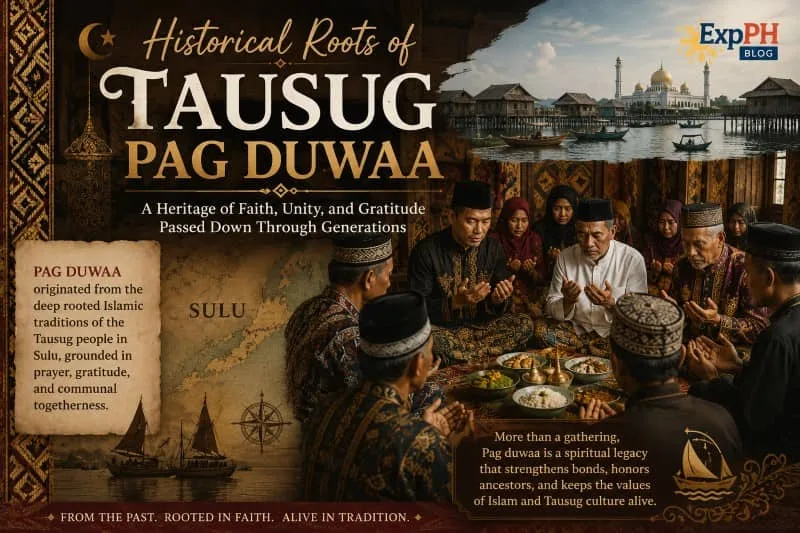
2. Historical Roots of Tausug Pag duwaa
The history of Tausug Pag duwaa reflects the deep connection between Tausug culture, Islamic faith, and community life. Passed down through generations, the tradition developed as a meaningful practice centered on prayer, gratitude, and togetherness. Despite social changes over time, Tausug Pag duwaa continues to preserve its spiritual purpose and cultural importance within modern communities.
Islamic Influence on Tausug Traditions
The Tausug people are among the earliest Muslim communities in the Philippines. Islamic teachings strongly influence Tausug Pag duwaa, particularly the emphasis on prayer, charity, and unity. The tradition aligns with Islamic values of sadaqah, or voluntary giving, and communal remembrance of God.
Evolution of Pag duwaa Over Time
Historically, Tausug Pag duwaa was conducted in simple settings, often in family homes or village spaces. Over generations, the practice adapted to changing lifestyles while preserving its spiritual core. Today, it may be held in homes, mosques, or community halls, yet the essence remains unchanged.
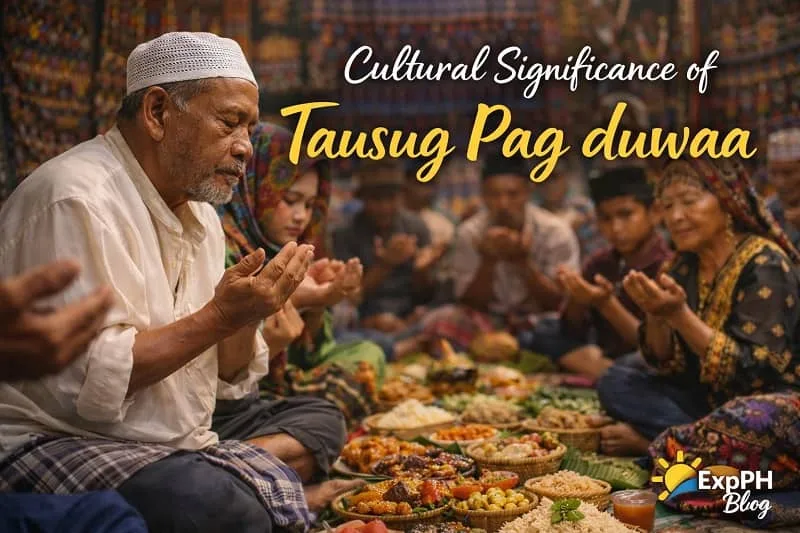
3. Cultural Significance of Tausug Pag duwaa
Tausug Pag duwaa holds deep cultural importance because it strengthens relationships, promotes generosity, and reinforces shared community values. Through prayer and shared meals, families and neighbors build trust, unity, and mutual support. The tradition also helps preserve Tausug identity by passing cultural knowledge, respect, and social responsibility across generations.
A Symbol of Sharing and Generosity
At its heart, Tausug Pag duwaa represents generosity rooted in sincerity and faith. Hosts prepare food not for praise, but to express gratitude. Sharing meals strengthens trust and reinforces the belief that blessings multiply when offered freely to others within the community during meaningful gatherings rooted in shared traditions.
Strengthening Family and Community Bonds
Pag duwaa brings together relatives, neighbors, and friends in meaningful gatherings. These moments encourage reconciliation, understanding, unity, and mutual support. Elders pass down wisdom, while younger generations learn cultural values through active participation, shared prayer, and communal experiences that strengthen relationships.
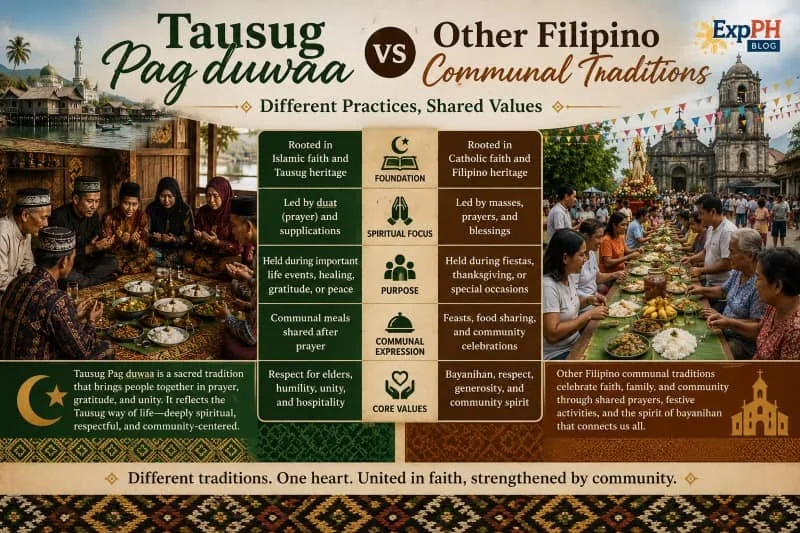
4. Tausug Pag duwaa vs Other Filipino Communal Traditions
Tausug Pag duwaa shares similarities with other Filipino communal gatherings through shared meals and social interaction. However, it stands out because of its strong spiritual focus and reflective atmosphere. Rooted in prayer, gratitude, and faith, the tradition emphasizes meaningful connection and cultural identity more than public celebration or entertainment.
Difference Between Tausug Pag duwaa and Kanduli
While kanduli in other Filipino cultures also refers to a communal feast, Tausug Pag duwaa places stronger emphasis on prayer as its foundation. The gathering begins with supplication before any food is served, highlighting spiritual intention over celebration within traditional community settings today locally shared.
Unique Identity of Tausug Pag duwaa
Unlike fiestas or large public celebrations, Tausug Pag duwaa remains modest and reflective. Its focus is inward, centered on gratitude, remembrance, and shared faith rather than spectacle, valued by families and communities across generations through quiet meaningful gatherings that preserve identity and spiritual connections today.
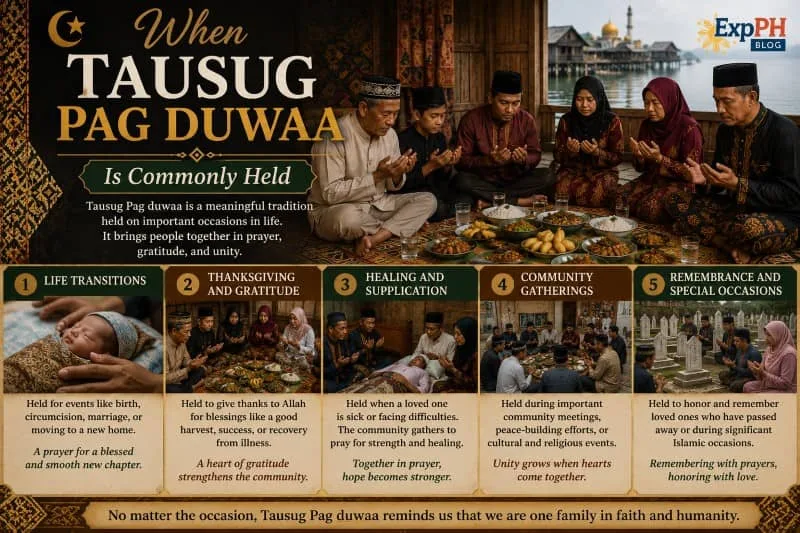
5. When Tausug Pag duwaa Is Commonly Held
Tausug Pag duwaa is commonly held during important personal, family, and community occasions that carry spiritual and emotional meaning. These gatherings provide opportunities for prayer, gratitude, remembrance, and reflection. Whether celebrating milestones or honoring loved ones, the tradition strengthens relationships and reinforces faith, unity, and shared cultural values within the community.
Life Events and Milestones
Tausug Pag duwaa is often held during meaningful moments such as childbirth, marriage, recovery from illness, or completing an important journey. These gatherings allow families and communities to express gratitude, seek continued blessings, and strengthen bonds through shared prayer, reflection, and togetherness rooted in faith.
Remembrance and Thanksgiving
Families also hold Tausug Pag duwaa to remember departed loved ones or to thank God for answered prayers. During these moments, food becomes a symbol of remembrance, unity, and gratitude, helping participants reflect, reconnect emotionally, and honor spiritual ties within families and communities through sincere shared gatherings.
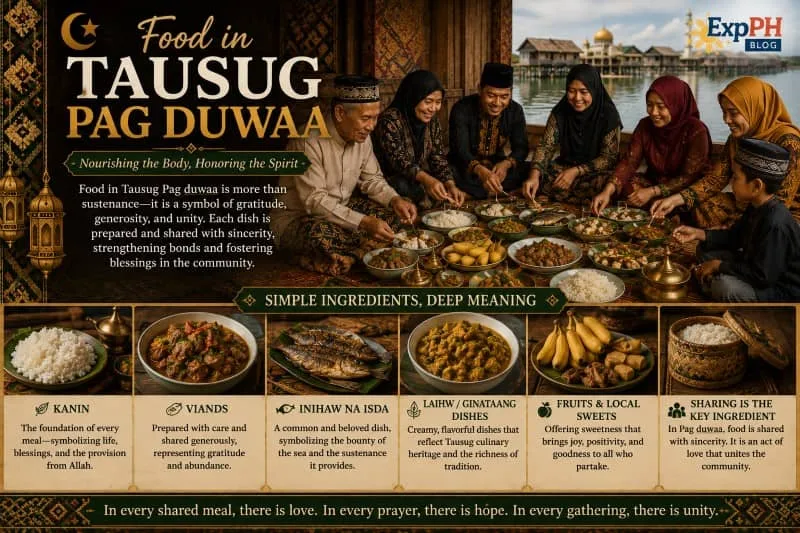
6. Food in Tausug Pag duwaa
Food plays an important role in Tausug Pag duwaa because it represents gratitude, hospitality, and shared blessings within the community. The dishes are often simple but meaningful, reflecting humility and care for others. More than nourishment, shared meals strengthen relationships and remind participants of the values of generosity, unity, and sincerity.
Simple Yet Meaningful Dishes
Food served during Tausug Pag duwaa varies by household, but it is usually simple and hearty. Common dishes include rice, local stews, fried snacks, and traditional Tausug delicacies, reflecting humility, practicality, and care while nourishing guests and strengthening bonds through shared meals together meaningfully always.
The Role of Food as a Symbol
Food in Tausug Pag duwaa is not about luxury. It symbolizes humility, gratitude, and the belief that blessings are meant to be shared equally, reminding participants to value sincerity, generosity, and togetherness over excess while honoring spiritual intentions within the community during gatherings and traditions.
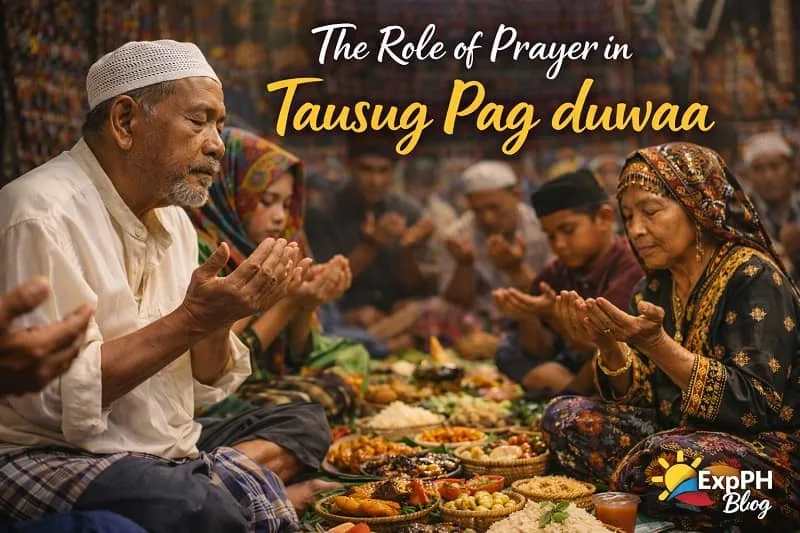
7. The Role of Prayer in Tausug Pag duwaa
Prayer serves as the spiritual foundation of Tausug Pag duwaa and gives deeper meaning to the gathering. Through collective supplication and reflection, participants strengthen their faith, express gratitude, and seek blessings together. The shared prayer also encourages unity, compassion, humility, and stronger emotional connections among families, friends, and community members.
Opening the Gathering with Duwa’a
Prayer is the foundation of Tausug Pag duwaa. A respected elder or religious leader often leads the duwaa, asking for guidance, forgiveness, and blessings for everyone present, uniting participants through humility, gratitude, and shared intention before meals, conversations, and communal interaction begin together peacefully respectfully.
Collective Faith and Reflection
This shared prayer creates a moment of reflection, reminding participants of their faith and connection to one another. It reinforces values of patience, kindness, unity, forgiveness, and compassion, helping families and communities reflect, reconnect, and strengthen bonds through sincere collective worship together during meaningful gatherings.
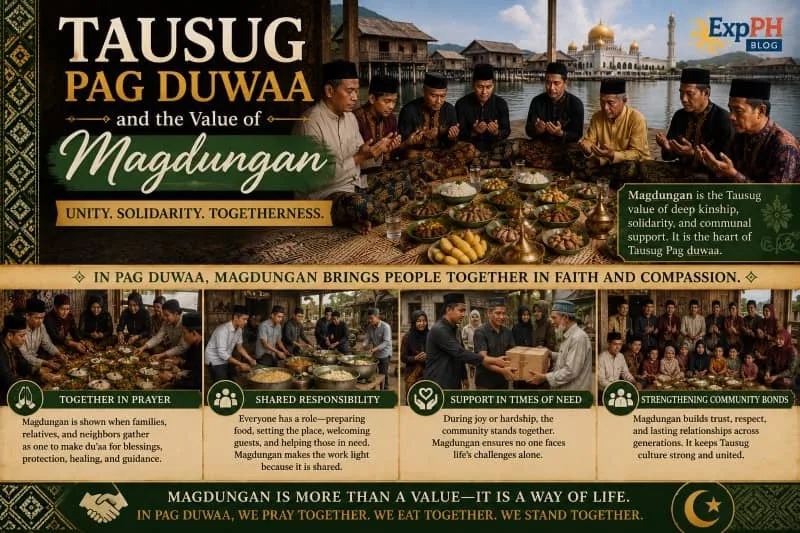
8. Tausug Pag duwaa and the Value of Magdungan
Tausug Pag duwaa reflects the important Tausug value of magdungan, which emphasizes unity, cooperation, and togetherness within the community. Through shared prayer, meals, and meaningful interaction, people strengthen emotional and spiritual connections. The tradition encourages mutual support, understanding, and harmony while helping families and communities remain closely connected across generations.
Understanding Magdungan
In Tausug culture, magdungan means togetherness or unity. Tausug Pag duwaa expresses magdungan by bringing people together physically, spiritually, and emotionally. It reflects shared responsibility, cooperation, and mutual care, helping families and communities remain connected through faith, tradition, and meaningful communal experiences.
Practicing Unity Through Tradition
Through Tausug Pag duwaa, the idea of magdungan becomes tangible. People sit together, pray together, and eat together, reinforcing bonds that strengthen the community, encourage understanding, and promote harmony across families, generations, and neighborhoods through consistent participation and shared cultural traditions.
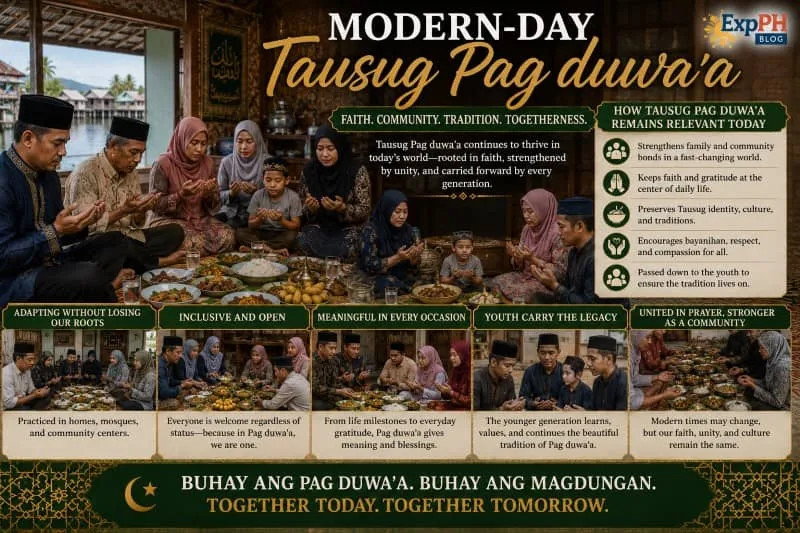
9. Modern-Day Tausug Pag duwa’a
Tausug Pag duwaa continues to remain relevant in modern society as families preserve the tradition through prayer, shared meals, and community gatherings. Despite changing lifestyles and migration, many Tausugs still practice it to maintain cultural identity, faith, and family connections. Its adaptability allows the tradition to thrive in both rural communities and urban settings today.
How the Tradition Is Practiced Today
Today, Tausug Pag duwaa continues to thrive, even among younger generations. While modern influences exist, many families intentionally preserve this tradition as a way to stay connected to their roots, values, faith, and identity through prayer, shared meals, storytelling, guidance, and consistent participation together always.
Tausug Pag duwaa in Urban Settings
Even Tausugs living in cities or abroad practice Tausug Pag duwaa in smaller gatherings. This shows how adaptable the tradition is, maintaining its meaning regardless of location, distance, lifestyle changes, time constraints, migration experiences, and evolving community structures across generations within diverse global Tausug communities.
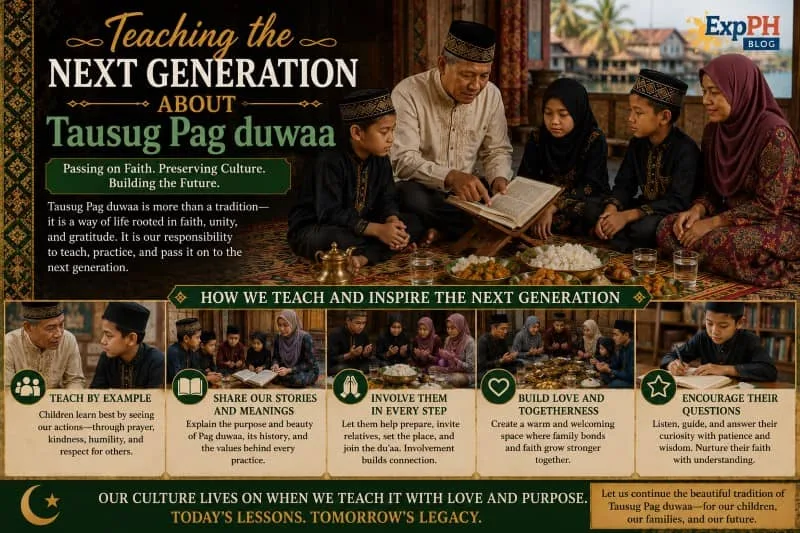
10. Teaching the Next Generation About Tausug Pag duwaa
Teaching younger generations about Tausug Pag duwaa helps preserve cultural identity, faith, and community values. Through active participation, storytelling, and guidance from elders, children learn the importance of respect, responsibility, and togetherness. Cultural education also strengthens appreciation for heritage while ensuring traditions continue to remain meaningful across future generations.
Passing Down Cultural Knowledge
Elders play a crucial role in teaching children about Tausug Pag duwaa. By involving them in preparations and prayers, cultural knowledge passes naturally, strengthening identity, respect, responsibility, and continuity while nurturing values through observation, participation, storytelling, guidance, patience, and shared experiences within families and communities.
Why Cultural Education Matters
Preserving Tausug Pag duwaa helps younger generations understand identity, history, and belonging. Cultural education encourages pride in heritage, respect for elders, faith centered values, and community responsibility, ensuring traditions remain relevant, practiced, and meaningful while guiding moral choices and social harmony across changing times today.
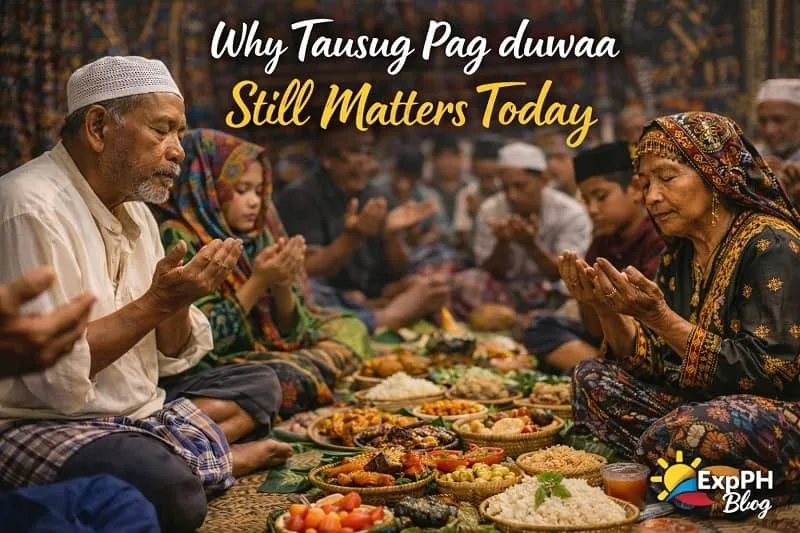
11. Why Tausug Pag duwaa Still Matters Today
Tausug Pag duwaa remains important because it strengthens human connection, cultural identity, and shared community values in a rapidly changing world. The tradition encourages meaningful interaction, collective support, and spiritual reflection beyond digital communication. It also reinforces Filipino values such as respect, hospitality, compassion, unity, and responsibility within everyday family and community life.
A Response to Modern Isolation
In an increasingly digital world, Tausug Pag duwaa offers meaningful face to face connection. It reminds people of the importance of presence, conversation, listening, and shared experiences, helping families and communities reconnect emotionally, strengthen bonds, and maintain human connection beyond screens through sincere gatherings.
Reinforcing Filipino Values
Tausug Pag duwaa reflects core Filipino values such as hospitality, respect for elders, faith, and communal support. These values remain relevant across cultures and generations, encouraging compassion, generosity, cooperation, and unity while guiding social behavior, moral responsibility, and community harmony in everyday life.
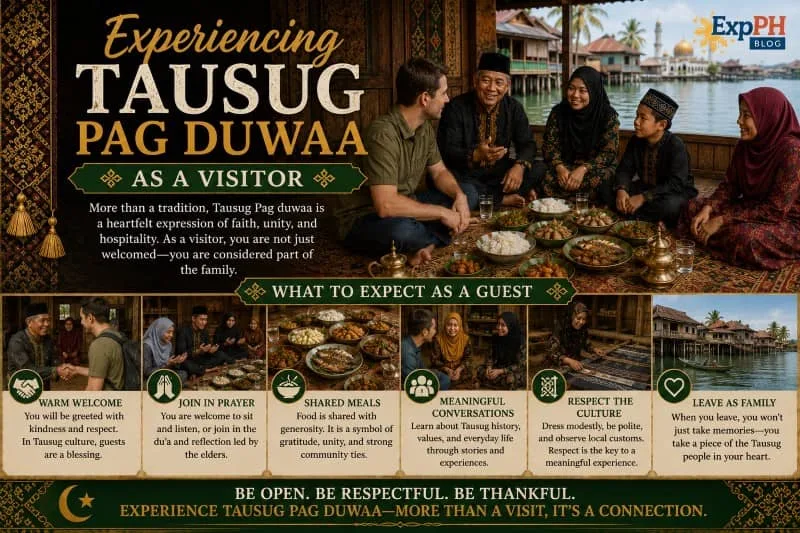
12. Experiencing Tausug Pag duwaa as a Visitor
Experiencing Tausug Pag duwaa as a visitor offers valuable insight into Tausug culture, faith, and community life. Respectful participation allows guests to appreciate the importance of prayer, hospitality, and togetherness within the tradition. Through observation and shared experiences, visitors develop deeper understanding, cultural awareness, and meaningful connections with the community.
Observing With Respect
For visitors or non Tausugs, experiencing Tausug Pag duwaa is a privilege. Observing respectfully, participating quietly in prayer, dressing modestly, and appreciating the shared meal are important practices that show humility, gratitude, and cultural awareness while honoring hosts, traditions, and spiritual intentions within the community.
Learning Through Participation
Through respectful participation, visitors gain deeper understanding of Tausug culture and the values that shape it. Listening to elders, sharing meals, joining prayers, and observing customs help visitors build appreciation, empathy, and meaningful connections while learning lessons of unity, faith, and togetherness within communities.
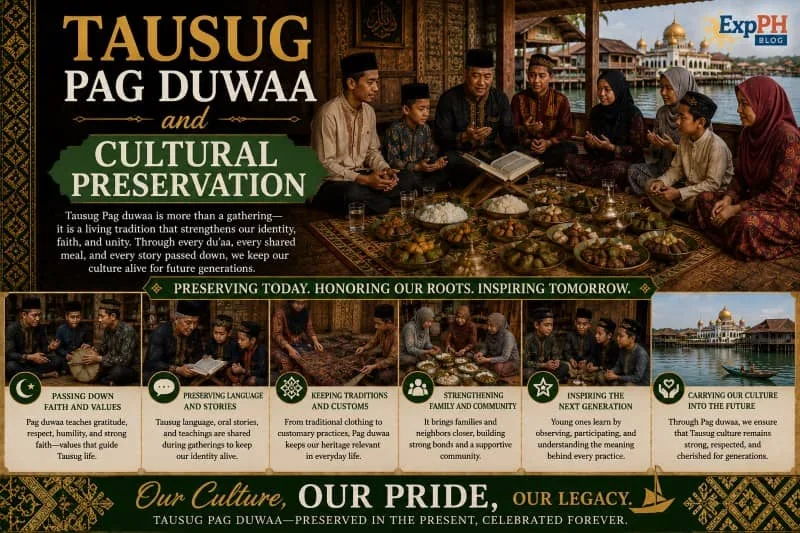
13. Tausug Pag duwaa and Cultural Preservation
Tausug Pag duwaa plays an important role in preserving Tausug cultural identity, traditions, and community values across generations. Continued practice and documentation help protect this intangible heritage from being forgotten over time. Through storytelling, education, and responsible media sharing, communities strengthen cultural awareness, encourage respect for tradition, and promote appreciation for Tausug heritage locally and globally.
Protecting Intangible Heritage
Tausug Pag duwaa is an example of intangible cultural heritage. Documenting and practicing it helps protect traditions that might otherwise fade. Continued practice ensures values, rituals, prayers, and communal bonds remain alive, respected, and transmitted across generations within families and communities for future cultural continuity.
The Role of Storytelling and Media
Platforms like ExpPH Blog help preserve Tausug Pag duwaa by sharing accurate stories and cultural explanations with wider audiences. Responsible media encourages understanding, respect, and learning, supporting heritage awareness, education, and appreciation among readers locally and globally through consistent documentation and community focused storytelling efforts.
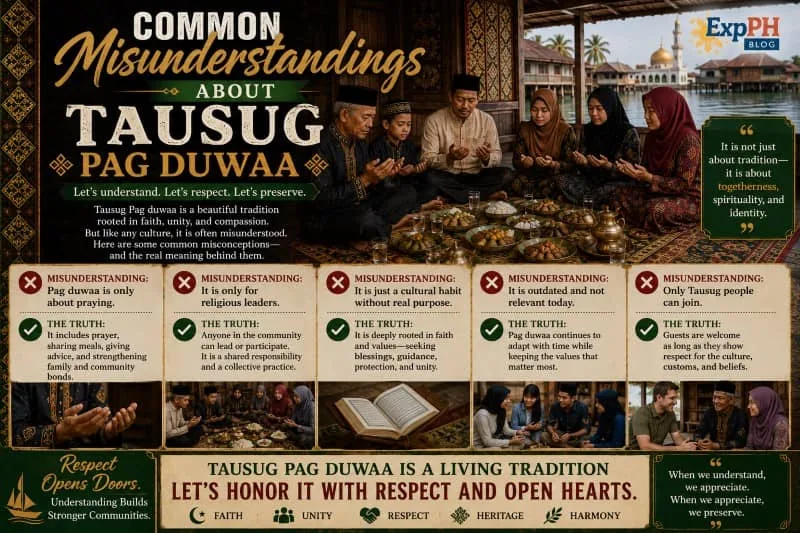
14. Common Misunderstandings About Tausug Pag duwaa
Many people misunderstand Tausug Pag duwaa as only a social feast or casual gathering. In reality, the tradition carries deep spiritual and cultural meaning centered on prayer, gratitude, and community unity. Understanding its religious context, values, and traditions helps promote respect, cultural sensitivity, and proper appreciation of its significance within Tausug society.
Not Just a Celebration
A common misconception is viewing Tausug Pag duwaa as merely a feast. In reality, prayer and intention define the gathering, guiding actions, shaping behavior, and giving deeper meaning to shared meals, interactions, and traditions rooted in faith, gratitude, humility, and collective responsibility within the community.
Cultural Context Matters
Understanding Tausug Pag duwaa requires respect for its religious and cultural context, not just its outward appearance. Appreciating history, beliefs, language, and values helps prevent misunderstanding, promotes sensitivity, and ensures the tradition is honored with dignity, sincerity, and cultural awareness by participants and observers alike.
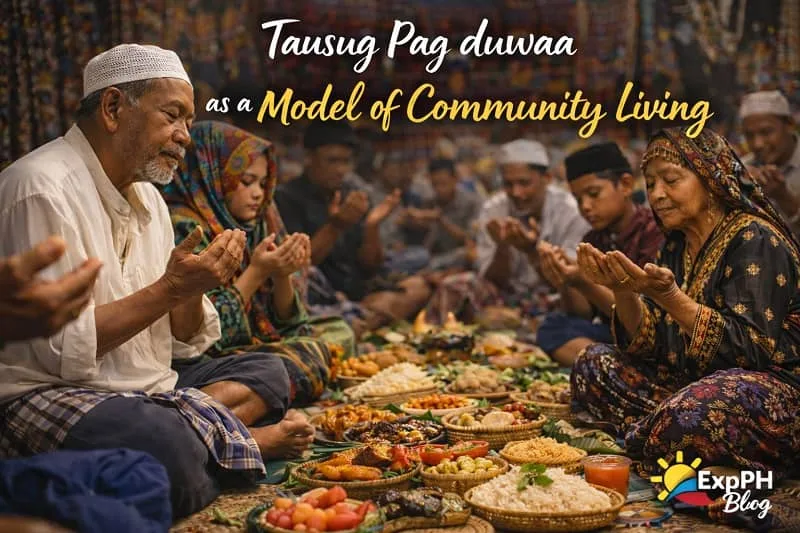
Tausug Pag duwaa as a Model of Community Living
Tausug Pag duwaa serves as a meaningful example of how communities can grow through generosity, humility, and shared responsibility. The tradition teaches that sincere giving and mutual care strengthen relationships more than material wealth. Its values also encourage empathy, cooperation, respect, and unity that can inspire stronger and more compassionate communities everywhere.
Lessons on Generosity and Humility
Tausug Pag duwaa teaches that generosity does not depend on wealth. Even simple meals become meaningful when shared sincerely, encouraging humility, gratitude, and compassion. This tradition reminds participants to give willingly, care for others, and value intention over abundance within everyday communal life together always.
Applying the Values Beyond the Community
The principles behind Tausug Pag duwaa can inspire broader society to prioritize empathy, sharing, and unity. Applying these values beyond the community encourages cooperation, respect, and social harmony, helping individuals build meaningful relationships, support one another, and create inclusive environments rooted in compassion daily everywhere.
FAQs About Tausug Pag duwaa
What is a Tausug communal prayer gathering?
A Tausug communal prayer gathering is a religious gathering with shared food, expressing gratitude, unity, faith, generosity, and togetherness among Tausug families and communities.
Why is a Tausug communal prayer gathering important in Tausug culture?
It strengthens relationships through prayer, shared meals, mutual respect, forgiveness, reflection, and open conversation, helping families and neighbors maintain harmony and strong community ties.
When is a Tausug communal prayer gathering usually held?
A Tausug communal prayer gathering is held during thanksgiving, remembrance of loved ones, recovery from illness, major life milestones, and moments when blessings are sincerely sought.
What role does prayer play in a Tausug communal prayer gathering?
Prayer is central because the gathering begins with supplication, grounding participants in faith, humility, gratitude, and spiritual intention before sharing food respectfully together.
How is a Tausug communal prayer gathering different from kanduli?
Unlike kanduli, a Tausug communal prayer gathering places stronger emphasis on prayer and intention, making it more spiritually focused than a purely celebratory feast.
What kind of food is served during a Tausug communal prayer gathering?
Simple dishes are served to symbolize humility and generosity, reminding participants that sincere sharing and blessings matter more than luxury or extravagance.
How does a Tausug communal prayer gathering reflect magdungan?
Magdungan means togetherness, and a Tausug communal prayer gathering expresses it through shared prayers, meals, cooperation, and unity across families, generations, and communities.
Is a Tausug communal prayer gathering still practiced today?
Yes, Tausug families continue communal prayer gatherings in homes and cities, adapting traditions while preserving faith, sharing, cultural values, and community spirit.
How should visitors behave during a Tausug communal prayer gathering?
Visitors should observe respectfully, follow prayer customs, dress modestly, accept food graciously, and appreciate the gathering with sincerity, humility, and cultural awareness.
Why is a Tausug communal prayer gathering important for cultural preservation?
It preserves Tausug identity by teaching faith, generosity, unity, and respect, helping younger generations understand heritage and maintain strong communal values.
Final Thoughts on Tausug Pag duwaa
Tausug Pag duwaa is a powerful expression of faith, culture, and community that continues to guide Tausug life. It shows how prayer, shared food, and togetherness strengthen relationships, encourage humility, and preserve identity across generations. Through sincere gatherings, families reconnect, values are reinforced, and cultural memory remains alive. Tausug Pag duwaa demonstrates that unity grows through participation, intention, and mutual care, making it a meaningful tradition that sustains social harmony, spiritual awareness, and collective responsibility within modern community life today.
In a fast changing world, traditions like Tausug Pag duwaa remind people that true richness lies not in material things, but in shared moments, collective faith, and genuine human connection. By understanding and respecting Tausug Pag duwaa, communities honor Tausug heritage and strengthen Filipino values of unity and compassion. These traditions encourage presence, empathy, and responsibility, helping individuals remain grounded while navigating modern pressures, technological change, and evolving social relationships with purpose and shared cultural identity for future generations nationwide.
Want to learn more about Tausug traditions and community life?
Explore our content pillar Inside Traditional Tausug Lifestyle and Community Practices to discover Tausug customs, family values, faith based traditions, community gatherings, and everyday cultural life in Sulu and other Tausug communities.
Check the section below for more learning paths
- Immersive Pangalay Dance Experience with Tausug Performers
- A Day in a Traditional Tausug Household and Community Life
- Tapul Island A Peaceful Escape in the Heart of Sulu
- Learning Silat the Martial Art of the Tausug People
- Siyagul A Classic Tausug Seafood Delicacy
For official information, click the link below
- Bangsamoro Commission for the Preservation of Cultural Heritage
- UNESCO Intangible Cultural Heritage
- National Museum of the Philippines
Tausug Pag duwaa Quiz
Test your knowledge about the Tausug Pag Duwaa culture of sharing and togetherness.
Results


#1. What does Pag Duwaa mainly represent?
#2. Which value is central to Pag Duwaa?
#3. What usually happens first in Pag Duwaa?
#4. What does magdungan mean?
#5. When is Pag Duwaa commonly held?
#6. What follows the prayer?
#7. Who usually attends Pag Duwaa?
#8. What type of food is served?
#9. What should visitors show?
#10. Why is Pag Duwaa preserved?
Thank you for taking time to explore and learn about Tausug culture
Your interest helps keep Filipino traditions alive for future generations.Comment below and share your story with us. Your experience helps others learn and appreciate Tausug culture.

A Filipino web developer with a background in Computer Engineering. Founder of ExpPH Blog and ExpPH Business Guide, creating practical content on OFW guidance, business, finance, freelancing, travel, and lifestyle. Passionate about helping Filipinos grow, he shares insights that educate, empower, and inspire readers nationwide.
Pingback: 7 Powerful Traditional Tausug Wedding Practices Explained now