

How to Set Realistic Financial Goals for 2026

Introduction
Setting realistic financial goals for 2026 is one of the most important steps you can take if you want to feel more secure, confident, and prepared for the future. Many people struggle with money because they do not have a clear plan, which makes it harder to stay consistent and build long term progress. This is where strong Financial Planning comes in. When you follow a proper structure and take a step by step approach, your goals become easier to understand, easier to measure, and easier to accomplish.
This guide will help you create financial goals that are not only realistic but also motivating and achievable. Whether you are preparing your savings, managing your debts, building your investments, or improving your income streams, a solid Financial Planning strategy can guide your actions throughout 2026.
Why Financial Planning Matters for 2026
Many Filipinos enter a new year with strong intentions but unclear methods. You may want to save more, spend less, or grow your income. However, without proper Financial Planning, those goals remain ideas rather than results. When you have a clear and realistic financial plan, you give yourself a roadmap that guides your decisions for the entire year.
Good Financial Planning also strengthens financial discipline, improves your mindset about money, and removes uncertainty. With rising living costs, economic shifts, and unpredictable expenses, preparing ahead can help you avoid stress and build stability throughout 2026.
Understanding Your Current Financial Situation
Before setting any goals, you need to know where you stand financially. Many people set unrealistic savings targets or investment plans simply because they skip this step. A solid Financial Planning process always starts with a financial assessment.
Calculate Your Income
Begin by writing down your monthly income, including your salary, part time earnings, online work, commissions, or business income. Clear income awareness improves your ability to make responsible decisions as part of your Financial Planning for 2026.
List Your Fixed and Variable Expenses
- Fixed expenses include rent, utilities, tuition fees, insurance, or loans.
- Variable expenses include groceries, transportation, dining out, mobile load, and entertainment.
Understanding your spending habits helps you apply Financial Planning techniques that match your lifestyle because it improves awareness, strengthens discipline, guides smarter choices, and supports long term financial stability every single day.
Check Your Current Savings and Debts
Your ability to set realistic financial goals depends on accurate tracking of:
- Emergency fund balance
- Debt levels
- Monthly installments
- Monthly installments
- Interest rates
- Savings accounts
- Investments
The clearer your financial picture, the more effective your Financial Planning approach becomes because clarity improves decision making, strengthens discipline, supports consistent progress, and helps you stay focused on long term goals.

Setting SMART Financial Goals for 2026
The SMART method is one of the most reliable tools in Financial Planning. It helps you turn vague intentions into measurable results while providing clear structure and supporting stronger long term financial success.
Specific Goals
Instead of saying, “I want to save money”, a specific goal would be “I want to save 60,000 pesos by the end of 2026” which creates clearer direction, strengthens motivation, improves discipline, and supports more consistent progress toward achieving your financial goals.
Measurable Goals
Make sure you can track your progress. This encourages consistency and helps you stay accountable within your Financial Planning structure while strengthening discipline and supporting better long term financial habits.
Achievable Goals
Set goals based on your income and lifestyle. Unrealistic targets often lead to frustration. Effective Financial Planning always prioritizes realistic expectations to support steady progress and strengthen long term financial confidence overall.
Relevant Goals
Your financial goals should support your life goals, such as securing your family, building a business, or preparing for retirement while guiding smarter decisions and improving long term financial confidence overall.
Time Bound Goals
A deadline keeps you focused. Deadlines strengthen your Financial Planning progress because they push you to act and prevent procrastination while helping build discipline and improve your overall financial habits consistently.
Identifying Your Main Financial Priorities for 2026
Your financial goals must align with your priorities. Everyone has different needs, but most goals fall under these categories which help guide decisions, support meaningful progress, improve organization, and strengthen Financial Planning approach effectively.
Building an Emergency Fund
Financial planners often recommend saving at least three to six months’ worth of living expenses. This is essential for strong Financial Planning, especially in unpredictable situations to protect your financial stability.
Managing and Reducing Debt
Many Filipinos carry debts that limit their financial growth. Paying off high interest loans early is a powerful Financial Planning priority for 2026 because it reduces financial pressure and improves long term stability greatly.
Growing Your Savings
A savings plan helps you prepare for future needs such as travel, education, home improvements, or business capital. Savings are always a part of long term Financial Planning that supports lifelong financial stability.
Investing for the Future
Investing can grow your money faster than saving alone. Whether you invest in mutual funds, index funds, stocks, or digital platforms, investing is a core part of your Financial Planning journey that strengthens long term growth.
Increasing Your Income
Salaries do not always keep up with inflation. Finding extra income sources strengthens your financial stability and supports your entire Financial Planning framework by creating new opportunities and improving long term financial confidence overall.
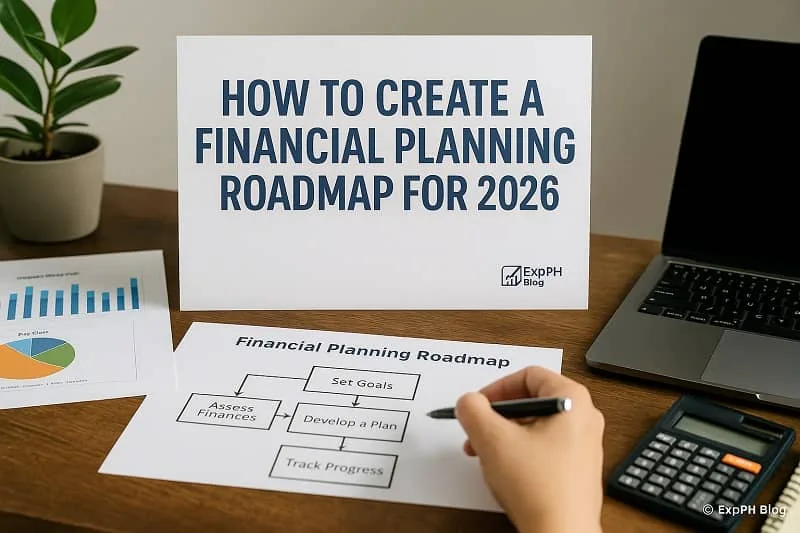
How to Create a Financial Planning Roadmap for 2026
A Financial Planning roadmap acts like a guide that lays out each step needed to reach your goals. This roadmap should be simple, clear, and doable to support steady progress and maintain stronger financial discipline daily.
Step 1: Categorize Your Goals
Divide your goals into short term, medium term, and long term to improve clarity, strengthen planning effectiveness, support consistent progress, increase motivation, guide smarter decisions, and maintain organized financial growth overall.
- Short term goals may include saving for travel or reducing debt.
- Medium term goals may include building a business.
- Long term goals may include retirement or property ownership.
This helps organize your Financial Planning method by improving structure, guiding clearer decisions, supporting better financial habits, increasing overall stability, and helping you stay focused on achieving meaningful progress.
Step 2: Assign Monthly Targets
Break down your goals into manageable monthly amounts. This makes Financial Planning more practical and easier to maintain by supporting steady progress, improving daily discipline, strengthening financial habits, and encouraging consistent long term success.
Step 3: Identify Possible Challenges
Your challenges might include:
- Large bills
- Unexpected expenses
- Income instability
- Overspending
Addressing challenges early helps strengthen your Financial Planning strategy by improving decision making, promoting responsible habits, reducing financial stress, guiding smarter choices, and helping you maintain steady progress throughout every stage of your journey.
Step 4: Track Your Progress
Tracking keeps you focused. It also allows you to adjust your Financial Planning decisions if needed by identifying problem areas early, improving spending awareness, strengthening discipline, and supporting long term financial progress.
Practical Financial Planning Tips for Filipinos in 2026
Below are techniques that make Financial Planning easier, especially for beginners or individuals with busy lifestyles helping you build confidence and maintain steady progress throughout your financial journey.
Automate Your Savings
Automate transfers to your savings or investment accounts. This supports consistent Financial Planning without relying on willpower alone and encourages disciplined habits that strengthen your long term financial stability overall.
Apply the 50-30-20 Rule
Fifty percent for needs, thirty percent for wants, and twenty percent for savings or debt payments. This method supports balanced Financial Planning helping you manage money wisely and maintain responsible budgeting practices consistently.
Limit Unnecessary Spending
Track small purchases like milk tea, food deliveries, online shopping, and subscriptions. Cutting small costs strengthens your Financial Planning results and improves spending awareness while promoting healthier financial habits that support long term success.
Always Compare Prices
Use apps, vouchers, or promos. Smart spending helps your Financial Planning become more effective by guiding better decisions and preventing unnecessary expenses that weaken your long term stability.
Choose the Right Banking Tools
Digital banks often offer higher interest rates, lower fees, and easier tracking, which can improve your Financial Planning flow allowing you to maximize earnings and maintain consistent growth through smarter financial choices daily.
Using Financial Planning to Build Multiple Income Streams
In today’s fast changing world, one income source is often not enough. Good Financial Planning encourages diversified earning opportunities by supporting multiple income strategies that increase stability, strengthen resilience, and provide families financial growth.
Freelancing and Online Work
Many Filipinos earn extra income from writing, design, virtual assistance, editing, tutoring, or social media services helping increase household earnings, support essential needs, strengthen financial stability, and provide valuable opportunities for long term growth.
Selling Products Online
You can sell digital or physical items through e commerce platforms or social media pages to reach more customers, increase sales opportunities, strengthen income potential, and support financial progress consistently to grow your business effectively.
Investing in Dividend Stocks or Funds
This supports passive income growth and strengthens your long term Financial Planning goals by building stable earnings, improving financial discipline, supporting long term strategies, encouraging smarter decisions, and increasing overall financial confidence gradually.
How to Stay Motivated Throughout 2026
Even with proper Financial Planning, staying motivated can be difficult. Here are tips to help you maintain consistency and strengthen your habits as you continue progressing toward meaningful financial improvements.
Celebrate Small Wins
Every achievement is proof that your Financial Planning is working. Celebrate progress to stay motivated and encourage long term discipline while reinforcing confidence through consistent financial improvements achieved.
Use Visual Tracking Tools
Charts, dashboards, or savings trackers keep your goals visible and help reinforce your Financial Planning success by providing constant reminders that strengthen motivation and support ongoing financial discipline effectively.
Review Your Progress Monthly
A monthly review allows you to adjust your goals, improve your methods, and stay aligned with your overall Financial Planning vision while helping you correct mistakes early and maintain strong motivation throughout every month.
Stay Educated
Financial literacy strengthens decision making. The more you learn, the more effective your Financial Planning becomes since knowledge improves confidence and supports smarter choices that lead to better financial outcomes.
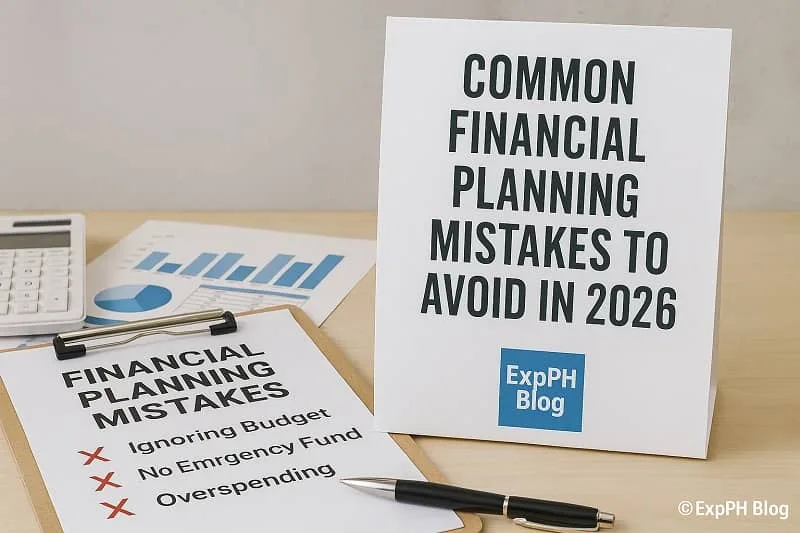
Common Financial Planning Mistakes to Avoid in 2026
Avoiding these mistakes will help protect your financial goals and strengthen your future progress by improving discipline, supporting better habits, and guiding smarter decisions throughout the entire year.
Setting Unrealistic Goals
Goals that are too big or too fast can discourage you. Proper Financial Planning focuses on realistic pacing so you stay motivated, build confidence, and develop steady improvement without feeling overwhelmed or pressured too quickly.
Ignoring Your Budget
A budget is the heart of your Financial Planning structure. Without it, your goals become harder to achieve because you lose clarity, reduce control, weaken discipline, and limit your ability to make informed financial decisions daily.
Not Preparing for Emergencies
Emergencies happen unexpectedly. Ignoring emergency savings weakens your Financial Planning stability making you vulnerable during unexpected situations and limiting your capacity to recover quickly or maintain financial confidence over time.
Making Emotional Financial Choices
Impulse buying, over investing, or unnecessary loans can damage your progress. Good Financial Planning encourages calm and informed decision making while helping you stay focused and financially responsible daily.
How to Adjust Your Financial Planning When Life Changes
Life situations change throughout the year. You might gain or lose income, move to a new location, start a new business, or face unexpected expenses. Effective Financial Planning is flexible and adaptable.
Adjust Your Budget When Needed
A flexible budget makes your Financial Planning more realistic and sustainable to handle unexpected expenses effectively and maintain financial stability throughout the entire year ahead consistently.
Re evaluate Your Priorities
Your needs may shift. Updating your goals helps keep your Financial Planning aligned with your lifestyle so you remain adaptable, focused, confident, and able to pursue meaningful financial goals without stress.
Build More Financial Protection
Increasing your savings, insurance coverage, or investments strengthens your long term Financial Planning helping you build resilience, improve decision making, support future security, and strengthen overall financial stability.
Why 2026 Is the Perfect Year to Strengthen Your Financial Planning
The world is becoming more digital, financial tools are easier to access, and opportunities for extra income are expanding. These changes make 2026 an ideal time to take your Financial Planning seriously by helping individuals improve financial skills, develop better habits, access modern resources, discover new earning options, strengthen discipline, and build greater confidence in managing money daily.
People who begin early tend to achieve better results because they give themselves more room to grow, adjust, and improve. Strong Financial Planning can help you reduce stress, prepare for emergencies, and create a stable future for yourself and your family by building confidence, strengthening discipline, supporting steady progress, and encouraging smarter habits every single day.
Conclusion
Setting realistic financial goals for 2026 becomes much easier when you follow a well designed Financial Planning approach. By understanding your current financial situation, identifying your priorities, creating a clear roadmap, and staying consistent, you can build strong financial habits that last for many years. Financial Planning is not just about money, it is about building confidence, stability, and long term growth.
As you move forward with your personal goals for 2026, let Financial Planning guide your decisions and motivate you to achieve a better financial future. Practice monthly reviews, set clear budgets, automate savings, diversify income sources, prioritize debt reduction, learn investing basics, seek trusted advice, and celebrate milestones to sustain progress over the entire year.
Explore more information related to this topic below.
- Smart Spending Habits to Avoid Living Paycheck to Paycheck
- The 50/30/20 Rule A Filipino’s Guide to Smart Budgeting
- Emergency Funds 101 Why Every Filipino Needs One
- How to Open a Savings Account in the Philippines
- Top 5 Budgeting Apps for Filipinos in 2026
For official source material, click the link below.
- Bangko Sentral ng Pilipinas (BSP) Financial Education
- Securities and Exchange Commission (SEC Philippines)
- Philippine Deposit Insurance Corporation (PDIC)

10 FAQs About How to Set Realistic Financial Goals for 2026.
How do I start effective money management for my 2026 financial goals?
Begin by reviewing your income, expenses, debts, and savings. Once you know your starting point, you can create a clear plan for your 2026 objectives with consistent steps daily.
What makes a financial strategy realistic and achievable?
A realistic financial strategy is based on your actual income, lifestyle, and responsibilities. Divide each goal into smaller monthly targets to make it more manageable and highly sustainable long term.
How can I stay consistent with my budgeting strategy throughout 2026?
Use tracking apps, set monthly reviews, and automate savings so your budgeting strategy becomes a regular habit rather than a challenge with better discipline applied.
How much should I save for an emergency fund in 2026?
Aim for at least three to six months’ worth of living expenses. This provides strong protection and supports long term financial stability during unexpected life situations.
What is the best way to reduce debt while working on my 2026 savings goals?
Start by paying high interest debts first, then gradually reduce the rest. This helps free up more money to support your savings plan and build better habits.
How can I increase my income to support my wealth growth goals for 2026?
Explore freelancing, online work, small businesses, or upskilling. Multiple income streams strengthen your wealth growth strategy and create more financial opportunities.
What types of investments are suitable for beginners in 2026?
Mutual funds, index funds, and digital investment platforms are beginner friendly options that support long term financial progress and steady capital growth.
How do I avoid overspending while following a savings plan?
Track your expenses, compare prices, set spending limits, and avoid impulsive purchases. This helps you stay committed to your savings plan and build smarter discipline.
How often should I review my financial strategy for 2026?
A monthly review works best. This lets you adjust your goals and stay aligned with your priorities as the year progresses with steady improvement.
What should I do if unexpected expenses disrupt my 2026 money goals?
Re evaluate your budget, adjust your targets, and focus on rebuilding your savings plan. Flexibility helps you stay on track despite disruptions and changing circumstances.
Test your financial knowledge and improve your future planning skills.
Every correct answer brings you one step closer to smarter financial habits.
Results


#1. What is the first step in setting financial goals?
#2. What makes a financial goal realistic?
#3. Which rule helps with money distribution?
#4. What should an emergency fund cover?
#5. Which method helps track spending?
#6. Which debt should you pay first?
#7. Which investment is beginner friendly?
#8. How often should you review your goals?
#9. What boosts income growth?
#10. What prevents overspending?
Your effort to learn and improve your financial journey matters.
We appreciate you and invite you to keep exploring ExpPH Blog for more helpful content.
Feel free to comment your quiz experience with us. Your feedback helps us improve and serve you better.

A Filipino web developer with a background in Computer Engineering. Founder of ExpPH Blog and ExpPH Business Guide, creating practical content on OFW guidance, business, finance, freelancing, travel, and lifestyle. Passionate about helping Filipinos grow, he shares insights that educate, empower, and inspire readers nationwide.



Pingback: 7 Powerful Tips for Investing in the Philippines Successfully
Pingback: Which Digital Bank Is Best in the Philippines this 2026 Guide
Pingback: Best Ways to Increase Income for Filipinos and OFWs in 2026.
Pingback: OFW Financial Planning: Build a Strong Foundation in 2026 PH
Pingback: 7 Smart Ways to Balance Family Support and Personal Savings.