How OFWs Can Prepare for a Successful Fish Farming Business in the Philippines
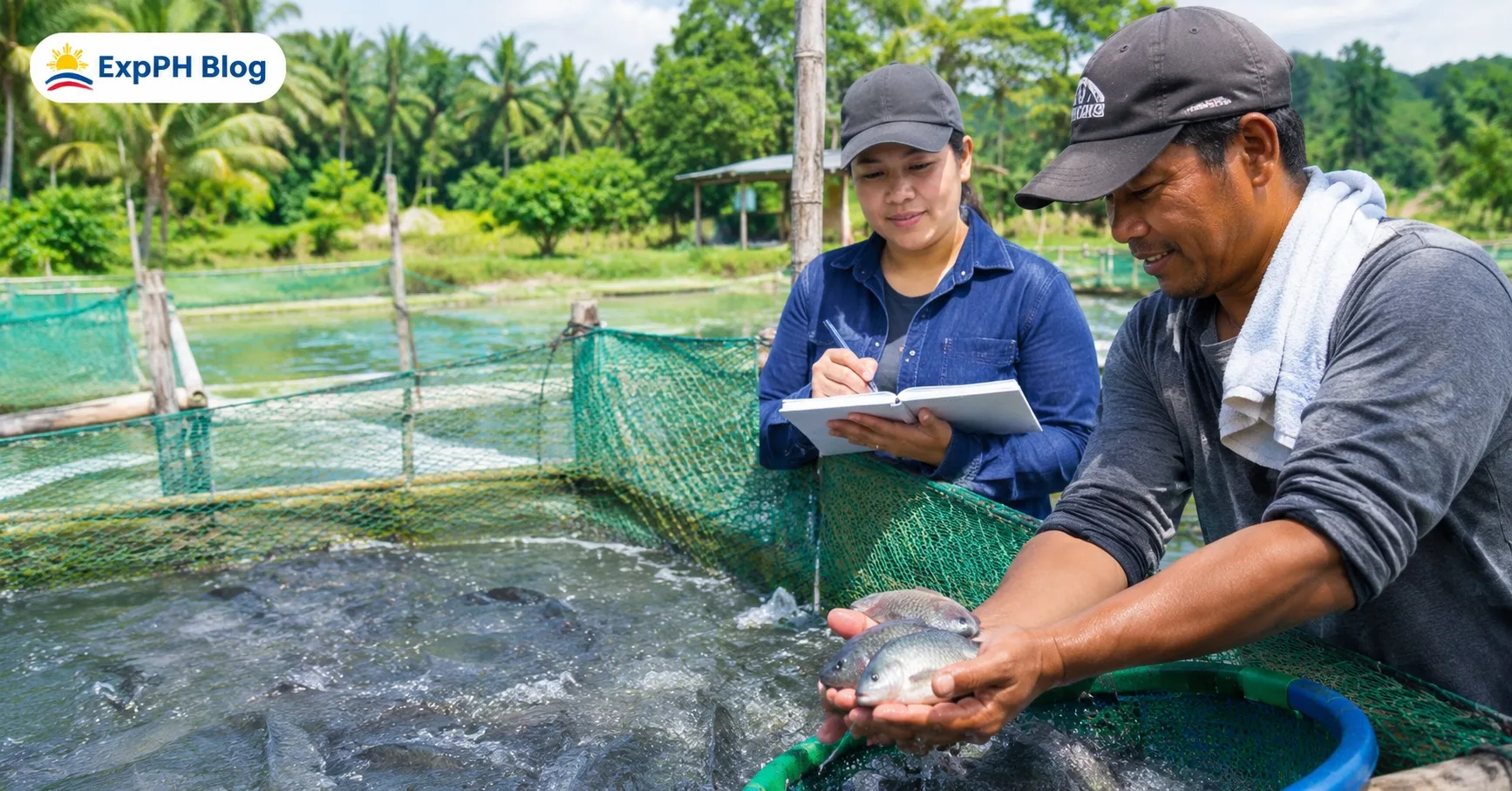
Starting a fish farming business in the Philippines can be an opportunity for Overseas Filipino Workers (OFWs) who want to invest in aquaculture. However, raising fish requires careful preparation, suitable facilities, reliable water sources, and consistent management. Fish Farming Business Planning for OFWs helps aspiring entrepreneurs understand what to prepare before investing their savings in a fish farming operation.
Whether you plan to raise tilapia, bangus, or another suitable fish species, understanding the production requirements, operating costs, and local market demand can help you make better business decisions.
This guide is part of our complete resource on:
Fish Farming Business in the Philippines: Beginner’s Guide for OFWs Investing in Aquaculture
Table of Contents
5 Important Preparations for Fish Farming Business Planning for OFWs
Before purchasing fingerlings or preparing a fishpond, evaluate the resources and responsibilities involved in operating a fish farm.
1. Assess Your Available Land and Water Supply
Your first step is to evaluate the property where you plan to establish your fish farm. Consider whether the available space is suitable for a fishpond, tank, or another fish-raising setup.
Water availability is equally important. Fish need suitable water conditions to grow, so check whether the location has a dependable water source throughout the year. Consider possible water shortages during dry months and the requirements for maintaining water quality.
If you are an OFW investing from overseas, ask a trusted family member or local representative to inspect the property and provide photos and details before you commit your capital.
2. Choose the Right Fish Species
Your choice of fish species should depend on local demand, available resources, and your ability to manage production.
- Tilapia: A familiar food fish in many Philippine communities, with potential buyers in local markets and retail outlets.
- Bangus: A popular fish in the Philippines that may offer selling opportunities depending on your location and production setup.
Research the requirements of your preferred species before making a decision. Consider their growing conditions, feeding needs, production period, and suitability for your available facilities.
3. Prepare Your Fishpond or Tank Facilities
Your fish farming facility should be suitable for the species and production capacity you intend to manage. Evaluate the pond or tank size, water supply, drainage, accessibility, and maintenance requirements.
Depending on your chosen setup, you may need water pumps, aeration equipment, nets, feeding tools, and other supplies. Make sure the facilities can support regular monitoring and cleaning.
Avoid investing in a large facility before understanding the requirements of your planned operation. Your setup should match your available capital and management capacity.
4. Calculate Startup and Operating Expenses
Fish farming involves more than purchasing fingerlings. Prepare a budget covering:
- Fishpond or tank construction and preparation
- Fingerling purchases
- Fish feeds and feeding supplies
- Water pumps and other equipment
- Labor and utilities
- Pond maintenance and water management
- Transportation and distribution
Also prepare funds for recurring expenses throughout the production cycle. Your available capital should be sufficient to support the operation before the fish are ready for sale.
5. Identify Potential Buyers Before Production Begins
A fish farming business needs a market for its harvest. Depending on your location and production capacity, potential customers may include local market vendors, fish retailers, restaurants, households, and fish distributors.
Research local selling prices, customer demand, competing suppliers, and delivery arrangements. Speak with potential buyers to understand their preferred fish species, sizes, and purchasing quantities.
Knowing where you plan to sell your harvest can help you make more realistic production and financial decisions.
One Practical Tip: Start With a Small Fish Farming Setup
Begin with a manageable number of fingerlings instead of immediately investing in a large fishpond or multiple tanks. A smaller operation allows you to understand feeding schedules, water management, fish growth, and local selling conditions without committing too much capital at once.
Keep records of fingerling purchases, feed expenses, fish losses, production results, and sales. Review these records after your first production cycle to identify what worked and what needs improvement before expanding.
One Common Mistake: Investing Without Reliable Farm Supervision
Starting a fish farm without arranging dependable daily management can put your investment at risk. Feeding schedules, water conditions, fish health, and pond maintenance require consistent attention.
This is especially important for OFWs who plan to manage their business while working overseas. Identify a reliable on-site manager, explain the daily responsibilities, and establish a clear system for reporting expenses and production updates.
Conclusion
A fish farming business requires more than investment capital and a suitable location. Fish Farming Business Planning for OFWs involves assessing available resources, choosing suitable fish species, preparing facilities, calculating operating expenses, and identifying potential buyers. Start with a realistic production capacity, establish reliable management, and build your operation gradually.
If you want a complete roadmap for long-term success, read:
Top 10 Small Business Ideas in the Philippines for 2026
Related Guides
- Top 10 Profitable Agribusiness Philippines Ideas for Beginners and OFWs
- Goat Farming Business: Low-Cost Livestock Investment Guide for OFWs

A Filipino web developer with a background in Computer Engineering. Founder of ExpPH Blog and ExpPH Business Guide, creating practical content on OFW guidance, business, finance, freelancing, travel, and lifestyle. Passionate about helping Filipinos grow, he shares insights that educate, empower, and inspire readers nationwide.