How OFWs Can Plan a Successful Vegetable Farming Business in the Philippines
Vegetable farming can be a practical agricultural opportunity for Overseas Filipino Workers (OFWs) who want to establish a source of income after returning to the Philippines. However, successful production requires suitable land, reliable water, proper crop selection, and access to buyers. Vegetable Farming Business Planning for OFWs helps returning workers prepare their resources and understand the responsibilities involved before investing their savings.
Whether you are considering leafy vegetables, tomatoes, or other locally demanded crops, careful planning can help you manage production costs and build a sustainable farming operation.
This guide is part of our complete resource on:
Vegetable Farming and Organic Produce: A Sustainable Business Idea for OFWs Returning Home
Table of Contents
5 Important Considerations for Vegetable Farming Business Planning for OFWs
Before starting a vegetable farm, evaluate the conditions that can affect production, expenses, and sales. A realistic plan helps you choose crops that match your available resources and local market demand.
1. Evaluate Your Available Land
Start by identifying the land you can use for vegetable production. Consider its size, soil condition, drainage, sunlight exposure, and accessibility.
If you own agricultural land, assess whether it is suitable for your preferred crops. If you plan to rent, understand the rental agreement and confirm that the property can support your intended farming activities.
Also check whether reliable water is available throughout the growing season.
2. Choose Vegetables Based on Local Demand
Different vegetables have different growing requirements, production periods, and selling prices. Research what households, market vendors, restaurants, and retailers regularly purchase in your area.
Depending on local conditions, possible crops include:
- Pechay and other leafy vegetables
- Tomatoes
- Eggplant
- Okra
- String beans
- Bitter gourd
Avoid choosing crops based only on their advertised selling prices. Consider growing conditions, production expenses, harvest timing, and the availability of buyers.
3. Calculate Your Startup and Operating Costs
Prepare a budget before purchasing seeds, tools, or farming supplies. Your initial expenses may include land preparation, seeds, fertilizer, irrigation materials, tools, and basic storage facilities.
You should also account for recurring expenses such as water, labor, pest management, transportation, and packaging.
For OFWs, it is important to keep a financial reserve because vegetable farming may experience unexpected production costs, weather disruptions, or changes in market prices.
4. Establish a Reliable Water and Crop Management System
Vegetable crops need appropriate watering, soil preparation, and regular monitoring. The amount of water required depends on the crop, growing stage, soil condition, and weather.
Plan how you will manage irrigation, weeds, pests, and plant diseases. Proper crop management helps maintain plant health and reduces avoidable production losses.
If you will manage the farm from overseas, arrange dependable local supervision and establish a clear schedule for reporting farm activities.
5. Identify Buyers and Selling Arrangements
Before planting, explore possible buyers in your community. Public markets, vegetable retailers, restaurants, and local distributors may provide opportunities to sell harvested produce.
Ask about their preferred vegetables, quality standards, purchase quantities, and delivery arrangements.
You should also consider transportation and storage because harvested vegetables can deteriorate quickly. A reliable selling arrangement helps reduce the risk of having unsold produce.
One Practical Tip: Start With a Small Test Planting
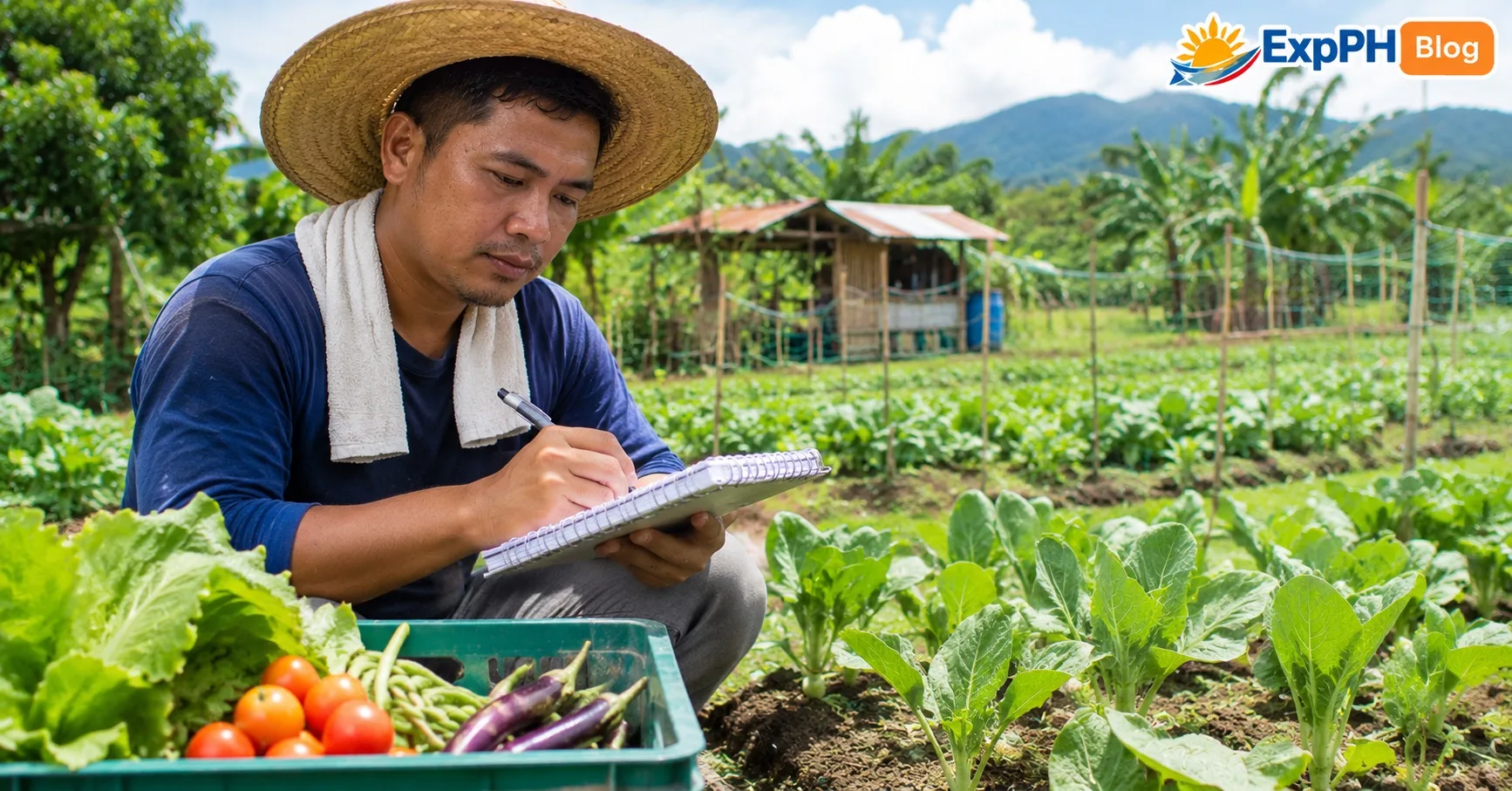
Before investing in a large vegetable farm, use a manageable portion of your available land to test a few suitable crops. Record seed expenses, fertilizer use, labor, harvest quantities, and actual selling prices.
This gives you practical information about local growing conditions and market demand before expanding production.
One Common Mistake: Planting Without Confirming Market Demand
Growing vegetables without identifying potential buyers can lead to unsold harvests and financial losses. Even good-quality produce may become difficult to sell when supply exceeds local demand or transportation arrangements are inadequate.
Research your market and understand potential selling arrangements before committing to a large planting area.
Conclusion
A successful vegetable farm begins with suitable land, careful crop selection, realistic budgeting, and reliable buyers. Vegetable Farming Business Planning for OFWs helps returning workers prepare for these responsibilities before investing in agricultural production. Start with a manageable planting area, monitor your results, and expand when your farming operation becomes more predictable and sustainable.
If you want a complete roadmap for long-term success, read:
Top 10 Small Business Ideas in the Philippines for 2026
Related Guides
- Top 10 Profitable Agribusiness Philippines Ideas for Beginners and OFWs
- Fish Farming Business in the Philippines: Beginner’s Guide for OFWs Investing in Aquaculture

A Filipino web developer with a background in Computer Engineering. Founder of ExpPH Blog and ExpPH Business Guide, creating practical content on OFW guidance, business, finance, freelancing, travel, and lifestyle. Passionate about helping Filipinos grow, he shares insights that educate, empower, and inspire readers nationwide.