
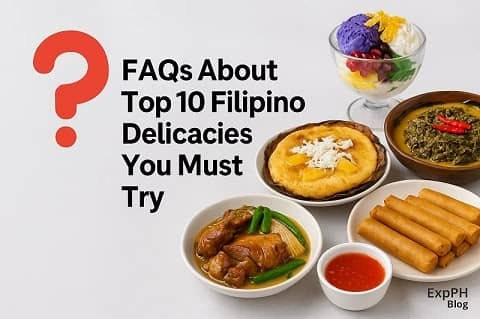
Top 10 Filipino Delicacies You Must Try in 2025
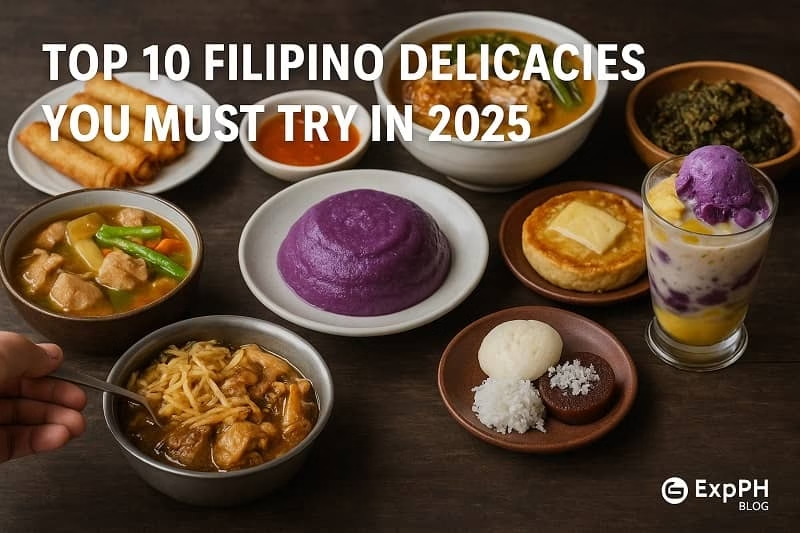
Introduction
Filipino cuisine is one of the most flavorful, comforting, and heartwarming in the world. When people talk about Filipino delicacies, they often think of dishes that bring back childhood memories, family gatherings, and the warm smiles of loved ones sharing food around a table. Food is not just sustenance for Filipinos it’s an expression of love, culture, and identity.
Each region in the Philippines offers its own version of these iconic Filipino delicacies from the rich, meaty stews of Luzon to the spicy coconut-based specialties of Bicol and the fresh seafood creations from Visayas and Mindanao. Every spoonful tells a story one of heritage, family, and Filipino pride.
In 2025, Filipino delicacies continue to gain recognition worldwide as chefs and food lovers abroad discover the depth and creativity of Filipino cooking. Whether you’re a tourist exploring the Philippines for the first time or an OFW craving the comforting flavors of home, this list will guide you through the Top 10 Filipino Delicacies You Must Try in 2025 dishes that perfectly capture the heart and soul of Filipino culture and hospitality.

1. Adobo – The National Comfort Dish
No talk of Filipino delicacies is ever complete without mentioning the all-time favorite adobo. Considered by many as the unofficial national dish of the Philippines, adobo is a perfect balance of savory, tangy, and garlicky goodness. The process is simple: marinate chicken or pork in soy sauce, vinegar, garlic, bay leaves, and peppercorns, then simmer until tender.
What makes adobo one of the most iconic Filipino delicacies is its versatility. Every Filipino family has its own version some prefer it saucy, others dry and crispy; some add potatoes, while others cook it with coconut milk or pineapple for a unique twist. This diversity mirrors Filipino creativity and regional influence.
It’s not just food it’s emotion. The smell of adobo simmering in the kitchen often signals that it’s Sunday lunch or a special family reunion. And no matter where you are in the world, the taste of adobo instantly feels like home.
Adobo has even inspired foreign chefs to experiment with Filipino flavors in 2025, adding this humble dish to fine-dining menus across Asia, Europe, and the U.S. That’s the power of Filipino delicacies simple recipes with universal appeal.
(If you love adobo, check out our guide on The History and Variations of Filipino Adobo on ExpPH Blog.)
2. Lechon – The King of Filipino Feasts
Another legendary Filipino delicacy is lechon the ultimate symbol of celebration. The whole roasted pig, with its golden, crispy skin and tender, flavorful meat, takes center stage at fiestas, weddings, and holidays.
Lechon is more than just food; it’s a tradition that brings people together. The process of roasting the pig over charcoal for hours requires patience, teamwork, and skill. In Cebu, known for having the best lechon in the country, locals infuse the pig with aromatic herbs like lemongrass, garlic, and onions to achieve that signature flavor.
Even world-renowned chef Anthony Bourdain declared Cebu’s lechon as “the best pig ever.” And truly, one bite of perfectly roasted lechon skin with that satisfying crunch will make you understand why it holds a royal spot among Filipino delicacies.
In 2025, many modern restaurants reinvent lechon by serving it in creative forms lechon tacos, lechon ramen, and even lechon burgers while preserving its authentic flavor. This evolution shows how Filipino delicacies can adapt to new food trends while maintaining their traditional soul.
3. Sinigang – Sour, Savory, and Comforting
Among all Filipino delicacies, sinigang has a special place in every Filipino heart. This comforting soup, often described as the “taste of home,” balances sour, savory, and fresh flavors. Its tanginess usually comes from tamarind, but other fruits like guava, calamansi, or even green mango can also be used.
Each household puts its own twist on sinigang. Some prefer sinigang na baboy (pork), while others go for sinigang na hipon (shrimp) or sinigang na isda (fish). No matter the version, it’s always served piping hot, paired with a bowl of steaming rice.
For many Filipinos living abroad, cooking sinigang is a nostalgic experience one that instantly brings back memories of family meals during rainy days. It’s not just soup; it’s comfort in a bowl.
As Filipino delicacies continue to shine globally, sinigang has even been featured in international food magazines as one of the “world’s best soups.” That’s how deeply this dish connects with both Filipinos and foreigners alike.
4. Kare-Kare – The Peanut Stew of Love
Kare-kare is a rich, velvety stew made with oxtail, vegetables, and peanut sauce and it’s one of the most beloved Filipino delicacies. It’s traditionally served with bagoong (shrimp paste) on the side, creating that perfect combination of savory, nutty, and salty.
Legend has it that kare-kare originated from the royal kitchens of pre-colonial Manila or was inspired by Indian curry introduced by immigrants. Whatever its true origin, it has become a staple at Filipino celebrations, especially on Sundays.
The preparation may take hours, but the result is worth it a bowl full of thick, aromatic sauce that’s both luxurious and comforting. In many Filipino homes, kare-kare represents patience, love, and the art of home cooking.
Today, Filipino chefs have elevated kare-kare into gourmet experiences, using wagyu beef or seafood variations. Yet, even with its modern twists, this dish remains a timeless favorite among Filipino delicacies.

5. Halo-Halo – A Sweet, Colorful Summer Treat
Halo-halo, which literally means “mix-mix,” is one of the most iconic Filipino delicacies and a true summer favorite. It’s a vibrant mix of shaved ice, evaporated milk, sweetened fruits, jellies, beans, leche flan, and ube ice cream on top.
The fun part about halo-halo is the experience itself mixing all the ingredients together to create a perfect balance of flavors and textures. Each bite feels like a fiesta in your mouth!
As more people around the world discover Filipino cuisine in 2025, halo-halo is taking the spotlight in global dessert trends. From Tokyo to Toronto, restaurants are proudly showcasing their own versions of this refreshing Filipino delicacy.
Whether enjoyed at a roadside carinderia or a five-star hotel, halo-halo reminds everyone that the joy of Filipino food lies in its diversity, color, and creativity.
6. Bibingka – The Christmas Classic
Few Filipino delicacies can match the nostalgia that bibingka brings. This soft, buttery rice cake cooked in clay pots lined with banana leaves is a Christmas staple. The smell alone, often wafting outside churches after Simbang Gabi, evokes warmth, faith, and festivity.
Topped with salted egg, cheese, and butter, bibingka offers a delightful mix of flavors: sweet, salty, and smoky. For many Filipinos, it’s not Christmas without bibingka and puto bumbong.
Even abroad, Filipinos recreate bibingka using modern kitchen tools, proving that traditions can evolve while keeping their essence alive. In 2025, Filipino bakeries are innovating bibingka flavors from ube bibingka to cheese bibingka deluxe bringing this timeless delicacy to modern palates.
7. Laing – Creamy and Spicy Bicolano Pride
Hailing from the Bicol region, laing is a creamy, spicy dish made from dried taro leaves cooked in coconut milk and chili. It’s one of the most flavorful Filipino delicacies rich, aromatic, and perfectly balanced between spice and creaminess.
Laing showcases the Filipino knack for turning simple, affordable ingredients into something exceptional. It’s a dish that reflects Bicolanos’ love for coconut milk-based dishes and their bold approach to spice.
Served with rice, laing delivers comfort and satisfaction in every bite. It’s humble yet unforgettable the kind of dish that reminds you of home even if you’re miles away. In 2025, laing is gaining more fans abroad as vegan-friendly restaurants feature it as a plant-based Filipino dish, promoting Filipino delicacies to global audiences.
8. Lumpiang Shanghai – The Party Favorite
No Filipino celebration is complete without Lumpiang Shanghai. These crispy, golden rolls filled with ground pork, carrots, and onions are among the most-loved Filipino delicacies. Whether it’s a birthday, fiesta, or reunion, you can bet that Lumpiang Shanghai will be gone before anything else!
Filipinos love sharing food, and Lumpiang Shanghai symbolizes that spirit of generosity and joy. It’s affordable, easy to make, and always satisfying. Even kids who are picky eaters can’t resist it.
In modern catering and restaurants, Lumpiang Shanghai continues to evolve some fill it with cheese, crab, or tofu for a new twist. Despite these innovations, it remains one of the most timeless Filipino delicacies that unite every generation.
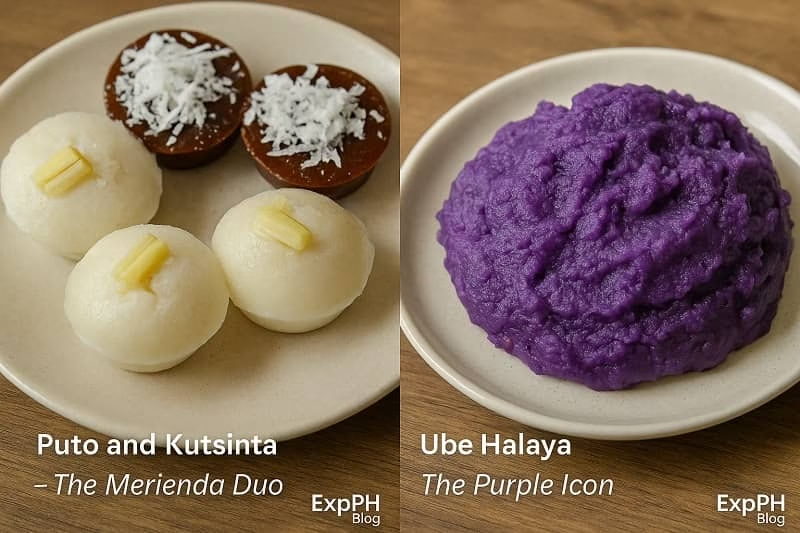
9. Puto and Kutsinta – The Merienda Duo
Afternoons in the Philippines wouldn’t be complete without puto and kutsinta, two timeless Filipino delicacies that have been part of local life for generations. Sold in markets and roadside stalls, these rice cakes are simple yet deeply comforting.
Puto is soft, fluffy, and lightly sweet, often served with cheese on top. Kutsinta, on the other hand, has a chewy texture and a rich caramel-like flavor. When topped with freshly grated coconut, they become the perfect pair.
They remind us of quiet afternoons, merienda with neighbors, or school recess with friends. These delicacies may be simple, but they hold a special place in every Filipino’s heart.
Even as modern snacks come and go, puto and kutsinta remain symbols of Filipino resilience showing that the simplest Filipino delicacies often leave the strongest memories.
10. Ube Halaya – The Purple Icon
Finally, no list of Filipino delicacies would be complete without ube halaya a vibrant purple dessert made from boiled and mashed purple yam mixed with condensed milk and butter. Smooth, creamy, and beautifully colored, it has become a global sensation.
Ube halaya is often used as a base for many Filipino delicacies from cakes and pastries to ice cream and halo-halo. What makes ube unique is not just its flavor, but its ability to represent Filipino creativity and pride.
Across the world, ube has become a trend, featured in cafes and bakeries from Manila to Los Angeles. Yet for Filipinos, it will always be a reminder of home sweet, comforting, and proudly Pinoy.
As we step into 2025, ube continues to dominate dessert trends, with more Filipino entrepreneurs exporting ube-based products abroad sharing a piece of Filipino identity one dessert at a time.
Conclusion
From savory stews to colorful desserts, these Filipino delicacies are more than just food they are the stories of our people, our celebrations, and our shared love for good company. Every dish reflects Filipino values: creativity, adaptability, and warmth.
Each of these Filipino delicacies whether it’s adobo, lechon, or halo-halo tells a story about who we are. They embody a culture that values togetherness, respect, and the joy of sharing a meal.
So whether you’re enjoying adobo in your kitchen abroad or tasting halo-halo under the summer sun, remember that each bite connects you to a long tradition of Filipino pride and togetherness.
For additional Filipino food delicacies, please visit the link below.
- Traditional Filipino Food & Delicacies – Guide to the Philippines
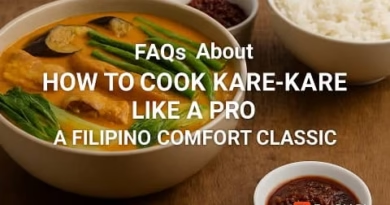
- How to Cook Kare-Kare Like a Pro: A Filipino Comfort Classic
- Panyam Filipino Rice Pancake
- Rendang a Classic Muslim Dish
- Sinigang vs. Tinola Comparison
- 5 Healthy Pinoy Breakfast Ideas
FAQs About Top 10 Filipino Delicacies You Must Try in 2025
1. What makes Filipino delicacies unique compared to other Asian cuisines?
Filipino delicacies stand out because they are a fusion of various cultural influences Malay, Spanish, Chinese, and American yet they retain a distinctly Filipino identity. Each dish combines sweet, salty, sour, and savory elements, creating a flavor balance that’s both comforting and exciting. The creativity and adaptability of Filipino cooks make these delicacies truly world-class.
2. Which Filipino delicacy is considered the national dish of the Philippines?
While the Philippines has no official national dish, adobo is widely regarded as the country’s unofficial one. This beloved Filipino delicacy symbolizes the nation’s love for bold, tangy, and hearty flavors. Its endless regional variations show how Filipino cooking thrives on personal and local creativity.
3. What are the most popular Filipino delicacies for foreigners visiting the Philippines?
Tourists often fall in love with Filipino delicacies like lechon, halo-halo, kare-kare, adobo, and sinigang. These dishes represent the diversity of Filipino flavors from savory stews to sweet, colorful desserts offering visitors a delicious introduction to Filipino food culture.
4. Are Filipino delicacies spicy?
Not all Filipino delicacies are spicy. In fact, most dishes are known for their balanced, savory flavors rather than heat. However, regions like Bicol and Mindanao enjoy spicier dishes such as laing and bicol express, thanks to their love for chili and coconut-based cooking.
5. What are some famous sweet Filipino delicacies?
Some of the most beloved sweet Filipino delicacies include ube halaya, halo-halo, bibingka, puto bumbong, and kutsinta. These desserts often use native ingredients like coconut, rice, ube (purple yam), and brown sugar giving them their signature Pinoy sweetness and texture.
6. How are Filipino delicacies usually served during celebrations?
During fiestas and family gatherings, Filipino delicacies are served buffet-style, encouraging everyone to share and enjoy together. Dishes like lechon, lumpiang shanghai, and pancit are always present. Sweet delicacies such as bibingka and ube halaya complete the table, symbolizing abundance and gratitude.
7. Are there vegetarian or vegan versions of Filipino delicacies?
Yes! Many traditional Filipino delicacies can be made vegetarian or vegan. For example, laing can be prepared without meat, and adobong kangkong (water spinach adobo) is a popular plant-based option. Modern Filipino chefs are also creating vegan-friendly versions of classics using tofu, mushrooms, and coconut-based alternatives.
8. Why is ube halaya considered a modern Filipino delicacy trend in 2025?
Ube halaya has gone global! In 2025, ube continues to trend worldwide for its natural purple color, creamy texture, and distinct flavor. It’s now featured in cakes, doughnuts, lattes, and ice cream. This global rise has made ube halaya one of the most famous Filipino delicacies, representing Filipino creativity on the international stage.
9. What are some must-try regional Filipino delicacies?
Every region has its specialty:
- Bicol: Laing and Bicol Express
- Cebu: Lechon Cebu
- Pampanga: Sisig
- Iloilo: Batchoy
- Davao: Durian-based sweets
Exploring these regional Filipino delicacies gives you a taste of the country’s cultural diversity — each dish telling a story about its people and local ingredients.
10. Where can I learn more about Filipino delicacies and recipes online?
You can explore more about Filipino delicacies through ExpPH Blog, where we feature recipes, cooking tips, and cultural stories behind every dish. Our articles dive deep into regional flavors, culinary traditions, and modern trends in Filipino food perfect for food lovers, OFWs, and travelers wanting to discover the taste of the Philippines.
Ready to test how much you’ve learned about our Top 10 Filipino Delicacies You Must Try?
Take this fun and quick quiz perfect for food lovers who enjoy discovering authentic Filipino delicacies that define our culture.
Let’s see how Pinoy foodie you really are! 🇵🇭
Results


#1. Which Filipino delicacy is known as the unofficial national dish of the Philippines?
#2. Which Filipino delicacy is a roasted pig served during fiestas?
#3. What gives Sinigang its sour flavor?
#4. Which sweet Filipino delicacy is made from purple yam?
#5. Which delicacy is famous during Christmas season in the Philippines?
We appreciate you spending time learning about Filipino delicacies with us.
Don’t forget to comment below your quiz result Are you a Certified Pinoy Foodie or still a Food Explorer in Training?
Your thoughts inspire us to keep sharing stories, flavors, and traditions that celebrate the beauty of the Filipino table.

A Filipino web developer with a background in Computer Engineering. Founder of ExpPH Blog and ExpPH Business Guide, creating practical content on OFW guidance, business, finance, freelancing, travel, and lifestyle. Passionate about helping Filipinos grow, he shares insights that educate, empower, and inspire readers nationwide.
Pingback: Piaya Filipino Delicacy 10 Amazing Facts From Negros PH.
Pingback: 10 Inspiring Tips Panyam Filipino Rice Pancake Must Discover
Pingback: 7 Reasons Why amazing Ginanggang Filipino Street Food is a Must-Try in Mindanao