
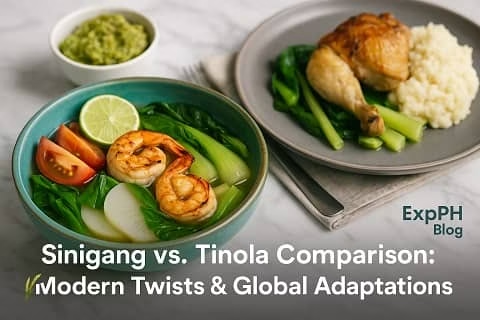
Sinigang vs. Tinola Comparison
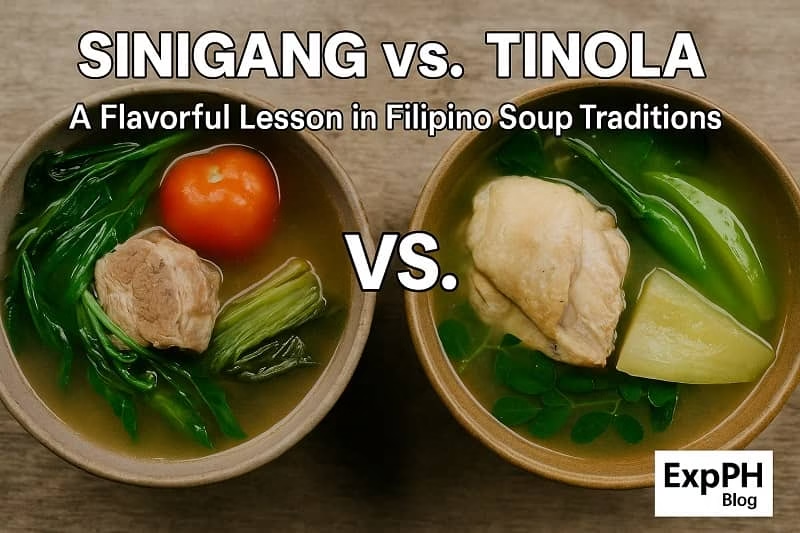
A Flavorful Lesson in Filipino Soup Traditions
Introduction
In the richly diverse world of Filipino cuisine, soups hold a very special place in every household. Whether it’s a rainy afternoon, a family gathering, or a simple weekday dinner, there’s always that comforting aroma of something simmering in the pot, a reminder of home, love, and tradition. Among these beloved dishes, the Sinigang vs. Tinola Comparison stands out as a timeless favorite, showcasing the warmth and culinary creativity of Filipino cooking.
Filipinos have always embraced food not only as nourishment but as an expression of love, culture, and identity. Meals are rarely just about eating; they are moments of bonding, storytelling, and celebration. Among the many dishes that define Filipino comfort food, none spark as much heartfelt discussion as the Sinigang vs. Tinola Comparison two timeless favorites that capture the essence of home-cooked Filipino warmth and tradition.
These two soups, though distinct in taste and preparation, share one purpose, to bring warmth, comfort, and nourishment to the Filipino table. And so begins the Sinigang vs. Tinola Comparison, a culinary exploration that stirs both heart and appetite.
When Filipinos discuss this Sinigang vs. Tinola Comparison, they’re not just talking about flavors. They’re celebrating heritage, comfort, and Filipino pride. Both soups represent love, family, and the creativity of home cooking.
What’s even more fascinating in the Sinigang vs. Tinola Comparison is that both are not only delicious but also nutritionally rich. Each bowl provides a perfect balance of protein, vitamins, minerals, and antioxidants, making them both flavorful and functional meals. Whether for boosting immunity, supporting digestion, or simply finding comfort after a long day, these soups have stood the test of time as icons of Filipino nourishment and tradition.
Filipino cuisine has a remarkable way of turning simple ingredients into soul-satisfying meals. That’s what makes this Sinigang vs. Tinola Comparison so special, it’s not just about which one tastes better, but which one speaks to your soul.
So grab your spoon, a bowl of rice, and let’s dive deep into this flavorful journey!
1. Understanding the Classics
1.1 What Is Sinigang?
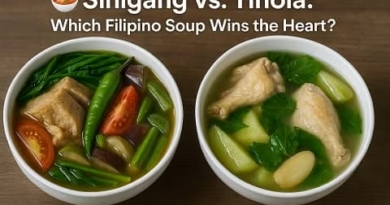
If there’s one dish that instantly makes Filipinos nostalgic, it’s Sinigang. Known for its signature sour broth, this Filipino classic is often described as the ultimate comfort food, hearty, tangy, and deeply satisfying. In the context of the Sinigang vs. Tinola Comparison, Sinigang stands out for its bold flavor and the emotional warmth it brings to Filipino families across generations.
The name “Sinigang” comes from the Tagalog word sigang, meaning “to stew.” Historically, Filipinos cooked sinigang using tamarind pods, guava, or even raw mangoes as natural souring agents. The dish’s origin can be traced back to pre-colonial times, when early Filipinos used local fruits to flavor broths, long before commercial mixes existed. In the Sinigang vs. Tinola Comparison, this historical depth highlights how Sinigang evolved as a reflection of Filipino ingenuity, using nature’s abundance to create warmth and comfort in every bowl.
Today, Sinigang comes in many forms, sinigang na baboy (pork), sinigang na hipon (shrimp), sinigang na bangus (milkfish), and even sinigang na baka (beef). Each region puts its own twist depending on the fruits available locally, showcasing the creativity of Filipino cooking. In the Sinigang vs. Tinola Comparison, this variety proves how Sinigang continues to evolve across the Philippines, adapting to local ingredients while preserving its distinct, tangy character that Filipinos love.
Traditional Sinigang is cooked by simmering meat or seafood with tomatoes, onions, garlic, kangkong, sitaw, okra, and radish. A dash of fish sauce (patis) is then added for umami depth, completing its one-of-a-kind sour-salty balance. In the Sinigang vs. Tinola Comparison, this meticulous layering of flavors showcases why Sinigang is often praised for its complexity, a dish that harmonizes tanginess, savoriness, and comfort in every spoonful.
Every spoonful of Sinigang feels like a warm embrace, a bowl that comforts the weary and uplifts the spirit, especially during cold or rainy days. In the context of the Sinigang vs. Tinola Comparison, this heartwarming quality reminds Filipinos why Sinigang continues to be a favorite symbol of home, comfort, and togetherness across generations.
Nutritional Benefits of Sinigang
Sinigang is more than just flavorful, it’s a nutrient powerhouse.
- Rich in Vitamin C from tamarind, tomatoes, and vegetables strengthens immunity and skin health.
- High in dietary fiber from kangkong, okra, and radish, promotes digestion and prevents constipation.
- Contains potassium, iron, and magnesium, supports heart function, muscle performance, and energy levels.
- Antioxidant-packed broth helps neutralize toxins and reduce inflammation.
- Low in calories and fat when prepared with fish or lean meat, perfect for weight-conscious eaters.
- Sour broth stimulates appetite, making it ideal for recovery and energizing the body.
In modern nutrition, sinigang is often recognized as a Filipino detox soup, cleansing the body while providing essential nutrients.
1.2 What Is Tinola?
If Sinigang is bold and lively, Tinola is calm, gentle, and nurturing, the chicken soup for the Filipino soul. In the Sinigang vs. Tinola Comparison, Tinola represents the softer side of Filipino comfort food, simple yet deeply nourishing, reminding every Filipino of warmth, care, and home-cooked love.
Tinola’s origins trace back to the 19th century, when it was famously mentioned in José Rizal’s novel Noli Me Tangere, where Kapitan Tiago served it to guests a gesture of comfort and hospitality. This literary moment highlights how Tinola has long been tied to Filipino family traditions and values. In the broader Sinigang vs. Tinola Comparison, Tinola stands out as a symbol of care and warmth a dish that reflects the nurturing spirit of Filipino households throughout history.
Typically, Tinola is made by sautéing chicken with garlic, onions, and ginger, then simmering it in water or rice wash (hugasan ng bigas) for that distinct homemade flavor. Slices of green papaya or chayote are added for a soft, subtle sweetness, and the dish is finished with malunggay or sili leaves for extra nutrition and aroma. In the Sinigang vs. Tinola Comparison, Tinola’s simplicity stands out it transforms everyday ingredients into a nourishing meal that embodies the Filipino values of care, warmth, and love shared at the dining table.
Unlike Sinigang’s tangy punch, Tinola’s flavor is mild, gingery, and soothing a gentle contrast that highlights the balance between the two classics in the Sinigang vs. Tinola Comparison. Tinola is a dish that nurtures both body and spirit, often served to sick family members or enjoyed as a comforting meal after a long, tiring day. Its simplicity, warmth, and healing quality make it a true symbol of Filipino care and compassion.
Nutritional Benefits of Tinola
Tinola may seem simple, but it’s a nutritional gem:
- Ginger reduces inflammation, aids digestion, and relieves sore throats.
- Malunggay leaves are rich in calcium, vitamin A, vitamin C, and iron, great for immune health and strong bones.
- Papaya and chayote provide fiber, vitamin C, and natural digestive enzymes.
- Chicken offers lean protein essential for tissue repair and energy.
- Broth rehydrates and replenishes electrolytes, perfect for flu or fatigue.
- Low in sodium and cholesterol, making it heart-friendly.
Tinola is truly a healing dish, nourishing the body while soothing the mind.
Beyond nutrition, tinola’s gentle flavor symbolizes Filipino compassion, always ready to comfort and heal.
For an authentic guide, see Panlasang Pinoy’s Tinola Recipe.
2. Regional Variations and Culinary Adaptations
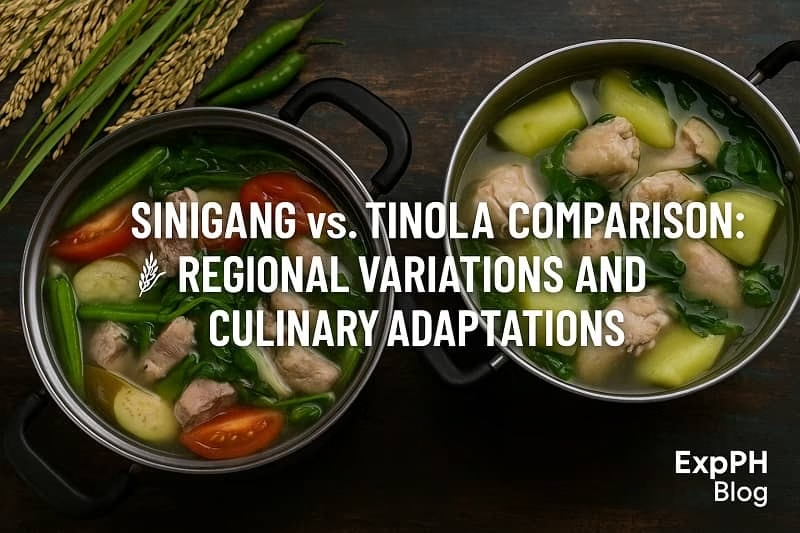
Beyond flavor and nostalgia, the Sinigang vs. Tinola Comparison tells the story of regional identity across the Philippines. Each version of these beloved soups reflects the diverse ingredients, traditions, and cooking styles that make Filipino cuisine so rich and unique.
In Luzon, Sinigang is a staple, rich, sour, and loaded with fresh vegetables that bring both flavor and nutrition. In the Visayas, cooks often use batuan or iba fruit as natural souring agents, giving the broth a lighter and more refreshing tang. Meanwhile, in Mindanao, Sinigang may include lemongrass or coconut milk, reflecting southern influences and a touch of regional creativity. These diverse preparations highlight how, in the Sinigang vs. Tinola Comparison, each region adds its own cultural identity and local flavor, making every bowl a true taste of the Philippines.
Tinola, meanwhile, is more uniform across the country, yet subtle regional variations give it a unique charm. Ilocanos often use malunggay leaves for their earthy flavor, Tagalogs favor sili leaves for a hint of spice, and Bicolanos sometimes add gata (coconut milk) for a creamy twist that enhances the broth’s richness. In the Sinigang vs. Tinola Comparison, these delicate differences reveal how Tinola maintains its comforting identity while adapting beautifully to local tastes and regional traditions across the Philippines.
These regional touches beautifully reflect how adaptable Filipino cuisine is, using what’s local, fresh, and abundant to create comforting dishes that speak of both tradition and creativity. In the context of the Sinigang vs. Tinola Comparison, this adaptability showcases how both soups evolve with regional ingredients while staying true to their Filipino roots and timeless appeal.
3. Key Ingredients & Flavor Profiles
3.1 Sinigang’s Signature Sour-Savory Punch
In this Sinigang vs. Tinola Comparison, sinigang shines with its vibrant sourness and deep savory undertone.
The heart of Sinigang lies in its souring ingredient with tamarind being the most traditional and beloved choice. Filipino creativity, however, shines through in regional variations: guava in Batangas, green mango in Iloilo, or batuan fruit in the Visayas, each adding a unique twist to this comforting classic. In the Sinigang vs. Tinola Comparison, these regional adaptations highlight Sinigang’s flavorful diversity and the Filipino talent for transforming simple, local ingredients into dishes that warm both the body and the soul.
Its flavor is dynamic, sour yet perfectly balanced, with an umami kick from patis (fish sauce) and slow-simmered meat juices. The vegetables absorb the broth’s rich essence, creating a symphony of flavor with every spoonful. In the Sinigang vs. Tinola Comparison, this depth of taste is what makes Sinigang truly unforgettable, a bold, tangy experience that awakens the senses and celebrates the Filipino love for complex, hearty soups.
Health Boost: In the Sinigang vs. Tinola Comparison, Sinigang’s natural acidity helps the body absorb iron more efficiently, supports healthy digestion, and stimulates appetite. Its bright, tangy broth also hydrates and refreshes perfect for tropical weather and post-meal palate resets.
3.2 Tinola’s Gentle, Warming Broth
Tinola captures simplicity at its finest. Its flavor is clean, comforting, and slightly spicy from the warmth of fresh ginger, while the soothing aroma alone can make anyone feel instantly at home. In the Sinigang vs. Tinola Comparison, Tinola stands out for its purity and heartwarming simplicity a dish that embraces the Filipino spirit of care, healing, and togetherness in every bowl.
The dish uses minimal ingredients yet delivers deep satisfaction proof that true comfort doesn’t require complexity. The subtle sweetness of papaya blends beautifully with the mild bitterness of malunggay leaves, creating a naturally balanced and nourishing taste. In the Sinigang vs. Tinola Comparison, this simplicity is what makes Tinola special a humble soup that embodies Filipino warmth, harmony, and the beauty of home-cooked care.
Health Boost: In the Sinigang vs. Tinola Comparison, Tinola proves to be the gentler yet equally powerful choice for wellness. The combination of ginger and garlic supports heart health, boosts immunity, and clears sinuses naturally. Its warm, light broth is also an excellent remedy for colds, sore throats, or low appetite, making Tinola a healing comfort food that nourishes both body and soul.
4. Nutrition & Health Benefits
While both dishes are packed with nutrients, they serve different nutritional roles in a balanced Filipino diet.
4.1 Sinigang – Vegetables in Every Pot
Top Health Benefits of Sinigang:
- Detoxifies the body: Tamarind and vegetables act as natural cleansers.
- Enhances metabolism: The broth’s acidity boosts calorie burn.
- Improves digestion: Fiber from okra and sitaw promotes gut health.
- Hydrates and energizes: The broth replenishes fluids and electrolytes.
- Reduces inflammation: Tomatoes and radish are rich in anti-inflammatory compounds.
Expert Tip: Replace pork with shrimp, fish, or tofu for a lighter, high-protein version.
4.2 Tinola – Comfort & Healing in a Bowl
Top Health Benefits of Tinola:
- Boosts immunity: Ginger and malunggay fight bacteria and viruses.
- Improves digestion: The warm broth relaxes the digestive system.
- Strengthens bones and joints: Malunggay provides calcium and magnesium.
- Supports respiratory health: Ginger clears airways and reduces congestion.
- Hydrating and light: Perfect for those recovering from fever or fatigue.
Did You Know? Tinola is often recommended for nursing mothers because malunggay boosts breast milk production.
5. Cultural Significance & Symbolism
Food in the Philippines isn’t just sustenance, it’s a reflection of love, generosity, and togetherness. In the Sinigang vs. Tinola Comparison, this deep cultural connection becomes clear, as both soups symbolize how Filipinos express care, unity, and the warmth of family through every comforting bowl they share.
- Sinigang symbolizes resilience and adaptability, just as Filipinos adjust the soup’s sourness to taste, they adapt to life’s challenges.
- Tinola represents care and compassion. It’s often served to someone sick, tired, or homesick.
Both remind Filipinos of the values that define their culture: family, unity, and hospitality.
In the Filipino diaspora, OFWs abroad often bring instant sinigang mix or dried tamarind as a taste of home a small reminder of the warmth they grew up with. Tinola, with its simple and accessible ingredients, also offers comfort to those far from their families. In the Sinigang vs. Tinola Comparison, both dishes serve as emotional lifelines for Filipinos overseas powerful symbols of belonging, nostalgia, and the enduring connection to home through food.
6. Occasions & Perfect Pairings
There’s nothing quite like sinigang on a rainy day the tangy broth warms the body and lifts the mood.
Tinola, meanwhile, shines on quiet evenings, its gentle warmth echoing a mother’s care.
When to Choose Sinigang
- Rainy or cold days
- Family gatherings
- Craving something bold
Best Pairings:
- Steamed rice
- Fried fish or crispy pork belly
- Chili-fish sauce dip
When to Choose Tinola
- Regular weekdays
- After a long day
- For recovery meals
Best Pairings:
- Garlic rice
- Fried lumpia or grilled bangus
- Calamansi or soy sauce dip
Both soups perfectly complement Filipino side dishes like ensaladang talong, itlog na maalat, or fried tofu, creating a balanced and satisfying meal that reflects the heart of traditional home cooking. In the Sinigang vs. Tinola Comparison, these pairings show how each soup brings out the best in classic Filipino flavors from the tangy freshness of Sinigang to the gentle warmth of Tinola.
7. Modern Twists & Global Adaptations
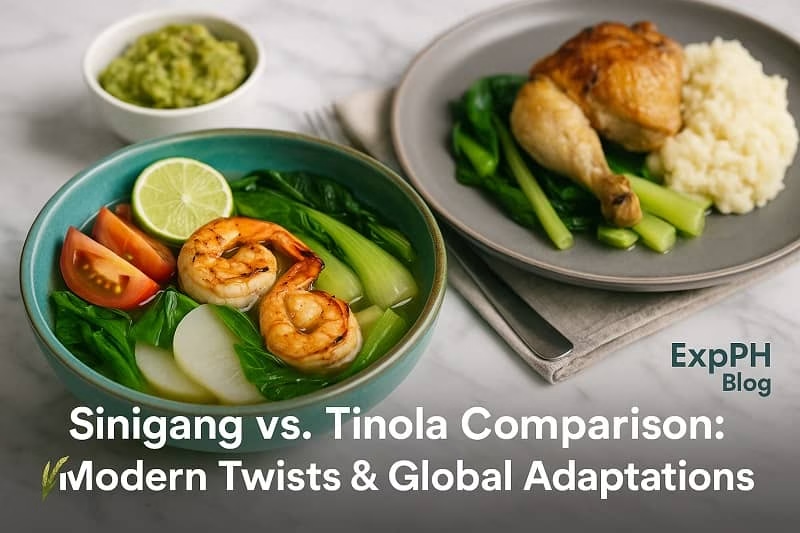
Filipino chefs worldwide have reimagined these classics:
- Sinigang Ramen: Japanese noodles in tamarind broth.
- Tinola Risotto: Italian rice infused with ginger broth.
- Sinigang Fried Rice: tangy rice with pork belly and kangkong.
- Vegan Tinola: tofu, malunggay, and coconut milk base.
These modern takes prove that Filipino flavors can go global without losing authenticity.
8. Filipino Voices: Which One Do People Prefer?
Ask ten Filipinos which they prefer, and you’ll get ten heartfelt answers.
A 2023 Taste Atlas survey ranked Sinigang as the World’s Best Soup, beating ramen and pho — proof of its universal appeal. Meanwhile, Tinola remains the quiet favorite for its comforting nature.
- “Sinigang reminds me of home when it rains.”
- “Tinola is my lola’s hug in a bowl.”
Both are emotional symbols of Filipino warmth and resilience.
9. Comparative Nutrition Chart
| Category | Sinigang | Tinola |
|---|---|---|
| Primary Protein | Pork, shrimp, fish | Chicken |
| Main Flavor | Sour, savory, tangy | Mild, gingery |
| Vegetables | Kangkong, okra, radish, sitaw | Papaya, chayote, malunggay |
| Calories (1 cup) | 180–220 kcal | 200–250 kcal |
| Protein | 12–18g | 20–25g |
| Vitamin C | Very high | Moderate |
| Iron | Good | Good |
| Fat | Low | Low |
| Fiber | High | Moderate |
| Cooking Time | 1–1.5 hours | 30–45 minutes |
| Best Season | Rainy days | All seasons |
| Comfort Level | Bold and stimulating | Gentle and calming |
10. Cooking Tips & Mistakes to Avoid
For Sinigang:
- Don’t overboil the tamarind mix, it can make the soup bitter.
- Add vegetables in stages to keep them crisp.
- Balance sourness with patis, not salt.
- Use fresh tamarind pulp for richer depth.
For Tinola:
- Sauté ginger first to release aroma.
- Avoid overcooking papaya, it should be tender, not mushy.
- Add greens last to preserve color and nutrients.
- For deeper flavor, simmer bones before adding chicken meat.
11. Final Verdict – Which Soup Wins the Heart?
After exploring the Sinigang vs. Tinola Comparison in flavor, nutrition, and culture, one truth remains both dishes are timeless symbols of the Filipino spirit.
If you crave zesty excitement, go for Sinigang.
If you seek gentle healing, choose Tinola.
Each soup captures a different side of Filipino life the fiery spirit of sinigang and the tender heart of tinola. Both are winners, because they represent two halves of the same Filipino soul.
Final Thought
When faced with the Sinigang vs. Tinola Comparison, think beyond taste. Think of the laughter during dinner, the stories shared over steaming bowls, and the comfort that lingers long after the meal ends.
Food like this reminds us that heritage lives in our kitchens.
And whether you’re an OFW missing home or a curious food lover learning Filipino culture, a bowl of sinigang or tinola is a delicious way to reconnect with your roots.
In this Sinigang vs. Tinola Comparison, whichever soup you choose, know that you’re not just eating you’re celebrating the Filipino heart, one spoonful at a time.
Expand your understanding with the links prepared below.
- Sinigang vs. Tinola
- 5 Healthy Pinoy Breakfast Ideas
- Panyam Filipino Rice Pancake – A Sweet Mindanaoan Treat
- Rendang: The Filipino Muslim Take on a Southeast Asian Culinary Classic
- How to Cook Kare-Kare Like a Pro: A Filipino Comfort Classic

FAQs about Sinigang vs. Tinola Comparison
1. What is the main difference between Sinigang and Tinola?
Sinigang is a sour soup flavored with tamarind or other fruits, while Tinola is a clear, gingery chicken soup. Sinigang is tangy and bold, while Tinola is mild and soothing.
2. Which soup is healthier Sinigang or Tinola?
Both are healthy! Sinigang is rich in vegetables and Vitamin C, while Tinola is higher in protein and calcium due to its chicken and malunggay content.
3. Can I make Sinigang or Tinola vegetarian or vegan?
Yes. You can replace meat with tofu or mushrooms. For Tinola, use vegetable broth with ginger and malunggay; for Sinigang, use tamarind base with assorted vegetables.
4. Why is Sinigang popular during rainy days?
Its warm, sour broth brings comfort and helps improve appetite. The hot soup also soothes the body during cold or gloomy weather.
5. Is Tinola good for people who are sick?
Absolutely. Tinola is light, hydrating, and packed with nutrients that aid recovery. The ginger helps relieve colds and boosts immunity.
6. What are the best vegetables to use for Sinigang?
Kangkong, okra, sitaw, radish, tomatoes, and eggplant are common. You can also add gabi (taro) for a thicker texture.
7. What can I use as a souring agent for Sinigang besides tamarind?
You can use guava, calamansi, kamias, green mango, or batuan, each gives a unique regional twist.
8. Can I use other meats for Tinola aside from chicken?
Yes! Tinola can be made with fish, pork, or even seafood. Each variation brings a different depth of flavor.
9. How long should I cook Sinigang and Tinola?
Sinigang usually takes 1 to 1.5 hours to fully develop its flavors. Tinola is quicker around 30 to 40 minutes is enough.
10. Which soup best represents Filipino culture?
Both! Sinigang reflects the Filipino’s love for bold, balanced flavors, while Tinola represents warmth, care, and family tradition.
Let’s see how well you know your Filipino soups in this “Sinigang vs. Tinola Comparison” quiz.
Each question is quick and easy perfect for testing your foodie knowledge on these classic Filipino comfort dishes.
Results


#1. What fruit is most commonly used to make Sinigang sour?
#2. Which main ingredient defines Tinola’s flavor?
#3. What meat is most traditional in Tinola?
#4. Which dish is known for its sour taste?
#5. Which leafy vegetable is usually added to Tinola?
#6. What makes Sinigang a good rainy-day meal?
#7. What quality best describes Tinola?
#8. Which soup contains more mixed vegetables?
#9. Which soup is best for someone sick?
#10. What value do both Sinigang and Tinola symbolize in Filipino culture?
Great job exploring the flavorful world of Filipino soups!
If you enjoyed this, share your quiz result in the comments below we’d love to hear if you’re Team Sinigang or Team Tinola!

A Filipino web developer with a background in Computer Engineering. Founder of ExpPH Blog and ExpPH Business Guide, creating practical content on OFW guidance, business, finance, freelancing, travel, and lifestyle. Passionate about helping Filipinos grow, he shares insights that educate, empower, and inspire readers nationwide.
Pingback: 🍲 5 Reasons Why Sinigang vs. Tinola Is the Ultimate Filipino Comfort Food Battle That Warms the Soul
Pingback: 7 Secrets of Kare-Kare Recipe for Ultra Filipino Comfort Food
Pingback: Top 10 Amazing Filipino Delicacies You Must Try in 2025 Today
Pingback: History of Adobo 10 Fascinating Secrets You Must Know Today.