

Building Better Relationships Through Effective Communication
Introduction
Strong relationships do not happen overnight. They grow through trust, understanding, respect, and most importantly, communication. Many people want better relationships, whether with partners, family members, friends, or coworkers, but they struggle because they were never taught how to communicate effectively. This is where Relationship Communication becomes an essential skill. When people learn how to express their thoughts clearly, listen deeply, and respond with empathy, they begin to build healthier connections and stronger bonds.
This long form guide explores the different elements of Relationship Communication, why it matters, how to practice it daily, and how it can transform the way you connect with others. If you want to level up your relationships, this is your roadmap filled with practical insights that support lasting growth, deeper understanding, and meaningful positive change in everyday life.
Understanding the Importance of Relationship Communication
Healthy relationships depend on communication that is honest, respectful, and meaningful. Relationship Communication helps people feel heard, valued, and understood. Without it, misunderstandings grow, trust declines, and emotional distance increases.
Why Communication Shapes Every Relationship
Every interaction you have, whether positive or negative, is influenced by communication. When you express yourself clearly and listen with intention, you reduce confusion and strengthen trust. Relationship Communication guides how people share emotions, solve problems, and express appreciation.
The quality of your communication often reflects the quality of your relationships. When you struggle to communicate, even small issues can escalate. When you communicate well, challenges feel manageable and strengthen overall relationship resilience.
Relationship Communication Builds Emotional Safety
Emotional safety means feeling comfortable enough to express your true thoughts without fear of judgment. Good Relationship Communication creates this environment. It encourages honesty, vulnerability, and openness, building deeper trust between partners.
When two people feel emotionally safe, they work as a team instead of opponents. They support each other’s feelings, even during disagreements. This leads to deeper connection and lasting intimacy, strengthening their bond over time.
The Core Elements of Effective Relationship Communication
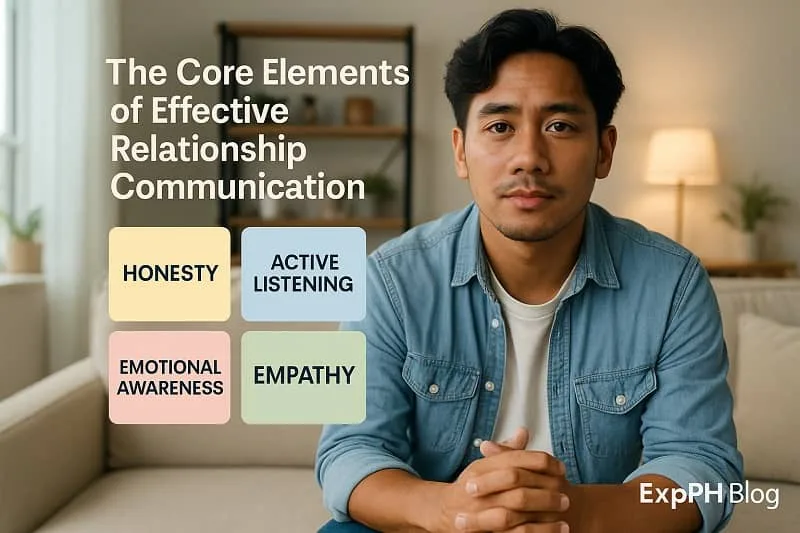
Communication is more than speaking. It includes listening, understanding body language, interpreting tone, and responding appropriately. Strong Relationship Communication depends on several core elements that work together to create meaningful conversations.
Clear and Honest Expression
People often hide their true feelings because they fear conflict or rejection. However, clarity leads to healthier communication. When you speak clearly and honestly, you help others understand your needs and expectations, fostering stronger emotional connection overall.
Using simple language and stating your emotions directly is a powerful step toward better Relationship Communication. It reduces confusion and helps prevent resentment in many everyday situations, strengthening clarity within relationships consistently.
Active Listening
Listening is just as important as speaking. Active listening means paying full attention, avoiding interruptions, and showing genuine interest in what the other person is saying. It also includes asking questions and summarizing their points to ensure understanding.
Active listening strengthens trust and builds respect. It also creates a foundation for positive Relationship Communication by showing that every voice matters in many meaningful conversations every day, reinforcing mutual understanding further.
Emotional Awareness
Understanding your emotions helps you communicate more effectively. When you recognize your feelings, you can express them calmly instead of reacting impulsively. Emotional awareness allows you to discuss problems without escalating tension.
Stronger emotional intelligence supports better Relationship Communication because it helps you respond thoughtfully rather than emotionally while creating deeper understanding in many meaningful daily interactions overall.
How Relationship Communication Improves Connection
When communication improves, relationships naturally become stronger. People feel more connected, more appreciated, and more secure as trust deepens and meaningful understanding grows in daily interactions, fostering healthier emotional bonds overall.
Builds Trust and Respect
Trust grows when people consistently communicate with honesty and empathy. Respect follows when individuals feel valued and understood. Relationship Communication creates these positive experiences through clear expression and active listening.
Reduces Conflicts and Misunderstandings
Most conflicts do not come from major issues. They come from miscommunication. When people assume instead of asking or react instead of listening, small disagreements intensify in many everyday situations, creating deeper relational strain overall.
Strong Relationship Communication prevents unnecessary arguments by promoting clarity and calm problem solving while encouraging mutual respect understanding and cooperation in many everyday situations, leading to stronger shared harmony.
Encourages Mutual Growth
Healthy relationships involve learning together and adapting to one another. Communication helps both people understand each other’s needs, goals, and boundaries. Relationship Communication encourages cooperation and supports each person’s personal development.
Practical Relationship Communication Techniques You Can Use Today
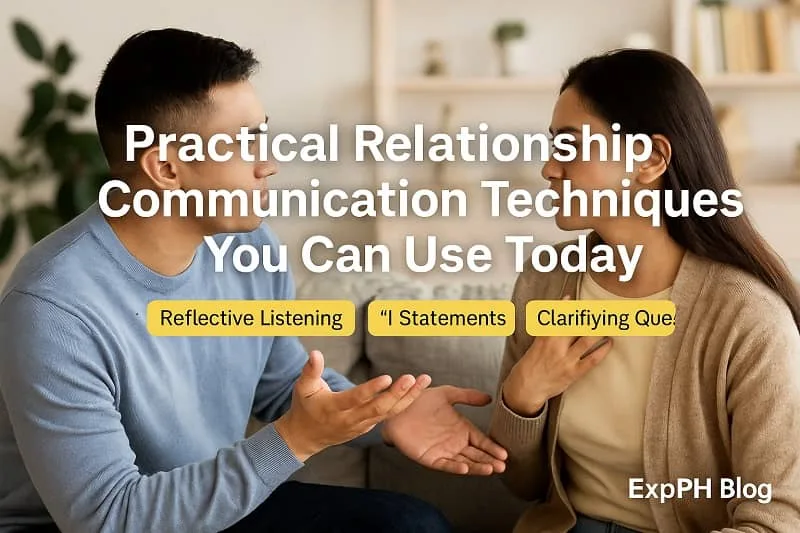
You do not need to master everything at once. Even small changes can significantly improve your communication habits and help strengthen relationships in many meaningful ways every day, supporting growth in healthier connections.
Use I Statements Instead of You Statements
I statements help express feelings without blaming or attacking the other person. For example:
- “I feel hurt when plans change suddenly”
sounds better than - “You always cancel and ruin everything.”
This technique improves Relationship Communication because it focuses on emotions rather than accusations and helps create calmer discussions that support understanding in many challenging situations while encouraging empathy during conflict resolution.
Practice Reflective Listening
Reflective listening means repeating the other person’s message in your own words. This confirms understanding and avoids misinterpretation. It also shows empathy, which strengthens Relationship Communication and deepens trust between individuals.
Maintain Eye Contact and Positive Body Language
Nonverbal cues shape how your message is perceived. Open posture, eye contact, nodding, and leaning slightly forward signal interest and respect. These gestures improve Relationship Communication by making conversations more genuine and engaging.
Ask Questions to Deepen Understanding
Curiosity helps you uncover details, motivations, and emotions that the other person may not express immediately. Asking thoughtful questions shows that you care about their perspective. This approach builds stronger Relationship Communication and deeper emotional connection.
Relationship Communication in Romantic Partnerships
Romantic relationships require consistent effort and understanding. Communication becomes even more important when emotions run high and influence choices during many meaningful moments together, guiding couples toward stronger unity.
Expressing Needs Clearly
Many conflicts in relationships happen because individuals expect their partners to read their minds. Clear communication about needs and feelings helps prevent misunderstandings in many daily situations today, promoting healthier relational understanding overall.
Relationship Communication encourages couples to speak honestly about expectations, desires, and concerns while building trust and strengthening emotional understanding in their daily lives together, supporting healthier partnership development overall.
Listening Without Getting Defensive
Defensiveness blocks communication. Instead of preparing counterarguments, focus on understanding your partner’s perspective. This builds emotional safety and enhances Relationship Communication for deeper connection and fosters mutual growth together.
Resolving Conflicts Calmly
Conflicts are normal, but how you handle them defines the relationship. Use soft tones, avoid hurtful words, and stay focused on solutions rather than blame. Effective Relationship Communication helps couples solve disagreements respectfully.
Relationship Communication Within Families
Family relationships can be complicated, especially when generations have different communication styles, creating challenges that require patience, understanding, empathy, and consistent effort from everyone while strengthening connection across generations.
Encouraging Open Dialogue
Families benefit from conversations where everyone feels welcome to share their thoughts. Relationship Communication within families promotes understanding and cooperation across different ages and personalities, fostering stronger relationships over time.
Managing Emotional Triggers
Family issues often involve deep emotions. Recognizing triggers and responding calmly prevents heated arguments. Relationship Communication helps create harmony by encouraging empathy and respect within families during difficult moments together.
Strengthening Parent Child Communication
Children learn communication habits from their parents. When parents use positive communication strategies, children develop better emotional intelligence. Relationship Communication improves the bond by making children feel supported and understood.
Relationship Communication in Friendships
Friendships thrive through trust, shared experiences, and honest conversations that build deeper understanding and create lasting supportive bonds between people across many meaningful life moments together, strengthening connection even further.
Being Reliable and Expressive
Good friends communicate consistently. They check in, express appreciation, and address issues early. Relationship Communication strengthens friendships by promoting loyalty and understanding which helps deepen trust over time significantly.
Handling Conflicts Gracefully
Friends often avoid conflict because they fear damaging the relationship. However, avoiding issues can create distance. Relationship Communication encourages honest conversations that help resolve misunderstandings and build stronger mutual trust together.
Showing Appreciation
Expressing gratitude strengthens bonds. Small messages like “Thank you for being there” or “I appreciate your help” can make a big difference. Relationship Communication grows stronger when appreciation becomes a habit for deeper connection daily.
Relationship Communication in the Workplace
Workplace interactions influence productivity and job satisfaction. Effective communication fosters teamwork and professional growth while creating stronger connections across many diverse work environments for improved collaboration every day.
Giving and Receiving Feedback
Feedback should be constructive, respectful, and specific. Relationship Communication in the workplace ensures that feedback encourages improvement rather than discouragement in most situations today while supporting stronger communication every day.
Communicating Across Different Personalities
Coworkers often have different communication styles. Adjusting your tone, pace, and approach shows flexibility and respect. Good Relationship Communication leads to better cooperation in many situations for improved teamwork every day.
Resolving Workplace Conflicts
Misunderstandings happen in any team. Address conflicts early, stay calm, and focus on solutions. Healthy Relationship Communication helps teams stay productive and motivated in many daily situations while encouraging cooperation and unity always.
Common Barriers to Relationship Communication
Understanding what blocks communication helps you prevent it by recognizing common patterns, adjusting your responses, and practicing mindful habits that support clearer conversations every single day in many meaningful ways overall.
Assumptions
Assuming what the other person thinks or feels leads to mistakes. Asking for clarification improves Relationship Communication and creates better understanding between people in everyday interactions for stronger connections every day.
Emotional Reactivity
Reacting emotionally can escalate conflicts. Taking a moment to breathe and think helps you respond more effectively in many challenging situations and maintain calm understanding during difficult moments together for better communication daily.
Distractions
Phones, background noise, and multitasking weaken communication. Giving full attention improves Relationship Communication and strengthens the connection during important conversations in everyday life situations for better understanding daily.

Building Better Relationships Through Daily Communication Habits
Improving communication is a lifelong journey. Daily practice helps you master the skills needed for strong and lasting relationships while building trust, confidence, empathy, and deeper meaningful connections for growth in everyday life.
Check In Regularly
A simple “How are you feeling today” can deepen relationships. Consistent check ins support Relationship Communication by showing concern and care in meaningful ways that strengthen daily connections for better understanding in life.
Celebrate Successes and Milestones
People feel valued when their achievements are acknowledged. Relationship Communication becomes stronger when you celebrate even small wins together throughout life’s many meaningful moments shared always with genuine appreciation every day.
Practice Patience
Good communication requires patience, especially during emotional conversations. Taking your time helps prevent misunderstandings and supports smooth Relationship Communication in everyday life situations for stronger understanding daily.
Relationship Communication as a Lifelong Skill
Good communication is not a one time achievement. It is an ongoing skill that grows as you learn more about yourself and others. Every conversation provides an opportunity to practice and improve daily in many meaningful ways today.
Continuous Learning and Self Awareness
As you develop emotional intelligence, your communication becomes clearer and more compassionate. Relationship Communication improves as you become more aware of your words, tone, and intentions in many daily interactions today.
Strengthening Relationships Through Growth
Healthy relationships require teamwork. When both people commit to improving communication, they create a supportive environment that encourages growth, trust, and deeper emotional connection together in everyday life moments.
Conclusion
Better relationships begin with better communication. By practicing honesty, active listening, emotional awareness, and empathy, you can transform your connections and build relationships that last. Relationship Communication is the foundation of trust, intimacy, and strong emotional bonds. When you commit to improving this essential skill, you create healthier interactions with romantic partners, friends, family members, and coworkers which helps strengthen understanding in many meaningful daily moments.
Improving communication is not always easy, but every effort you make brings you closer to a more fulfilling and meaningful life. Strong relationships grow with patience, understanding, and consistent practice. With Relationship Communication as your guide, you can build stronger connections and deeper emotional ties that enrich your everyday experiences and support continued growth through shared challenges and meaningful moments together.
Follow the links below for further reading.
- How to Manage Stress Through Mindful Breathing
- Healthy Evening Routines to End Your Day Right
- How to Build Confidence and Achieve Your Goals
- Filipino Skincare Brands Gaining Global Attention
- Self-Care Tips for Busy Filipinos Working Abroad
For background reference, click the link below.

10 FAQs about Building Better Relationships Through Effective Communication.
What is Relationship Communication?
Relationship Communication means expressing thoughts and emotions clearly while listening with understanding. It helps build trust, reduces confusion, strengthens connections, and supports healthier long term relationships.
Why is communication important in relationships?
Communication is important because it prevents misunderstandings, builds emotional safety, encourages honesty, and helps partners, friends, or family members understand each other’s needs more effectively.
How can I improve communication with my partner?
You can improve communication by listening actively, expressing feelings honestly, asking questions, avoiding blame, staying patient, and creating time for open conversations without distractions.
What causes communication problems in relationships?
Communication problems often arise from assumptions, unclear messages, emotional reactions, lack of listening, and unspoken expectations that create confusion and conflict between individuals.
What is active listening in communication?
Active listening involves giving full attention, avoiding interruptions, asking clarifying questions, reflecting messages, and showing empathy. It strengthens trust and improves overall understanding between people.
How can effective communication reduce conflicts?
Effective communication reduces conflicts by encouraging calm discussions, clear explanations, empathy, and teamwork. It helps both individuals understand concerns and work toward respectful solutions.
Can communication help rebuild a broken relationship?
Yes, communication can help rebuild relationships through honest conversations, emotional awareness, patience, and understanding. It allows both individuals to reconnect and restore trust.
How do emotions affect Relationship Communication?
Emotions influence tone, reactions, and clarity. When emotions are managed properly, communication becomes calmer, clearer, and more respectful, improving overall connection.
What are common communication mistakes people make?
Common mistakes include interrupting, blaming, avoiding difficult conversations, raising voices, making assumptions, and ignoring emotions. Recognizing these habits helps improve communication significantly.
How does effective communication strengthen long term relationships?
Effective communication strengthens long term relationships by creating trust, supporting teamwork, encouraging emotional closeness, preventing misunderstandings, and helping both individuals grow together positively.
Strengthen your understanding of Relationship Communication with this short interactive quiz.
Each question is designed to help you recognize key concepts that support healthier connections, clear conversations, and stronger emotional bonds.
Results


#1. What builds strong relationships?
#2. What helps stop misunderstandings?
#3. What increases emotional safety?
#4. What improves connection?
#5. What reduces conflict?
#6. What shows real interest?
#7. What strengthens trust?
#8. What helps resolve issues?
#9. What grows long term bonds?
#10. What supports teamwork?
We appreciate your time. Your growth matters.
Comment your quiz experience with us on ExpPH Blog and share what you learned today.

A Filipino web developer with a background in Computer Engineering. Founder of ExpPH Blog and ExpPH Business Guide, creating practical content on OFW guidance, business, finance, freelancing, travel, and lifestyle. Passionate about helping Filipinos grow, he shares insights that educate, empower, and inspire readers nationwide.



Pingback: 5 Powerful Journaling for Mental Health Tips to Improve Life
Pingback: 7 Low Cost Affordable Hobbies Filipinos Should Try This 2026
Pingback: 10 Tips to Stay Motivated When Working from Home Effectively