
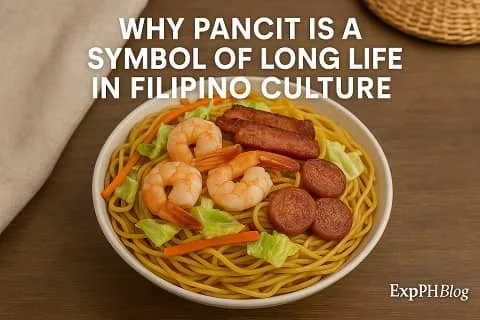
Why Pancit Is a Symbol of Long Life in Filipino Culture
Introduction
In the heart of Filipino cuisine, pancit remains one of the most recognizable and beloved dishes. It carries flavors that comfort the soul and stories that bring families together. This simple noodle dish holds a deep meaning that goes beyond what is served on the table. For generations, pancit has been a symbol of long life, strong relationships, and cultural unity. Understanding why pancit holds such a special place in Filipino tradition helps us appreciate the rich heritage woven into every bowl. Throughout this article, we will explore how Pancit Filipino Culture reflects history, symbolism, daily life, and celebrations.
Pancit is not merely food. It represents hope for a longer and more fulfilling life. It is a reminder of the value of family, togetherness, and gratitude. As we explore the origins of pancit, its different variations, and the meaning behind its presence in important celebrations, you will see how deeply Pancit Filipino Culture is connected to the identity of the Filipino people and how these traditions continue inspiring communities, strengthening relationships, and preserving meaningful customs within Pancit Filipino Culture.
The Historical Roots of Pancit in the Philippines
The story of pancit in the Philippines goes back to the arrival of Chinese traders long before Spanish colonization. These early interactions introduced noodles to local communities. Filipinos embraced the dish and adapted it creatively using local ingredients, which shaped the variations we enjoy today. The blending of Chinese influences with Filipino cooking techniques gives pancit its unique personality.
Chinese Influence and Local Adaptation
The Chinese introduced noodles as symbols of longevity and prosperity. When Filipinos learned to prepare these noodles, they added vegetables, meats, spices, and broth from their own cuisines. This allowed pancit to evolve into a dish that truly reflects Pancit Filipino Culture. Over time, pancit became part of everyday meals and festive gatherings. Filipinos appreciated the idea that long noodles represent long life, so they continued the tradition in their own ways.
Pancit Through the Colonial Period
During the Spanish colonial period, pancit shops became popular gathering spots. These small eateries served affordable noodle dishes that appealed to workers and travelers. Pancit became a symbol of Filipino resilience, comfort, and community. As centuries passed, the meaning of pancit grew stronger. It became a cultural treasure that reflected unity, diversity, and the importance of shared meals.
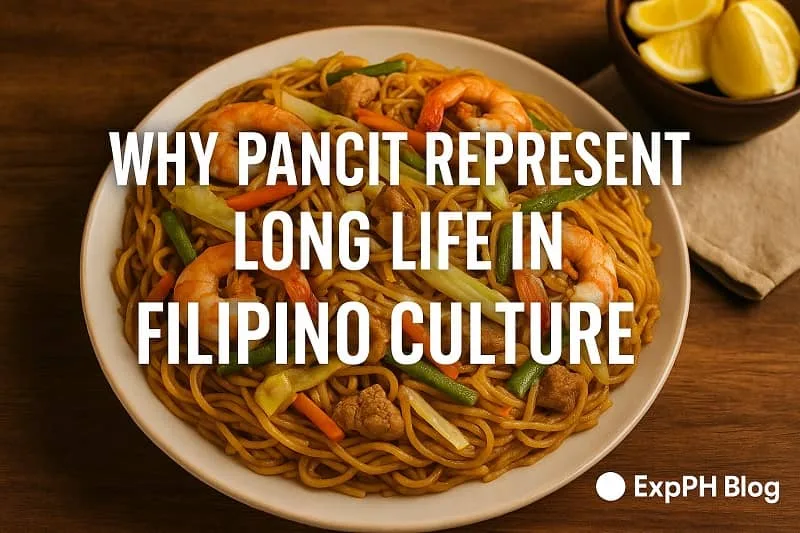
Why Pancit Represents Long Life in Filipino Culture
The connection between pancit and long life is rooted in symbolism. Noodles represent the hope for a longer journey, smoother paths, and a future filled with blessings. This belief is deeply respected across generations. Even families who do not follow traditional practices closely still prepare pancit during important occasions because it expresses love and good wishes.
The Symbolic Power of Long Noodles
In many Asian cultures, long noodles symbolize long life. Filipinos adopted this belief and made it part of Pancit Filipino Culture. The idea is simple but meaningful. Do not cut the noodles because cutting them might shorten the blessings. Serving pancit becomes a gentle wish that the celebrant will enjoy many more years filled with happiness, strength, and prosperity.
Pancit as a Blessing for Birthdays, Weddings, and Celebrations
Pancit is almost always present during Filipino birthday celebrations. It does not matter whether the party is grand or simple. Pancit is prepared because it carries the blessing of long life. At weddings, anniversaries, baptisms, and reunions, pancit symbolizes healthy relationships and successful families. The tradition continues because Filipinos value the meaning behind the dish and the warmth of sharing it with loved ones.
Pancit Filipino Culture in Everyday Life
Pancit is so deeply rooted in Filipino identity that it goes beyond special occasions. Many Filipinos enjoy pancit during ordinary days, especially for merienda or quick meals. Eating pancit brings comfort and familiarity. It also reflects the Filipino spirit of resourcefulness because pancit can be prepared in countless ways depending on available ingredients.
Pancit in Family Meals and Community Gatherings
Families often cook pancit on weekends or during simple get togethers. It is easy to prepare, affordable, and filling. In many communities, pancit is shared during bayanihan events, barangay programs, and office parties. This strengthens connections and builds unity. It reflects how Pancit Filipino Culture values cooperation, generosity, and shared joy.
Pancit as a Comfort Food
For many Filipinos working abroad, pancit becomes a taste of home. Cooking pancit helps them reconnect with memories and traditions. The aroma of sautéed garlic, vegetables, and noodles brings a sense of belonging. This emotional connection proves how pancit is more than just food. It is a comforting reminder of Filipino identity.
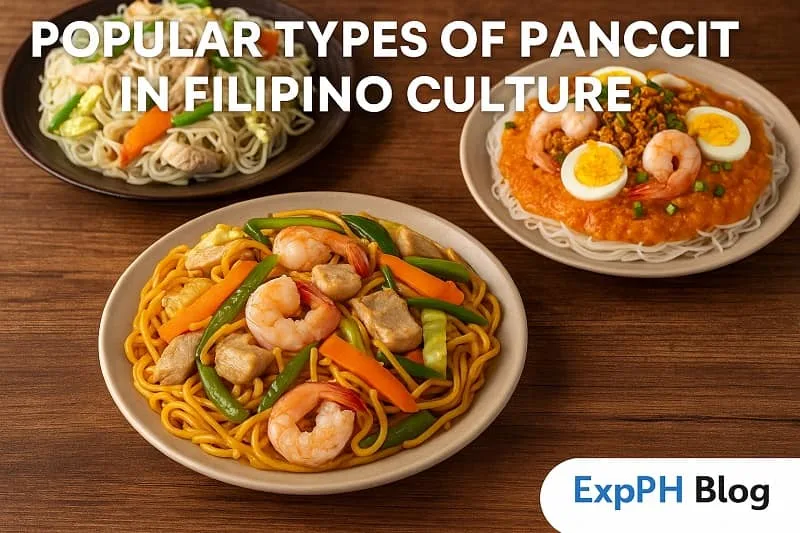
Popular Types of Pancit in Filipino Culture
The Philippines has dozens of pancit variations, each with its own flavor, texture, and cultural significance. These differences represent diversity within Pancit Filipino Culture and highlight how regional traditions shape unique culinary expressions that strengthen Filipino identity across many communities.
Pancit Canton
Pancit Canton is one of the most popular versions. It uses thick egg noodles stir fried with vegetables and meat. Its colorful ingredients make it visually appealing for celebrations. Pancit Canton embodies the fusion of Chinese techniques and Filipino creativity creating flavors that many Filipinos treasure.
Pancit Bihon
Pancit Bihon uses rice noodles that absorb flavors well. It has a light but savory taste that many Filipinos love. Bihon is often served during birthdays because its long, thin noodles strongly symbolize long life and remains a cherished favorite enjoyed in many Filipino family celebrations.
Pancit Malabon and Pancit Palabok
These versions feature thick sauce, seafood, and flavorful toppings. Their bright orange color and rich taste make them ideal for fiestas. They show how regional traditions contribute to the richness of Pancit Filipino Culture while celebrating diverse local ingredients that highlight each community’s unique culinary identity.
Pancit Habhab and Other Regional Specialties
Quezon Province is known for Pancit Habhab, which is eaten on banana leaves without utensils. This fun and unique style represents regional pride. Other provinces have their own variations that highlight local ingredients and cooking methods. Each version adds depth to the story of pancit in Filipino heritage.
The Cultural Meaning of Sharing Pancit
Sharing pancit is not only about enjoying food together. It reflects gratitude, respect, and the Filipino value of being thoughtful toward others. When someone prepares or brings pancit, it is considered a sign of generosity and good intentions that strengthen meaningful connections within families and communities.
Pancit as a Gesture of Love and Care
Parents prepare pancit for their children’s birthdays to express hopes for a beautiful future. Friends bring pancit to gatherings to show appreciation and to strengthen bonds. In many workplaces, employees share pancit during potlucks because it builds camaraderie. This practice reflects how strongly Pancit Filipino Culture values connection.
Community Sharing and Bayanihan Spirit
In rural communities, pancit is often cooked in large woks during fiestas or town events. Volunteers help prepare ingredients and cook together. This captures the bayanihan spirit, which is one of the most admired Filipino values. Pancit becomes a dish that unites people during celebrations and difficult times.
Pancit as Representation of Filipino Identity
Pancit carries pieces of history, culture, and collective experience. It reflects how Filipinos embrace foreign influences while transforming them into something uniquely theirs that help strengthen Filipino identity, preserve cultural values, and inspire deeper appreciation across families and communities everywhere.
Cultural Blending and Filipino Creativity
The Philippines has a long history of exchanging traditions with other cultures. Pancit shows how Filipinos can take an idea and adapt it with creativity. This process reflects the flexibility and innovation of Filipino communities. Because of this, Pancit Filipino Culture stands as a proud symbol of identity.
Pancit as a Bridge Between Generations
Grandparents often teach younger family members how to cook pancit. These moments create meaningful memories and pass traditions forward. This keeps the cultural importance of pancit alive and relevant helping strengthen family bonds and encouraging each generation to appreciate its cultural significance.
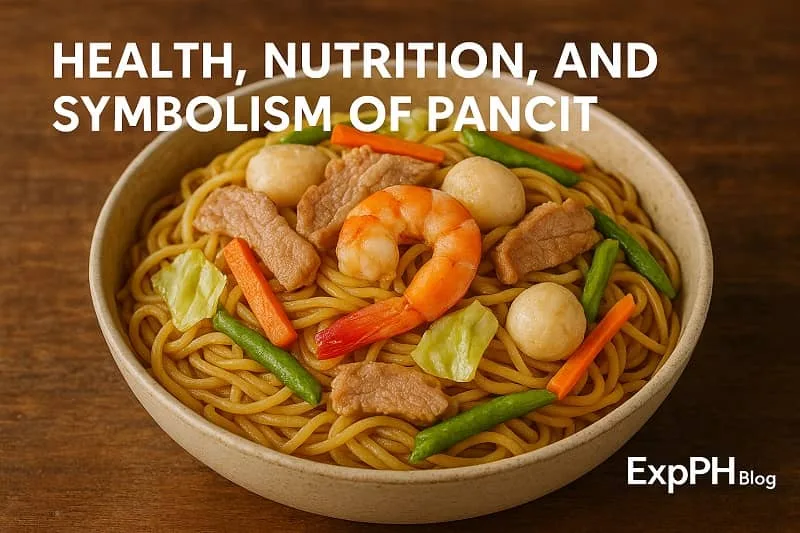
Health, Nutrition, and Symbolism of Pancit
Although pancit is enjoyed for flavor and tradition, it also carries a symbolic message of nourishment and well being that highlights the importance of caring for loved ones, strengthening relationships, honoring heritage, and cultivating meaningful connections that support healthier communities.
Nutritional Value of Pancit Ingredients
Vegetables like carrots, cabbage, and green beans add nutrients. Meat and seafood provide protein. Noodles give energy for daily activities. This combination results in a balanced meal that fits into Filipino lifestyle and celebrations making pancit both nourishing and meaningful during gatherings across Filipino communities.
Symbolism of Nourishment and Well Being
In Pancit Filipino Culture, nourishment is not only physical. Preparing pancit symbolizes nurturing relationships and caring for others. The act of sharing food represents a desire to support the emotional and spiritual well being of loved ones while strengthening bonds within families and communities everywhere.
Pancit in Modern Filipino Life
Even as modern lifestyles evolve, pancit remains a cultural treasure. Its presence in homes, restaurants, online food content, and celebrations continues to grow because it carries values that resonate deeply with Filipinos and strengthen connections across generations in meaningful ways.
Pancit in Overseas Filipino Communities
OFWs often celebrate birthdays and holidays by cooking pancit. It becomes a way to connect with Filipino culture while living abroad. This practice strengthens the global Filipino identity and supports cultural continuity by keeping meaningful traditions alive and shared across families and communities worldwide.
Pancit in Social Media and Pop Culture
Food bloggers, vloggers, and culinary enthusiasts frequently feature pancit because it represents comfort and tradition. This helps preserve Pancit Filipino Culture in younger generations who are active online and encourages them to explore, appreciate, and share its cultural meaning widely online.
The Future of Pancit Filipino Culture
Pancit will continue to evolve while staying true to its symbolic meaning. New ingredients, fusion styles, and creative preparations will emerge. However, the core meaning of pancit as a symbol of long life and unity will always remain for future generations to appreciate, honor, preserve, and share with pride.
Keeping the Tradition Alive for Future Generations
Teaching children about pancit and its meaning ensures that the tradition remains strong. Families who share pancit during celebrations keep the cultural story alive. Schools and cultural programs also play a role by including traditional Filipino food education in their learning activities today.
Pancit as a Cultural Ambassador
Around the world, pancit represents the warmth, joy, and resilience of Filipinos. When people taste pancit, they also experience a piece of Filipino heritage. This makes Pancit Filipino Culture an important cultural ambassador that continues to promote Filipino identity throughout communities worldwide today.
Conclusion
Pancit is far more than a simple noodle dish. It carries deep meaning rooted in tradition, history, symbolism, and the Filipino way of life. For many families, serving pancit is a heartfelt expression of love and hope for long life that strengthens bonds and preserves cherished cultural values. The presence of pancit in birthdays, weddings, community gatherings, and everyday meals reflects the richness of Pancit Filipino Culture and its importance in Filipino identity.
As long as Filipinos continue to celebrate together, share their blessings, and cherish their traditions, pancit will remain a powerful symbol of unity, abundance, and long life, serving as a meaningful reminder of their shared heritage, cultural pride, and hopeful outlook for the future, while strengthening relationships across generations and communities, encouraging gratitude, inspiring togetherness, and keeping cherished customs alive in everyday life and important celebrations throughout the Philippines that continue to shape Filipino identity today beautifully.
Expand your reading by checking the list below.
- Pyanggang Manok Authentic Tausug Blackened Chicken
- Kiyaliya The Crispy and Savory Fried Beef Rolls of Sulu
- Junay The Traditional Sulu Dish You Need to Try
- Kulma Authentic Tausug Style Curry Dish
- Uncovering the Hidden Story of Adobo
For reference purposes, click the link below.
- National Commission for Culture and the Arts (NCCA)
- Department of Tourism Philippines (DOT)
- UNESCO Intangible Cultural Heritage
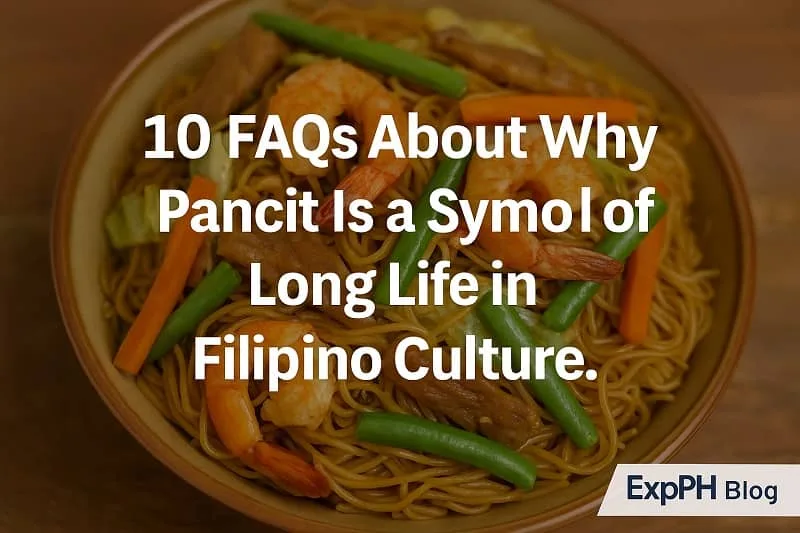
10 FAQs About Why Pancit Is a Symbol of Long Life in Filipino Culture.
Why is pancit linked to long life in Filipino culture?
Pancit symbolizes long life because its long noodles represent a longer journey filled with blessings, good health, and prosperity. This belief remains an important part of Pancit Filipino Culture.
Where did the belief about pancit and long life originate?
The belief came from early Chinese influences that introduced noodles as symbols of longevity. Filipinos embraced this idea and it eventually shaped Pancit Filipino Culture in meaningful ways.
Why is pancit always served during Filipino birthdays?
Pancit is served during birthdays because it expresses wishes for a long, healthy, and happy life. This meaningful tradition continues to be honored within Pancit Filipino Culture.
What makes pancit meaningful in Filipino celebrations?
Pancit carries deep cultural symbolism that connects families, traditions, and blessings. Its long noodles reflect long life and this meaning plays a strong role in Pancit Filipino Culture.
Can any type of pancit symbolize long life?
Yes, all pancit variations symbolize long life because the noodles represent longevity. Each version, whether bihon or canton, contributes to the richness of Pancit Filipino Culture.
Why should pancit noodles not be cut?
Cutting noodles is avoided because it symbolizes shortening blessings or life. Keeping them long continues a respected belief that remains central to Pancit Filipino Culture.
Is pancit only symbolic during birthdays?
No, pancit is meaningful during weddings, anniversaries, reunions, and holidays. Its symbolism of unity and long life is deeply appreciated across all parts of Pancit Filipino Culture.
How does pancit reflect Filipino family values?
Pancit reflects love, unity, and generosity. Families prepare and share it to strengthen relationships and honor tradition. These values are celebrated throughout Pancit Filipino Culture.
Why is pancit important to overseas Filipino communities?
Pancit brings comfort, familiarity, and cultural connection. It helps Filipinos abroad remember home and celebrate traditions, showing how strongly Pancit Filipino Culture thrives worldwide.
What does pancit teach about Filipino culture?
Pancit teaches the importance of tradition, unity, and gratitude. It highlights how Filipinos value long life and strong relationships, which are essential parts of Pancit Filipino Culture.
Test your knowledge about Why Pancit Is a Symbol of Long Life in Filipino Culture.
These fun questions help you understand the traditions, meanings, and cultural roots behind pancit and its connection to Filipino celebrations. Enjoy the quiz and learn something new today.
Results


#1. What does long pancit symbolize?
#2. Which culture introduced noodles to Filipinos?
#3. Why serve pancit on birthdays?
#4. Why should noodles stay uncut?
#5. Which value does pancit reflect?
#6. What feeling does pancit give OFWs?
#7. What do pancit dishes express?
#8. Which ingredient symbolizes longevity?
#9. Pancit is a symbol of what?
#10. What tradition keeps pancit meaningful?
Your curiosity helps keep Filipino culture alive.
We would love to hear from you, so please comment and share your experience with us.

A Filipino web developer with a background in Computer Engineering. Founder of ExpPH Blog and ExpPH Business Guide, creating practical content on OFW guidance, business, finance, freelancing, travel, and lifestyle. Passionate about helping Filipinos grow, he shares insights that educate, empower, and inspire readers nationwide.
Pingback: 7 Powerful Reasons Filipino Rice Culture Makes Meal Better.