
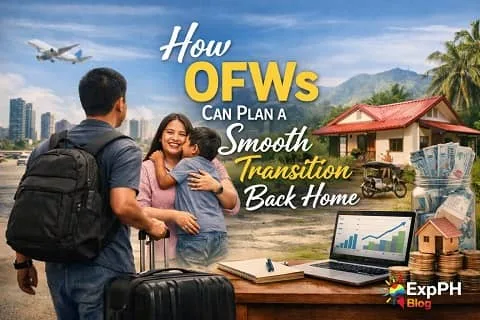
How OFWs Can Plan a Smooth Transition Back Home
Returning home after years of working abroad is one of the biggest milestones in an OFW’s life. It is emotional, exciting, and sometimes overwhelming. Many OFWs dream about the day they finally step off the plane and reunite with family for good. However, without proper planning, that dream can quickly turn into financial stress or identity confusion.
An OFW transition back home is not just about booking a ticket and packing your bags. It involves financial preparation, career planning, lifestyle adjustments, and emotional readiness. The smoother the preparation, the more confident and stable your return will be.
This guide will walk you step by step through everything you need to consider for a successful OFW transition back home. Whether you plan to start a business, find local employment, work remotely, or simply enjoy retirement, this article will help you prepare wisely and strategically.
Table of Contents
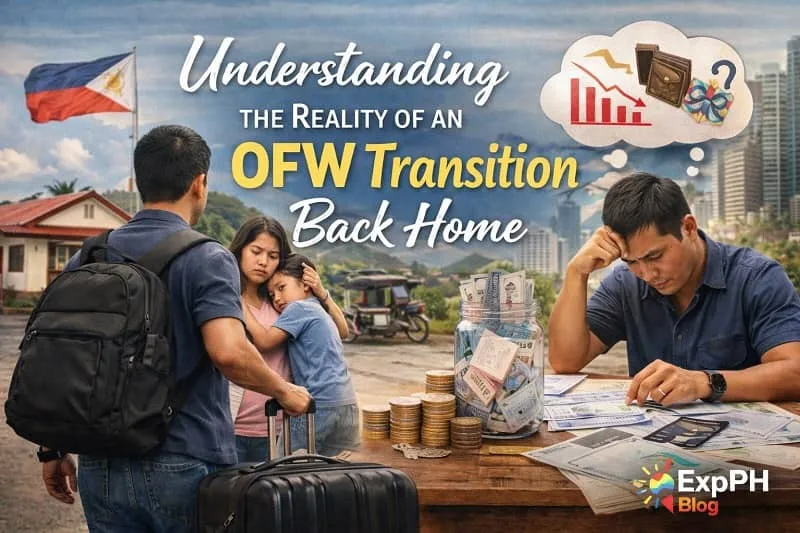
Understanding the Reality of an OFW Transition Back Home
Many OFWs underestimate how challenging reintegration can be. After years of earning abroad and adapting to a different culture, returning to the Philippines requires adjustments in finances, lifestyle, relationships, and career direction. An OFW transition back home is not simply relocation. It is a complete life shift that demands careful preparation.
Financial Adjustment
Income earned overseas is often higher than most local opportunities. Once you return home, your earning capacity may temporarily decrease unless you prepare early. Without a clear financial strategy, lifestyle inflation may continue even as income drops. This mismatch can quickly drain savings and create unnecessary stress.
An OFW transition back home should begin at least one to three years before your target return date. Early preparation allows you to strengthen your financial foundation and reduce uncertainty. During this period, focus on the following priorities:
- Build emergency savings
- Reduce or eliminate debt
- Identify future income sources
- Prepare long-term investments
Emotional and Identity Adjustment
Working abroad shapes your identity and builds independence, discipline, and resilience. Returning home may feel like starting over, especially after many years away. Some OFWs experience reverse culture shock as routines, expectations, and social roles change significantly.
Prepare mentally for adjustments in lifestyle, responsibilities, and family dynamics. Honest communication with loved ones helps manage expectations and strengthens relationships during your OFW transition back home.
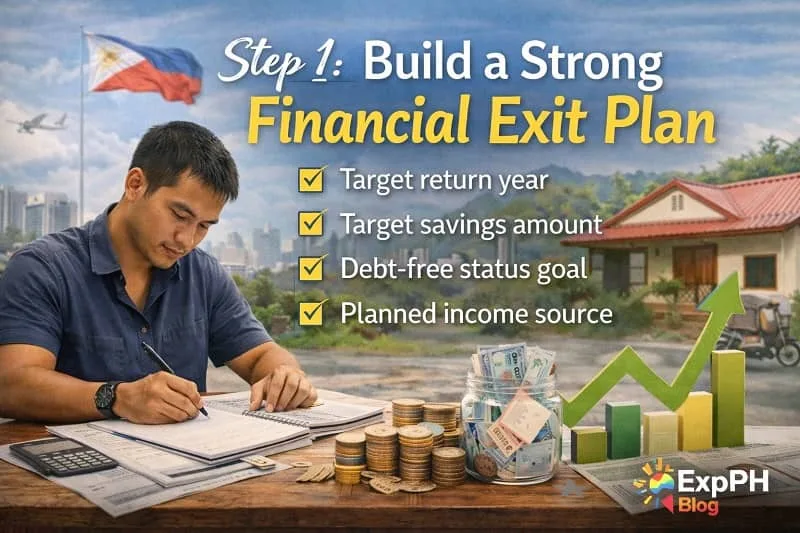
Step 1: Build a Strong Financial Exit Plan
Financial stability forms the foundation of a successful OFW transition back home. Returning without a clear financial plan increases the risk of stress and uncertainty. A structured exit strategy helps you protect your savings, maintain confidence, and move forward with purpose rather than reacting to unexpected challenges.
Set a Clear Return Timeline
Avoid vague plans such as “maybe next year.” A defined timeline creates discipline and direction. Decide on specific goals that guide your preparation and keep you accountable. Your plan should clearly identify the following:
- Target year of return
- Target savings amount
- Debt free status goal
- Planned income source upon return
A clear schedule turns intention into action.
Create a Dedicated Transition Fund
Your transition fund should be separate from regular savings and remittances. This fund exists solely to support your adjustment period after returning home. It protects you from financial pressure while you stabilize income or start a new venture. Prepare enough to cover:
- Six to twelve months living expenses
- Business startup capital if needed
- Resettlement costs
- Additional emergency buffer
This fund serves as your financial safety net.
Review Government Reintegration Programs
The Philippine government provides reintegration support through the Overseas Workers Welfare Administration. You can review official programs and services at https://owwa.gov.ph. These may include livelihood assistance, skills training, and financial counseling designed for returning OFWs.
Always verify requirements and application procedures directly from official sources to ensure accuracy and eligibility.
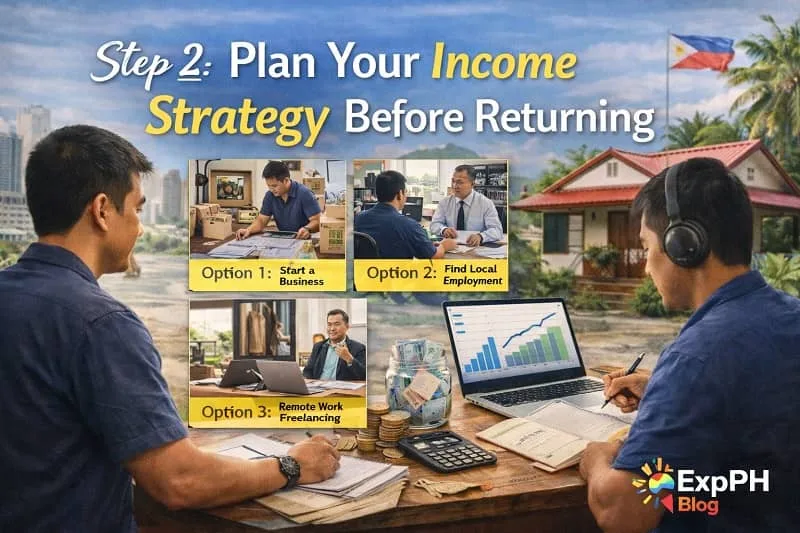
Step 2: Plan Your Income Strategy Before Returning
A stable income plan is essential for a smooth OFW transition back home. Do not wait until you arrive before thinking about earnings. Securing or preparing an income source ahead of time reduces pressure and protects your savings during the adjustment period.
Option 1: Start a Business
Many OFWs choose entrepreneurship after returning. While business can offer independence, starting without research increases financial risk. Study your market carefully before investing hard-earned capital. Evaluate these important questions:
- Is there local demand
- Who manages daily operations
- Do I have experience
- Is capital enough
Avoid rushing into franchises or large investments without proper analysis.
Option 2: Find Local Employment
Some returning OFWs prefer stable employment. Preparing early increases your chances of landing a suitable position. Start reconnecting with the local job market before resigning abroad. Focus on these actions:
- Update your resume
- Contact local recruiters
- Research salary ranges
Do not assume overseas experience guarantees high pay. Understand current market conditions.
Option 3: Remote Work and Freelancing
Remote work allows you to maintain international income while living in the Philippines. This flexible setup can ease your OFW transition back home and reduce financial pressure. Popular remote opportunities include:
- Virtual assistance
- Digital marketing
- Graphic design
- Content writing
- Bookkeeping
- Programming
Preparation and portfolio building should begin before returning.
Upskill Before You Go Home
Strengthening your skills improves income security and career flexibility. Before finalizing your return, invest time in structured learning that supports your long-term goals. Platforms like Udemy offer structured courses in freelancing, digital tools, and business skills that you can complete while still working abroad.
Choose courses aligned with your income strategy. Focus on skills with strong demand and clear earning potential rather than enrolling randomly.

Step 3: Avoid Lifestyle Inflation During the Final Years Abroad
Many OFWs increase spending during their final contract years because they feel they deserve rewards before going home. While treating yourself is normal, uncontrolled spending can delay financial goals. A disciplined approach protects savings and supports a stable OFW transition back home.
Control Big Purchases
Large expenses can quickly reduce the money you worked hard to save. Before buying anything expensive, ask whether it truly supports your long-term plan. Avoid unnecessary financial pressure by limiting the following:
- Car upgrades without need
- Expensive gadgets
- Unplanned home renovations
- New personal loans
Every major purchase should align with your transition strategy.
Strengthen Investments Instead
Instead of raising lifestyle costs, redirect extra income toward financial security. Strengthening your foundation before returning home increases confidence and stability. Prioritize these smart financial actions:
- Build passive income assets
- Expand emergency savings
- Pay high interest debt
- Invest in skill development
A disciplined mindset today ensures a smoother OFW transition back home tomorrow.
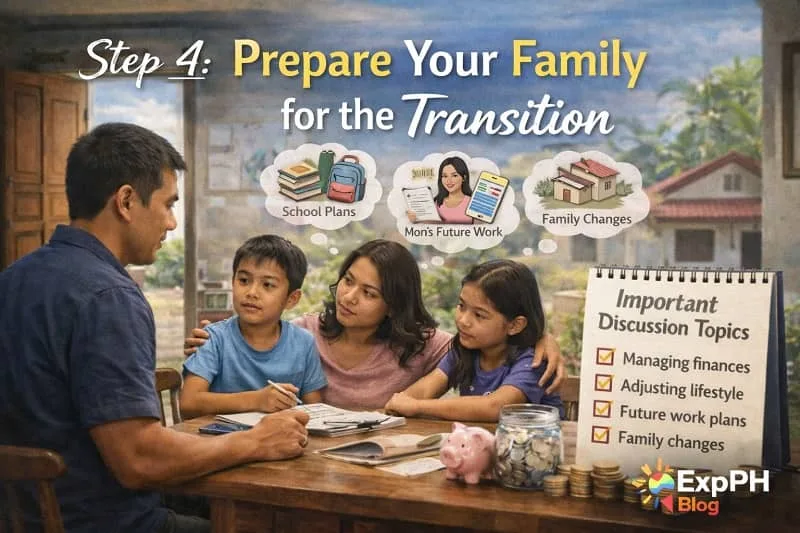
Step 4: Prepare Your Family for the Transition
Your return home will change daily routines and family roles. An OFW transition back home affects not only finances but also relationships and responsibilities. Preparing your family early helps prevent misunderstandings and builds a stronger foundation for this new chapter together.
Reset Financial Expectations
Family members may be accustomed to steady remittances from abroad. Once you return, income sources and cash flow may change. Honest conversations reduce confusion and financial tension. Discuss these important points clearly:
- Budget adjustments
- Shared financial responsibilities
- Short term plans
- Long term goals
Transparency builds trust and prevents conflict.
Discuss Roles and Responsibilities
If you were the primary breadwinner while abroad, your role at home may shift. Clarify expectations to avoid stress or resentment. Open discussions should cover practical responsibilities such as:
- Managing household finances
- Overseeing business operations
- Parenting roles
- Household duties
Healthy communication strengthens relationships during your OFW transition back home.

Step 5: Plan Your Housing and Living Arrangements
Housing is one of the biggest decisions in an OFW transition back home. Where you live affects your expenses, comfort, and financial stability. Avoid rushing into emotional choices. Review your options carefully and choose an arrangement that supports your long term financial plan.
Option 1: Family Home
Living temporarily with relatives can reduce expenses while you stabilize income. This option provides breathing space during adjustment. However, set clear boundaries to maintain privacy and independence. Discuss expectations early to prevent misunderstandings and ensure respectful living arrangements for everyone involved.
Option 2: Own House
If you purchased property while working abroad, evaluate its readiness before moving in. Ownership does not eliminate expenses. Review ongoing and potential costs such as:
- Maintenance expenses
- Property taxes
- Utility payments
- Renovation requirements
Understanding these costs helps you avoid unexpected financial pressure.
Option 3: Renting First
Some returning OFWs choose to rent before buying property. Renting offers flexibility while adjusting to new income levels and lifestyle changes. It allows you to test locations and manage expenses carefully. Housing decisions should support financial stability rather than emotional impulse.
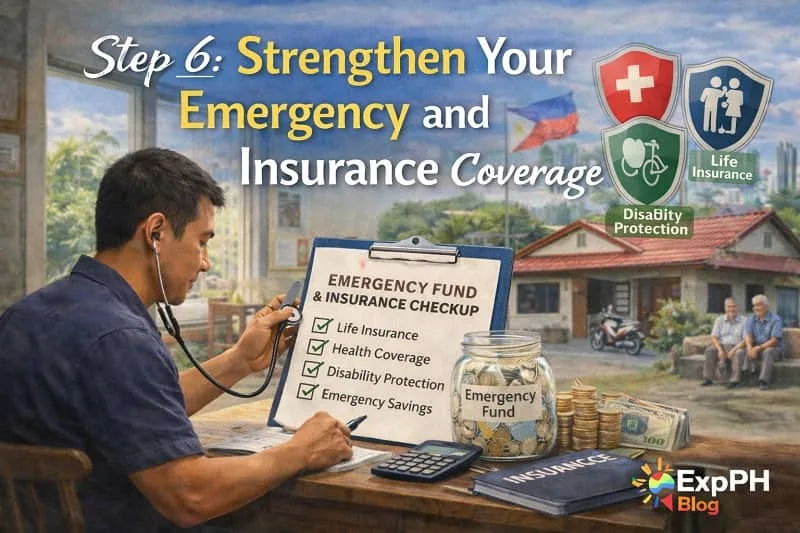
Step 6: Strengthen Your Emergency and Insurance Coverage
Returning home often means losing employer provided benefits such as health coverage and protection plans. During your OFW transition back home, you must replace these safeguards independently. Proper insurance and emergency savings protect your family from sudden financial stress and unexpected medical or personal expenses.
Health Insurance
Review available health coverage options in the Philippines before your return. Compare private insurance providers and government healthcare programs to determine what fits your budget and needs. Adequate medical coverage prevents large out of pocket expenses and protects your savings during emergencies.
Life Insurance
If you have dependents, life insurance remains essential after returning home. Ensure your policy coverage matches your family’s current financial needs. Protection should cover living expenses, education costs, and outstanding obligations so your loved ones remain secure even during unforeseen events.
Emergency Fund Rule
A stable OFW transition back home requires six to twelve months of living expenses in accessible savings. This fund should remain liquid and easy to withdraw. Unexpected costs often arise during reintegration, so maintaining a strong emergency reserve prevents financial setbacks.

Step 7: Rebuild Your Local Network
Rebuilding your professional network is a critical part of a successful OFW transition back home. Many returning workers focus only on finances and overlook relationships. Strong local connections open doors to employment, partnerships, and business growth. Networking increases opportunities and reduces uncertainty during reintegration.
Reconnect With Old Contacts
Start by reconnecting with people who already know your background and work ethic. Familiar contacts can provide referrals, advice, or collaboration opportunities. Reach out to the following individuals:
- Former classmates
- Previous employers
- Business contacts
- Community leaders
Consistent communication helps rebuild trust and visibility.
Join Industry Groups
Expand your circle by engaging with professional communities in your field. Active participation improves credibility and keeps you informed about market trends. Consider joining or attending:
- Online communities
- Professional associations
- Local seminars
- Business events
Greater visibility increases the chances of attracting meaningful opportunities.
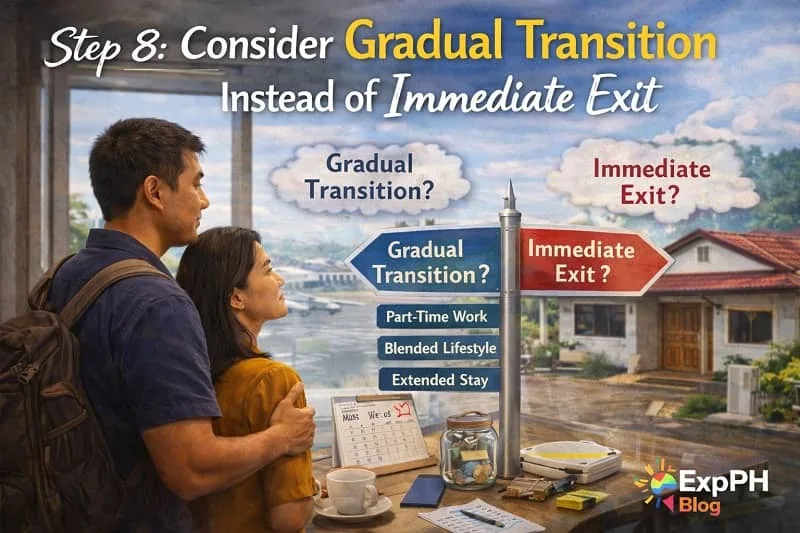
Step 8: Consider Gradual Transition Instead of Immediate Exit
An OFW transition back home does not always require a sudden resignation and permanent return. Some workers benefit from a phased approach that allows financial testing and adjustment. Gradual planning reduces pressure and protects savings while new income sources become stable and predictable.
Many OFWs choose flexible arrangements before fully ending their overseas employment. These strategies provide security while building long term stability:
- Rotational work while building a business
- Remote work while shifting income sources
- Testing local operations before resigning
A phased transition lowers risk and strengthens confidence.
Step 9: Mentally Prepare for a New Chapter
An OFW transition back home requires more than financial preparation. Emotional readiness plays an equally important role in long term success. Returning home brings changes in routine, income structure, and daily responsibilities. A strong mindset helps you stay patient and focused during this adjustment period.
Accept That Income May Fluctuate
The first year after returning may involve income adjustments and uncertainty. Temporary reductions do not mean failure. Instead of reacting emotionally, stay committed to your long term financial strategy. Monitor expenses carefully and allow time for your new income sources to stabilize.
Redefine Success
Success after an OFW transition back home may look different from your life abroad. It may focus less on foreign income and more on stability and balance. For many returning OFWs, success includes:
- More time with family
- Stable local income
- Business growth
- Peace of mind
Your priorities may naturally evolve.
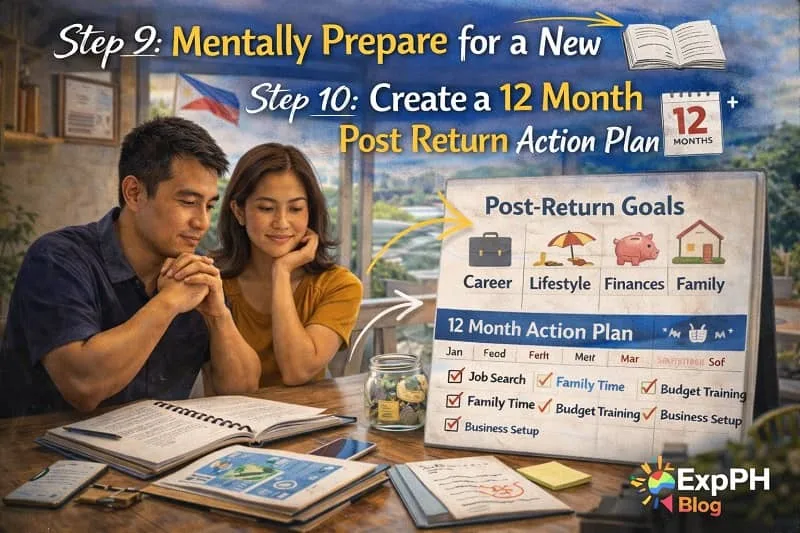
Step 10: Create a 12 Month Post Return Action Plan
A clear plan for your first year home strengthens your OFW transition back home. Without structure, it is easy to lose direction or overspend. Dividing your first twelve months into focused stages helps you build stability step by step.
Month 1 to 3
The first three months should focus on settling and organizing your foundation. Prioritize stability over expansion. During this period, concentrate on:
- Settle housing arrangements
- Organize personal finances
- Register business if needed
- Apply for jobs or clients
Build clarity before making major financial decisions.
Month 4 to 6
By the second quarter, shift attention toward income stability and financial control. Evaluate whether your current strategy is working. Focus on:
- Stabilize income source
- Monitor monthly expenses
- Adjust household budget
Consistent monitoring prevents small issues from becoming larger financial problems.
Month 7 to 12
The final half of your first year should concentrate on growth and long term security. Once income becomes steady, begin strengthening your financial position through:
- Expand business or career
- Strengthen savings
- Invest wisely
Careful planning during your first year builds confidence and long term stability.
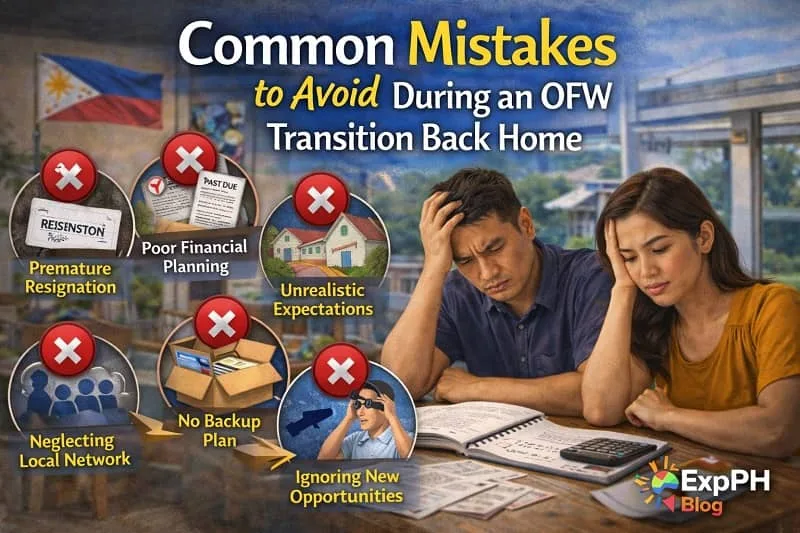
Common Mistakes to Avoid During an OFW Transition Back Home
Even well prepared OFWs can make costly mistakes during reintegration. Careful planning does not guarantee perfection, but awareness reduces risk. Understanding common errors helps you protect your savings and maintain stability throughout your OFW transition back home.
Watch out for these frequent mistakes:
- Returning without savings
- Starting a business without research
- Continuing high lifestyle spending
- Failing to communicate with family
- Relying on one unstable income source
Avoiding these pitfalls increases your chances of a smooth and successful transition.
Why Planning Early Matters
Early preparation creates confidence and stability during an OFW transition back home. The sooner you begin planning, the more control you gain over finances, career direction, and family expectations. Reintegration becomes smoother when decisions are deliberate rather than rushed or emotionally driven.
Starting at least three years before your return allows you to focus on long term priorities such as:
- Increase savings
- Upskill strategically
- Test business ideas
- Strengthen networks
- Build emotional readiness
An OFW transition back home is not an overnight decision. It requires a steady multi year strategy built on patience and discipline.

Final Thoughts on Your OFW Transition Back Home
Returning home permanently is a meaningful milestone for every OFW. It reflects years of sacrifice, discipline, and long term planning. However, without clear structure and preparation, the adjustment period can feel unstable. A thoughtful plan turns uncertainty into confidence and direction.
Keep these core principles in mind as you prepare:
- Start planning early
- Secure income before returning
- Build a strong financial cushion
- Communicate openly with family
- Invest in flexible skills
These foundations strengthen your OFW transition back home.
Your decision should not be driven by emotion alone. It must be guided by clarity, preparation, and strategy. With careful planning, returning home can become one of the most fulfilling chapters of your life. It can lead to financial independence, stronger family bonds, and renewed purpose.
Prepare wisely today so your future remains secure tomorrow.
Continue learning with these related guides:
- Best Home-Based Business Ideas for Returning OFWs in 2026
- Coron Palawan Shipwreck Diving and Crystal Clear Lakes
- Best Online Business Models OFWs Can Manage in 2026
- Top 10 Small Business Ideas in the Philippines for 2026
- Camiguin Island The Island Born of Fire
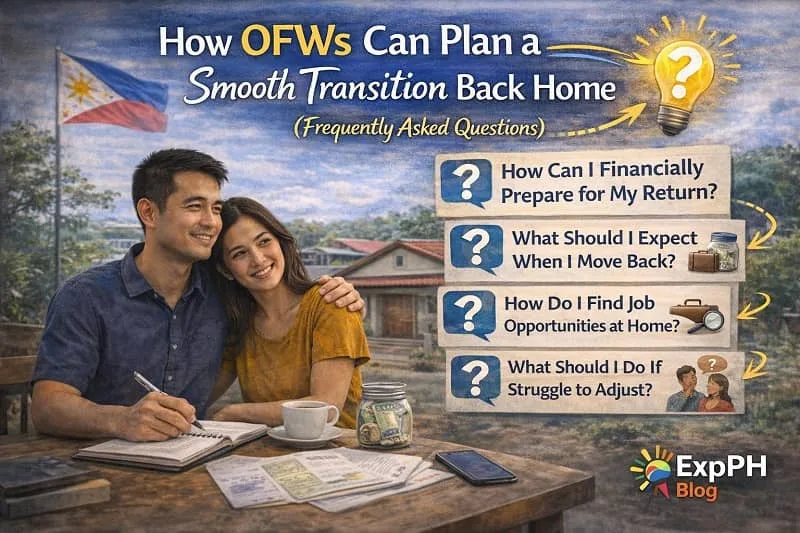
Frequently Asked Questions
1. When should I start planning my OFW transition back home?
Start planning at least one to three years before returning home. Early preparation allows you to build savings, secure income sources, and reduce financial risks.
2. How much savings do I need before returning to the Philippines?
Ideally, prepare six to twelve months of living expenses. This emergency buffer supports your adjustment period while stabilizing income or starting a business.
3. Should I secure a job before going home?
Yes, securing employment or remote clients before returning reduces financial stress. Having a stable income plan ensures a smoother OFW transition back home.
4. Is starting a business a good option for returning OFWs?
Starting a business can work if properly researched. Study demand, competition, and capital requirements before investing your savings to avoid unnecessary losses.
5. How can I avoid financial stress after returning home?
Maintain disciplined budgeting, avoid lifestyle inflation, and prioritize essential expenses. A clear financial plan helps protect your savings during the transition period.
6. What skills should I learn before coming home?
Focus on income-generating skills such as digital marketing, freelancing, bookkeeping, or online services. Upskilling improves employability and income flexibility after returning.
7. How do I prepare my family for my return?
Discuss financial expectations, responsibilities, and lifestyle adjustments early. Open communication prevents misunderstandings and supports a healthier reintegration process.
8. Should I pay off debts before returning home?
Yes, reducing or eliminating high-interest debts lowers financial pressure. Entering your OFW transition back home debt-free strengthens long-term stability.
9. What challenges do OFWs face after returning permanently?
Common challenges include income adjustment, reverse culture shock, and business uncertainty. Proper planning and emotional readiness help manage these changes effectively.
10. Can I transition gradually instead of resigning immediately?
Yes, a gradual approach works well. You can build local income, test businesses, or secure remote work before fully ending your overseas employment.
Learning Hub Quiz!
Test your readiness with this quick quiz based on our guide, How OFWs Can Plan a Smooth Transition Back Home.
Results


#1. When should OFWs start planning their return home?
#2. How much emergency fund is recommended before returning?
#3. What should OFWs secure before going home?
#4. What helps reduce financial stress after returning?
#5. Why is upskilling important before returning?
#6. What is a common mistake during transition?
#7. What should families discuss before the OFW returns?
#8. What is safer than immediate resignation abroad?
#9. What supports long-term stability after returning?
#10. What is the main goal of proper transition planning?
Thank you for being part of the ExpPH Blog community.
Share your experience in the comments. Your story might inspire other kababayans preparing for their next chapter.

A Filipino web developer with a background in Computer Engineering. Founder of ExpPH Blog and ExpPH Business Guide, creating practical content on OFW guidance, business, finance, freelancing, travel, and lifestyle. Passionate about helping Filipinos grow, he shares insights that educate, empower, and inspire readers nationwide.