
Most Valuable Skills OFWs Need for Global Jobs in 2026
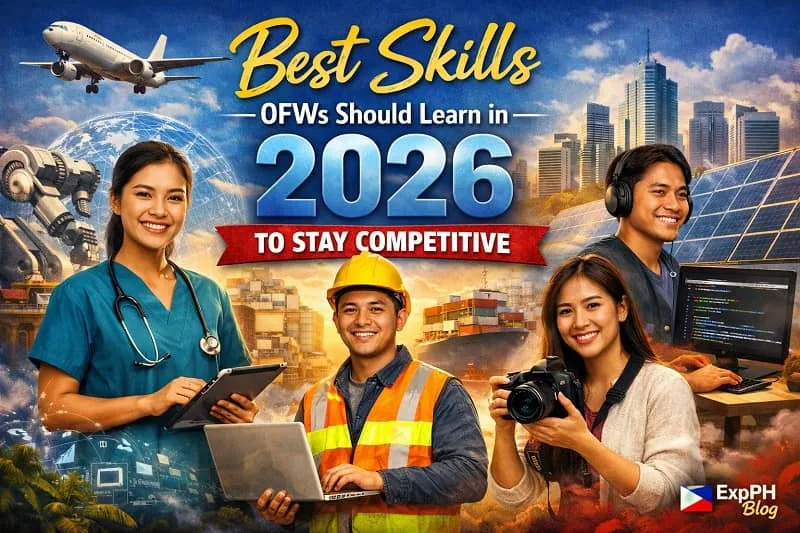
Overseas Filipino Workers are widely known for their resilience, adaptability, and strong work ethic. Today, the global job market is changing faster than ever. Automation, artificial intelligence, remote work, and digital systems are transforming how companies operate and what skills employers now value. For OFWs, these changes bring both challenges and new opportunities that require preparation and awareness.
Learning the right skills is no longer optional for overseas workers. It is a long term investment in job security, income stability, and personal growth. This guide highlights the most practical and in demand OFW skills for 2026 to help workers remain competitive and confident. Written for real OFWs across many industries, this article focuses on skills that support growth wherever work takes you.
Why Skills Matter More Than Ever for OFWs in 2026
The traditional idea of staying in one job for decades is fading. Many overseas employers now prioritize flexibility, problem-solving ability, and digital literacy over years of experience alone. Countries that host OFWs are also updating labor requirements, introducing new technologies, and tightening competition.
For OFWs, skills matter because they:
- Increase chances of contract renewal
- Open doors to higher-paying roles
- Reduce dependency on a single employer
- Enable transition to remote or online work
- Prepare for reintegration or business opportunities back home
Learning new skills does not mean leaving your current job. It means preparing for the future, strengthening your career security, and creating more opportunities while continuing to grow professionally over time.
Core Digital Literacy Skills OFWs Should Learn
Understanding Digital Tools Used at Work
Digital literacy is no longer limited to office work. Many industries, including construction and caregiving, now rely on digital tools for scheduling, reporting, communication, and daily task management in modern workplaces.
OFWs should be comfortable with:
- Email and professional messaging tools
- Online forms and basic data entry
- Cloud-based platforms
- Workplace apps for attendance and task tracking
These skills help OFWs adjust quickly to new employers, understand modern work systems, and remain valuable in evolving workplaces. By improving digital confidence, OFWs lower the risk of replacement and strengthen their ability to compete in technology-driven environments across different industries.
Basic Computer and Internet Skills
Even simple computer skills can make a big difference. Knowing how to manage files, protect passwords, avoid scams, and use search engines efficiently saves time and prevents costly mistakes. This foundation supports more advanced OFW skills for 2026, such as online freelancing, digital marketing, or remote work.
High-Value Tech Skills OFWs Can Learn Without a Tech Degree
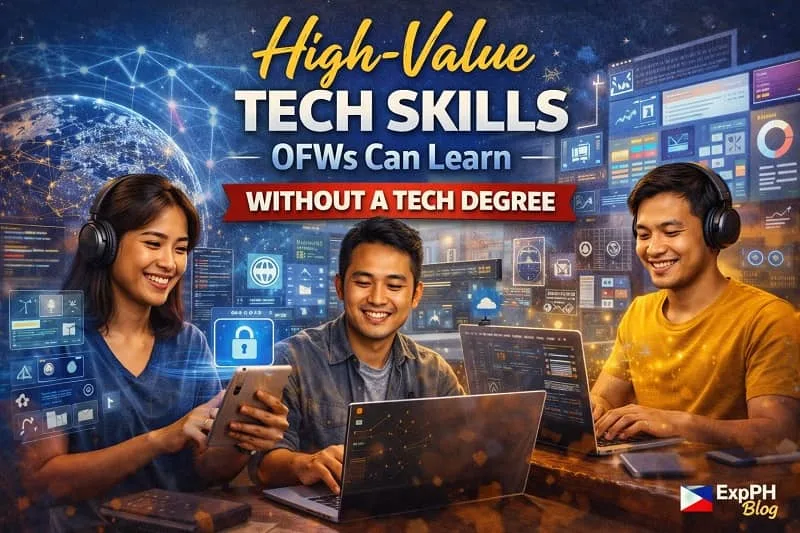
Basic Programming and Automation Awareness
OFWs do not need to become software engineers to benefit from basic programming knowledge. Understanding how automation works helps workers collaborate better with technical teams and avoid being left behind.
Practical options include:
- Basic HTML and CSS
- Introductory Python
- Automation tools like Zapier or simple scripts
These skills are especially valuable for OFWs working in office roles, logistics, finance support, and operations. They improve accuracy, efficiency, and confidence when handling digital tools, reports, and systems that are now part of daily work in many modern workplaces.
Data Literacy and Simple Data Analysis
Many companies now rely on data to guide decisions. OFWs who can read reports, understand charts, and interpret basic analytics become more valuable at work, as these skills support accuracy, better judgment, and informed contributions in everyday tasks across different industries.
Learning includes:
- Reading spreadsheets
- Understanding basic formulas
- Interpreting performance data
Data literacy supports career growth by helping OFWs understand information, explain results clearly, and make informed decisions. These abilities build trust with employers, improve performance, and open opportunities for leadership roles as companies rely more on data-driven systems.
AI and Technology Skills OFWs Should Not Ignore
Using AI Tools for Productivity
Artificial intelligence is no longer a distant idea. It is now part of daily work across many industries, helping employees complete tasks faster, improve accuracy, and manage workloads more efficiently through practical tools that support productivity and smarter decision making.
OFWs can use AI tools for:
- Writing and communication assistance
- Task planning and scheduling
- Research and learning
- Language translation
Knowing how to use AI responsibly helps OFWs work more efficiently while keeping human judgment at the center of decisions. When used correctly, AI supports accuracy, saves time, and enhances productivity without replacing critical thinking or professional accountability in the workplace.
AI Awareness and Ethical Use
Employers value workers who understand the limits of AI. OFWs should know when to rely on automation and when human decision-making is required. This awareness is becoming one of the most important OFW skills for 2026, especially in healthcare, education, and customer-facing roles.
Remote Work Skills That Open Global Opportunities
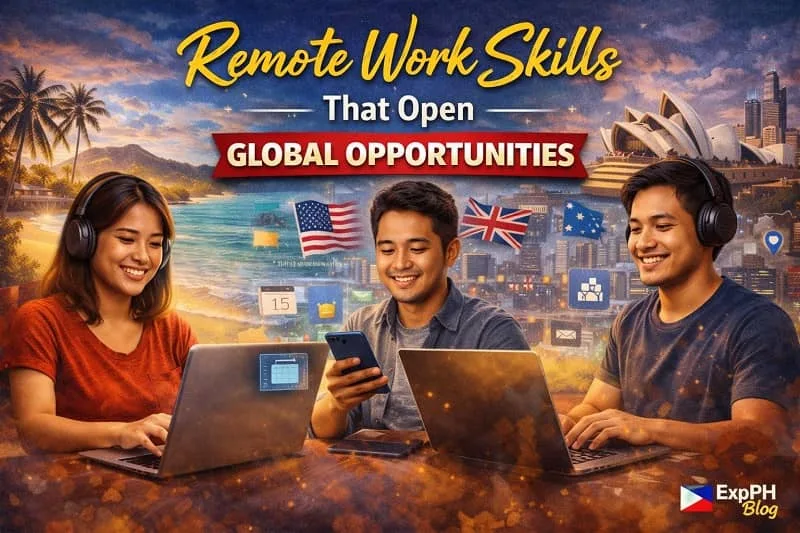
Online Communication and Collaboration
Remote work relies strongly on effective communication. OFWs who write clear messages, participate confidently in virtual meetings, and use online collaboration tools efficiently can work with global teams and access more job opportunities beyond traditional overseas employment.
Key skills include:
- Professional email writing
- Video meeting etiquette
- Task coordination using digital platforms
These skills apply across many industries and roles. OFWs can use them in office work, remote jobs, service roles, and technical positions, making it easier to shift careers, adapt to new environments, and remain competitive as job requirements continue to evolve.
Time Management Across Time Zones
Remote and international work often involves different time zones. OFWs who manage schedules effectively avoid burnout and maintain productivity. Learning how to plan tasks, set boundaries, and communicate availability builds trust with employers and clients.
Freelancing and Online Work Skills for OFWs
Virtual Assistance and Online Support Roles
Virtual assistance remains one of the most accessible paths for OFWs entering online work. Skills needed include organization, communication, and basic digital tools. Specializing in a niche such as real estate, e-commerce, or customer support increases income potential.
Content and Digital Services
OFWs with writing, editing, design, or social media skills can offer services online. These roles support side income while working abroad. Learning content basics also helps OFWs promote personal projects, businesses, or blogs in the future.
Financial Skills Every OFW Should Develop
Personal Finance and Money Management
High income does not always guarantee financial security. Many OFWs face challenges due to weak budgeting habits, limited planning, or misinformation about money management. Learning basic personal finance skills helps protect earnings, reduce stress, and support long term stability for overseas workers.
Essential financial skills include:
- Budgeting and expense tracking
- Emergency fund planning
- Debt management
- Understanding remittances and exchange rates
Financial literacy supports long term stability by helping OFWs manage income wisely, prepare for emergencies, and plan for the future. It reduces financial stress, builds confidence in decision making, and provides peace of mind while working overseas or preparing for life back home.
Investing and Wealth Building Basics
OFWs should understand basic investing concepts such as risk, diversification, and long-term planning. This knowledge helps avoid scams and emotional decisions. Learning finance is one of the most practical OFW skills for 2026, especially for those planning early retirement or business ventures.
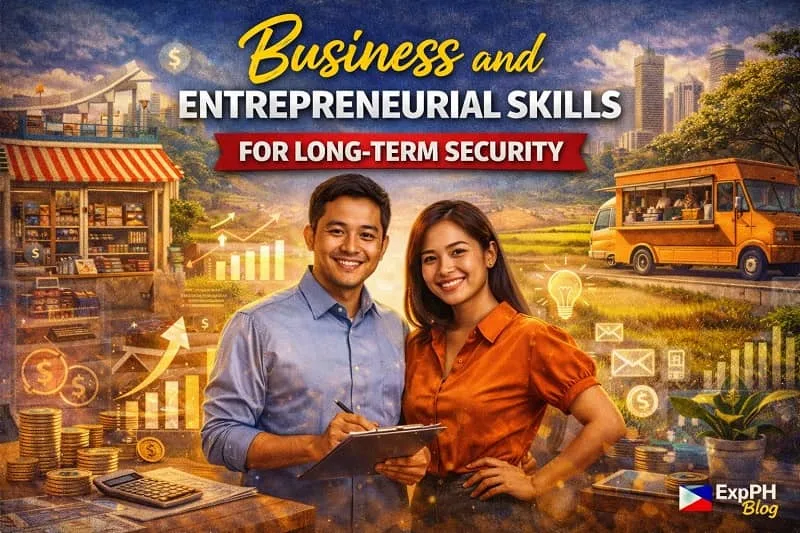
Business and Entrepreneurial Skills for Long-Term Security
Small Business Fundamentals
Many OFWs dream of starting a business back home. Learning basic business concepts early helps reduce risks, improve decision making, and build confidence. These fundamentals guide planning, budgeting, and operations, making the transition from overseas work to entrepreneurship more manageable and sustainable.
Important areas include:
- Business planning
- Customer research
- Pricing strategies
- Legal and registration basics
These skills help OFWs prepare for a smoother transition after overseas work by building confidence, practical knowledge, and financial awareness. They support career shifts, business plans, or local employment, allowing returning workers to adjust more easily and maintain stability back home.
Digital Marketing and Online Presence
Even small businesses now depend on online visibility to reach customers. OFWs who understand digital marketing can promote products or services more effectively, build brand awareness, and attract steady demand through websites, social media, and other digital channels that support growth.
Skills include:
- Social media basics
- Content creation
- Online customer engagement
These skills support both freelancing and entrepreneurship by helping OFWs market services, reach customers, and manage online platforms effectively. They create flexible income options and allow workers to build sustainable careers that are not limited to traditional overseas employment.
Soft Skills Employers Value Most in 2026
Critical Thinking and Problem Solving
Employers seek workers who can think independently and solve problems without constant guidance. OFWs with strong critical thinking skills adjust faster to new tasks and environments, make sound decisions, and contribute solutions that improve efficiency in both skilled labor and professional roles.
Communication and Cultural Intelligence
Working overseas requires awareness of different cultures, expectations, and communication styles. OFWs who communicate clearly and adapt culturally build trust with coworkers, avoid misunderstandings, and develop stronger professional relationships that support collaboration and leadership opportunities.
Emotional Intelligence and Stress Management
Overseas work can be emotionally demanding. Emotional intelligence helps OFWs manage stress, respond calmly to challenges, and handle conflict professionally. Strong mental resilience supports long term success, healthier relationships, and overall well-being while working abroad.
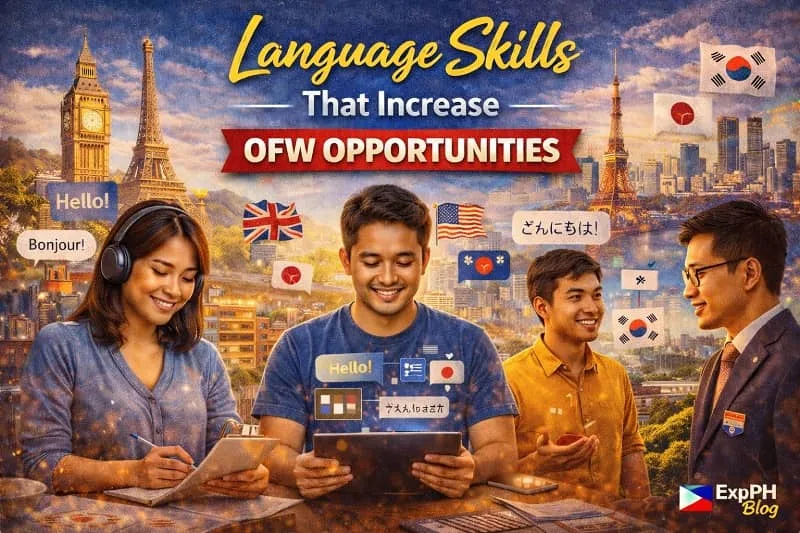
Language Skills That Increase OFW Opportunities
English Communication Mastery
English remains the global language of work across many industries. Improving spoken and written English helps OFWs communicate clearly, build confidence, and access more job opportunities, especially in international workplaces where strong language skills support collaboration and career advancement.
This includes:
- Clear pronunciation
- Professional vocabulary
- Writing simple but effective messages
Learning the Local Language
Learning the local language shows respect and helps OFWs manage daily life more easily. It also improves employability, strengthens workplace relationships, and supports better integration in host countries, making language skills a lasting advantage in competitive overseas job markets.
Industry-Specific Skills OFWs Should Consider
Healthcare and Caregiving Skills
Healthcare OFWs benefit from continuous training in patient care, safety practices, and digital health systems. Updating certifications improves competence, supports compliance with standards, increases salary potential, and strengthens job security in fast changing healthcare environments.
Construction and Technical Skills
OFWs in construction should learn updated safety standards, proper equipment handling, and relevant technical certifications. As technology enters construction sites, basic digital awareness helps workers adapt, reduce risks, improve efficiency, and qualify for higher responsibility roles.
Hospitality and Service Skills
Hospitality roles require strong customer service, familiarity with digital booking systems, and cultural sensitivity. OFWs who upskill in these areas perform better at work, build guest trust, and gain opportunities for supervisory or management positions.
How OFWs Can Learn Skills While Working Abroad
Online Learning Platforms
Many online platforms offer flexible courses suitable for OFWs with busy schedules. Learning during rest days or free hours allows steady progress over time. Consistent effort matters more than speed, helping overseas workers build skills gradually without disrupting work responsibilities.
Free and Low-Cost Learning Options
Not all valuable skills require expensive courses. Free tutorials, community resources, and practice-based learning can be effective. OFWs should focus on options that match their goals, learning capacity, and available time to maintain motivation and steady improvement.
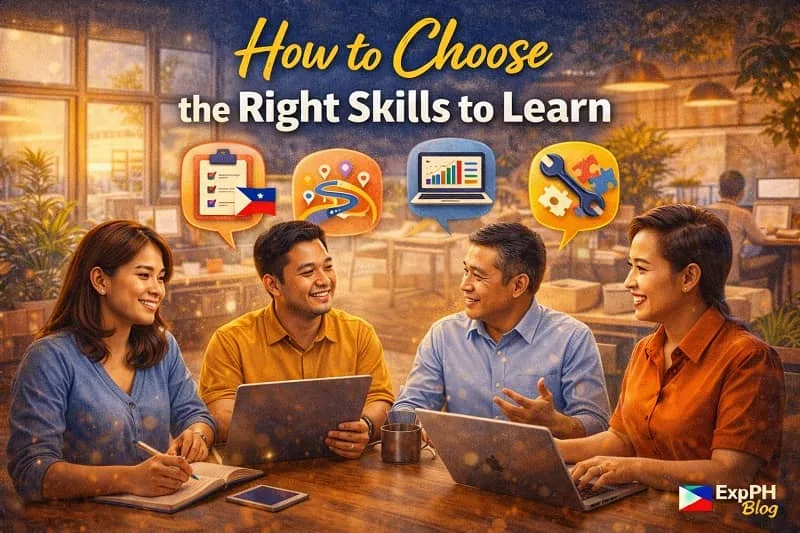
How to Choose the Right Skills to Learn
Align Skills With Career Goals
Not all skills are useful for every OFW. Choosing skills that support your current role, future plans, or income goals helps ensure practical results. Focusing on clear objectives prevents wasted effort and keeps learning purposeful rather than chasing trends without direction.
Balance Short-Term and Long-Term Skills
Some skills deliver quick benefits, while others require time to show results. Balancing both allows steady progress and prevents frustration. This approach keeps learning sustainable, supports long term growth, and helps OFWs stay motivated throughout their upskilling journey.
Common Mistakes OFWs Should Avoid When Upskilling
Many OFWs make the mistake of learning too many skills at once, which leads to confusion and burnout. Others skip basic foundations or fall for unrealistic promises of fast income. Neglecting rest and health is also common. Effective upskilling requires focus, patience, realistic expectations, and a balanced approach that supports both learning and well-being.
Skill building should enhance daily life, not drain energy or motivation. Learning at a healthy pace allows OFWs to grow steadily, stay focused, and protect their well-being while balancing work responsibilities, personal time, and long term career goals.
How OFW Skills for 2026 Support Reintegration and Stability
Learning skills is not only useful for overseas work but also important for life after returning home. These skills support reintegration by helping OFWs adjust to local employment, start small businesses, or pursue freelancing opportunities. Skill development builds confidence, encourages independence, and provides stability during career transitions.
OFWs who invest in learning build confidence, expand their options, and gain greater control over their future. Continuous skill development helps them adapt to change, pursue better opportunities, and make informed decisions that support long term stability and personal growth.
Conclusion
The world of work will continue to change, but skills remain a powerful equalizer for Overseas Filipino Workers. Learning the right skills shows self respect, foresight, and commitment to long term stability. Upskilling helps OFWs adapt to new demands, remain employable, and gain confidence in an evolving global job market.
By focusing on practical, relevant, and sustainable OFW skills for 2026, overseas workers can protect their income, expand career options, and build a future beyond a single contract. Skill building is not about perfection but steady progress. Each new skill strengthens independence and opens doors to better opportunities over time.
More useful articles follow after this section.
- Best Skills OFWs Should Learn in 2026 to Stay Competitive
- Best Jobs for OFWs in 2026 With High Demand and High Pay
- Top Platforms for Building an Online Community in 2026
- Essential Tech Skills Filipinos Should Learn This 2026
- How to Connect with a Filipino Community Abroad
For full validation, click the link below.
- International Labour Organization (ILO) – Skills and Lifelong Learning
- Coursera – Career Skills and Professional Certificates
- World Economic Forum – Future of Jobs Report
FAQs About Best Skills OFWs Should Learn in 2026 to Stay Competitive
What are the most important skills OFWs should learn for 2026?
These skills help OFWs adapt to automation, secure better jobs, increase income options, and remain employable as global industries evolve and competition intensifies worldwide annually.
Which skills are considered high demand for OFWs in 2026?
Digital literacy, remote work skills, financial management, communication, and adaptability consistently rank highest because employers value efficiency, reliability, and workers who learn continuously globally today.
Can OFWs realistically learn new skills while working abroad?
Yes, many skills can be learned online using flexible schedules, allowing OFWs to study during rest days without disrupting work responsibilities abroad safely and effectively.
How should OFWs choose which skills to focus on first?
OFWs should choose skills aligned with career goals, industry demand, income potential, and long term plans rather than following trends without clear purpose blindly overseas.
Are technical skills more important than soft skills for OFWs?
Technical skills improve job performance, while soft skills like communication and problem solving help OFWs gain trust, leadership roles, and career growth opportunities abroad long-term.
Do OFWs need advanced tech knowledge to stay competitive in 2026?
No, basic technology awareness and practical digital skills are enough for many roles, especially when combined with experience and strong work ethics overseas today globally.
Why are financial skills essential for Overseas Filipino Workers?
Financial skills help OFWs budget wisely, avoid debt, grow savings, invest responsibly, and prepare for emergencies, reintegration, or early retirement plans abroad securely long-term successfully.
Do employers really value continuous learning among OFWs?
Yes, employers prefer adaptable workers who continuously learn, solve problems, and use modern tools efficiently, making skilled OFWs more competitive globally across industries in 2026.
How can remote work skills benefit OFWs long term?
Remote work skills allow OFWs to earn online, reduce dependence on contracts, build side income, and transition smoothly to location flexible careers worldwide long-term sustainably.
What is the best starting point for OFWs who want to upskill?
OFWs can start by improving digital basics, communication, and financial literacy, then gradually specialize based on experience, interests, and market demand abroad today safely confidently.
Test your knowledge about the Best Skills OFWs Should Learn in 2026 to Stay Competitive.
Results


#1. Which skill helps OFWs adapt to new workplace technologies?
#2. Why are remote work skills valuable for OFWs?
#3. Which skill supports better financial stability for OFWs?
#4. What soft skill helps OFWs work with diverse cultures?
#5. Which tech skill improves productivity without coding?
#6. Why is continuous learning important for OFWs?
#7. Which skill helps OFWs manage online clients effectively?
#8. What skill supports OFWs planning small businesses?
#9. Which language skill improves global employability?
#10. What mindset helps OFWs stay relevant long term?
Thank you for taking time to improve your future.
Every skill you learn today is an investment in your freedom, confidence, and long-term security. Comment below and share your experience with us. Tell us which skill you are currently learning or planning to learn next.

A Filipino web developer with a background in Computer Engineering. Founder of ExpPH Blog and ExpPH Business Guide, creating practical content on OFW guidance, business, finance, freelancing, travel, and lifestyle. Passionate about helping Filipinos grow, he shares insights that educate, empower, and inspire readers nationwide.



Pingback: Best Countries for OFWs to Work in 2026 | Updated Guide 2026
Pingback: Best Business Ideas for Filipinos and OFWs 2026 Guide for You
Pingback: Best Tech Skills for OFWs in 2026 That Boost Global Careers!
Pingback: Best Short Courses for OFWs in 2026 to Boost Skills Today!
Pingback: Best Career Shifts for OFWs in 2026 for Long-Term Stability.
Pingback: Positive Filipino Lifestyle Trends 2026 Shaping Modern Life.
Pingback: Best Freelancing Platforms for OFWs in 2026 Ultimate Guide!!