
How OFWs Can Prepare for Life After Working Abroad in 2026
For millions of Overseas Filipino Workers, working abroad has always been about sacrifice, opportunity, and hope for a better future. As 2026 approaches, more OFWs are asking what happens next after overseas work ends. Life after working abroad is not just about coming home, it involves financial stability, purpose, identity, family reintegration, and long-term security. This is where OFW Retirement Planning 2026 becomes more important than ever.
Many OFWs spend years focusing on daily remittances and short-term goals, but without a clear long-term plan, returning home can feel uncertain or even overwhelming. This guide is designed to help OFWs prepare wisely, emotionally, financially, and practically for life after working abroad in 2026.
This article is written for real OFWs, their families, and anyone supporting an OFW journey. It focuses on practical steps, realistic expectations, and sustainable planning, not quick fixes or unrealistic promises. This guide serves as a complete reference for OFWs planning their next chapter beyond overseas employment.
Understanding OFW Retirement Planning 2026
OFW retirement planning is no longer limited to old age. Many OFWs leave overseas work earlier than expected due to contract limits, health issues, family priorities, or shifting job markets. Planning now helps protect long-term stability and ensures that years of hard work lead to a secure future at home.
In 2026, retirement planning for OFWs should focus on financial readiness, sustainable income options, and personal reintegration. These areas help ensure that returning home is not stressful or uncertain. A clear plan allows OFWs to transition with confidence rather than relying on last-minute decisions.
Why 2026 Is a Critical Planning Year for OFWs
The global job market is changing quickly. Automation, stricter immigration rules, higher living costs, and shorter contracts mean overseas work is less predictable. OFWs who plan early are better prepared to handle sudden changes without risking their savings or long-term goals.
Many OFWs are also reaching a point where overseas work becomes physically and emotionally draining. Long hours, distance from family, and years of sacrifice take a toll. Planning ahead allows OFWs to regain control and choose their next steps calmly instead of reacting under pressure.
Retirement Does Not Always Mean Stopping Work
For OFWs, retirement often means shifting direction rather than stopping work completely. Many transition into local jobs, online work, small businesses, freelancing, or passive income activities. These options allow continued productivity while offering more flexibility and time with family.
This change in mindset is essential for successful OFW Retirement Planning 2026. Viewing retirement as a transition helps OFWs stay financially active, mentally engaged, and emotionally balanced. It also reduces fear about returning home and supports a smoother adjustment to a new lifestyle.

Building a Clear Financial Foundation Before Returning Home
Financial preparation is the backbone of life after working abroad. Without a clear and disciplined plan, years of hard-earned overseas income can be spent quickly. A strong financial foundation helps OFWs return home with confidence, stability, and the ability to support long-term goals.
Assessing Your Current Financial Position Honestly
Before planning future steps, OFWs need an honest review of their finances. This includes savings, debts, monthly expenses, and obligations. Knowing the real numbers helps avoid false confidence and allows better decisions when preparing for life after working abroad.
This includes:
- Emergency funds
- Total savings and investments
- Outstanding debts, both local and abroad
- Monthly family expenses in the Philippines
- Long-term obligations such as education or housing
Avoid estimating or guessing your finances. Write down actual numbers for savings, debts, expenses, and obligations. Clear and accurate figures remove confusion and false confidence. This clarity becomes your starting point, helping you make practical decisions and build a realistic plan for life after working abroad.
Creating a Realistic Retirement Budget for the Philippines
Many OFWs underestimate living costs after returning home. While expenses may be lower than abroad, daily needs, family support, and lifestyle expectations often increase. Creating a realistic budget helps prevent overspending and ensures long-term stability once overseas income stops.
A realistic retirement budget should include:
- Daily living expenses
- Healthcare and insurance
- Business capital or reinvestment
- Home maintenance
- Emergency buffer
- Family support
Planning early allows OFWs to make adjustments while income is still stable. It provides time to save more, reduce debts, and test financial plans. Early preparation lowers stress and helps avoid rushed decisions when overseas work ends or income changes unexpectedly.

Strengthening Long-Term Savings and Investments
Saving alone is not enough for long-term security. Money should grow and support future needs rather than remain idle. For OFWs, smart savings and careful investments help protect hard-earned income and build stability for life after working abroad.
Prioritizing Emergency and Health Funds
Before investing, OFWs must secure:
- At least six to twelve months of emergency funds
- Health-related savings or insurance coverage
Healthcare costs usually increase with age, and unexpected medical needs can quickly drain savings. For returning OFWs, medical expenses are one of the biggest financial risks. Preparing early through savings and health coverage helps protect income and provides peace of mind after overseas work ends.
For official guidance on OFW welfare programs and reintegration support, you can refer to the Overseas Workers Welfare Administration website: https://owwa.gov.ph
This provides updated information on programs that support OFWs before and after returning home.
Avoiding Common Investment Mistakes
Many OFWs fall into investment traps because of misplaced trust, social pressure, or limited financial knowledge. Promises of quick returns often lead to losses. Learning basic investment principles and verifying opportunities carefully helps protect savings and prevents costly mistakes after returning home.
Common mistakes include:
- Investing in schemes without proper verification
- Relying on friends or relatives without written agreements
- Putting all savings into one business
- Ignoring risk management
A key principle of OFW Retirement Planning 2026 is protecting what you have already earned. Years of overseas work involve sacrifice, so savings must be handled carefully. Avoiding risky decisions and focusing on stability helps ensure that hard-earned income supports a secure and comfortable future.
Preparing Emotionally and Mentally for Life After Abroad
Retirement planning is not only about money. Emotional and mental readiness are equally important for OFWs returning home. Adjusting to new routines, family roles, and daily life takes time. Preparing emotionally helps reduce stress and supports a smoother transition after overseas work.
Dealing With Identity Shift After Overseas Work
For many OFWs, working abroad becomes a strong part of their identity. Returning home may bring feelings of loss, confusion, or restlessness. Recognizing these emotions early helps OFWs adjust better, rebuild confidence, and find new purpose beyond overseas employment.
This is normal. Preparing emotionally involves:
- Accepting that routines will change
- Redefining personal purpose beyond overseas work
- Allowing time to adjust without pressure
Open conversations with family help reduce misunderstandings during the transition home. Honest discussions about expectations, finances, and responsibilities build trust and support a healthier adjustment for everyone involved.
Rebuilding Family and Social Relationships
Time spent abroad can create emotional distance even with regular communication. When OFWs return home, patience is needed from both sides. Reintegration becomes smoother when expectations are realistic and family roles are discussed early, allowing relationships to heal and strengthen over time.
Exploring Sustainable Income Options After Overseas Work
One of the biggest fears for returning OFWs is losing a steady income. Planning alternative income sources before coming home helps reduce anxiety. Early preparation allows OFWs to explore realistic options that support financial stability and long-term independence after overseas work ends.
Local Employment and Consultancy Options
Many OFWs bring valuable skills and experience that remain useful in the local job market. Technical knowledge, management background, and industry expertise can create opportunities in employment or consultancy roles. These paths allow OFWs to apply overseas experience while earning locally.
Examples include:
- Technical skills
- Healthcare experience
- Hospitality and service management
- Teaching or training roles
Researching local job opportunities early helps OFWs understand available roles and realistic salary levels. This preparation prevents disappointment, supports better career planning, and allows smoother adjustment after returning home.
Online Work and Freelancing as Transition Paths
Online work allows OFWs to earn income while staying at home. Options include freelancing, virtual assistance, digital services, and remote consulting. To succeed, skills must be updated and aligned with current market demand, ensuring steady opportunities and long-term sustainability.
Skill Upgrading for Post-OFW Careers
Many OFWs feel stuck because overseas experience does not always match local or online job requirements. Skill upgrading helps bridge this gap, improves confidence, and opens new income opportunities during the transition to life after working abroad.
Using Online Learning to Prepare for New Careers
Learning new skills before returning home gives OFWs a strong advantage. Online courses in freelancing, business, digital skills, and financial management help expand options. Continuous learning improves confidence and prepares OFWs for new career paths after overseas work ends.
One helpful resource for structured learning is Udemy, which offers a wide range of practical courses that OFWs can take at their own pace.
You can explore relevant courses through this official platform: https://www.udemy.com/
These courses support OFWs who want to prepare for career shifts, online work, or business planning as part of OFW Retirement Planning 2026.

Starting a Business as Part of OFW Retirement Planning 2026
Many OFWs dream of starting a business after returning home. While this goal can be rewarding, it also involves real risk. Careful planning, realistic budgeting, and understanding market conditions help protect savings and improve the chances of building a stable and sustainable business.
Choosing the Right Business for Returning OFWs
The best business is not always the most profitable on paper. It should align with personal strengths and realistic limits. Choosing a business that fits daily capacity and local demand helps reduce stress and improves long-term success after overseas work.
A suitable business should match:
- Personal skills and experience
- Time and energy capacity
- Available capital
- Local demand
Small and manageable businesses often perform better than large and risky ventures. They require lower capital, are easier to manage, and allow OFWs to learn gradually. Starting small reduces pressure and provides room to grow without risking hard-earned savings.
Managing Expectations and Avoiding Pressure
Family and community expectations can pressure OFWs to invest quickly after returning home. Rushed decisions often lead to losses. Taking time to test business ideas on a small scale helps reduce risk and supports smarter choices before making full financial commitments.
Planning Housing and Living Arrangements After Returning Home
Housing decisions have a strong impact on long-term financial stability. Poor planning can drain savings and increase stress after returning home. Thoughtful housing choices help OFWs maintain comfort while protecting retirement funds and supporting a stable lifestyle after overseas work ends.
Building, Buying, or Renovating a Home
Many OFWs invest heavily in housing, sometimes too early or beyond their budget. Careful planning helps prevent financial strain. Smart housing decisions balance comfort with affordability and ensure that retirement savings are not placed at unnecessary risk.
Smart housing planning includes:
- Setting a clear housing budget
- Avoiding loans that strain retirement funds
- Prioritizing livability over luxury
Housing should support long-term comfort and stability rather than become a financial burden. Choosing practical housing within budget helps protect savings. A well-planned home provides security and peace of mind without creating financial stress during retirement.
Living Within Sustainable Means
Adjusting lifestyle expectations after returning home is crucial for long-term stability. Living within sustainable means reduces financial pressure and protects savings. A simpler lifestyle allows flexibility, better budgeting, and peace of mind as OFWs settle into life after overseas work.

Healthcare and Insurance Planning for Returning OFWs
Healthcare becomes more important as OFWs age and settle back home. Medical expenses often increase over time, making early planning essential. Preparing savings and securing proper insurance coverage help protect finances and ensure access to reliable healthcare after overseas work ends.
Preparing for Medical Needs in the Philippines
OFWs should research healthcare options early and understand the following key areas:
- Public versus private healthcare access
- Long-term care considerations
- Insurance coverage limits
Medical preparedness protects both savings and peace of mind. Planning health needs in advance reduces financial shock from unexpected expenses and allows OFWs to focus on rebuilding life at home with confidence and security.
Legal and Documentation Preparation Before Returning Home
Incomplete or missing documents can delay access to benefits and important opportunities. Preparing legal records early helps OFWs avoid problems after returning home. Organized paperwork supports smoother reintegration and makes it easier to access services, employment, and financial support when needed.
OFWs should ensure copies of the following essential documents are complete and properly stored:
- Employment records
- Contribution histories
- Insurance policies
- Identification documents
Keeping these records organized reduces delays, prevents stress, and supports smoother reintegration. Proper documentation makes it easier to access services, benefits, and opportunities after returning home.
Creating a Personal OFW Retirement Planning 2026 Roadmap
A written plan helps OFWs stay focused and committed to their goals. Putting plans on paper clarifies priorities, tracks progress, and improves follow-through. A clear roadmap reduces uncertainty and supports better decisions before and after returning home.
Setting Clear Timelines and Milestones
Breaking plans into clear stages makes retirement preparation more manageable. Timelines help OFWs track progress and adjust plans when needed.
Plans should include:
- Short-term goals before return
- Transition goals during first year home
- Long-term goals for stability
Reviewing and adjusting plans regularly helps ensure they remain realistic and aligned with changing needs.
Involving Family in the Planning Process
Involving family members in planning strengthens support systems and prevents misunderstandings. Shared goals encourage cooperation and trust. Open discussions help families prepare together and adjust smoothly to new responsibilities after overseas work ends.
Common Mistakes OFWs Should Avoid When Preparing for Retirement
Learning from the experiences of others helps OFWs avoid costly errors. Understanding common mistakes allows better decisions and protects hard-earned savings. Awareness plays an important role in building a secure plan for life after working abroad.
Common mistakes include:
- Delaying planning until contract ends
- Overinvesting in unverified opportunities
- Ignoring emotional adjustment
- Depending on a single income source
Awareness is a powerful tool in OFW Retirement Planning 2026. Recognizing risks early helps OFWs plan wisely, protect their future, and transition home with greater confidence.
Final Thoughts on OFW Retirement Planning 2026
Preparing for life after working abroad is one of the most important responsibilities an OFW can take on. It is not about fearing the future, but about honoring years of hard work and sacrifice. Planning ahead allows OFWs to protect their savings, make informed choices, and avoid rushed decisions when overseas work ends. A clear plan provides direction and peace of mind during a major life transition.
With proper financial planning, emotional readiness, skill development, and realistic expectations, life after overseas work can be fulfilling and stable. OFWs who prepare early return home with confidence, purpose, and control over their future. If you are an OFW today, 2026 is not too early to start planning. It may be the perfect time to begin.
If you want to explore related topics, these articles continue the discussion.
- Best Work-From-Home Opportunities for OFWs in 2026
- Lifestyle Trends That Will Shape Filipino Living in 2026
- Best Passive Income Ideas for OFWs in 2026
- Best Life Goals Filipinos Should Set for 2026
- Best Career Shifts OFWs Can Make in 2026
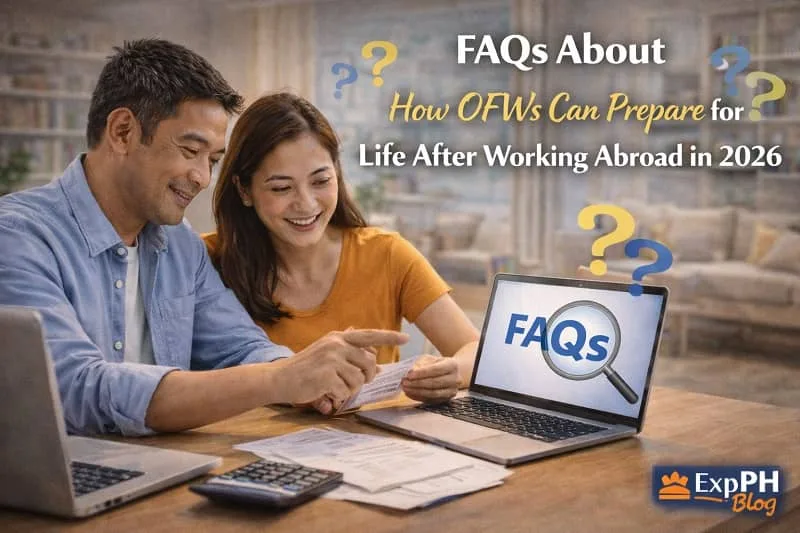
FAQs About How OFWs Can Prepare for Life After Working Abroad in 2026
What is the first step OFWs should take to prepare for life after working abroad?
OFWs should start early by saving consistently, managing debts, learning new skills, and creating realistic plans for income, health care, and family reintegration needs.
What does OFW Retirement Planning 2026 really mean?
OFW Retirement Planning 2026 focuses on financial security, career transition, emotional readiness, healthcare preparation, and sustainable income, helping OFWs adjust to life after overseas employment.
Can OFWs still prepare if retirement feels far away?
Yes, OFWs can still prepare by assessing finances honestly, cutting unnecessary expenses, upgrading skills quickly, and seeking guidance to build realistic post abroad plans goals.
What skills are most helpful for OFWs after working abroad?
Skills like freelancing, digital services, financial management, entrepreneurship, and communication help OFWs find income opportunities, adapt locally, and remain productive after working abroad successfully.
What income options are best for returning OFWs?
Many OFWs choose small businesses, online work, consulting, or local employment, depending on skills, capital, health, and personal goals after returning home for long term.
How should OFWs manage savings and investments for retirement?
OFWs should prioritize emergency funds, health insurance, retirement savings, and diversified investments, ensuring stability and protection against unexpected expenses after overseas work ends fully prepared.
Why is emotional preparation important for returning OFWs?
Emotional preparation helps OFWs manage identity changes, rebuild relationships, reduce stress, and adjust expectations, making reintegration smoother and family life more balanced over time together.
How can OFWs prepare for healthcare needs in the Philippines?
OFWs should research healthcare access, maintain insurance, save for medical needs, and understand local systems to avoid financial strain after returning home safely comfortably prepared.
What common mistakes should OFWs avoid when planning retirement?
Common mistakes include delaying planning, overspending on houses, trusting unverified investments, ignoring skills development, and relying on a single income source for security.
Why is early planning important for OFWs?
Starting early gives OFWs time to save more, learn skills, test income ideas, and adjust plans calmly without pressure or rushed decisions for better outcomes.
Test your understanding of smart planning, finances, and future readiness for 2026.
Results


#1. What is the main goal of OFW Retirement Planning 2026?
#2. When should OFWs start retirement planning?
#3. Which fund should OFWs prioritize first?
#4. What is a common mistake OFWs make?
#5. Which option helps OFWs earn after returning home?
#6. Why is skill upgrading important?
#7. What should OFWs plan emotionally?
#8. Which housing approach is smarter?
#9. Why is healthcare planning necessary?
#10. What supports smoother reintegration?
Please comment your experience with us and share what you learned or found challenging. Your feedback helps the OFW community grow stronger.
A Filipino web developer with a background in Computer Engineering. Founder of ExpPH Blog and ExpPH Business Guide, creating practical content on OFW guidance, business, finance, freelancing, travel, and lifestyle. Passionate about helping Filipinos grow, he shares insights that educate, empower, and inspire readers nationwide.

Pingback: Best Retirement Plans for OFWs in 2026 Guide for OFW Future!
Pingback: Best Family Lifestyle Practices for OFW Families 2026 Guide!
Pingback: Best Countries to Settle After OFW Life in 2026 Guide Tips.