

Best Retirement Planning Tips for Filipinos With OFW Income in 2026

Retirement planning is often delayed by Overseas Filipino Workers because daily responsibilities, family support, and overseas work demands take priority. However, 2026 is shaping up to be a crucial year for OFWs to take retirement seriously. Rising living costs, changing job markets abroad, and uncertainty around overseas contracts make OFW Retirement Planning more important than ever.
This guide is designed for real Filipinos working abroad who want a clear, practical, and realistic roadmap. Whether you plan to retire early, return home permanently, or build long-term income streams, this article will help you turn OFW income into lasting financial security.
Why OFW Retirement Planning Matters More in 2026
OFWs are known for being hardworking and resilient, yet many still depend on continuous overseas employment without a clear retirement plan. In 2026, rising costs, uncertain job security, and longer life expectancy make early and structured retirement planning more important than ever.
Rising Costs of Living in the Philippines
Even for those planning to retire in the Philippines, daily expenses continue to increase. Housing, healthcare, utilities, and food now cost more each year. Relying only on savings without a long term strategy can quickly lead to financial pressure and reduced quality of life.
Shorter Overseas Job Security
Overseas employment is no longer guaranteed for decades. Automation, changing labor demands, and shifting immigration policies reduce long term job stability. OFWs should not assume overseas work will last until retirement age and must prepare alternative income plans early.
Longer Life Expectancy
Filipinos are living longer, which means retirement savings must support more years without active income. Planning only for basic needs is no longer enough. A realistic retirement plan should cover healthcare, daily living, and unexpected expenses over a longer lifespan.

Understanding the Core of OFW Retirement Planning
Before applying specific strategies, it is important to understand what retirement planning truly means for OFWs. It involves preparing for long term financial security, lifestyle stability, and income independence beyond overseas work, not simply setting aside money for later years.
Retirement Is Not Just About Age
Retirement planning focuses on financial independence rather than reaching a specific age. For OFWs, this means building enough income sources to support daily living and healthcare needs without depending on continued overseas employment or extended work contracts.
Retirement Is a Process, Not a One Time Decision
Many OFWs believe retirement planning begins only when they are close to returning home. In reality, starting early allows steady progress, lower pressure, and better financial decisions that become easier to manage over time.
Set Clear Retirement Goals Early
Clear retirement goals make planning easier and more effective for OFWs. When goals are defined early, it becomes simpler to estimate future costs, choose suitable savings strategies, and stay consistent with financial decisions that support long term security.
Decide Where You Want to Retire
Deciding where you plan to retire shapes your entire retirement strategy. Whether you choose the Philippines, another country, or both, location affects daily expenses, healthcare access, housing costs, and the type of investments needed to support your lifestyle.
Define Your Desired Lifestyle
Your desired lifestyle plays a major role in retirement planning. A simple provincial life requires a smaller budget than city living. Being honest about comfort, travel, and daily habits helps ensure your financial plan matches your real expectations.
Set a Target Retirement Age
Setting a target retirement age provides direction for savings and investments. Knowing when you want to stop working helps calculate how much money you need and how aggressively you must save to reach your retirement goals.

Build a Strong Financial Foundation First
A strong financial foundation is essential before moving into advanced retirement strategies. It helps OFWs manage income responsibly, reduce financial stress, and build confidence. With clear financial basics in place, long term planning becomes more stable and easier to maintain.
Create a Realistic Monthly Budget
Creating a realistic monthly budget helps OFWs understand where their money goes. Tracking income and expenses allows better control over savings, investments, family support, and personal needs. A clear budget supports consistent financial habits and prevents unnecessary spending.
Establish an Emergency Fund
An emergency fund provides financial protection during unexpected situations. Saving at least six months of living expenses helps cover job loss, medical needs, or family emergencies. This fund prevents the need to borrow money or withdraw from long term savings.
Avoid Lifestyle Inflation
Higher overseas income often leads to increased spending. Avoid lifestyle inflation by controlling upgrades and focusing on long term goals. When income grows, increasing savings instead of expenses ensures future security and supports successful OFW retirement planning.
Smart Savings Strategies for OFWs
Saving is the backbone of OFW Retirement Planning. Consistent saving builds discipline, reduces financial stress, and creates stability for the future. With proper habits in place, OFWs can grow their funds steadily and prepare for long term financial security.
Automate Your Savings
Automating savings makes consistency easier for OFWs. Setting up automatic transfers to savings or investment accounts reduces temptation and ensures regular contributions. This habit helps build long term wealth without relying on daily decisions or fluctuating motivation.
Separate Retirement Savings From Daily Funds
Keeping retirement savings separate from daily funds helps prevent accidental spending. A dedicated account creates a clear boundary and reinforces the purpose of long term savings. This simple step improves financial discipline and protects retirement goals.
Increase Savings With Every Salary Increase
When income increases, adjusting savings first helps secure the future. Instead of expanding expenses, allocating more money to savings strengthens retirement plans and accelerates progress toward financial independence over time.

Investing Wisely With OFW Income
Savings alone are not enough to support long term retirement goals. Investing allows OFWs to grow their money over time and protect it from inflation. With proper planning and discipline, investments can strengthen financial security and support a stable retirement.
Understand Risk Based on Your Age
Risk tolerance changes with age. Younger OFWs can handle higher risk investments because they have more time to recover from losses. Those closer to retirement should focus on protecting capital while aiming for steady and reliable returns.
Diversify Your Investments
Diversifying investments helps reduce financial risk and improve long term stability. Avoid placing all funds in one option. Spreading money across different assets creates balance and protects your retirement plan from market fluctuations.
Learn Before You Invest
Investing without knowledge increases the chance of losses. Take time to learn basic financial principles before committing money. Understanding how investments work helps OFWs make informed decisions and avoid costly mistakes.
Government Programs Every OFW Should Know
Understanding government programs plays an important role in strengthening an OFW retirement plan. These programs provide basic financial protection, healthcare support, and long term benefits. Knowing how they work helps OFWs maximize contributions and avoid gaps in retirement preparation.
SSS and OWWA Contributions
Regular contributions provide benefits such as pensions, disability coverage, and survivor benefits, making it important to maintain active status. For official details on SSS benefits and contribution requirements, you can refer to the Social Security System website for accurate and updated information.
PhilHealth Coverage
Healthcare expenses are among the biggest costs during retirement. Maintaining continuous PhilHealth contributions helps reduce future medical expenses and provides access to basic healthcare support. For OFWs, staying covered offers peace of mind and protects retirement savings from unexpected health related costs.

Plan for Healthcare and Insurance Early
Healthcare planning is often overlooked, yet it plays a critical role in long term retirement security. For OFWs, early preparation helps manage future medical expenses, protect savings, and reduce financial stress. Planning ahead ensures access to care while preserving income and stability.
Secure Health Insurance While You Are Young
Health insurance is more affordable when you are young and in good condition. Securing coverage early allows lower premiums and wider benefits. Waiting until health issues appear can limit options and increase costs, making early action an important retirement decision.
Consider Long Term Care Needs
As people age, medical and caregiving needs increase. Planning for long term care helps avoid sudden financial strain on family members. Early preparation allows OFWs to explore care options, set aside funds, and maintain independence later in life.
Prepare for Life After Overseas Work
Retirement does not always mean stopping work completely. Many OFWs want to stay active, productive, and financially stable after returning home. Preparing early helps create purpose, maintain routine, and support a smoother transition into post overseas life.
Transition From OFW to Local or Online Income
Planning early makes it easier to shift from overseas employment to local or online income. Building skills, networks, and experience ahead of time allows OFWs to create income opportunities and avoid financial pressure after leaving overseas work.
Build Income Ready Skills for Retirement
One of the smartest OFW Retirement Planning strategies is preparing income generating skills that work anywhere.
Learning online allows OFWs to upskill during rest days, contract breaks, or free time abroad. Skills like freelancing, online business management, digital marketing, bookkeeping, and financial planning can provide income long after overseas employment ends.
A practical way to start is through structured online learning platforms such as Udemy, which offers courses on personal finance, freelancing, digital skills, and career transitions. These skills support long term income stability and help OFWs stay productive even after returning home.
To prepare for life after overseas work, many OFWs choose to strengthen practical skills that can generate income anywhere. Structured online learning makes this easier, especially for those balancing work schedules abroad. You can explore relevant learning paths at Udemy that focus on personal finance, freelancing, and career transition skills.

Avoid Common OFW Retirement Planning Mistakes
Learning from common retirement planning mistakes can save OFWs years of effort and financial stress. Understanding these risks early helps build smarter habits, protect hard earned income, and create a more secure path toward long term retirement goals.
Depending Solely on Family Support
Family support is important, but retirement planning should not depend on children or relatives. Relying on others can create pressure and uncertainty. Financial independence allows OFWs to retire with dignity, confidence, and control over their future.
Chasing High Return Schemes
High return promises often come with high risk. Many schemes that guarantee fast profits lead to financial losses. Sticking to realistic and well researched investments helps protect savings and supports steady long term growth.
Delaying Planning Until It Is Too Late
Delaying retirement planning is one of the biggest mistakes OFWs make. Waiting reduces options and increases pressure. Even small steps taken today can build momentum and lead to stronger financial security over time.
Create Multiple Income Streams Before Retirement
Relying on a single income source is risky for long term retirement security. Creating multiple income streams helps protect OFWs from job loss and economic changes. Diversified income provides stability and supports a more flexible and confident retirement plan.
Passive and Semi Passive Income Options
Passive and semi passive income options can support long term financial needs. Rental income, dividend investments, and online businesses can generate steady cash flow when planned carefully. These options help reduce reliance on active work during retirement.
Start Small and Scale Gradually
Starting small reduces risk and builds confidence. Large capital is not required in the beginning. Consistent effort and gradual scaling matter more than size and allow OFWs to grow income sources sustainably over time.

Align Family Expectations With Your Retirement Plan
Family communication plays a key role in OFW Retirement Planning. Open discussions about finances, goals, and limitations help avoid conflict and build understanding. When expectations are aligned early, retirement planning becomes more realistic and easier to sustain.
Set Financial Boundaries Early
Setting financial boundaries early helps protect retirement goals. Clear limits reduce misunderstandings and prevent long term financial pressure. OFWs who communicate boundaries clearly are better able to manage income, support family responsibly, and maintain control over future plans.
Educate Family Members About Retirement Goals
Educating family members about retirement goals builds cooperation and trust. When family understands long term plans, they are more likely to offer support and respect financial decisions. Shared awareness creates a healthier environment for retirement preparation.
Adjust Your Plan as Life Changes
Retirement planning is not fixed and should evolve over time. Changes in income, family needs, health, and career direction require regular adjustments. A flexible plan helps OFWs stay prepared and maintain financial stability through different life stages.
Review Your Plan Annually
Reviewing your retirement plan each year keeps it realistic and effective. Annual checks allow you to adjust savings, investments, and goals based on income changes, expenses, and priorities. Regular reviews help prevent small issues from becoming long term problems.
Adapt to New Opportunities and Risks
Staying informed allows OFWs to respond to new opportunities and risks. Economic conditions, job markets, and personal circumstances change over time. Flexibility helps protect retirement plans and supports smarter financial decisions as situations evolve.

Mental and Emotional Preparation for Retirement
Financial readiness is only one part of a successful retirement. Mental and emotional preparation also matters. Planning for lifestyle changes, daily routines, and personal fulfillment helps OFWs adjust smoothly and enjoy a balanced life after overseas work ends.
Prepare for Identity Changes
Many OFWs strongly identify with their work and role as providers. Retirement often brings changes in identity and routine. Preparing for this transition helps individuals find new purpose, maintain confidence, and stay mentally engaged after leaving overseas employment.
Build a Support Network
A strong support network improves retirement quality of life. Community involvement, hobbies, and social connections help reduce isolation and promote well being. Maintaining relationships and interests provides emotional balance and a sense of belonging during retirement years.
OFW Retirement Planning Checklist for 2026
Use this checklist as a practical guide to stay focused on essential retirement priorities. Reviewing these items regularly helps OFWs track progress, identify gaps, and maintain consistency. A simple checklist supports better decisions and keeps long term retirement planning organized and realistic.
- Emergency fund in place
- Clear retirement age and location
- Active SSS, PhilHealth, and OWWA contributions
- Annual retirement plan review scheduled
- Family aligned with retirement goals
- Diversified savings and investments
- Income generating skills prepared
- Health insurance coverage
Final Thoughts on OFW Retirement Planning in 2026
OFW Retirement Planning is no longer optional and should be treated as a personal responsibility to yourself and your family. Starting early gives you more control, flexibility, and peace of mind. Small but consistent actions build strong habits over time. Planning ahead allows OFWs to manage risks, prepare for life changes, and avoid financial pressure when overseas work ends.
2026 presents a strong opportunity to move from short term income thinking toward long term financial security. Through disciplined saving, smart investing, continuous skill development, and clear goals, OFWs can build a stable future. Retirement is not about stopping work but about having the freedom to choose how to live. Careful planning today allows years of sacrifice abroad to lead to a secure and fulfilling life at home.
These articles provide additional perspectives.
- Best Retirement Plans for OFWs in 2026
- Best Financial Goals OFWs Should Set for 2026
- Best Insurance Types Filipinos and OFW Families Should Have in 2026
- Best Home-Based Business Ideas for Returning OFWs in 2026
- Best Ways to Increase Income for Filipinos and OFWs in 2026
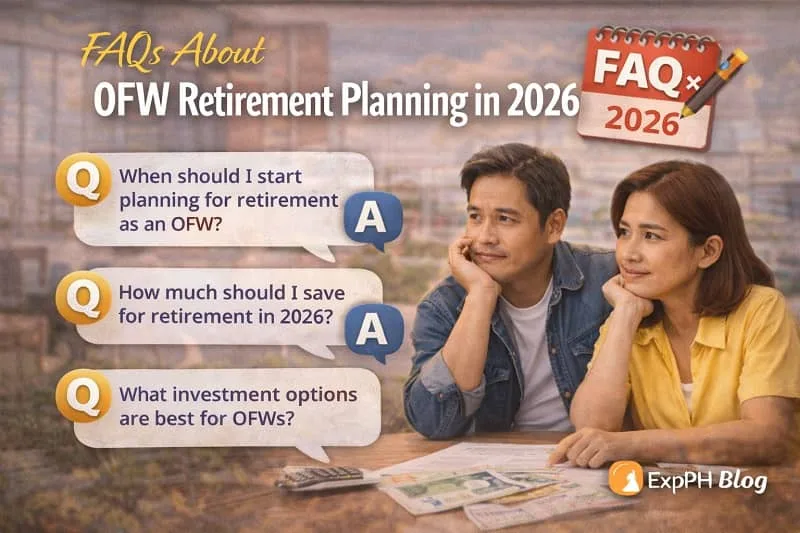
FAQs About OFW Retirement Planning in 2026
What is OFW retirement planning and why is it important in 2026?
OFW retirement planning focuses on preparing long term financial security using overseas income. In 2026, rising costs and job uncertainty make early planning essential.
How much should an OFW save monthly for retirement?
An OFW should aim to save at least 20 percent of monthly income for retirement, adjusting higher when possible based on age, goals, and family responsibilities.
When should OFWs start planning for retirement?
OFWs should start retirement planning as early as their first overseas contract. Early planning allows smaller contributions and reduces pressure as retirement approaches.
Are SSS and PhilHealth enough for OFW retirement?
SSS and PhilHealth provide basic support, but they are not enough alone. OFWs should combine them with savings, investments, and personal income strategies.
What investments are suitable for OFWs planning retirement?
Suitable investments include diversified funds, long term savings instruments, and income generating assets that match risk tolerance, time horizon, and retirement goals.
How can OFWs prepare income after returning to the Philippines?
OFWs can prepare post return income by developing skills, starting small businesses, or building online work opportunities before ending overseas employment.
Should OFWs rely on children for retirement support?
OFWs should not rely solely on children for retirement. Financial independence reduces family pressure and ensures dignity, stability, and personal control during retirement years.
How does healthcare planning affect OFW retirement?
Healthcare planning protects retirement savings from medical costs. Early insurance coverage and continuous PhilHealth contributions help manage long term health expenses effectively.
What common mistakes should OFWs avoid in retirement planning?
OFWs should avoid delaying planning, overspending, trusting high return schemes, and neglecting healthcare preparation, which often leads to financial stress later.
How often should OFWs review their retirement plan?
OFWs should review their retirement plan at least once a year to adjust savings, investments, and goals based on income changes and life circumstances.
Test your knowledge about Best Retirement Planning Tips for Filipinos With OFW Income in 2026.
Results


#1. What is the main goal of OFW retirement planning?
#2. When should OFWs start retirement planning?
#3. Which fund protects against emergencies?
#4. What percentage of income is ideal for retirement savings?
#5. Why is healthcare planning important for retirement?
#6. Which government program supports pensions?
#7. What should OFWs avoid for retirement safety?
#8. Why are multiple income streams helpful?
#9. What skill preparation helps post OFW life?
#10. How often should retirement plans be reviewed?
Your future self will thank you for learning and planning today.
Share your quiz experience in the comments and let us know which question helped you most.

A Filipino web developer with a background in Computer Engineering. Founder of ExpPH Blog and ExpPH Business Guide, creating practical content on OFW guidance, business, finance, freelancing, travel, and lifestyle. Passionate about helping Filipinos grow, he shares insights that educate, empower, and inspire readers nationwide.



Pingback: OFW Financial Planning: Build a Strong Foundation in 2026 PH
Pingback: 10 Smart OFW Budget Adjustments to Make When Costs Increase.