

Best Money Habits Every OFW Should Practice in 2026

Introduction
For millions of Overseas Filipino Workers, managing money wisely is not just a personal goal, it is a responsibility that affects families, futures, and long term security. As global costs rise and work conditions continue to change, developing strong financial discipline is more important than ever. This guide on OFW money habits 2026 is designed to help overseas Filipinos build stability, reduce stress, and prepare for life beyond overseas work.
This article is written for real OFWs, whether you are newly deployed, renewing contracts, or planning your return home. The focus is not quick wins or shortcuts, but sustainable habits that can support you for years to come. By practicing the right money habits today, OFWs can turn overseas income into lasting progress.
Understanding Your Income and Expenses Through OFW Money Habits 2026
Know Your Exact Monthly Net Income
One of the most important OFW money habits 2026 is having clear awareness of your real income. Many OFWs know their salary but do not know how much remains after deductions. Taxes, housing, food, transport, and work expenses all reduce take home pay. Knowing your true monthly income helps you plan wisely and avoid spending beyond your limits.
Take time to list every source of income, including overtime, bonuses, and side work. After that, subtract both fixed and variable expenses. This simple habit creates a realistic financial picture and builds a strong base for budgeting, saving, and long term planning.
Track Every Expense Without Guesswork
Tracking expenses is not about limiting yourself, it is about understanding your spending behavior. Small daily purchases may seem harmless, but they can slowly reduce your savings. OFWs should record expenses regularly using a notebook, spreadsheet, or app. What matters most is staying consistent rather than aiming for perfection.
When you clearly see where your money goes, you regain control over your finances. Expense tracking reveals unnecessary costs and shows opportunities to save more. This habit supports better decisions and strengthens overall financial discipline over time.
Create and Follow a Practical Budget
Use a Budget That Fits Your OFW Lifestyle
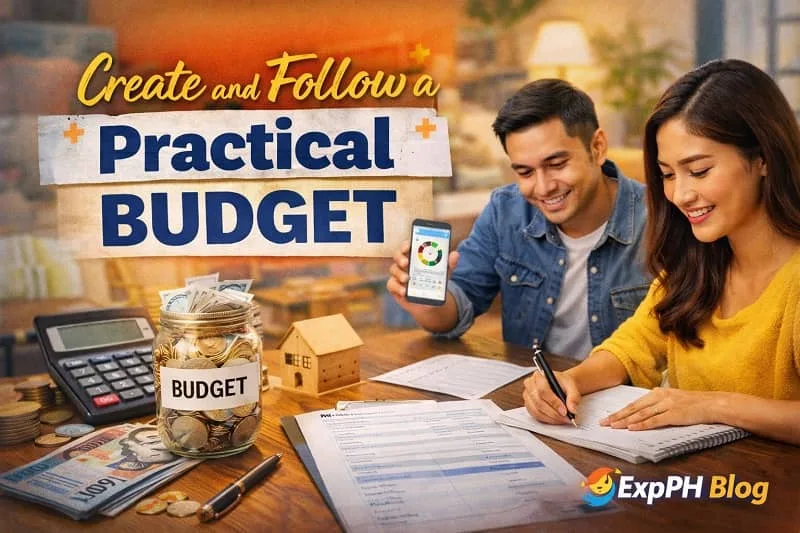
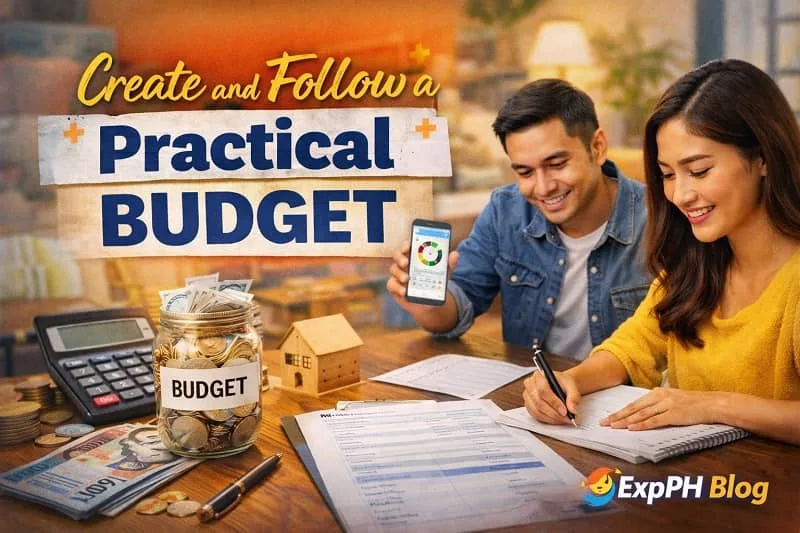
A budget works best when it reflects your actual situation. OFWs often deal with irregular schedules, changing income, and family expectations back home. Your budget should cover daily needs, savings, remittances, and personal spending without guilt. When a budget feels realistic, it becomes easier to follow and supports long term financial discipline.
Balance is essential for sustainability. A well planned budget allows you to enjoy life while still protecting your future goals. This approach prevents burnout and helps you stay committed to smart money habits over time.
Review and Adjust Your Budget Regularly
Life abroad changes quickly, and your budget should change with it. Rent increases, work hours shift, and family needs evolve. Reviewing your budget each month keeps it accurate and useful. This habit helps you avoid surprises and ensures your spending continues to match your priorities and financial goals.
Prioritize Consistent Saving
Treat Savings as a Fixed Expense
Saving should never depend on what remains at month end. One of the strongest OFW money habits 2026 is paying yourself first. Set aside savings as soon as you receive your income, just like paying rent or utilities. This habit builds discipline and ensures saving remains a priority regardless of spending patterns.
Even small contributions make a difference over time. Consistent saving creates momentum and builds confidence. As the habit strengthens, it becomes easier to increase savings without feeling pressured or restricted.
Separate Savings From Spending Accounts
Keeping savings separate from spending money reduces temptation and improves control. When savings are not easily accessible, they are more likely to remain untouched. Using different accounts for daily expenses, emergency funds, and long term goals helps organize your finances and supports steady progress toward financial security.
Build a Strong Emergency Fund
Understand Why Emergency Funds Matter for OFWs
Overseas work involves risks such as job loss, illness, or sudden relocation. An emergency fund provides financial protection during uncertain situations. It allows OFWs to handle problems without borrowing money and reduces stress during difficult periods. Having this safety net brings peace of mind and helps maintain stability when income is interrupted.
Aim to save three to six months of essential expenses. Reaching this goal takes time, but steady progress is more effective than rushing. Building gradually keeps saving manageable and sustainable.
Grow Your Emergency Fund Gradually
There is no need to complete your emergency fund all at once. Start with small contributions and increase them as your income grows. Celebrating small milestones helps maintain motivation and encourages consistency. Over time, this steady approach builds a reliable safety fund that supports long term financial security.

Avoid and Manage Debt Wisely
Limit Unnecessary Borrowing
Debt can quickly cancel the benefits of working overseas if it is not managed carefully. One of the healthiest OFW money habits 2026 is learning when to say no to borrowing. Loans used for non essential spending often create long term pressure. Careful decision making helps protect income and supports financial stability.
Borrowing should be purposeful and tied to long term improvement, not short term comfort. When loans are necessary, they should support education, skills, or income growth. Choosing discipline over impulse allows OFWs to preserve hard earned income and build a stronger financial foundation for the future.
Create a Debt Repayment Plan
If you already have debt, approach it with a clear and organized plan. Start by listing all balances, interest rates, and due dates so you fully understand what you owe. Prioritize paying debts with higher interest while maintaining minimum payments on others. A structured repayment plan reduces stress and helps you regain control of your finances faster.
Send Money Home With Purpose
Set Clear Remittance Goals
Remittances play a major role in OFW life, but they work best when guided by clear goals. Sending money home should support essential needs, savings, and future plans rather than unplanned spending. Having a clear purpose for each remittance helps OFWs manage income responsibly while maintaining financial stability and long term progress.
Open communication with family members is essential. Discuss expectations honestly and agree on specific amounts, schedules, and purposes for the money sent home. Clear agreements reduce misunderstandings and emotional pressure.
Encourage Financial Responsibility at Home
Supporting family does not mean carrying all financial responsibility forever. OFWs can encourage budgeting, saving, and small income activities at home to promote independence. When family members take part in managing finances, pressure is reduced and trust grows. Shared responsibility creates stronger relationships and helps ensure long term financial stability for everyone involved.
Plan for Long Term Goals Early
Define Your Financial Vision Beyond Overseas Work
Overseas work is often temporary, which makes long term planning essential for OFWs. Defining a clear financial vision helps guide daily decisions and spending habits. Whether the goal is starting a business, building a home, or retiring comfortably, having direction creates purpose. A clear vision turns overseas income into meaningful progress toward a stable future.
Writing down long term goals and reviewing them regularly helps maintain focus and motivation. This habit keeps priorities clear during challenging periods and prevents distractions from derailing plans. When goals are visible and specific, it becomes easier to stay committed and make consistent financial choices.
Break Big Goals Into Achievable Steps
Large goals can feel overwhelming without structure. Breaking them into smaller steps with realistic timelines makes them easier to manage. Each milestone achieved builds confidence and momentum. This step by step approach turns long term plans into achievable actions and helps OFWs stay encouraged throughout their financial journey.
Invest in Financial Education
Learn Continuously About Money Management
Financial knowledge is a powerful asset for OFWs who want lasting stability. Learning about budgeting, saving, and basic investing leads to better decisions and fewer mistakes. Education builds confidence and reduces fear when facing financial choices. By understanding how money works, OFWs gain greater control over their income and long term plans.
Continuous learning should be part of daily life. Use trusted resources, read regularly, and ask questions when something is unclear. Financial learning is not a one time effort but a long term habit that grows stronger with experience and consistent practice.
Avoid Trends You Do Not Understand
Not every financial opportunity is right for everyone. OFWs should avoid investments and trends they do not fully understand. Offers that promise quick gains often carry hidden risks. Choosing caution over hype helps protect hard earned income and prevents costly mistakes that can set back years of progress.
Protect Your Health and Income
Maintain Health Coverage and Emergency Plans
Health issues can disrupt income quickly, especially for OFWs working far from home. Understanding your health coverage and knowing what support is available during emergencies is essential. Medical expenses can create financial strain if unplanned. Proper coverage helps protect savings and ensures that unexpected health problems do not derail long term financial goals.
Maintaining healthy daily habits also supports financial stability. Taking care of physical and mental health reduces the risk of work interruptions and medical costs. When OFWs prioritize wellness alongside financial planning, they strengthen their ability to earn consistently and remain prepared for unexpected situations.
Build Skills to Stay Employable
Continuous skill development helps OFWs stay employable in a changing job market. Learning new skills or improving existing ones increases job security and opens opportunities for higher income. As industries evolve, adaptable workers remain in demand. Investing time in skills training allows OFWs to protect their careers and maintain steady earning potential over the long term.
Practice Mindful Spending
Spend With Intention, Not Emotion
Overseas work can be stressful, and spending may slowly become a coping habit. Long hours, homesickness, and pressure can lead to emotional purchases that feel comforting at the moment. Without awareness, these habits can weaken savings and delay financial goals. Recognizing emotional spending is the first step toward building healthier and more intentional money habits.
Mindful spending encourages OFWs to pause before making a purchase. Asking whether an expense supports long term goals or only offers temporary relief helps guide better decisions. This habit improves self control, reduces regret, and strengthens financial discipline.
Allow Yourself Balanced Enjoyment
Good money habits do not mean living without enjoyment. OFWs should allow reasonable spending within a planned budget to maintain balance. Enjoying life responsibly helps prevent burnout and frustration. When spending is controlled and intentional, it supports consistency and makes financial discipline easier to sustain over the long term.

Strengthen Your Financial Discipline Over Time
Build Habits Slowly and Sustainably
Lasting financial change takes time, especially for OFWs balancing work demands and family responsibilities. Trying to fix everything at once often leads to frustration and burnout. Focusing on one or two money habits allows steady progress and builds confidence. Small improvements made consistently are easier to maintain and create stronger financial foundations over time.
Building habits slowly encourages sustainability and long term success. Each positive change reinforces discipline and motivates continued effort. As these habits become routine, they naturally support better budgeting, saving, and decision making.
Stay Accountable to Yourself
Staying accountable to yourself helps maintain strong money habits over time. Reviewing your progress regularly allows you to see what is working and where adjustments are needed. Accountability builds discipline and confidence while keeping goals visible. Setbacks are part of the journey and should be viewed as learning moments rather than failures that stop progress.
Conclusion
Practicing strong OFW money habits 2026 goes beyond saving income earned abroad. It is about building long term security, confidence, and financial freedom for yourself and your family. When OFWs understand their income, follow a realistic budget, save consistently, manage debt wisely, and plan ahead, overseas work becomes a meaningful step toward stability rather than a permanent sacrifice. These habits turn effort into progress and reduce financial stress over time.
Every OFW journey is unique, yet the foundations of good money habits remain consistent. Start with what you can control today and commit to steady improvement. Progress does not require perfection. With patience, discipline, and clear goals, OFWs can transform hard work abroad into lasting stability and a better future at home.
Further articles connected to this topic are available below.
- The 50/30/20 Rule A Filipino’s Guide to Smart Budgeting
- Top OFW Banking Apps: Banking, Remittance, Communication & Safety Apps
- Top Common OFW Challenges and How to Overcome Them
- 5 Powerful Apps Helping OFWs Thrive Abroad
- How to Manage Finances Abroad for OFWs
For transparency purposes, click the link below.
- Securities and Exchange Commission Philippines (SEC PH)
- Overseas Workers Welfare Administration (OWWA)
- Commission on Filipinos Overseas (CFO)
- Department of Migrant Workers (DMW)
- Bangko Sentral ng Pilipinas (BSP)

FAQs About Best Money Habits Every OFW Should Practice in 2026
What are the most important money habits for OFWs in 2026?
The most important habits include budgeting consistently, saving regularly, avoiding unnecessary debt, building an emergency fund, and planning long term goals beyond overseas employment.
Why should OFWs focus on money habits instead of income alone?
A high income without discipline disappears quickly. Strong money habits help OFWs manage earnings wisely, reduce stress, and build lasting financial security for their families.
How can OFWs start budgeting effectively while working abroad?
OFWs can start by tracking all expenses, identifying priorities, and creating a simple budget that fits their lifestyle, income schedule, and family responsibilities back home.
How much should an OFW save each month?
There is no fixed amount, but saving at least ten to twenty percent of monthly income is a good target, adjusted based on living costs and financial goals.
Why is an emergency fund important for OFWs?
An emergency fund protects OFWs from sudden job loss, illness, or contract issues, preventing reliance on loans and helping maintain stability during unexpected situations.
How can OFWs avoid falling into debt?
OFWs can avoid debt by living within their means, limiting unnecessary loans, planning expenses carefully, and prioritizing savings before discretionary spending.
Is sending money home regularly a good financial habit?
Yes, but it should be guided by clear goals and communication. Purposeful remittances support family needs without sacrificing the OFW’s own financial future.
When should OFWs start planning for life after overseas work?
OFWs should start planning as early as possible. Early planning allows time to save, invest wisely, and prepare for business, retirement, or permanent return home.
How does financial education help OFWs manage money better?
Financial education improves decision making, reduces fear of money topics, and helps OFWs avoid scams, bad investments, and costly financial mistakes.
Can OFWs still enjoy life while practicing good money habits?
Yes. Good money habits encourage balance, allowing enjoyment within a budget while staying focused on long term goals and financial stability.
Test your financial knowledge as an Overseas Filipino Worker.
Results


#1. What should OFWs track first to manage money better?
#2. Which habit helps avoid overspending?
#3. What percentage is ideal for savings?
#4. Why is an emergency fund important?
#5. When should OFWs start financial planning?
#6. What is a healthy approach to debt?
#7. What helps OFWs control spending emotions?
#8. Why separate savings accounts?
#9. What supports long term income security?
#10. What makes remittances sustainable?
Have you practiced any of these money habits while working abroad?
Comment below and share your experience with us. Your journey can inspire fellow OFWs.

A Filipino web developer with a background in Computer Engineering. Founder of ExpPH Blog and ExpPH Business Guide, creating practical content on OFW guidance, business, finance, freelancing, travel, and lifestyle. Passionate about helping Filipinos grow, he shares insights that educate, empower, and inspire readers nationwide.


Pingback: OFW Savings Tips 2026 Best Ways to Save More Money This Year
Pingback: Best Side Hustles for OFWs in 2026 That Actually Work Today!