

OFW Life Planning Checklist for 2026
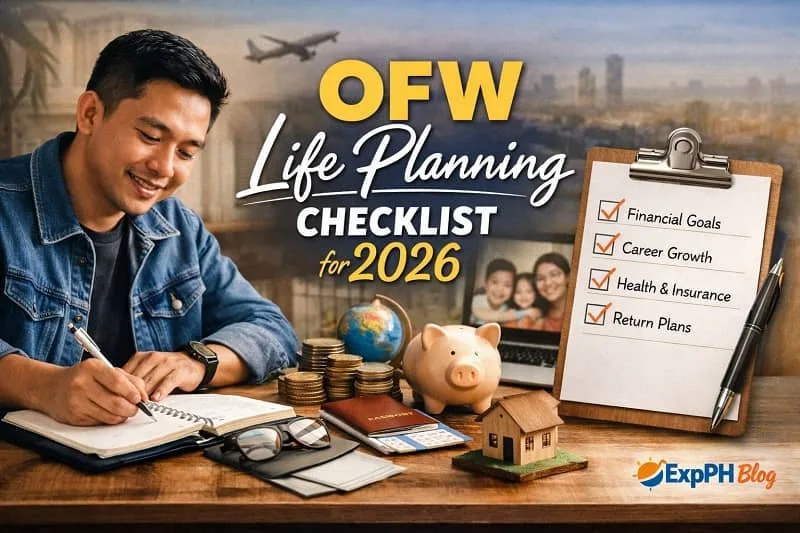
Life abroad as an Overseas Filipino Worker is often described as a sacrifice with a purpose. You leave home not just to earn, but to build something meaningful for yourself and your family. As 2026 approaches, many OFWs are realizing that income alone is not enough. What matters more is direction, protection, and long-term clarity.
This OFW Life Planning Checklist is designed to help you step back, review your current situation, and plan the next phase of your life with intention. It is not about perfection or pressure. It is about preparation, balance, and making smarter choices today so your future feels more secure tomorrow.
Whether you are newly deployed, in the middle of your overseas career, or preparing for eventual return to the Philippines, this guide walks you through the most important areas of OFW life planning in a practical and realistic way.
Why Every OFW Needs a Life Planning Checklist
Many OFWs live in survival mode, focusing on work, remittances, and daily responsibilities. Without a clear plan, years abroad can pass quickly. Important chances for savings, career growth, or a smooth transition home may be overlooked, leaving long-term goals uncertain.
An OFW Life Planning Checklist helps you:
- Turn overseas work into long-term stability
- Avoid financial leaks and emotional burnout
- Prepare for emergencies, career shifts, or return plans
- Align daily sacrifices with future goals
Life planning does not mean leaving overseas work right away. It means using your time abroad wisely, making sure your efforts today support a more secure, balanced, and meaningful future for you and your family.

Personal and Family Goal Setting
Life planning begins with clarity and purpose. Before focusing on money, investments, or career upgrades, OFWs need clear direction. Knowing what you want from your overseas journey helps guide daily decisions and prevents working abroad without a meaningful long-term plan.
Define Your Personal Goals as an OFW
Honest self-reflection helps shape your future. Ask yourself:
- Why am I working abroad right now
- How long do I plan to stay overseas
- What kind of life do I want in five to ten years
Your answers guide every decision in this checklist. Goals may change over time, and that is normal. What matters is having a clear reference point to keep your efforts focused.
Align Family Expectations Early
Unclear expectations often create stress for OFWs. Take time to talk with your family, even online, about shared goals and limits. Discuss:
- Financial priorities
- Support boundaries
- Long-term plans like housing, education, or business
Open communication reduces guilt-driven spending and emotional pressure, helping everyone stay aligned and supportive throughout your overseas journey.
Financial Stability and Smart Money Management
Money is the foundation of OFW life planning, but income alone is not enough. Without intention and structure, earnings can disappear quickly. Smart money management helps OFWs build security, reduce stress, and ensure overseas work leads to lasting financial stability.
Build and Maintain an Emergency Fund
Every OFW should build an emergency fund equal to three to six months of expenses. This fund protects you from unexpected situations such as:
- Sudden job termination
- Medical emergencies
- Delayed salaries or contract issues
Keep this fund liquid and easy to access. Avoid placing it in risky investments so it remains available when you need it most.
Review Your Savings and Remittance Strategy
Sending money home without a system often leads to waste. A clear strategy helps control cash flow and protect your goals. Consider:
- Separate accounts for savings, expenses, and investments
- Automated savings before remittance
- Clear monthly allocations
Your income should follow a plan. When managed intentionally, every peso works toward your future instead of disappearing through habit.

Debt Management and Financial Clean-Up
Debt quietly limits financial freedom for many OFWs. When ignored, it consumes income and delays progress toward savings and goals. Cleaning up debt allows your hard-earned money to work for your future instead of paying for past decisions.
Identify and Prioritize High-Interest Debt
Start by listing all debts, including loans before deployment and obligations created abroad. Focus on clearing the most damaging ones first:
- High-interest personal loans
- Credit card balances
- Informal debts with emotional pressure
Reducing debt improves cash flow and brings peace of mind, helping you regain control over your finances.
Avoid Lifestyle Inflation Abroad
Earning more does not always lead to freedom if spending rises at the same pace. Be mindful of habits that increase expenses, such as:
- Frequent upgrades in gadgets or travel
- Excessive subscriptions
- Pressure to maintain appearances
A disciplined lifestyle helps you save faster and shortens the time needed to reach your long-term goals.
Career Sustainability and Skill Growth
Overseas work does not always last forever. Industries change, contracts end, and demand shifts. Planning for career sustainability helps OFWs stay relevant, protect income, and avoid sudden disruption. Thinking ahead gives you more control over your career path.
Assess the Long-Term Demand of Your Current Job
Evaluating your role helps you prepare for the future. Ask yourself:
- Is my job still in demand globally
- Can it be replaced by automation or cheaper labor
- Does it transfer well to the Philippines
Being aware of these factors allows you to adjust early, build new skills, and avoid being forced into rushed decisions later.
Strategic Upskilling for OFWs
One of the smartest steps in your OFW Life Planning Checklist is continuous learning. Skills protect income, improve job security, and create more options for the future.
Many OFWs prepare for remote work, freelancing, or business by learning in-demand skills such as digital marketing, IT support, bookkeeping, design, and online services.
A practical way to begin is through structured online learning platforms that offer flexible schedules and self-paced lessons.
If you are exploring skill upgrades for career security or future income options, you may find this helpful: Udemy online courses for skill development and freelancing
This is not about rushing into freelancing. It is about building skills gradually so you have more choices when your career or location changes.

Legal, Contract, and Documentation Readiness
Proper documentation protects your rights and security as an OFW. Clear records help prevent misunderstandings with employers and agencies. Staying organized also ensures you are prepared for inspections, renewals, or unexpected situations while working abroad.
Review Your Employment Contract Annually
Reviewing your contract each year helps you stay informed and protected. Make sure you clearly understand:
Make sure you clearly understand:
- Contract duration
- Renewal terms
- Exit conditions
- Benefits and protections
Never rely on verbal promises. Always keep digital and printed copies of your contract so you can access them when needed.
Stay Updated with Official OFW Policies
Government regulations change, and staying informed helps avoid penalties or missed benefits.
For official guidance on overseas employment policies, OFW protection, and deployment requirements, refer to the Department of Migrant Workers (DMW) official website.
This source is especially useful when verifying legal updates or worker rights.
Health, Insurance, and Well-Being Planning
Health is often overlooked while working abroad, especially when the focus is on earning and supporting family. Ignoring health risks can lead to serious problems later. Planning for physical and emotional well-being helps OFWs stay productive, focused, and secure long term.
Secure Health and Life Insurance Coverage
Insurance protects both you and your loved ones. Make sure you have the following in place:
- Adequate health insurance abroad
- Life insurance that covers dependents
- Clear and updated beneficiaries
Insurance is not an unnecessary cost. It is protection that safeguards your family’s future if unexpected events happen.
Prioritize Mental and Emotional Health
OFWs often face loneliness, stress, and emotional fatigue. Small habits can make a big difference, including:
- Regular check-ins with loved ones
- Consistent physical activity
- Clear boundaries at work
A healthy mindset supports better decisions, stronger relationships, and a more sustainable overseas career.

Long-Term Investment and Asset Planning
Saving money is important, but investing with clear purpose creates long-term stability. For OFWs, investments should support future security, not add pressure. Thoughtful planning helps turn overseas earnings into assets that grow steadily and align with your long-term goals.
Choose Investments You Understand
Avoid decisions driven by hype or urgency. Before investing, focus on understanding key factors such as:
- Time horizon
- Risk tolerance
- Liquidity needs
If you do not fully understand an investment, pause and learn first. Informed choices protect your savings and reduce unnecessary financial stress.
Property and Business Planning Considerations
Planning property or business back home requires patience and careful review. Keep these points in mind:
- Avoid rushing due to pressure
- Verify documents thoroughly
- Separate emotion from analysis
Well-chosen assets should support peace of mind and stability. Long-term investments should simplify your life, not create new worries.
Return and Transition Planning
Even if returning home feels distant, early planning gives OFWs more control and confidence. Thinking ahead helps prevent rushed decisions and financial stress. A clear return plan allows you to move back on your own terms, not because of pressure or emergency.
Define What “Going Home” Means for You
Returning home can take many forms depending on your goals and situation. Return planning may include:
- Permanent return
- Business transition
- Semi-retirement
- Hybrid overseas and local income
There is no single right path. What matters is choosing an option that supports your lifestyle, finances, and long-term well-being.
Prepare Income Before You Return
Returning without income planning can lead to hardship. Before going home, take time to prepare by reviewing:
- Savings runway
- Income alternatives
- Skills monetization
Having income in place protects your dignity and independence, allowing you to focus on rebuilding life at home with confidence.

Digital Security and Financial Protection
Many OFWs now manage banking, remittances, and investments online. While digital tools offer convenience, they also increase security risks. Protecting your financial information is part of responsible life planning and helps prevent fraud, identity theft, and unexpected financial loss.
Protect Online Accounts and Personal Data
Simple security habits greatly reduce digital risks. Make sure you consistently use:
- Strong passwords
- Two-factor authentication
- Secure devices
Digital safety is an essential part of financial planning. Protecting your accounts ensures your hard-earned money remains safe and accessible when you need it.
Annual Review and Life Audit
Life planning is not something you do once and forget. Situations change, goals shift, and priorities evolve over time. Regular reviews help OFWs stay aligned, correct mistakes early, and ensure their overseas efforts continue supporting long-term stability and personal well-being.
Conduct a Yearly OFW Life Review
Set time each year to review important areas of your life. Focus on:
- Financial progress
- Career direction
- Health and well-being
- Family alignment
After reviewing, adjust your OFW Life Planning Checklist as needed. Updating your plan keeps it realistic, relevant, and aligned with your current life stage.
Conclusion: Turning Overseas Work Into a Meaningful Future
Being an OFW is one of the hardest and bravest paths a Filipino can take. Working far from home requires sacrifice, discipline, and emotional strength. While the challenges are real, overseas work also provides a powerful opportunity to build a future with purpose. With clear planning, your efforts abroad can create long-term stability, protect your family, and give you more control over your life direction.
This OFW Life Planning Checklist is not about doing everything at once or chasing quick results. It focuses on making conscious choices step by step. Each decision helps turn overseas work into security, peace of mind, and future freedom. Plan carefully, protect yourself, and invest in growth. Your future deserves the same effort you give your work today.
Continue your learning journey inside the ExpPH Blog Learning Hub with these related guides:
- Best OFW Success Habits to Build in 2026
- Best Reintegration Plans for Returning OFWs in 2026
- Best Retirement Planning Tips for Filipinos With OFW Income in 2026
- Best Productivity Habits Filipinos and OFWs Should Practice in 2026
- Balancing Work and Personal Life Abroad
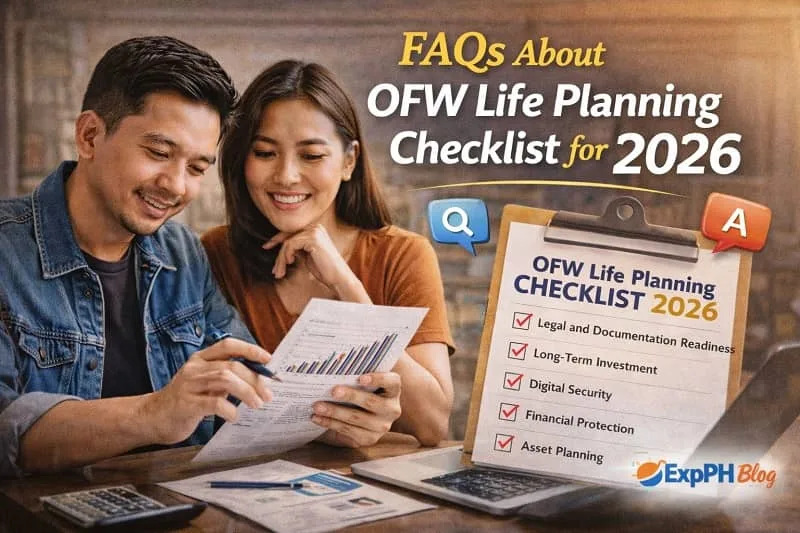
FAQs About OFW Life Planning Checklist for 2026
What is an OFW Life Planning Checklist for 2026?
It helps OFWs organize finances, career goals, health protection, and return plans, ensuring overseas work leads to long-term stability instead of short-term survival for families.
Who should use an OFW Life Planning Checklist?
Any overseas Filipino worker, whether new, mid-career, or returning, can use it to guide decisions, reduce risks, and align sacrifices with future goals clearly.
How often should OFWs review their life planning checklist?
It is best reviewed yearly or whenever major changes happen, such as job loss, promotion, health issues, or shifting family responsibilities and priorities abroad.
Is the OFW Life Planning Checklist only about money?
No, it covers finances, career sustainability, health, legal readiness, mental well-being, investments, and return planning, giving OFWs a balanced life framework for long-term personal security.
Can OFWs start life planning even with low income?
Yes, life planning focuses on habits and direction, not income size, helping OFWs maximize whatever they earn through structure, discipline, and clear priorities consistently abroad.
How does life planning help OFW families?
It sets clear expectations, improves communication, reduces financial misunderstandings, and ensures family support aligns with realistic goals instead of emotional or impulsive decisions over time.
Does the checklist include return or reintegration planning?
Yes, return planning is essential, helping OFWs prepare savings, skills, and income options before going home, avoiding financial shock and unemployment risks for their families.
Can an OFW Life Planning Checklist reduce burnout?
Having a clear plan reduces stress, decision fatigue, and uncertainty, helping OFWs feel more in control, motivated, and mentally prepared for overseas challenges ahead confidently.
Is this checklist useful beyond 2026?
Yes, it is designed as an evergreen guide that adapts to changing goals, countries, and careers while keeping OFWs focused on sustainable progress long-term success.
How is this different from a simple budget plan?
A budget tracks money, while a life planning checklist covers finances, career, health, family, and future direction, giving OFWs a complete roadmap for overseas life.
Ready to check what you learned? Test your understanding of smart OFW life planning below.
Results


#1. What is the main purpose of an OFW Life Planning Checklist?
#2. Which area is NOT part of OFW life planning?
#3. Why is emergency funding important for OFWs?
#4. How often should OFWs review their life plan?
#5. What helps reduce OFW financial stress?
#6. Why is skill upgrading important for OFWs?
#7. What should OFWs prepare before returning home?
#8. Which mindset supports long-term OFW success?
#9. What role does family alignment play?
#10. What makes this checklist effective long term?
We appreciate you investing time in learning and planning your future.
Your overseas journey matters, and informed choices make it stronger. Share your experience.
Comment below and tell us which question made you reflect most on your OFW life planning.
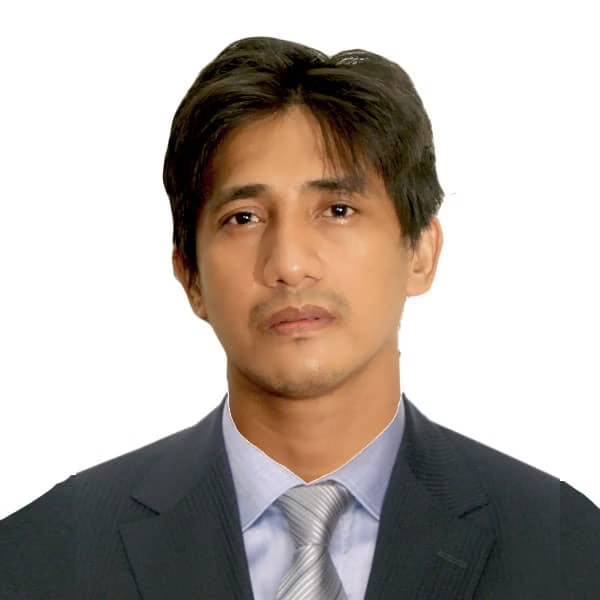
A Filipino web developer with a background in Computer Engineering. Founder of ExpPH Blog and ExpPH Business Guide, creating practical content on OFW guidance, business, finance, freelancing, travel, and lifestyle. Passionate about helping Filipinos grow, he shares insights that educate, empower, and inspire readers nationwide.