

Best Ways for OFWs to Support Their Families in 2026

Supporting family is the heart of why many Filipinos choose to work abroad. For Overseas Filipino Workers, providing a better life for loved ones is often the main motivation behind years of sacrifice, long separations, and demanding jobs. As 2026 approaches, OFW Family Support is no longer just about sending money home. It now includes emotional presence, financial planning, education, health protection, and long term stability.
This guide is written for real OFWs and their families. It focuses on practical, realistic, and sustainable ways to support loved ones while protecting your own future. Whether you are a new OFW or someone with years of overseas experience, these strategies can help you strengthen family support without burning out or creating long term pressure.
Why OFW Family Support Is Changing in 2026
Family support remains a core responsibility for OFWs. However, the way support is provided continues to change. In 2026, effective family support goes beyond sending money. It now involves planning, communication, and long term thinking that protect both the family’s stability and the OFW’s future.
Rising Costs and New Family Needs
Living expenses in the Philippines continue to increase, affecting food, utilities, healthcare, and education. Families now need smarter and more organized support systems rather than higher remittances alone. OFWs must carefully balance household needs with savings, insurance protection, and long term financial goals.
Longer Overseas Careers and Emotional Impact
Many OFWs remain abroad longer than originally planned due to financial responsibilities. Without clear boundaries, this can cause emotional distance, growing dependency, and financial stress. Modern OFW family support focuses on balance, regular communication, and shared responsibility instead of continuous personal sacrifice.
Understanding the Core of OFW Family Support
True OFW Family Support is not defined by the amount of money sent home. Its real value lies in how support strengthens long term family stability, builds responsibility, and prepares loved ones for a future that is secure even without constant overseas income.
Financial Support With Purpose
Financial support should be planned and intentional. Money must cover daily needs, education, healthcare, and future goals. Unplanned or emotional spending often creates dependency and pressure, making it harder for families to develop discipline, independence, and healthy financial habits.
Emotional Presence Despite Distance
Emotional presence remains essential even when working abroad. Regular communication, guidance, and participation in family decisions help maintain trust and closeness. Staying emotionally involved reassures families that support goes beyond money and strengthens relationships despite physical separation.

Build a Strong Financial System for Family Support
A strong financial system is the foundation of effective OFW family support. Clear structure helps manage responsibilities, reduce stress, and protect future plans. When finances are organized, OFWs can support their families consistently without sacrificing savings or long term financial security.
Create a Clear Monthly Family Support Plan
Instead of sending money whenever requested, OFWs should set a fixed monthly support amount based on a realistic budget. This approach creates stability, reduces emotional pressure, and helps families plan expenses while respecting financial limits and long term priorities.
Separate Family Support From Personal Savings
OFWs should maintain separate accounts for family support, personal savings, and emergency funds. This separation protects long term goals and prevents daily family needs from slowly consuming money intended for savings, emergencies, and future life plans.
Support Daily Household Needs More Efficiently
Helping families manage daily expenses wisely reduces long term stress and financial pressure. When household spending is organized, families can meet basic needs without waste. Efficient support allows OFWs to assist consistently while avoiding repeated requests and unnecessary strain.
Encourage Budgeting at Home
Teaching family members how to budget household expenses builds discipline and awareness. Budgeting helps them understand financial limits, plan monthly needs, and prioritize essentials over wants. This habit encourages responsibility and reduces reliance on frequent financial assistance.
Reduce Cash Dependency
Sending only cash can lead to overspending and poor money management. Combining cash support with direct assistance such as paying bills or purchasing essentials helps control expenses and ensures support is used for intended household needs.
Support Family Needs Through Practical Online Shopping
Many OFWs now support families by ordering household essentials, school supplies, appliances, and small business tools directly online. This ensures money is spent on intended needs while saving time for families.
A practical resource for this is Shopee Philippines, which allows OFWs to send groceries, school supplies, and business materials directly to their families. It is also useful for families starting small online selling or home based income activities.
You can explore practical family support options through the Shopee Philippines website to manage household needs more efficiently.
Using online platforms this way supports daily needs while promoting responsible spending.

Help Families Build Local Income Sources
OFW Family Support should focus on reducing total dependency over time. Encouraging families to earn locally helps them become more confident and self sufficient. Local income provides stability, reduces pressure on remittances, and supports long term household financial independence.
Encourage Small Family Businesses
Small family businesses such as sari sari stores, online reselling, food preparation, or service based work can generate steady income. With proper guidance and realistic expectations, these businesses help families develop responsibility while easing reliance on overseas support.
Support Skill Development at Home
Encouraging family members to learn practical skills builds long term value. Skills like bookkeeping, digital selling, and basic business management improve income potential and confidence, allowing families to grow financially without depending solely on remittances.
Prioritize Education as a Long Term Investment
Education remains one of the strongest forms of family support for OFWs. Investing in learning builds skills, discipline, and future earning ability. It prepares family members for independence and reduces long term reliance on overseas income while creating lasting opportunities.
Support Schooling With Clear Goals
OFWs should discuss educational goals with children and relatives early. Understanding tuition costs, study timelines, and expected outcomes helps avoid unnecessary expenses and ensures education choices align with practical career paths and long term family plans.
Teach Financial Responsibility Early
Children of OFWs should learn the value of money, effort, and planning at a young age. Teaching responsible habits helps prevent entitlement and prepares them to manage finances wisely as they grow into independent adults.

Protect Family Health and Medical Needs
Healthcare is a critical part of OFW family support. Protecting family health reduces financial shock, stress, and uncertainty. When medical needs are planned in advance, families feel secure and OFWs avoid sudden expenses that can disrupt savings and long term financial goals.
Maintain Health Coverage for Dependents
Ensuring family members have access to healthcare helps manage medical costs and reduces emotional stress. OFWs should keep dependents properly covered and updated. For official and reliable information on benefits and membership, refer to PhilHealth.
Prepare for Medical Emergencies
Setting aside a dedicated family emergency fund for medical needs is essential. This fund helps cover unexpected treatment costs and prevents panic borrowing or selling important assets during health emergencies that require immediate financial support.
Provide Emotional Support and Guidance
Emotional support is often overlooked yet deeply important for OFW families. Beyond financial help, families need guidance, reassurance, and connection. Emotional presence strengthens relationships, reduces loneliness, and helps families feel supported even when physical distance separates them.
Stay Involved in Family Decisions
Even while working abroad, OFWs should remain involved in major family decisions. Participation builds trust, shows responsibility, and prevents misunderstandings. When families feel guided, they are more confident and less likely to make choices that create long term problems.
Schedule Regular Communication
Regular communication creates emotional security for families. Meaningful conversations provide guidance and comfort. Quality discussions matter more than frequent short messages, helping OFWs stay connected and involved in their families’ lives despite distance.

Set Healthy Financial Boundaries
Healthy financial boundaries protect both OFWs and their families. Clear limits reduce stress, prevent misunderstandings, and support long term stability. When boundaries are respected, families learn responsibility while OFWs protect their finances and avoid burnout caused by constant financial pressure.
Learn to Say No When Necessary
Not all financial requests are urgent. Learning to say no to non essential expenses helps protect long term family stability. Clear and respectful refusal teaches limits while encouraging families to manage resources more responsibly.
Avoid Becoming the Only Safety Net
OFWs should avoid becoming the only source of financial support. Encouraging family members to contribute when possible builds shared responsibility. This approach strengthens relationships, reduces resentment, and helps families become more independent over time.
Plan for Long Term Family Stability
OFW Family Support should always focus on the future. Looking ahead helps families prepare for changes in income and responsibilities. Long term planning reduces uncertainty and ensures that years of overseas work lead to lasting stability rather than financial dependence.
Prepare for Your Eventual Return
Families should be prepared for the time when OFW income slows or eventually stops. Early preparation allows households to adjust expectations, avoid financial shock, and reduce conflict when overseas work is no longer possible.
Build Assets Together
Building assets together strengthens long term security for the whole family. Investing in education, small businesses, or modest property creates value that continues to support families even after overseas income ends.
Manage Remittances Wisely
Sending money home is only effective when it is managed properly. Clear systems help families use support responsibly while protecting the OFW’s finances. Proper management reduces misunderstandings, prevents waste, and ensures remittances support real needs and long term goals.
Use Clear Remittance Schedules
Using fixed remittance schedules creates stability for both OFWs and their families. Predictable timing reduces emotional pressure, limits constant requests, and helps households plan expenses more effectively within set financial boundaries.
Track Where Money Goes
Tracking how money is spent builds transparency and trust. Reviewing expenses together helps families improve spending habits, identify waste, and align financial support with shared priorities and long term plans.
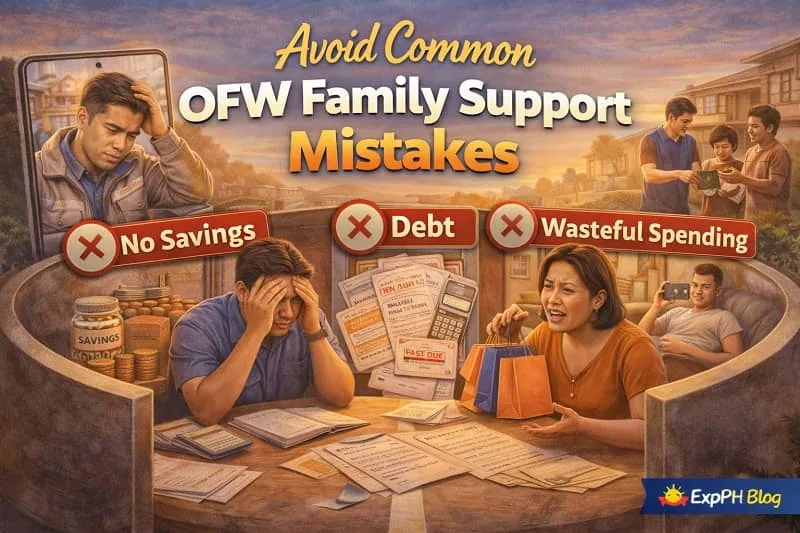
Avoid Common OFW Family Support Mistakes
Many OFWs repeat the same mistakes out of love or guilt. These actions often come from good intentions but can create long term problems. Understanding common mistakes helps OFWs protect their future while still providing meaningful and responsible family support.
Oversupporting at the Cost of Your Future
Supporting family should never destroy personal financial security. Oversupporting can drain savings and delay future plans. A balanced approach allows OFWs to help loved ones while still protecting long term goals and personal stability.
Replacing Parenting With Money
Money should never replace proper parenting. Children need guidance, discipline, and emotional presence to grow responsibly. Financial support without involvement can create entitlement and weaken values that are essential for independence and maturity.
Teach Families About Financial Independence
Teaching families about financial independence empowers them to stand on their own. Education builds confidence, responsibility, and decision making skills. When families understand money management, they rely less on remittances and become more capable of handling financial challenges independently.
Share Financial Knowledge
Sharing basic financial knowledge helps families make better decisions. Simple lessons on saving, budgeting, and planning improve money habits. These skills create discipline and awareness that support long term stability and responsible use of financial support.
Celebrate Progress Toward Independence
Recognizing progress encourages positive behavior. Celebrating small wins such as reduced dependency or increased income motivates family members. Appreciation reinforces effort and builds confidence, making independence feel achievable and rewarding over time.
Align Family Expectations With Reality
Aligning family expectations with reality helps prevent conflict and disappointment. Clear understanding of financial capacity allows families to plan responsibly. When expectations are realistic, support becomes healthier and relationships remain stable without constant tension or unmet assumptions.
Discuss Limits Early
Discussing financial limits early creates clarity and trust. Open conversations help families understand what support is possible and what is not. This approach prevents misunderstandings and reduces emotional pressure on OFWs over time.
Explain Your Long Term Goals
Explaining long term goals helps families see the bigger picture. When loved ones understand future plans, they are more likely to respect boundaries and support decisions that protect financial stability and shared security.

Balance Support With Self Care
OFWs must protect their own well being while supporting their families. Balancing responsibilities with personal care helps prevent exhaustion and stress. When OFWs remain healthy and focused, they can provide consistent support without sacrificing their mental, emotional, and financial stability.
Avoid Guilt Driven Decisions
Support should be based on planning rather than guilt. Guilt driven decisions often lead to overspending and burnout. Clear plans help OFWs make responsible choices that protect their future while still meeting family needs.
Take Care of Mental Health
Taking care of mental health allows OFWs to support families more effectively. Rest, clear boundaries, and time for self care reduce stress and improve focus. A healthy OFW is better equipped to handle challenges abroad.
Strengthen Family Relationships Beyond Money
Money alone cannot sustain strong family relationships. Genuine connection comes from presence, understanding, and shared experiences. When families feel emotionally supported, trust grows and relationships remain healthy even when financial challenges or physical distance exist.
Be Present During Important Moments
Being present during important moments helps families feel valued. Attending birthdays, graduations, and milestones, even virtually, shows care and involvement. These moments strengthen emotional bonds and remind families that support goes beyond financial assistance.
Show Appreciation Both Ways
Mutual appreciation strengthens family bonds. When OFWs and families express gratitude, emotional strain is reduced. Simple recognition of effort and sacrifice helps maintain respect, understanding, and positive communication within the family.
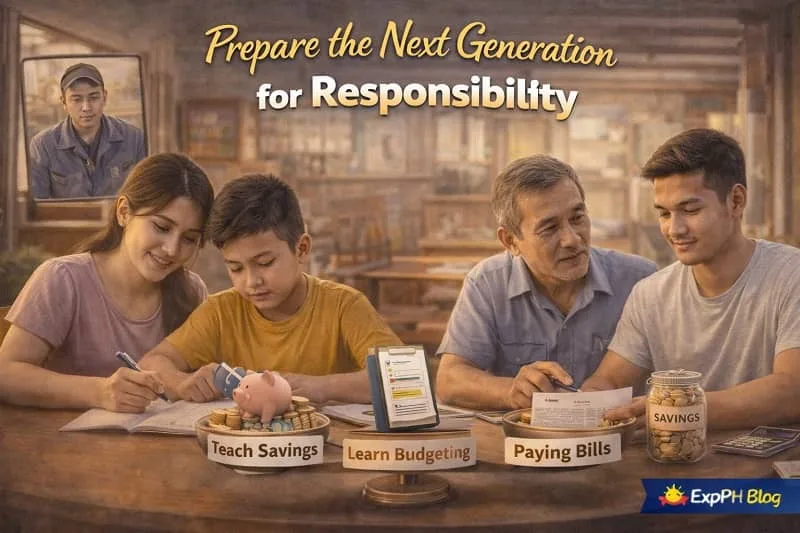
Prepare the Next Generation for Responsibility
OFW family support should focus on preparing children for independence. Teaching responsibility early helps them develop confidence and self discipline. When children understand effort and accountability, they grow into adults who can manage life and finances without constant reliance on others.
Teach Life Skills
Teaching life skills prepares children for adulthood. Skills such as budgeting, problem solving, and decision making help them handle real world situations. These abilities build confidence and encourage responsible behavior as they grow older.
Model Responsible Financial Behavior
Children learn best through example. When OFWs model responsible financial behavior, children observe healthy habits in action. Consistent choices and discipline leave lasting lessons that shape how they manage money in the future.
OFW Family Support Checklist for 2026
This checklist serves as a practical reminder for OFWs who want to support their families responsibly. It highlights key areas that promote stability, independence, and balance. Reviewing these points regularly helps ensure family support remains effective without sacrificing long term financial and personal well being.
Practical Family Support Checklist:
- Clear monthly family support plan that follows a realistic budget
- Separate accounts for family support and personal savings
- Active health coverage for all dependents
- Dedicated emergency medical fund for unexpected situations
- Ongoing support for education and skill development
- Financial boundaries clearly communicated and respected
- Family income sources encouraged and supported
- Consistent emotional communication maintained
Final Thoughts on OFW Family Support in 2026
OFW Family Support in 2026 requires balance, clear structure, and long term thinking. Supporting loved ones should improve daily life while protecting the OFW’s future. Financial help alone is not enough. Guidance, communication, education, and healthy boundaries all play a vital role. When support is planned carefully, families avoid dependency and gain stability. OFWs who think ahead can provide consistent help without burnout while building a secure foundation for life beyond overseas work.
When OFWs manage support wisely, families become stronger, more independent, and more confident. The goal is not endless sacrifice but shared progress and responsibility. Through thoughtful planning and honest communication, OFWs can support their families with dignity and peace of mind. This approach ensures that years of hard work abroad lead to lasting stability, mutual respect, and a secure future at home.
Continue reading similar content below.
- Best Retirement Plans for OFWs in 2026
- Best Financial Goals OFWs Should Set for 2026
- How OFWs Can Prepare for Life After Working Abroad in 2026
- Lifestyle Trends That Will Shape Filipino Living in 2026
- Best Business Ideas for Filipinos and OFWs in 2026
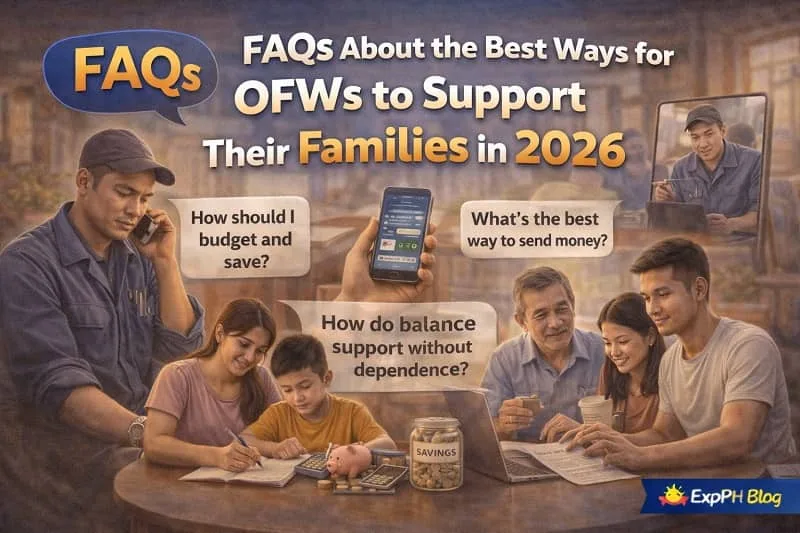
FAQs About the Best Ways for OFWs to Support Their Families in 2026
What is the most effective way for OFWs to support their families in 2026?
The most effective way is structured support, combining fixed financial assistance, emotional presence, health protection, education planning, and clear boundaries that protect both family stability and the OFW future.
How much money should an OFW send to their family each month?
There is no fixed amount. OFWs should send a realistic monthly budget based on family needs, personal savings goals, emergencies, and long term plans, not emotional pressure.
Why is emotional support important for OFW families?
Emotional support strengthens trust, reduces loneliness, and prevents misunderstandings. Regular communication helps families feel guided, valued, and connected, even when physical distance separates OFWs from loved ones.
How can OFWs avoid family dependency on remittances?
OFWs can reduce dependency by encouraging budgeting, supporting local income sources, teaching financial skills, and gradually shifting families toward shared responsibility and self generated household income.
Is supporting small family businesses a good idea for OFWs?
Yes, small businesses provide additional income, reduce reliance on remittances, and help families develop skills, confidence, and financial independence when properly planned and realistically managed.
How should OFWs prepare for medical emergencies of their families?
OFWs should maintain health coverage for dependents and set aside a dedicated medical emergency fund to avoid debt, panic borrowing, or asset loss during unexpected health situations.
What common mistakes should OFWs avoid when supporting families?
Common mistakes include oversupporting out of guilt, ignoring savings, replacing parenting with money, lacking boundaries, and failing to prepare families for long term financial independence.
How can OFWs set healthy financial boundaries with family?
Healthy boundaries come from clear communication, fixed support schedules, saying no to non essential requests, and explaining long term goals so families understand financial limits and responsibilities.
Why is education considered a strong form of OFW family support?
Education builds skills, discipline, and future earning potential. It helps children and relatives become independent, reducing long term dependency on overseas income and financial assistance.
How can OFWs balance family support and self care?
OFWs balance both by planning support logically, avoiding guilt driven decisions, protecting mental health, resting properly, and remembering that a healthy OFW supports family better long term.
Test your understanding of how Overseas Filipino Workers can responsibly support their families in 2026 by answering the quiz below.
Results


#1. What is the main goal of OFW family support?
#2. Why is a fixed monthly support plan important?
#3. Which approach helps prevent overspending at home?
#4. What should OFWs separate from family support funds?
#5. Why is emotional support important for OFW families?
#6. What helps reduce family dependency on remittances?
#7. What is a smart way to prepare for medical emergencies?
#8. Why should OFWs set financial boundaries?
#9. What mistake should OFWs avoid most?
#10. What prepares children for long term independence?
Your commitment to learning helps build stronger families and a better future for every OFW.
Share your quiz experience in the comments and let us know which question made you think the most.

A Filipino web developer with a background in Computer Engineering. Founder of ExpPH Blog and ExpPH Business Guide, creating practical content on OFW guidance, business, finance, freelancing, travel, and lifestyle. Passionate about helping Filipinos grow, he shares insights that educate, empower, and inspire readers nationwide.