

Turning Overseas Experience Into a Profitable Business
Your time working abroad means more than memories, remittances, and resilience. The skills you developed overseas can become the foundation of a thriving OFW business that supports your family, fuels your dreams, and builds long-term financial stability.
In this guide, you will learn how to identify valuable overseas experience, transform those strengths into real business opportunities, build a solid foundation, overcome common challenges, and grow a profitable venture that reflects your journey as an Overseas Filipino Worker.
Many Filipinos take bold steps to work abroad in search of better compensation, professional growth, and a brighter future for their families. What is often underestimated is the true value of that international exposure. Whether you worked in healthcare, hospitality, engineering, logistics, or the service industry, your experience has equipped you with transferable skills that can become the backbone of a successful OFW business.
This article will help you recognize the strengths you already have, refine them for entrepreneurship, and strategically build a business that aligns with your goals, values, and local opportunities. Step by step, you will gain the clarity and confidence needed to turn overseas experience into long-term success.
Table of Contents

Why Overseas Experience Is Valuable for Business Success
You Bring More Than Technical Skills
When you reflect on your time abroad, you likely remember the tasks you performed, certifications you earned, and responsibilities you managed daily. Those technical abilities are valuable. However, your overseas experience also shaped essential soft skills that strengthen your potential as an entrepreneur.
Your experience may include:
- Language fluency and cross-cultural communication
- Adaptability in diverse environments
- Discipline and resilience
- Problem-solving under pressure
- Customer service excellence
These qualities often carry more weight in business than technical knowledge alone. They shape how you lead, communicate, negotiate, and serve clients. Strong soft skills help you build trust, manage challenges effectively, and create lasting relationships that support long-term business growth.
OFW Business Leverages Global Perspective
Working abroad gives you a broader perspective that many local entrepreneurs do not have. Exposure to international systems, service standards, and workplace cultures allows you to see opportunities differently and apply higher benchmarks to your own venture.
Your global experience may help you:
- Understand international service standards
- Recognize overseas trends and market gaps
- Identify unmet needs in the Philippine market
- Develop products and services focused on quality
An OFW business built on these insights becomes more competitive, more strategic, and more adaptable. Your global awareness allows you to offer solutions that stand out while maintaining professionalism and long-term value.

Identifying Your Overseas Experience Strengths
The first step in building a business is understanding your strengths. Before choosing an idea, take time to evaluate what you truly bring to the table. Clear self-assessment helps you recognize practical abilities and hidden talents that can shape a profitable direction.
Self-Assessment of Technical Skills
Start by reviewing the specific work you handled overseas. Your daily responsibilities reveal technical strengths that can be converted into business services or products. Write down your answers carefully and honestly.
Ask yourself:
- What job functions did I handle abroad?
- What tasks did I perform daily?
- What problems did I solve consistently?
- What tools, systems, or technologies did I use?
Your responses create an inventory of technical skills. This list becomes the foundation for identifying realistic business opportunities that match your actual experience.
Recognizing Transferable Soft Skills
Technical skills are important, yet soft skills often determine business success. These abilities influence how you interact with clients, manage operations, and handle pressure in challenging situations.
Your transferable soft skills may include:
- Time management
- Team leadership
- Customer engagement
- Crisis management
- Training and mentoring others
In many service-based industries, soft skills separate average businesses from exceptional ones. They build trust, improve client satisfaction, and strengthen long-term growth potential.
Connecting Skills to Business Possibilities
After listing your technical and soft skills, connect them to real market needs. Ask yourself how your abilities can solve specific problems or improve existing services within your community.
For example, strong customer service experience can evolve into consultancy, coaching, online training, or staff development services. By aligning your strengths with market demand, you transform overseas experience into a focused and practical business opportunity.
Exploring OFW Business Ideas Based on Overseas Experience
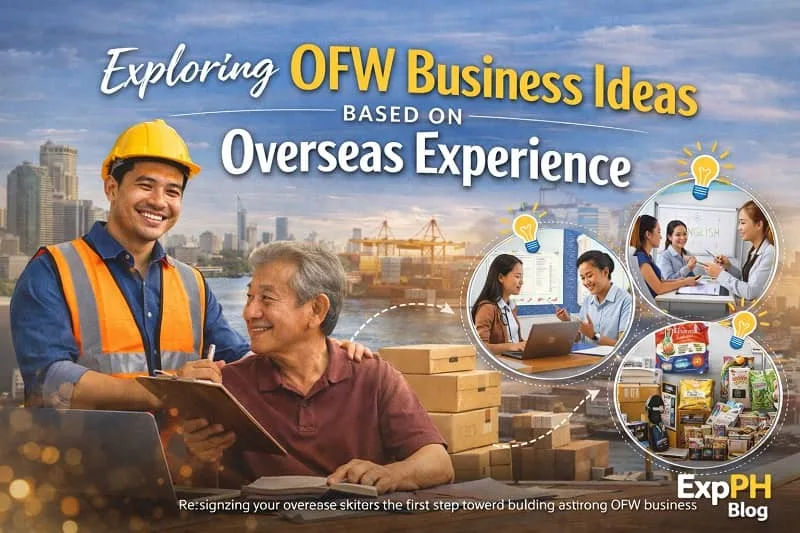
Now that you clearly understand your strengths, the next step is exploring business ideas that match your overseas background. The goal is to align your real experience with services that solve practical problems in your local community.
Health and Care Services at Home
If you worked in nursing, caregiving, or medical support abroad, you already possess valuable expertise. Healthcare services remain in strong demand in many parts of the Philippines, especially for families who need reliable and trained professionals.
You may consider:
- Home nursing services
- Training programs for caregivers
- Health consultation services
- Medical assistance coordination
Many households seek dependable health support for elderly parents or recovering patients. Your overseas training enhances credibility, builds trust, and positions your services as professional and reliable within your community.
Education and Training Services
If you gained experience teaching students or training employees abroad, you can transform that knowledge into a sustainable business. Education remains a strong and stable industry with consistent demand across different age groups.
Possible business options include:
- Language tutoring such as English or foreign languages
- Youth and adult learning programs
- Professional skills workshops
- Online training courses
Many Filipino families invest in education to improve opportunities. By offering structured and practical training, you can create a profitable niche while helping others develop valuable skills.

Refining Your Skills for Business Success
Your existing skills are valuable, yet refining them for entrepreneurship strengthens your confidence and authority. Business ownership requires strategic thinking, planning, and leadership. Improving your knowledge prepares you to manage responsibilities more effectively and increases your ability to build a sustainable OFW business.
Why Continuous Learning Matters in Business
Business environments constantly evolve. Skills that worked well in employment settings may require adjustment when applied to entrepreneurship. Understanding marketing, operations, financial management, and customer retention improves decision-making and reduces costly mistakes during the early stages of business growth.
Continuous learning also increases adaptability. As market demands shift and competition grows, updated knowledge helps you remain competitive. Expanding your expertise allows you to refine systems, improve service quality, and respond confidently to new opportunities or unexpected challenges.
Developing Business and Professional Skills
If you want structured guidance, focus on strengthening practical business areas that directly influence growth and stability. Target skills that improve management, communication, and service delivery.
You may consider improving knowledge in:
- Marketing essentials
- Small business management
- Freelancing and service monetization
- Digital tools for business productivity
- Leadership and communication
Online learning platforms such as Udemy provide accessible courses designed for beginners and growing entrepreneurs. These step-by-step programs help you translate overseas experience into structured business skills that can be applied immediately.
By investing in professional development, you gain actionable knowledge that supports planning, marketing, and execution. Strengthened skills improve confidence and help transform your OFW business into a more organized, competitive, and long-term venture.
Choosing the Right OFW Business Model
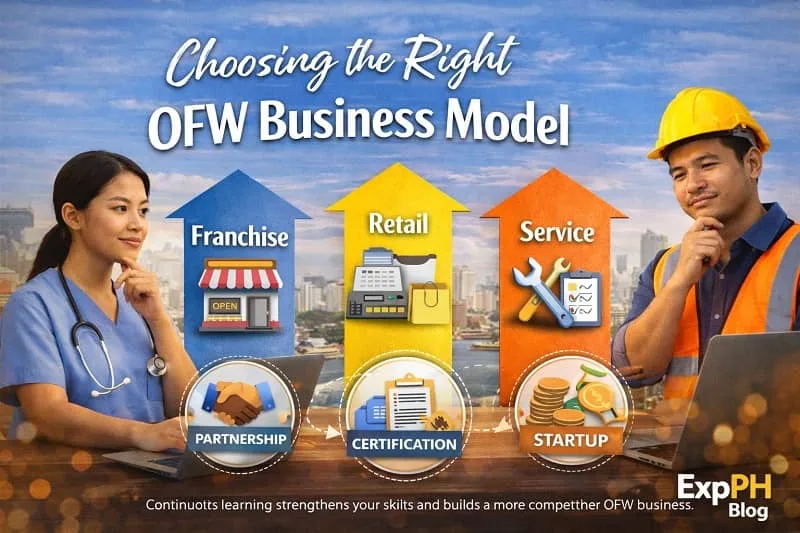
After identifying possible business ideas, the next step is selecting a model that fits your lifestyle, available resources, and market demand. The right structure supports sustainable growth and prevents unnecessary financial strain during the early stages of your OFW business journey.
Service-Based Businesses
Service-based businesses are often suitable for returning OFWs because they require lower startup capital. Instead of investing heavily in inventory, you monetize your expertise, skills, and experience. This model allows faster launch and flexible operations.
Examples include:
- Consultancy services
- Training workshops
- Virtual assistance
- Personal coaching
By offering services, you convert knowledge into income without significant upfront expenses. This approach is practical for entrepreneurs who want to test their market before expanding further.
Product-Based Businesses
If your overseas work exposed you to unique products, trends, or supplier systems, a product-based model may suit you. Selling physical goods can generate higher volume income when managed efficiently.
You may consider:
- Imported goods
- Specialty products
- Handmade or curated items
This model can scale effectively, especially when supported by strong branding and online store integration. However, it requires careful inventory planning and financial management.
Hybrid Models
Many entrepreneurs begin with services and gradually expand into products. This approach reduces risk while building brand authority and customer trust over time.
A hybrid strategy might involve:
- Providing courses first
- Selling downloadable guides
- Releasing branded merchandise or tools
Combining services and products creates multiple income streams. It strengthens your brand presence and supports long-term growth for your OFW business.
Creating a Business Plan for Your OFW Business
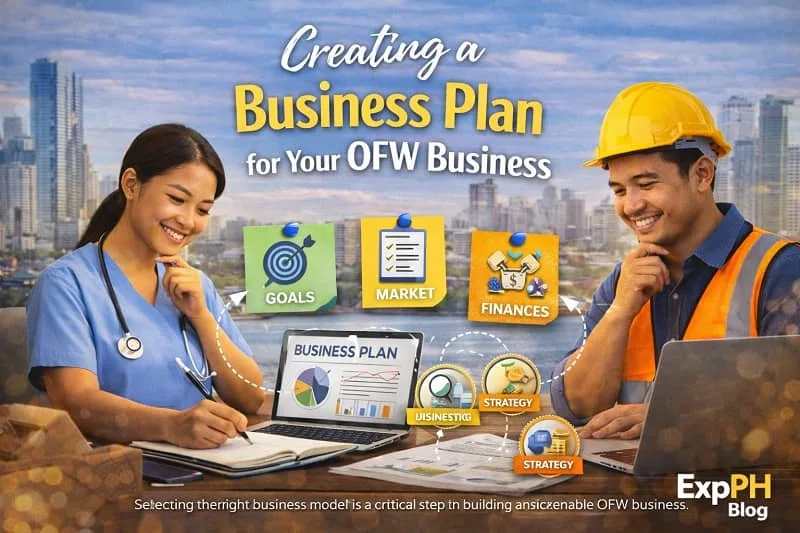
A well-structured business plan provides direction and confidence as you build your OFW business. It clarifies your goals, defines your target market, and prepares you for financial and operational responsibilities. Planning carefully reduces risk and supports sustainable long-term growth.
Step 1: Define Your Vision and Mission
Begin by clarifying your purpose. A strong vision shapes decisions and keeps your business aligned with meaningful goals. Take time to reflect honestly before moving forward.
Ask yourself:
- What impact do I want to make?
- Who will benefit from my business?
- What values will my business represent?
Your answers form your mission statement. This statement guides strategy, branding, and long-term direction.
Step 2: Analyze Your Target Market
Understanding your market ensures that your business meets real demand. Research helps you avoid assumptions and design services that customers are willing to support financially.
You need to determine:
- Who your customers are
- What they need most
- How they currently solve that need
- What price they are willing to pay
This analysis influences pricing, messaging, and service structure.
Step 3: Set Clear Goals and Milestones
Clear goals keep your OFW business focused and measurable. Using SMART criteria ensures objectives remain realistic and achievable.
SMART goals are:
- Specific
- Measurable
- Attainable
- Relevant
- Time-bound
For example:
- Acquire 50 regular clients within 6 months
- Reach PHP 100,000 monthly revenue in the first year
Defined milestones provide direction and motivation.
Step 4: Outline Operations and Resources
Operational planning ensures smooth daily management. Identify the resources required to deliver your service or product efficiently and consistently.
Consider the following:
- What tools you need
- Whether you require staff or partners
- Your estimated monthly expenses
- How you will deliver your service or product
Proper preparation minimizes unexpected costs and operational disruptions.

Marketing Your OFW Business Wisely
Marketing allows your ideal customers to discover your OFW business and understand its value. Strong visibility builds trust and credibility over time. When done consistently, marketing positions you as reliable and professional within your chosen industry and local community.
Developing Your Brand Identity
Your brand shapes how people perceive your business. It communicates your personality, professionalism, and commitment to quality. A clear identity helps customers remember you and differentiate you from competitors.
Key branding elements include:
- Your business name
- Logo and color palette
- Tone of voice such as friendly or professional
- Visual style of marketing materials
Your brand should reflect your overseas experience, values, and service standards.
Effective Online Presence
Digital visibility strengthens credibility and expands your reach. Even small businesses benefit from maintaining an organized and professional online presence that makes it easy for customers to learn about services.
Focus on building:
- A website or portfolio page
- Social media profiles relevant to your market
- Consistent brand messaging
- Regular educational or helpful content
Content may include tips, success stories, frequently asked questions, and business updates that provide value to your audience.
Networking and Referral Systems
Many OFW businesses grow through personal connections and trusted recommendations. Building relationships within your community increases visibility and strengthens long-term sustainability.
Growth often comes from:
- Word of mouth
- Community support
- Professional referrals
Encourage satisfied clients to share their experience. Strong relationships build loyalty and generate consistent business opportunities.

Legal and Financial Foundations
Every successful OFW business must follow legal requirements and maintain strong financial management. Compliance protects your operations while organized finances support stability and long-term growth. Establishing these foundations early prevents costly mistakes and builds credibility with customers and partners.
Legal Considerations
Registering your business provides legal protection and strengthens professional credibility. Proper documentation allows you to operate confidently and access banking services, partnerships, and government programs designed to support entrepreneurs.
Check your local government requirements for:
- Business permits
- Tax certificates
- Licenses relevant to your industry
If your field involves healthcare, education, or food services, additional permits may be required. Always verify regulations before launching operations.
Legal Considerations
Registering your business provides legal protection and strengthens professional credibility. You can review official registration requirements through the Philippine Business Hub, the government’s central portal for business permits, tax registration, and compliance procedures:
Check your local government requirements for:
- Business permits
- Tax certificates
- Licenses relevant to your industry
If your field involves healthcare, education, or food services, additional permits may be required. Always verify regulations before launching operations.
Financial Management Tips
Healthy financial management keeps your OFW business sustainable and organized. Clear systems help you monitor performance, control expenses, and prepare for future expansion.
Consider implementing the following practices:
- Separate business and personal accounts
- Budget monthly expenses carefully
- Plan ahead for taxes
- Track income and cash flow regularly
Strong financial habits established early reduce stress and improve decision-making over time.
Overcoming Challenges Every OFW Entrepreneur Faces
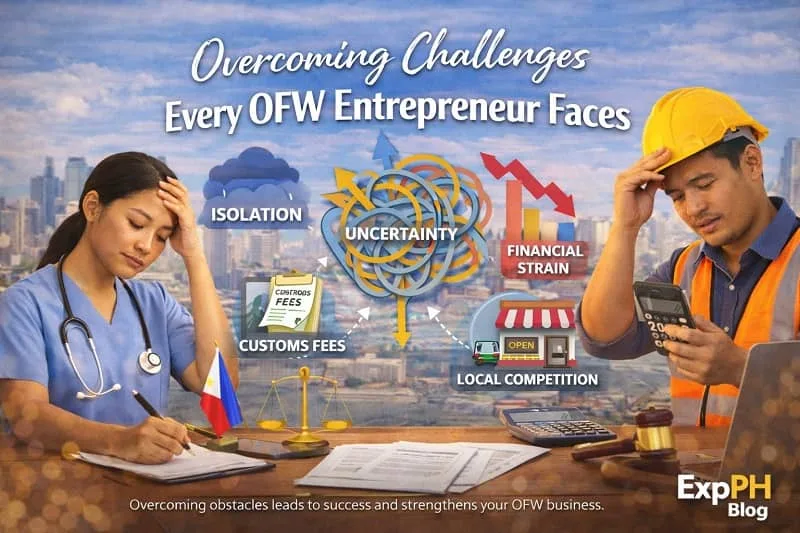
Every OFW business journey includes obstacles. Challenges are normal and often part of growth. Your overseas experience has already strengthened your resilience, discipline, and adaptability. These qualities give you a strong foundation to face business difficulties with confidence and determination.
Challenge: Fear of Starting
Many OFWs hesitate to launch a business because they fear failure or financial loss. Taking small but consistent steps builds confidence over time. Success rarely happens overnight. Steady learning, careful planning, and gradual action create real progress and reduce uncertainty.
Challenge: Competition
Competition can feel intimidating, yet it pushes you to improve. Instead of comparing yourself to others, focus on your strengths. Your overseas experience, technical expertise, and service standards create a unique value that differentiates your OFW business from competitors.
Challenge: Balancing Family and Business
Managing family responsibilities alongside business demands requires discipline and communication. Set clear work hours and protect personal time. Discuss expectations openly with your family. Schedule rest intentionally to avoid burnout and maintain steady performance in both home and business life.

Scaling Your OFW Business for Long-Term Success
Once your OFW business gains steady traction, growth becomes the next objective. Scaling requires planning, system improvement, and strategic expansion. Instead of working harder, focus on working smarter by strengthening structure, improving efficiency, and increasing value for your customers.
Expanding Services or Products
Growth often begins by expanding what you already offer. Strengthen your core services before adding new options that match customer demand and market trends.
You may consider:
- Adding more service tiers
- Creating online courses or workshops
- Partnering with other professionals
- Developing product lines
These strategies increase market reach and create additional revenue streams without abandoning your existing strengths.
Building a Team
As demand increases, handling everything alone becomes inefficient. Hiring support allows you to maintain quality while focusing on leadership and long-term strategy.
You may eventually hire:
- Virtual assistants
- Part-time staff
- Specialists for marketing or operations
Delegating responsibilities frees your time for decision-making and business expansion.
Continuous Learning and Improvement
Sustainable growth requires ongoing development. Markets change, customer expectations shift, and competition evolves. Staying informed keeps your OFW business competitive and adaptable.
Prioritize continuous improvement through:
- Professional courses
- Industry networking
- Market research
- Skill development
Consistent learning strengthens decision-making and prepares your business for future opportunities.
Conclusion
Your overseas experience is a powerful asset that can grow into a rewarding and profitable OFW business. The skills you developed abroad reflect discipline, adaptability, and professional growth. With the right mindset and clear planning, you can transform those strengths into services, products, or solutions that serve real needs in your community. Strategic learning and consistent action will help you build a venture that supports your family and creates long-term financial stability.
An OFW business represents more than income. It reflects ownership, purpose, and the courage to build something of your own. Your journey abroad shaped your perspective and strengthened your resilience. Now is the time to refine your vision and take steady action. Trust the value of your experience and commit to building something meaningful, sustainable, and aligned with your goals.
If you want to explore more practical guides and deepen your understanding of building a successful OFW business, continue learning through the resources below.
- Best Business Ideas for Filipinos in 2026
- Best Business Ideas for Filipinos and OFWs in 2026
- Top 10 Small Business Ideas in the Philippines for 2026
- How OFWs Can Use Overseas Experience to Increase Value
- Technology in the Philippines Strong Progress, Key Opportunities, and Future Innovations
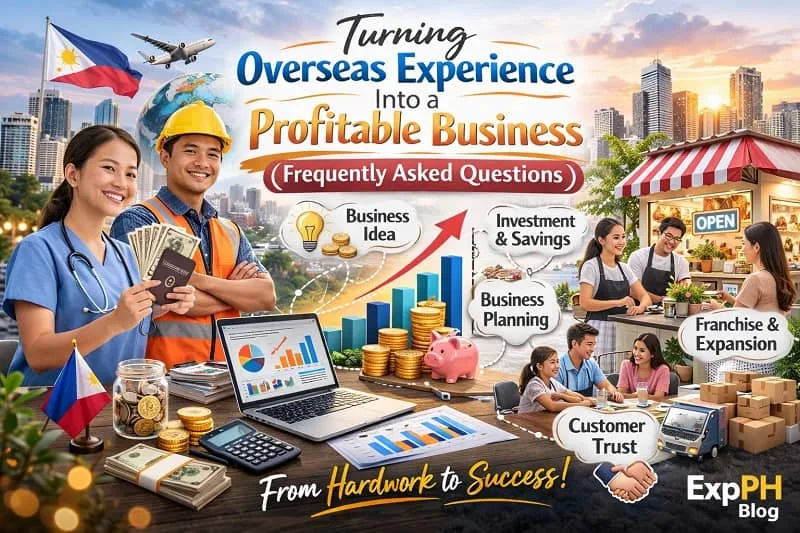
Frequently Asked Questions
1. What is an OFW business?
An OFW business is a venture built using skills, experience, or savings gained from working abroad, designed to create sustainable income and long-term financial stability locally.
2. How can overseas experience help start a business?
Overseas experience builds discipline, technical skills, cultural awareness, and resilience, which are valuable foundations for managing operations, serving customers effectively, and solving real market problems.
3. What types of businesses are suitable for returning OFWs?
Service-based businesses, online freelancing, training services, retail, food ventures, and consultancy are popular options that match overseas experience and require manageable startup capital.
4. Do I need a large capital to start an OFW business?
Not always. Many OFW businesses begin as service-based ventures requiring minimal capital, especially when monetizing existing skills instead of investing heavily in physical products.
5. How do I identify the right business idea?
Start by listing your overseas skills, strengths, interests, and available resources. Then evaluate local market demand to match your abilities with profitable opportunities.
6. Is business registration necessary for small startups?
Yes. Registering your business ensures legal compliance, builds credibility with customers, and allows access to permits, bank accounts, and government support programs.
7. How can I market my OFW business effectively?
Use social media, referrals, content marketing, and community networking. Highlight your overseas experience to build trust and position your services as professional and reliable.
8. What common mistakes should new OFW entrepreneurs avoid?
Avoid starting without research, mixing personal and business finances, underpricing services, and neglecting marketing efforts that consistently attract and retain customers.
9. Can I start a business while still working abroad?
Yes. Many OFWs start small online businesses, remote services, or family-managed ventures while abroad, allowing gradual transition into full-time entrepreneurship later.
10. How can I grow my OFW business long term?
Focus on continuous learning, customer satisfaction, proper financial management, strategic reinvestment, and adapting to market trends to maintain steady and sustainable business growth.
Learning Hub Quiz!
Test your knowledge about building an OFW Business using overseas skills and experience.
Results


#1. What is the foundation of an OFW Business?
#2. Which business type needs lower capital?
#3. What skill is most transferable?
#4. Why register your business legally?
#5. What helps identify business ideas?
#6. What builds customer trust fastest?
#7. Which supports long-term growth?
#8. What improves marketing visibility?
#9. What should be separated?
#10. What drives business success?
Thank You for Taking the Quiz
Comment below and share your experience with us. Your story might inspire fellow OFWs to take action.

A Filipino web developer with a background in Computer Engineering. Founder of ExpPH Blog and ExpPH Business Guide, creating practical content on OFW guidance, business, finance, freelancing, travel, and lifestyle. Passionate about helping Filipinos grow, he shares insights that educate, empower, and inspire readers nationwide.