

Best Budgeting Strategies for OFWs in 2026
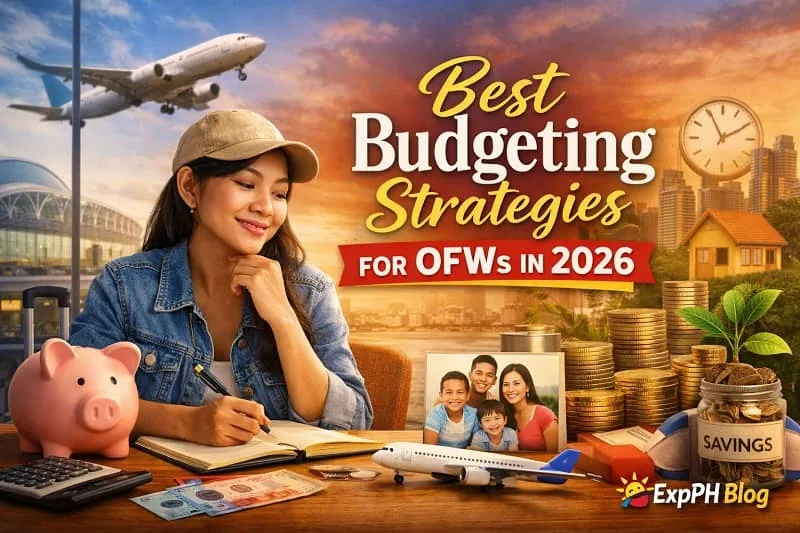
For Overseas Filipino Workers, budgeting goes beyond tracking expenses. It serves as a survival skill and a long-term planning tool that protects stability abroad and security at home. As global living costs rise and responsibilities increase, mastering OFW Budgeting Strategies in 2026 becomes essential. A clear budget helps OFWs manage income wisely, prepare for uncertainty, and turn hard work into lasting financial progress. It supports smarter decisions that benefit both daily living and future goals.
This guide is written for OFWs facing real financial challenges. Whether you are newly deployed, renewing a contract, or planning an eventual return to the Philippines, this article provides practical guidance. It focuses on realistic steps that fit modern OFW life. The goal is to help you build a budgeting system that is sustainable, flexible, and easy to maintain over time.
Why Budgeting Is More Important for OFWs in 2026
The financial environment for OFWs keeps changing each year. Rising costs, shifting job markets, and growing family responsibilities make budgeting a core life skill. In 2026, budgeting is no longer optional. It helps OFWs stay prepared, confident, and in control of their financial decisions.
Rising Cost of Living in Many OFW Destinations
Living expenses continue to rise in many countries where OFWs work. Housing, food, transport, and utilities now consume a larger part of monthly income. Without a clear budget, even a good salary may feel inadequate. Strong OFW budgeting strategies help protect savings from inflation pressure.
Supporting Families Across Borders
Most OFWs manage money in two places at the same time. They must cover daily expenses abroad while supporting family needs in the Philippines. Budgeting creates balance by setting limits and priorities. This approach allows OFWs to give consistent support without sacrificing personal financial stability.
Less Job Security Than Before
Overseas employment is less predictable than in the past. Short contracts, industry changes, and automation affect job stability. A solid budget helps OFWs maximize income during active employment. It also prepares them for transition periods when work is uncertain or temporarily unavailable.
Understanding the Foundation of OFW Budgeting Strategies
Before creating a budget plan, it is important to understand how OFW budgeting differs from local budgeting. OFWs manage income across borders, support families at home, and face changing work conditions abroad. These factors require a flexible and realistic budgeting approach.
Budgeting Is About Control, Not Restriction
Budgeting does not mean removing enjoyment from daily life. It means taking control of where money goes. When spending aligns with clear priorities, OFWs can enjoy their income without guilt while still meeting savings, remittance, and future goals.
A Budget Is a Decision System
A budget works as a guide for every financial choice. Each peso earned should have a purpose, whether it is for daily needs, savings, debt payments, or family support. Clear roles prevent confusion and reduce unnecessary spending over time.
Realistic Budgets Work Best
Budgets that ignore real life rarely succeed. OFW budgeting strategies must match work schedules, living conditions, and stress levels. A realistic plan allows adjustments when circumstances change, helping OFWs stay consistent instead of giving up entirely.

Step One, Know Your Real Monthly Income
Many OFWs struggle with budgeting because they rely on estimates instead of accurate numbers. Using unclear figures leads to poor planning and frustration. Knowing your real monthly income creates a strong foundation for effective OFW budgeting strategies and better financial decisions.
Use Net Income, Not Salary Offers
Your real income is the amount left after all deductions. Taxes, accommodation fees, mandatory contributions, and work-related costs must be subtracted first. Budgeting based on net income gives a clearer picture of what you can actually spend or save.
Treat Bonuses and Overtime Carefully
Overtime pay and incentives should not be treated as regular income. These earnings are often inconsistent. Allocating them to savings, emergency funds, or debt reduction helps protect your budget from sudden income changes or unexpected expenses.
Be Realistic With Currency Conversion
Exchange rates change frequently and can affect remittance value. Avoid using optimistic rates when planning your budget. Conservative estimates help prevent shortfalls and ensure your savings and family support plans remain stable over time.
Step Two, Track Expenses Without Overwhelm
Tracking expenses does not have to be stressful or complex. The goal is awareness, not perfection. When OFWs understand where their money goes each month, they can make better choices, adjust spending habits, and maintain control over their budget.
Focus on Major Spending Categories
Most OFW expenses fall into a few main categories such as housing, food, transportation, remittances, debt, and savings. Focusing on these areas first gives a clear picture of spending patterns and helps identify where adjustments can make the biggest impact.
Expect Monthly Variations
Not every month will look the same. Travel, medical needs, and family emergencies can increase expenses unexpectedly. A flexible budget allows adjustments without guilt. This approach helps OFWs stay consistent instead of abandoning their budget during difficult months.
Use Simple Tracking Methods
Effective tracking does not require advanced tools. A notebook, spreadsheet, or basic app is enough. What matters most is consistency. Regular tracking builds awareness and discipline, which are more important than using the latest or most complex technology.
Step Three, Create a Remittance-First Budget
For most OFWs, remittances are a primary responsibility. Creating a remittance-first budget ensures family support is planned and sustainable. This approach helps OFWs meet obligations at home while still protecting personal savings, daily expenses, and long-term financial goals.
Set Clear Monthly Remittance Amounts
Sending money based on emotion can strain your budget. Setting a fixed monthly remittance amount creates stability for both you and your family. It allows better planning, reduces stress, and prevents overspending during months with unexpected expenses.
Communicate Financial Limits Clearly
Many families believe OFWs earn unlimited income abroad. Clear and honest communication about financial limits helps manage expectations. Open discussions reduce pressure, prevent misunderstandings, and support healthier financial relationships between OFWs and their loved ones.
Encourage Financial Discipline at Home
Budgeting is more effective when families also practice responsible money habits. Encouraging saving, planning, and mindful spending at home helps ensure remittances are used wisely and supports long-term financial stability for everyone involved.

Emergency Funds, The Backbone of OFW Financial Stability
Unexpected events are part of overseas work life. Medical emergencies, job disruptions, and family crises can happen without warning. Emergency funds provide financial protection during these moments. They allow OFWs to respond calmly, maintain stability, and avoid making rushed financial decisions under pressure.
Why Emergency Funds Matter More for OFWs
OFWs face higher financial risks because they work far from home. Job loss, contract problems, or health issues can occur suddenly. Emergency funds prevent panic borrowing and help cover basic needs while searching for new work or recovering.
How Much to Save
A practical goal is saving three to six months of essential expenses. This amount offers a safety net during income gaps. If that feels overwhelming, start with smaller targets. Consistent saving over time builds security and confidence.
Where to Store Emergency Funds
Emergency funds should be easy to access when needed. Keep them separate from daily spending accounts to avoid temptation. Use reliable savings options that allow quick withdrawals while keeping the money safe and available.
Managing Debt Without Destroying Your Budget
Debt is common among OFWs due to family responsibilities and overseas expenses. Problems arise when debt is unmanaged. A clear plan helps control repayments while protecting daily needs, savings, and long-term goals. Managing debt wisely keeps your budget stable and realistic.
Identify High-Interest Debt First
High-interest debt grows quickly and causes the most financial strain. Credit cards and informal loans often carry heavy charges. Prioritizing these debts reduces total interest paid and frees more income for savings and essential expenses.
Avoid Borrowing to Repay Borrowing
Using new loans to pay old ones creates a dangerous cycle. This approach increases stress and long-term costs. Focus instead on structured repayment using your budget, even if progress feels slow at first.
Choose a Repayment Strategy That Fits You
Different methods work for different people. Paying smaller debts first can build motivation. Focusing on high-interest debts can save money. Choose the approach that matches your discipline and helps you stay consistent.

Setting Savings Goals That Match OFW Life Stages
Saving is more effective when it has clear purpose. OFWs experience different life stages while working abroad. Matching savings goals to current priorities helps maintain focus. This approach keeps budgeting practical, motivating, and aligned with both present needs and future plans.
Short-Term Goals
Short-term goals include travel, gadgets, or family celebrations. These goals should have specific budgets and timeframes. Clear planning prevents overspending and allows enjoyment without guilt. Short-term savings also build confidence and discipline for larger financial goals ahead.
Medium-Term Goals
Medium-term goals often involve starting a business, buying land, or funding education. These require consistent monthly saving. Discipline is important because progress takes time. Regular contributions help OFWs move closer to these goals without disrupting daily living expenses.
Long-Term Goals
Long-term goals focus on retirement and permanent return plans. Achieving them requires patience and consistency over many years. Strong OFW budgeting strategies help maintain steady savings while adjusting to changing income, responsibilities, and life circumstances.
Improving Income Through Skills, Not Just Sacrifice
Budgeting controls expenses, but income growth creates real financial progress. Relying only on sacrifice can limit long-term results. Improving skills allows OFWs to earn more, gain flexibility, and build stronger financial plans without constant pressure to cut spending.
Why Skills Matter for OFWs in 2026
Skills are increasingly valuable in a competitive job market. Higher skills often lead to better pay and improved job security. They also open opportunities for alternative income, which helps OFWs stay resilient during contract changes or economic shifts.
Learning as a Budgeting Tool
Learning is an investment, not an expense. Developing new skills can increase earning potential and reduce long-term financial stress. When income grows, budgeting becomes easier, allowing more room for savings, debt reduction, and future planning.
Using Online Learning Platforms Wisely
Online learning gives OFWs flexible access to education despite busy schedules. Choosing practical courses supports career growth, freelancing options, and financial awareness. Structured learning helps OFWs make smarter income decisions that strengthen budgeting efforts over time.
Many OFWs use online courses to learn personal finance, freelancing, digital skills, and career development. You can explore practical learning options through the official Udemy platform here: https://www.udemy.com
Courses like budgeting fundamentals, side hustle planning, and career upskilling can help OFWs make smarter financial decisions and strengthen long-term budgeting strategies.
Budgeting for OFWs With Families and Dependents
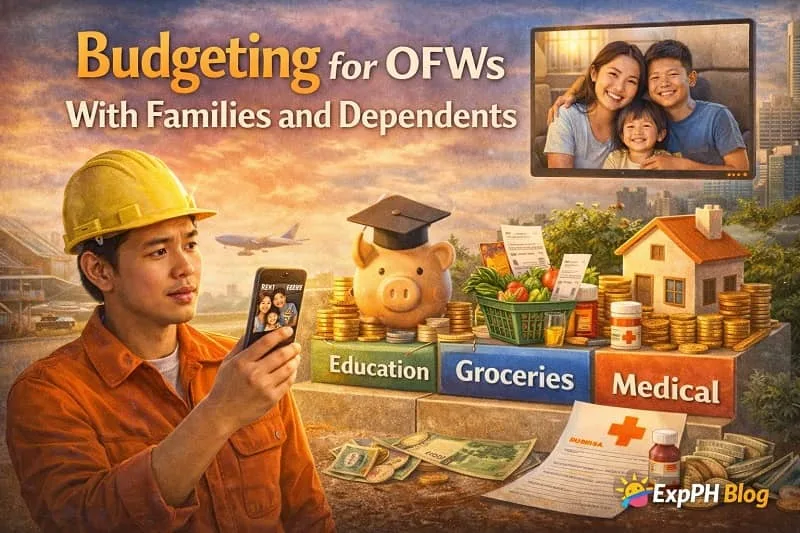
Supporting family members requires careful and intentional planning. OFWs often balance personal needs with household responsibilities back home. A clear budget helps manage expectations, prevent overspending, and ensure long-term support remains sustainable for both the worker and the family.
Separate Needs From Wants
Not every request requires immediate action. Budgeting helps distinguish essential needs from non-essential wants. Prioritizing basics such as food, housing, and education protects finances and reduces emotional spending that can strain an OFW’s budget.
Plan Early for Education and Healthcare
Education and healthcare costs increase over time. Planning early allows OFWs to spread expenses gradually. This approach reduces pressure during emergencies and ensures important needs are covered without relying on debt or sudden financial adjustments.
Share Financial Knowledge With Family Members
Financial stability improves when families understand budgeting basics. Sharing simple financial principles encourages responsible spending and saving. When family members participate in planning, remittances are used more effectively and long-term goals become easier to achieve.
Emotional Discipline and Money Management
Money decisions are often driven by emotions rather than logic. Stress, homesickness, and pressure can affect spending choices. Developing emotional discipline helps OFWs make thoughtful financial decisions, stay committed to their budget, and avoid habits that undermine long-term financial stability.
Avoid Lifestyle Comparison
Social media often highlights success without showing struggle. Comparing your lifestyle to others can trigger unnecessary spending. Focus on your own goals and financial situation. Staying grounded helps protect your budget and prevents pressure to spend beyond your means.
Budgeting as Self-Respect
A clear budget reflects respect for your effort and sacrifices abroad. It shows that your income has value and purpose. Budgeting allows you to use money intentionally while supporting both personal needs and family responsibilities responsibly.
Allow Controlled Personal Spending
Enjoyment is an important part of a healthy budget. Allowing controlled personal spending helps prevent burnout and resentment. When enjoyment is planned, OFWs can relax without guilt while still protecting savings and long-term financial goals.

Preparing Financially for Returning Home
Many OFWs plan to return to the Philippines after years of overseas work. Preparing financially makes this transition smoother. A clear plan helps manage income gaps, lifestyle changes, and new responsibilities while protecting savings built through years of hard work.
Build a Transition Fund
Returning home often means a period without steady income. Building a transition fund provides support during job searches or business setup. Planning ahead reduces stress and prevents reliance on debt while adjusting to life after overseas employment.
Align Skills With Local Opportunities
Budgeting can support skill training or certifications before returning home. Aligning skills with local opportunities increases employability and income potential. This preparation helps OFWs adapt faster and maintain financial stability during the transition period.
Adjust Lifestyle Expectations Early
Income levels and living costs may change after repatriation. Adjusting lifestyle expectations early helps avoid financial shock. Planning realistic expenses allows OFWs to maintain stability while adapting to a different cost structure at home.
Common OFW Budgeting Mistakes to Avoid in 2026
Learning from common budgeting mistakes helps OFWs protect their financial future. Small errors repeated over time can weaken even a good income. Understanding these mistakes allows OFWs to adjust early, build better habits, and maintain long-term financial stability.
Assuming Income Will Always Be Stable
Overseas employment is never guaranteed. Contracts end, industries change, and unexpected events happen. Budgeting conservatively helps protect savings and ensures expenses remain manageable even during periods of reduced or interrupted income.
Ignoring Small Daily Expenses
Small daily expenses may seem harmless but quickly add up. Snacks, subscriptions, and impulse purchases can quietly drain income. Tracking these costs honestly helps OFWs stay aware of spending patterns and make smarter budgeting decisions.
Failing to Review Budgets Regularly
A budget is not a one-time task. Income, expenses, and responsibilities change over time. Regular reviews allow adjustments that keep the budget relevant, realistic, and aligned with current financial goals.
How to Sustain OFW Budgeting Strategies Long-Term
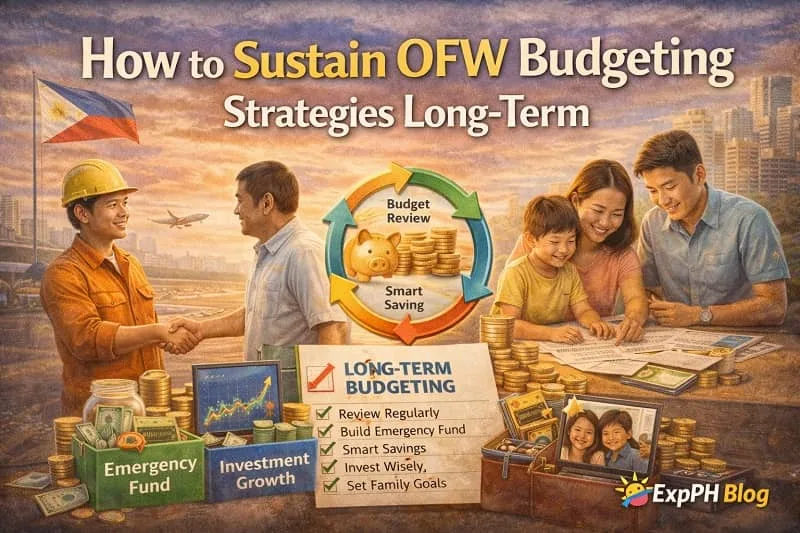
Long-term budgeting success depends on consistency rather than perfection. Small efforts done regularly create lasting results. When OFWs commit to steady habits, budgeting becomes part of daily life and supports financial stability through changing income and responsibilities.
Review Monthly and Adjust as Needed
Monthly budget reviews help identify problems early. Small adjustments prevent larger issues from developing over time. Regular reviews keep spending aligned with priorities and ensure the budget reflects current income, expenses, and financial goals.
Celebrate Progress
Recognizing progress helps maintain motivation. Celebrating milestones, whether paying off debt or reaching savings goals, reinforces positive habits. Small achievements remind OFWs that budgeting efforts are working and encourage continued commitment.
Continue Financial Education
Financial knowledge evolves over time. Staying informed helps OFWs adapt to new challenges and opportunities. Ongoing learning improves decision-making and keeps budgeting strategies effective, relevant, and aligned with long-term financial goals.
Final Thoughts, Building a Secure Future as an OFW
Strong OFW Budgeting Strategies in 2026 focus on empowerment rather than limitation. Every peso earned abroad reflects hard work, sacrifice, and time away from family. A clear budget gives purpose to that effort by turning income into stability, growth, and peace of mind. When money is managed with intention, OFWs gain confidence and control. Budgeting becomes a tool that supports both present needs and future plans without unnecessary stress.
Understanding your income, managing expenses, planning remittances, building emergency funds, reducing debt, and investing in skills all work together to create financial security. Budgeting is a lifelong habit that improves with practice. Start where you are and make small improvements over time. Consistent effort leads to lasting results. Your future self and your family will benefit from every wise decision you make today.
More articles that complement this topic follow.
- Online Courses and Certifications for OFWs
- Best Investment Options for OFWs in 2026
- Best Ways for OFWs to Save More Money in 2026
- Best Saving Strategies for Filipinos With Overseas Income in 2026
- Best Low-Capital Businesses to Start in 2026
To view the official source, click the link below.
- Overseas Workers Welfare Administration (OWWA)
- Pag-IBIG Fund (Home Development Mutual Fund)
- Department of Migrant Workers (DMW)
- Bangko Sentral ng Pilipinas (BSP)
- Social Security System (SSS)
FAQs About Best Budgeting Strategies for OFWs in 2026
What are the best budgeting strategies for OFWs in 2026?
The best strategies focus on tracking real income, prioritizing remittances, building emergency funds, managing debt carefully, and aligning savings goals with long-term plans.
Why is budgeting more important for OFWs than local workers?
OFWs support families across borders, face higher living costs abroad, and experience job uncertainty, making structured budgeting essential for stability and long-term financial security.
How can OFWs start budgeting if they have never done it before?
OFWs can start by listing net income, identifying fixed expenses, setting a remittance amount, and tracking daily spending consistently using simple tools.
How much should OFWs save each month in 2026?
Savings depend on income and responsibilities, but OFWs should aim to save at least 20 percent monthly while adjusting based on expenses and financial goals.
What is the biggest budgeting mistake OFWs should avoid?
The biggest mistake is overspending due to lifestyle pressure, assumptions of stable income, and lack of clear limits on remittances and personal expenses.
How can OFWs budget while supporting their families in the Philippines?
OFWs should set fixed remittance amounts, communicate financial limits clearly, and encourage family members to manage funds responsibly and prioritize essential expenses.
Should OFWs include side income in their monthly budget?
Side income should be treated as extra funds and allocated toward savings, debt reduction, or emergency reserves instead of daily expenses.
How can OFWs manage debt while budgeting effectively?
OFWs should prioritize high-interest debts, follow a structured repayment plan, and avoid borrowing again while working toward financial stability.
What tools can help OFWs maintain a consistent budget?
Simple spreadsheets, budgeting apps, or notebooks work well, as consistency and regular reviews matter more than using advanced or expensive financial tools.
How often should OFWs review and adjust their budget?
OFWs should review their budget monthly to track progress and adjust categories quarterly based on income changes, expenses, and evolving financial priorities.
Test your knowledge about OFW Budgeting Strategies and see how prepared you are to manage your finances smarter in 2026.
Results


#1. Why is budgeting essential for OFWs in 2026?
#2. What should OFWs budget based on?
#3. Which expense should be prioritized first?
#4. How many months should emergency funds cover?
#5. What is a common OFW budgeting mistake?
#6. How should bonuses be treated?
#7. What helps OFWs increase income stability?
#8. What tool is best for budgeting?
#9. How often should OFWs review budgets?
#10. What mindset supports successful budgeting?
Every small step you take today builds a stronger future for you and your family.
We would love to hear from you. Please comment below and share your quiz experience with us.

A Filipino web developer with a background in Computer Engineering. Founder of ExpPH Blog and ExpPH Business Guide, creating practical content on OFW guidance, business, finance, freelancing, travel, and lifestyle. Passionate about helping Filipinos grow, he shares insights that educate, empower, and inspire readers nationwide.



Pingback: OFW Financial Mistakes to Avoid in 2026 Guide Ultimate Tips!