
Smart Budget Adjustments OFWs Should Make When Costs Increase
Rising prices affect everyone, but Overseas Filipino Workers feel the impact in a unique way. Living abroad often means dealing with higher rent, transportation costs, food prices, and changing exchange rates, all while supporting family back home. When expenses increase, the solution is not panic or extreme sacrifice. The smarter approach is making practical, intentional, and sustainable OFW Budget Adjustments that protect income, savings, and long-term goals.
This guide is written for real OFWs navigating real financial pressure. Whether you work in the Middle East, Asia, Europe, or North America, the principles below are designed to help you stay financially stable even when the cost of living goes up.
Understanding Why Costs Increase for OFWs
Before making financial changes, OFWs need to understand why expenses rise. Awareness helps avoid emotional decisions and rushed sacrifices. When you clearly see what drives higher costs, you can respond calmly, plan effectively, and apply OFW Budget Adjustments that protect both income and long-term stability.
Global Inflation and Its Effect on OFWs
Global inflation raises the cost of basic goods and services such as food, utilities, fuel, and housing. OFWs often feel this pressure twice, first in their host country and again when supporting families in the Philippines through remittances and shared household expenses.
Data from the Bangko Sentral ng Pilipinas shows that inflation and supply chain disruptions increase consumer prices, affecting both remittances and household budgets in the Philippines. This reduces purchasing power even if income remains unchanged. Official updates are available from the Bangko Sentral ng Pilipinas.
Currency Exchange Fluctuations
Exchange rate changes strongly affect OFW budgets. A weaker peso can raise remittance value, but higher local prices may offset the gain. A stronger peso can reduce spending power at home. Smart OFW Budget Adjustments balance overseas expenses with real household needs in the Philippines.
Lifestyle Inflation Abroad
As OFWs spend more time abroad, daily spending often increases quietly. Better housing, added conveniences, frequent dining out, and unused subscriptions slowly raise expenses. When prices increase, these habits become more visible, making lifestyle inflation a key area to review and control.
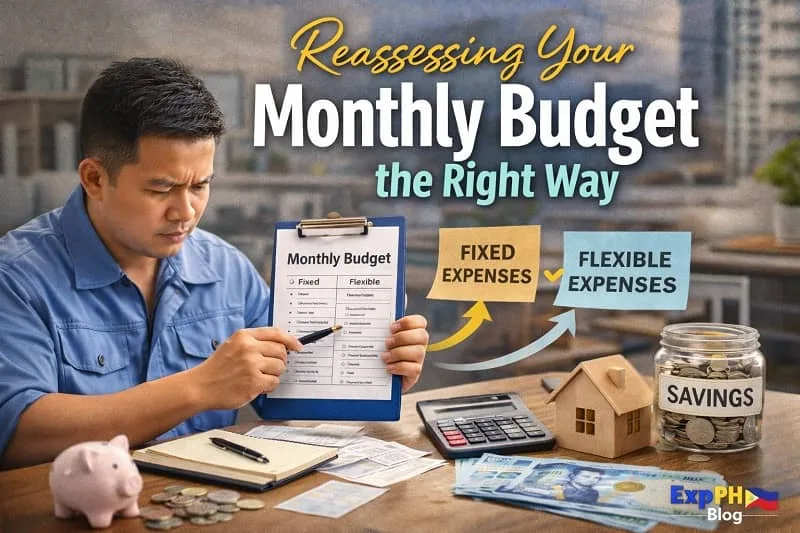
Reassessing Your Monthly Budget the Right Way
Budgeting is not about limiting yourself. It is about gaining control and clarity over your money. When costs increase, OFWs need a clear view of where income goes. This helps guide smarter OFW Budget Adjustments that protect daily needs, savings, and long-term goals.
Separate Fixed and Flexible Expenses
Start by listing all expenses and grouping them into two clear categories. This method shows which costs are necessary and which can be adjusted when prices rise. Clear separation makes budgeting decisions easier and more realistic for OFWs.
Fixed expenses include:
- Rent or housing contributions
- Transportation to work
- Regular remittances
- Insurance
- Utilities
Flexible expenses include:
- Dining out
- Subscriptions
- Entertainment
- Online shopping
- Impulse purchases
Effective OFW Budget Adjustments focus first on flexible expenses. These costs offer the most control and can be reduced without affecting safety, work, or essential responsibilities.
Update Your Budget Quarterly, Not Yearly
Many OFWs still rely on yearly budgets, but rising costs make this outdated. Reviewing your budget every three months allows faster adjustments when rent, food, or transport fees increase. Regular reviews stop small spending leaks from becoming serious financial problems.
Track Spending Based on Reality, Not Intention
Avoid budgeting based on what you think you should spend. Instead, review actual expenses from the past two or three months. This approach reflects real habits and creates OFW Budget Adjustments that are practical, accurate, and easier to maintain over time.
Smart Adjustments to Daily Living Expenses
Daily expenses are often overlooked because each cost seems small. Over time, these spending habits add up quickly and strain your budget. Smart OFW Budget Adjustments focus on everyday choices that are easy to manage and have a strong long-term impact.
Housing Adjustments Without Sacrificing Safety
Housing is usually the largest monthly expense for OFWs. Adjustments should reduce costs without risking safety or legal issues. Practical housing choices help control expenses while maintaining comfort and stability abroad.
Possible adjustments include:
- Sharing accommodation if safe and practical
- Negotiating rent renewal early
- Choosing slightly longer commutes for lower rent
- Reducing utility usage through energy conscious habits
Never compromise safety or legality to save money. Smart OFW Budget Adjustments protect both financial security and personal well-being.
Transportation Cost Control
Transportation expenses increase quickly when fuel prices rise. Managing daily travel costs helps free up money for savings and essentials. Small changes in commuting habits can create noticeable monthly savings for OFWs.
Ways to manage this include:
- Using monthly transport passes
- Combining errands to reduce trips
- Exploring employer transport benefits
- Walking short distances when possible
Small savings in transportation become meaningful when practiced consistently.
Food Budget Optimization
Food inflation affects OFWs strongly, especially in countries with high grocery prices. Managing food spending does not mean skipping meals or lowering nutrition. It focuses on planning, preparation, and smarter purchasing habits.
Practical strategies include:
- Meal planning for the week
- Cooking at home more frequently
- Buying store brands
- Avoiding daily convenience food purchases
This approach supports mindful consumption while keeping food costs under control.

Adjusting Remittances Without Guilt
Many OFWs feel obligated to send the same amount of money home even when living costs rise abroad. This pressure can harm financial stability. Smart OFW Budget Adjustments allow flexible remittances that protect both the OFW’s needs and the family’s long-term security.
Communicate Changes Clearly With Family
Clear and honest communication with family members is essential. Explain why expenses have increased and discuss realistic expectations together. Most families understand that steady and sustainable support is better than short-term sacrifice. Healthy conversations are a key part of smart OFW Budget Adjustments.
Prioritize Needs Over Wants
Remittances should first cover essential needs such as food, education, utilities, and healthcare. Nonessential expenses like gadgets, celebrations, or luxury upgrades can be reduced or delayed. This approach ensures limited funds are used where they matter most.
Encourage Shared Responsibility
When possible, encourage family members to help manage expenses or contribute income. OFW earnings should not carry the entire financial burden if alternatives exist. Shared responsibility strengthens household stability and supports long-term financial planning.
Protecting Savings During Rising Costs
Savings should not disappear simply because expenses increase. Instead of stopping completely, adjust how you save. Smart OFW Budget Adjustments focus on consistency and flexibility, allowing savings to continue even during challenging periods while still covering essential daily expenses.
Switch to Percentage-Based Saving
Saving a percentage of income works better than saving a fixed amount during rising costs. This method adjusts naturally as income or expenses change. Even a small and consistent percentage helps protect future goals and keeps saving habits stable over time.
Maintain an Emergency Fund Priority
Emergency funds become more important when prices rise. Job changes, health concerns, or sudden travel can cost more during inflation. Protect this fund as much as possible, even if other savings need to slow down for a short period.

Increasing Income as a Budget Strategy
Cutting expenses can only go so far, especially when prices keep rising. Increasing income creates stronger long-term stability for OFWs. When earnings grow, budgets gain more breathing room, savings stay protected, and financial stress becomes easier to manage even during high-cost periods.
Upskilling as a Financial Adjustment Strategy
One of the most effective OFW Budget Adjustments is investing in skills that raise earning potential. Skills improve job security, open promotion opportunities, and support better pay. This approach strengthens finances without relying solely on strict cost cutting or reduced remittances.
Learning High-Value Skills Without High Cost
Many OFWs cannot return to school full time, but online learning offers flexible options. Skills like digital marketing, freelancing, IT support, language proficiency, and project management can lead to better roles, higher pay, or added income over time.
A practical resource many OFWs use is Udemy, which offers affordable online courses focused on career skills, freelancing, and professional growth. This approach is not about chasing trends. It focuses on choosing skills that match experience, goals, and long-term plans.
Exploring Side Income Carefully
Side income should support your lifestyle, not drain your energy. Avoid high-risk ideas or commitments that affect job performance. Sustainable side income works best when it fits your schedule, skills, and long-term OFW Budget Adjustments without causing burnout.
Managing Debt More Strategically
Rising costs make debt harder to manage and more risky over time. Without a clear plan, interest can quickly overwhelm your budget. Smart OFW Budget Adjustments focus on controlling debt early to protect income, reduce stress, and maintain long-term financial stability.
Avoid Using Credit for Daily Expenses
Relying on credit cards or loans for daily living costs leads to long-term financial pressure. Interest builds quickly and limits future flexibility. When credit becomes necessary for essentials, it signals that deeper OFW Budget Adjustments and spending reviews are urgently needed.
Prioritize High-Interest Debt
High-interest debt should be paid first, especially credit cards and personal loans. Reducing these balances lowers monthly obligations and frees cash flow over time. During inflation, managing debt carefully is essential to avoid financial strain and protect future savings.
Psychological Side of Budget Adjustments
Money decisions are closely tied to emotions, especially for OFWs facing rising costs and family responsibilities. Stress and pressure can cloud judgment. Understanding the emotional side of budgeting helps OFWs make calm, rational decisions that support long-term financial health and stability.
Avoid Panic-Based Decisions
Panic often leads to extreme spending cuts, risky investments, or sudden job changes that create regret later. Calm and planned OFW Budget Adjustments lead to better outcomes. Thoughtful decisions protect income, reduce stress, and prevent mistakes caused by fear or urgency.
Redefine Financial Success Temporarily
During high-cost periods, maintaining stability is already an achievement. Progress does not always mean growth or higher savings. Sometimes success means staying afloat, meeting responsibilities, and building resilience until financial conditions improve again.

Long-Term Planning Despite Short-Term Pressure
Rising costs can create urgency, but they should not derail long-term goals. Smart OFW Budget Adjustments balance present needs with future plans. Keeping a long-term view helps OFWs avoid short-term decisions that may harm financial security later.
Continue Insurance and Protection Plans
Health and life insurance become even more important during economic uncertainty. Cutting protection to save money often creates greater risks later. Maintaining coverage helps protect income, savings, and family security when unexpected events occur.
Keep Long-Term Goals Visible
Whether your goal is home ownership, business capital, or retirement, remember why you chose to work abroad. Short-term budget changes should support these goals, not replace them. Clear purpose helps guide better financial decisions.
Common Mistakes OFWs Make When Costs Increase
Learning from common mistakes helps OFWs avoid financial setbacks during rising costs. Awareness allows better planning and stronger OFW Budget Adjustments. By identifying problem habits early, OFWs can protect income, reduce stress, and maintain stability even during challenging economic periods.
Ignoring Small Expenses
Small recurring expenses grow quickly during inflation. Subscriptions, convenience purchases, and impulse spending may seem harmless alone but add significant cost over time. Regular reviews help control these leaks and improve overall budget management.
Overworking Without Strategy
Working longer hours without improving income quality often leads to exhaustion and burnout. Smart OFW Budget Adjustments focus on efficiency and skill improvement instead of nonstop work. Better strategies create sustainable income without harming health or performance.
Delaying Financial Reviews
Waiting until money runs out before reviewing finances creates unnecessary stress. Proactive budget reviews help OFWs stay in control, spot problems early, and adjust spending before small issues become serious financial challenges.
Conclusion: Smart OFW Budget Adjustments Build Stability
Rising costs can feel overwhelming, but they do not represent failure or poor money management. With the right mindset, clear planning, and consistent action, OFWs can remain financially stable even during difficult economic periods. Challenges like inflation encourage smarter decisions, better discipline, and stronger awareness of spending habits. When handled properly, these moments can strengthen financial skills and improve long-term resilience instead of creating lasting damage.
Smart OFW Budget Adjustments are not about removing joy or comfort from everyday life. They focus on protecting income, supporting family needs in a sustainable way, and staying aligned with long-term goals. By reassessing expenses, communicating openly with loved ones, protecting savings, and investing in personal growth, OFWs can manage rising costs with confidence. Stability built today creates flexibility, security, and greater freedom in the future.
Additional perspectives can be found below.
- How to Build a Strong Financial Foundation Using OFW Income in 2026
- Best Retirement Planning Tips for Filipinos With OFW Income in 2026
- Best Saving Strategies for Filipinos With Overseas Income in 2026
- Simple Financial Systems Small Businesses Should Set Up Early
- How OFWs Can Control Spending Despite Rising Living Costs
FAQs About OFW Budget Adjustments
What are smart budget adjustments for OFWs when expenses rise?
Smart budget adjustments involve reviewing spending, prioritizing essentials, cutting unnecessary costs, and improving income strategies to stay financially stable despite rising living expenses.
How often should OFWs review their budget during high inflation?
OFWs should review their budget every three months to reflect changing prices, exchange rates, and expenses, allowing faster and more accurate financial adjustments.
Should OFWs reduce remittances when costs increase abroad?
If necessary, OFWs may adjust remittances temporarily, but clear communication with family ensures understanding while still prioritizing essential household needs back home.
How can OFWs control food expenses without sacrificing nutrition?
OFWs can plan meals, cook at home, buy store brands, and avoid frequent convenience food purchases to manage costs while maintaining healthy eating habits.
Is it advisable for OFWs to use credit cards during rising costs?
Using credit cards for daily expenses is risky, as interest accumulates quickly. It is better to adjust spending or income sources instead of relying on debt.
How can OFWs increase income instead of only cutting expenses?
OFWs can increase income by upgrading skills, seeking promotions, exploring side work carefully, or transitioning to higher-paying roles aligned with their experience.
Why is an emergency fund important when prices increase?
An emergency fund provides financial protection against job loss, medical emergencies, or unexpected travel costs, which become more expensive during inflation periods.
What common budgeting mistakes should OFWs avoid during inflation?
OFWs should avoid ignoring small expenses, delaying budget reviews, overspending on lifestyle upgrades, and making emotional financial decisions under pressure.
How can exchange rate changes affect OFW budget planning?
Exchange rate fluctuations can increase or reduce remittance value, so OFWs must consider both foreign expenses and Philippine household needs when adjusting budgets.
Can smart budget adjustments still support long-term OFW goals?
Yes, proper budget adjustments help OFWs stay on track with savings, insurance, and future plans while managing higher costs without sacrificing long-term stability.
Test your knowledge of smart OFW Budget Adjustments as expenses rise.
Results


#1. What is the first step OFWs should take when costs increase?
#2. Which expense category is easiest to adjust first?
#3. How often should OFWs review their budget during inflation?
#4. What should OFWs prioritize when adjusting remittances?
#5. Which habit helps control food expenses abroad?
#6. Why is an emergency fund important during inflation?
#7. What is a smart income-related adjustment for OFWs?
#8. Which debt should be prioritized first?
#9. What mindset helps OFWs manage rising costs better?
#10. What is the goal of smart OFW budget adjustments?
Thank you for taking time to learn with us.
Share your experience in the comments and tell us which part of this guide helped you the most. Your feedback helps us improve future Learning Hub content.

A Filipino web developer with a background in Computer Engineering. Founder of ExpPH Blog and ExpPH Business Guide, creating practical content on OFW guidance, business, finance, freelancing, travel, and lifestyle. Passionate about helping Filipinos grow, he shares insights that educate, empower, and inspire readers nationwide.



Pingback: 7 Ways OFWs Can Plan OFW Career Growth Overseas Today Smartly
Pingback: 7 Proven Smart Ways for OFW Financial Preparation Before Home