

How to Manage Stress Through Mindful Breathing
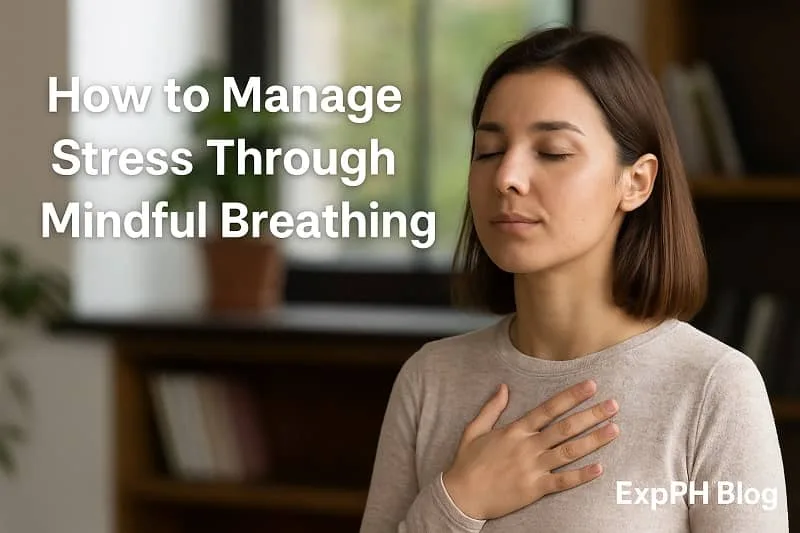
Stress affects everyone at some point in life. Whether it comes from work, personal challenges, financial pressure, or emotional struggles, the feeling of being overwhelmed can impact your health and daily routines. The good news is that managing stress does not always require expensive tools or complicated methods. One of the simplest and most effective ways to calm your mind is through Mindful Breathing.
Mindful Breathing is an accessible practice that anyone can learn. It helps relax your body, improve your mental clarity, and promote a state of peace. In this detailed guide, you will learn how Mindful Breathing works, why it is powerful, and how to use it to reduce stress every day.
What Is Mindful Breathing
Mindful Breathing is the practice of paying full attention to your breath as it flows in and out of your body. You observe how the air enters your lungs, how your chest rises, and how your body relaxes during each exhale. The goal is to focus completely on your breathing to help quiet your mind.
How Mindful Breathing Reduces Stress
When you feel stressed, your body reacts through the fight or flight response. Your heart beats faster, your muscles tighten, and your mind becomes overwhelmed. Mindful Breathing interrupts this response by sending signals to your brain that you are safe and calm.
Here is how it helps:
- It slows your heart rate
- It relaxes tense muscles
- It reduces emotional pressure
- It improves focus and awareness
- It brings your attention back to the present moment
Because of these powerful effects, Mindful Breathing is used worldwide as a natural method for stress management, supporting healthier habits daily.
The Science Behind Mindful Breathing
Researchers and health experts agree that Mindful Breathing plays a major role in emotional well-being. When you breathe slowly and deeply, your parasympathetic nervous system becomes active. This is the part of your body that controls rest and relaxation.
During Mindful Breathing, your brain releases calming chemicals that lower anxiety and create a peaceful state of mind. This natural reaction is why a few minutes of conscious breathing can drastically improve how you feel.
Why Mindful Breathing is Easy for Beginners
Unlike other stress relief techniques that require tools or long periods of practice, Mindful Breathing is simple. You can do it at home, at work, during travel, or even while standing in line. It requires no equipment and no special environment. Even children can learn it in a short amount of time.
Because of its simplicity, Mindful Breathing has become one of the most recommended methods for stress reduction, widely trusted by many individuals today.
Signs You Need Mindful Breathing in Your Daily Life
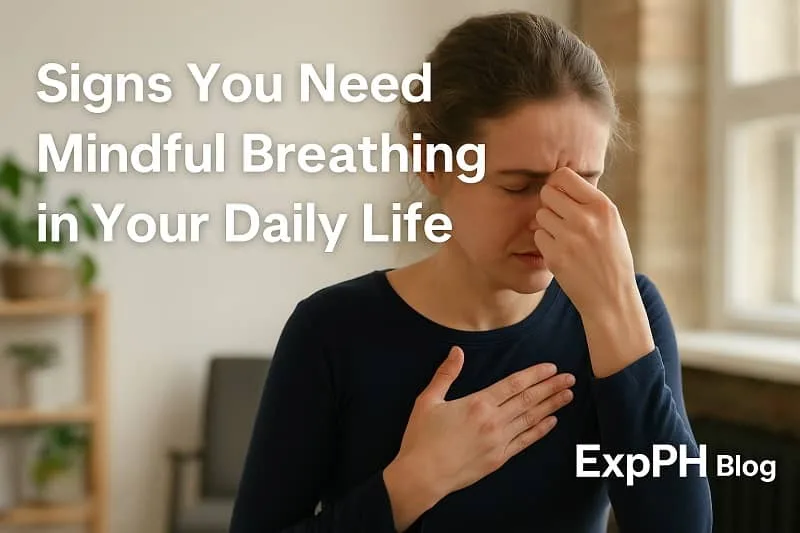
Many people do not realize they are stressed until their body starts sending signals. Here are common signs that Mindful Breathing can help:
- You feel overwhelmed or mentally drained
- You become irritated easily
- You have difficulty concentrating
- You struggle to sleep well
- You feel tension in your shoulders, head, or back
- Your heart rate increases during stressful situations
By practicing Mindful Breathing daily, you can prevent stress before it becomes severe, helping maintain calm focus and emotional balance throughout your day.
Benefits of Mindful Breathing
The benefits of Mindful Breathing reach far beyond relaxation. Practicing it consistently can improve many areas of your life, helping support lasting emotional wellness daily.
Better Emotional Balance
Mindful Breathing helps stabilize your emotions and prevents sudden mood changes. You gain more control over your reactions, especially during stressful situations.
Improved Focus and Clarity
Slow breathing increases oxygen flow to your brain. This helps sharpen your concentration and enhances your productivity, making mental tasks feel easier consistently.
Reduced Anxiety
Mindful Breathing is proven to lower anxiety levels and promote emotional calmness, helping you regain control naturally every day.
Better Sleep Quality
Practicing Mindful Breathing before bedtime can help your mind wind down and prepare for a peaceful sleep, encouraging deeper nightly rest consistently.
Enhanced Physical Health
Calm breathing can lower blood pressure, reduce inflammation, and support a healthier heart, improving your overall physical wellness significantly.
Stronger Mind-Body Connection
When you practice Mindful Breathing, you become more aware of your body’s signals and learn how to respond with intention, enhancing deeper awareness daily.
Instant Stress Relief
One of the biggest advantages is that you can experience relief in just a few minutes, allowing stress reduction anywhere quickly.
These benefits make Mindful Breathing a valuable tool not only for stress reduction but also for improving your overall well-being, creating meaningful positive changes consistently.
How to Practice Mindful Breathing
There are many ways to practice Mindful Breathing. Below are the most effective techniques you can try, each offering unique benefits that support relaxation, clarity, and emotional balance. Exploring different methods allows you to discover which approach feels most natural and helpful for your personal wellness journey.
Basic Mindful Breathing Technique
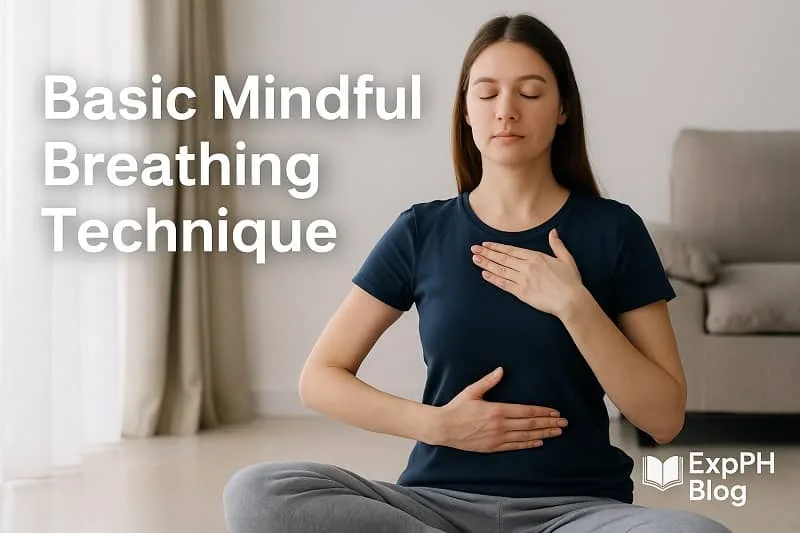
This method is perfect for beginners, providing an easy and gentle introduction that builds confidence and encourages consistent practice.
Steps:
- Sit comfortably with your back straight.
- Close your eyes gently.
- Take a slow deep breath through your nose.
- Notice the air filling your lungs.
- Exhale slowly through your mouth.
- Focus on the feeling of your breath as you inhale and exhale.
- Continue this cycle for 3 to 10 minutes.
During this practice, let go of distractions. If your mind wanders, return your attention to your breath, gently guiding awareness back with steady calm intention.
Deep Belly Breathing
Also known as diaphragmatic breathing, this exercise helps reduce physical tension while gently supporting deeper relaxation and calmer overall bodily awareness.
Steps:
- Sit or lie down comfortably.
- Place one hand on your chest and the other on your stomach.
- Inhale slowly through your nose, allowing your belly to rise.
- Exhale through your mouth while your belly falls.
- Repeat for several minutes while focusing on slow and steady breaths.
This method strengthens your breathing muscles and increases oxygen flow, supporting calm focus and improving your overall sense of relaxation every day.
4-7-8 Mindful Breathing Technique
This is a popular method for calming anxiety, helping your mind settle gently while improving emotional balance and creating a deeper sense of inner peace.
Steps:
- Inhale through your nose for 4 seconds.
- Hold your breath for 7 seconds.
- Exhale slowly for 8 seconds.
- Repeat the cycle four to eight times.
This technique quickly activates relaxation responses in your body, helping calm stress faster and promoting steady emotional balance overall.
Box Breathing Technique
Box breathing is used by athletes, professionals, and even military personnel to stay calm under pressure, providing reliable support during overwhelming and demanding situations.
Steps:
- Inhale for 4 seconds.
- Hold your breath for 4 seconds.
- Exhale for 4 seconds.
- Hold again for 4 seconds.
- Repeat the cycle for several minutes.
Box breathing is excellent for moments of intense stress, offering steady calm during overwhelming emotional pressure.
Mindful Breathing During Daily Activities
Many people think Mindful Breathing must be done in a quiet room, but you can practice it anywhere, making it accessible and helpful even during busy everyday routines.
While Working
Take short breathing breaks to release tension and increase focus, especially during tasks that demand attention and steady mental clarity throughout your workday.
During Travel
Use slow breathing to stay calm while commuting or dealing with traffic, helping you manage frustration and maintain a peaceful mindset regardless of travel conditions.
Before Sleep
A few minutes of Mindful Breathing can improve sleep quality, preparing your mind for rest and helping your body unwind more effectively before bedtime.
After Waking Up
Start your day with a clear and calm mind, giving yourself space to build positive intention and steady energy before activities begin.
During Stressful Moments
Whenever you feel overwhelmed, pause and take deep mindful breaths, allowing your thoughts to settle and your emotions to regain balance naturally and gently.
Integrating Mindful Breathing into your daily routine can transform how you deal with stress, supporting emotional stability and improving overall well-being throughout different life situations.
How Mindful Breathing Strengthens Mental Health
Mindful Breathing not only reduces stress, it also strengthens your mental resilience, helping you stay balanced during difficult moments and unexpected emotional challenges every day.
Improved Awareness
You become more aware of your thoughts and emotions, making it easier to handle challenges, especially when life feels overwhelming and situations demand calm thoughtful responses.
Reduced Negative Thinking
Focusing on your breath reduces unnecessary worrying and overthinking, guiding your mind toward clarity and peace even during stressful circumstances that would normally increase tension.
Better Emotional Control
You learn how to respond calmly instead of reacting impulsively, building stronger emotional discipline that supports healthier interactions and more thoughtful decisions in everyday life.
This makes Mindful Breathing a powerful tool for long-term mental health, reinforcing emotional strength consistently as you practice and apply these calming techniques throughout daily routines.
How Often Should You Practice Mindful Breathing
For the best results, aim to practice Mindful Breathing:
- 5 to 10 minutes every morning
- Short breathing breaks throughout the day
- Additional sessions during stressful moments
- A calming session before sleep
Even practicing for a few minutes daily can bring noticeable improvements, helping you build steady progress and feel more balanced each day.
Common Mistakes When Practicing Mindful Breathing
Avoid these mistakes to get the full benefits, especially when building consistent habits for long term emotional stability and wellness practice today.
Forcing the Breath
Breathing should be gentle and natural, allowing your body to relax correctly without pressure or strain while fostering steady mindful awareness even during challenging stressful moments.
Expecting Quick Perfection
Mindful Breathing is a skill that improves with practice, gradually becoming smoother and more intuitive as your focus strengthens through patient repetition and consistent daily commitment.
Allowing Distractions to Take Over
When your mind wanders, gently redirect your attention back to your breath, helping train steady awareness and promoting deeper mental grounding throughout your mindful breathing routine daily.
Holding Too Much Tension
Relax your muscles, shoulders, and face, letting your breath soften naturally while reducing stress signals and supporting calm emotional balance within each mindful breathing session you practice.
Correcting these mistakes will make your practice smoother and more effective, helping strengthen consistency and improve your overall breathing routine daily.
Combining Mindful Breathing With Other Techniques
Mindful Breathing works beautifully with other wellness habits, offering many ways to deepen calmness and personal growth through simple daily mindful practice regularly.
Meditation
Both enhance focus and relaxation, allowing your mind to quiet down more effectively during stressful daily moments, creating deeper calmness and clarity.
Stretching or Yoga
Pairing breathing with movement supports physical and mental balance, promoting greater flexibility, awareness, and soothing calmness daily.
Journaling
Writing your thoughts after breathing helps clear your mind, encouraging emotional release, clarity, and consistent self reflection practices.
Positive Affirmations
Repeat calming phrases while breathing to strengthen emotional healing, guiding your thoughts toward supportive beliefs throughout each day.
These combinations create a powerful stress management routine, helping individuals maintain peace, balance, and emotional harmony in everyday life.

Why Mindful Breathing Must Become Part of Your Lifestyle
Managing stress requires consistency. Mindful Breathing is not a one time solution. It works best when it becomes part of your daily routine.
By making Mindful Breathing a habit, you can:
- Improve your emotional stability
- Increase your productivity
- Protect your health
- Build long-term resilience
- Create a calmer and more balanced lifestyle
This practice gives you the power to take control of your mental well-being, helping you stay balanced, focused, and emotionally strong every day.
Mindful Breathing for Students, Workers, and Parents
Everyone can benefit from Mindful Breathing, especially when dealing with daily responsibilities, unexpected challenges, emotional pressures, or mentally draining situations.
Students
Improve focus, memory, and learning ability, allowing better academic performance even during stressful periods and demanding study schedules.
Workers
Reduce burnout and increase productivity, helping maintain strong work performance while staying calm during overwhelming tasks and tight deadlines.
Parents
Stay patient, calm, and emotionally present, even when handling household duties, family responsibilities, and challenging moments with children.
Mindful Breathing supports everyone regardless of age or lifestyle, offering gentle guidance that encourages balance, calm focus, emotional strength, and overall well-being each day.
Mindful Breathing for OFWs and Overseas Workers
OFWs face unique emotional and mental challenges. Long working hours, homesickness, pressure to support family, and cultural adjustments can create heavy stress.
Mindful Breathing helps OFWs:
- Stay emotionally stable
- Calm overwhelming moments
- Maintain mental clarity
- Sleep better despite busy schedules
A short breathing break can bring instant relief during tough days abroad, offering calm support whenever challenges feel heavier than usual.
Mindful Breathing for Better Health
Practicing Mindful Breathing daily can support physical wellness, helping your body relax naturally while improving balance, stability, circulation, and overall long term well being.
Improved Heart Health
Slower breathing reduces strain on your heart, promoting steady circulation and supporting overall wellness for long term emotional and physical balance.
Better Lung Function
Relaxation helps reduce chronic stress on your circulatory system, supporting long term wellness and promoting healthier overall physical function daily.
Lower Blood Pressure
Relaxation helps reduce chronic stress on your circulatory system, improving calmness and supporting better overall health naturally each day.
Mindful Breathing is a simple yet powerful wellness tool that supports daily calmness, improves emotional control, enhances focus, and helps maintain balanced mental clarity.
How Long It Takes to See Results
Most people feel immediate calmness after one session. However, long-term benefits appear after consistent daily practice.
You may notice:
- Better sleep within one week
- Reduced anxiety after two weeks
- Improved focus after one month
- Higher emotional resilience after three months
Consistency is key, since building steady habits strengthens long term progress, supports better focus, reduces stress, and helps you stay committed every single day.
Tips to Make Mindful Breathing a Habit
Here are simple ways to stay consistent, helping you build steady habits that support relaxation and long term stress relief every day.
- Choose a specific time each day
- Set reminders on your phone
- Practice while doing simple tasks
- Use breathing apps if needed
- Keep sessions short and enjoyable
The more natural it feels, the easier it becomes, helping you stay consistent, build confidence, deepen your practice, and experience steady improvements every day.
Final Thoughts on Mindful Breathing
Mindful Breathing is one of the most accessible and effective tools for managing stress. It does not require equipment or training, and it can be practiced anywhere. With regular use, Mindful Breathing helps calm your emotions, improve your focus, strengthen your mental health, and support a balanced lifestyle.
If you want to live with more peace, clarity, and emotional stability, make Mindful Breathing part of your daily routine starting today. Even a few minutes can make a meaningful difference, supporting calm focus, steady emotions, reduced tension, improved awareness, deeper relaxation, and better mental balance every single day.
Whenever stress begins to rise, pause for a moment, breathe deeply, and allow Mindful Breathing to bring you back to a calm and centered state that supports clarity, emotional balance, renewed focus, inner peace, grounded awareness, and a gentle sense of relaxation during overwhelming moments.
Unlock more related content in the section below.
- The Art of Saying No
- Healthy Evening Routines to End Your Day Right
- How to Build Confidence and Achieve Your Goals
- Filipino Skincare Brands Gaining Global Attention
- Self-Care Tips for Busy Filipinos Working Abroad
For confirmation of reference, click the link below.
- Mayo Clinic Stress Management
- National Institutes of Health (NIH)
- American Psychological Association (APA)
10 FAQs About How to Manage Stress Through Mindful Breathing.
1. How often should I practice mindful inhaling to reduce stress
Practicing mindful inhaling for at least 5 to 10 minutes daily can already lead to noticeable stress relief, especially during busy days. You can also use it anytime you feel overwhelmed or mentally exhausted.
2. Can calm breathing really help during sudden stressful moments
Yes. Calm breathing quickly activates the body’s relaxation response, which helps settle your thoughts during sudden or intense stress, allowing you to regain control gently.
3. Do I need any equipment to start conscious breathing
No equipment is required. You only need a quiet space, a comfortable position, and your natural breathing rhythm to begin conscious breathing anywhere and anytime.
4. Is relaxed breathwork suitable for beginners
Yes. Relaxed breathwork is one of the easiest stress reduction techniques for beginners because it is simple, natural, and easy to follow even without prior experience.
5. How long does it take to feel the benefits of intentional breathing
Many people feel calmer within minutes. However, long-term benefits such as improved focus and reduced anxiety appear with consistent daily practice, especially when done mindfully.
6. Can I use slow breathing to help me sleep better
Yes. Practicing slow breathing before bedtime helps relax your body and mind, which supports smoother and deeper sleep, especially on stressful or restless nights.
7. What is the best breathing technique for managing stress
Techniques such as deep belly breathing, box breathing, and the 4-7-8 method are among the most effective for managing stress, offering quick and reliable relaxation.
8. Can I practice gentle breathing while working or studying
Yes. Short gentle breathing breaks during work or study can refresh your mind, reduce tension, and improve concentration, especially during long or demanding tasks.
9. Is conscious breathwork effective for people with anxiety
Conscious breathwork helps reduce anxiety by lowering heart rate, improving oxygen flow, and quieting racing thoughts while providing a steady sense of calm.
10. Can children practice simple breathing exercises
Yes. Simple breathing exercises are safe and very helpful for children. They can improve emotional regulation, focus, and relaxation, especially during stressful school moments.
Test your knowledge. Before you begin, take a moment to relax and breathe slowly.
This short quiz will help you understand how well you know the methods for managing stress through mindful breathing. Choose the best answer for each question.
Results


#1. What does mindful breathing focus on
#2. Which breathing helps reduce stress quickly
#3. What system activates during slow breathing
#4. What technique uses equal counting
#5. What part rises during belly breathing
#6. What helps calm sudden stress
#7. What is the best place to practice
#8. How often should beginners practice
#9. Which technique supports better sleep
#10. What does mindful breathing improve
We appreciate your time.
Comment your quiz experience with us and let us know how much you learned today.

A Filipino web developer with a background in Computer Engineering. Founder of ExpPH Blog and ExpPH Business Guide, creating practical content on OFW guidance, business, finance, freelancing, travel, and lifestyle. Passionate about helping Filipinos grow, he shares insights that educate, empower, and inspire readers nationwide.



Pingback: 10 Tips for Better Relationship Communication Guide Today.
Pingback: 5 Powerful Journaling for Mental Health Tips to Improve Life
Pingback: 7 Low Cost Affordable Hobbies Filipinos Should Try This 2026
Pingback: Best Life Goals for Filipinos 2026 Practical Planning Guide.