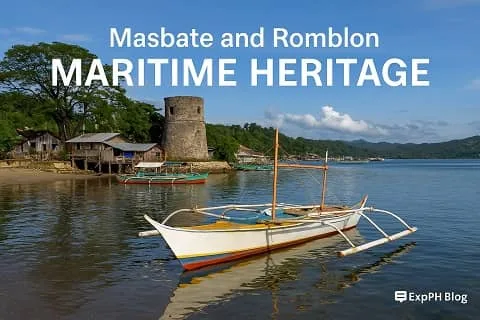
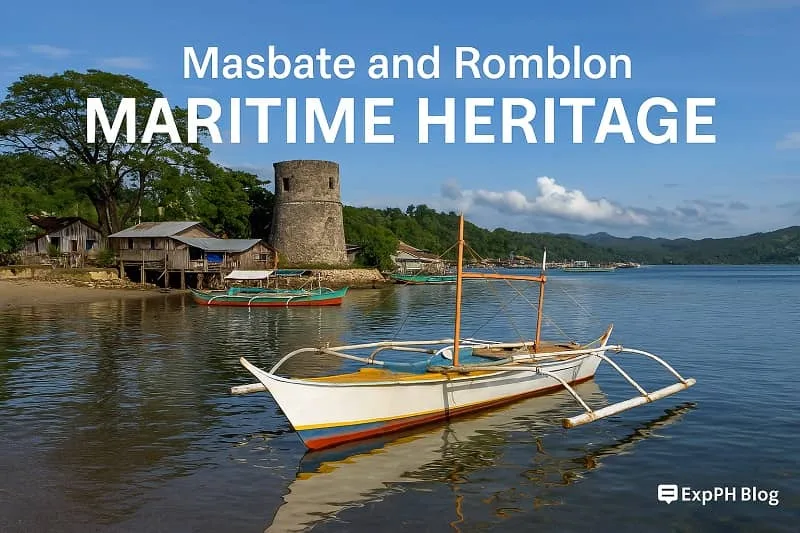
Masbate and Romblon Maritime Heritage
Early trade, shipbuilding, Spanish forts
Introduction to the Maritime Heart of Masbate and Romblon
The Philippines is a country shaped and sustained by the sea, and two provinces that deeply reflect this truth are Masbate and Romblon. These islands sit in the central part of the archipelago where ancient trade routes, seafaring cultures, and colonial shipping lanes once converged. Their histories are not only rich but also incredibly meaningful for anyone who wants to understand Philippine Maritime History. From early boat building traditions to precolonial trading exchanges and from Spanish era forts to enduring coastal communities, Masbate and Romblon offer a vivid picture of how the sea has defined the identity of entire generations.
This article explores their shared stories, their unique roles in shaping Maritime History, and the cultural treasures that continue to survive along their shores. Whether you love learning about ancient vessels, colonial defenses, traditional fishing communities, or international trade routes, Masbate and Romblon provide a fascinating journey that helps readers see the Philippines through its long relationship with the ocean, deepening appreciation for coastal heritage and inspiring continued interest in historical maritime traditions.
The Roots of Maritime History in Masbate and Romblon
Long before foreign ships entered Philippine waters, Masbate and Romblon were already thriving centers of seafaring innovation. Their positions within the Sibuyan Sea and Visayan waterways created strategic spaces for early settlements to explore, trade, and connect with neighboring islands. These coastal societies relied on the sea for food, transportation, and cultural exchange, forming the basis of their evolving Maritime History.
Early Coastal Communities and Their Way of Life
Archaeological findings suggest that both Masbate and Romblon were home to communities that used coastal resources skillfully and sustainably. Shell tools, pottery shards, fish bones, and early metal objects show how deeply connected ancient residents were to maritime activities. Their lives revolved around seasonal fishing patterns, inter island travel, and the creation of watercraft tailored to varying sea conditions. These developments played a foundational role in shaping Philippine Maritime History, especially as they influenced later boat building techniques and maritime trade practices.
Influence of Austronesian Seafaring Traditions
The Austronesians, considered among the greatest navigators of the ancient world, heavily shaped the region’s maritime culture. Their knowledge of star navigation, currents, and wind patterns helped early settlers travel widely across Southeast Asia. This influence made its way into Masbate and Romblon where communities adopted similar techniques. These navigational achievements are celebrated today as remarkable contributions to global Maritime History, showcasing how early Filipinos already possessed sophisticated seafaring knowledge long before Western contact.
Ancient Trade Networks and Regional Economic Growth
Masbate and Romblon did not exist in isolation. Their coastlines served as gateways in larger trade networks that connected the Visayas, Luzon, and Mindanao. These interactions helped shape the cultural landscape of the islands while strengthening their roles in regional commerce, fostering long lasting economic relationships.
Masbate’s Role in Inter Island Trade
Masbate’s position within the Bicol and Visayan corridors made it an ideal stopover for traders transporting goods like rice, dried fish, pottery, and metalware. These trading activities kept the island busy with movement and exchange, strengthening ties with surrounding regions. Such early engagements reveal how Masbate contributed to the overall Maritime History of the Philippines by becoming a vital connector among regional economies.
Romblon’s Trade Specialties and Strategic Location
Romblon, known today for its marble, once played a crucial role in supplying pottery, shells, pearls, and woven goods to nearby islands. Its location made it accessible to merchants traveling through the Sibuyan Sea. This maritime behavior is an important component of Philippine Maritime History, proving that even smaller islands had powerful economic roles.
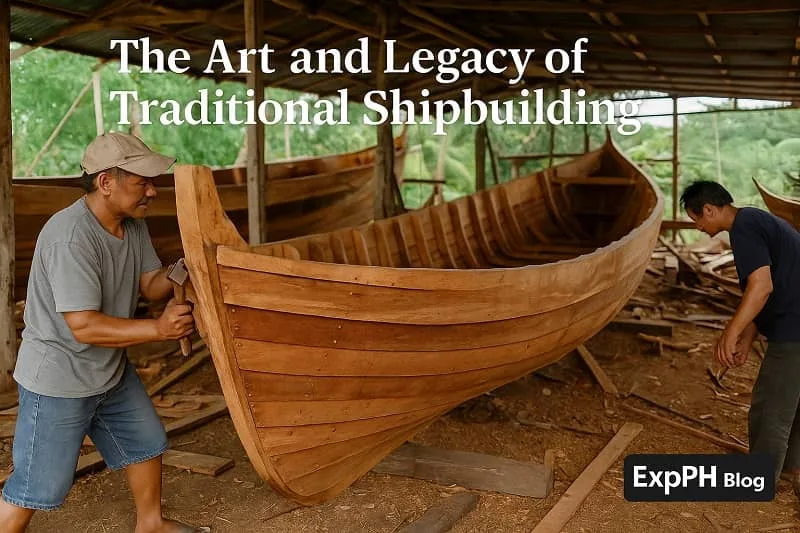
The Art and Legacy of Traditional Shipbuilding
One of the most important contributions of Masbate and Romblon to Maritime History is their tradition of crafting watercraft suited for open sea travel. Filipino ingenuity in boat construction has always been admired by historians and travelers, and these provinces continue to highlight that expertise today.
Masbate’s Boat Building Communities
Masbate’s coastal villages produced vessels such as the parao, balangay style boats, and fishing canoes that allowed people to travel long distances safely. These boats were not just functional tools but cultural artifacts that demonstrated deep understanding of wood, wind, and water behavior. Their durability allowed early sailors to expand networks and influence, making Masbate an important contributor to the country’s Maritime History.
Romblon’s Skilled Craftsmen and Distinct Techniques
Romblon is equally respected for its shipwrights. They used local hardwoods that were known for strength and longevity, perfect for crafting vessels designed to face strong ocean currents. Oral traditions even mention shipbuilders who passed their skills down through generations, turning boat making into both a livelihood and heritage. This tradition remains a precious part of Romblon’s identity and enriches Philippine Maritime History through craftsmanship and cultural pride.
Arrival of the Spanish and the Transformation of Maritime History
When the Spaniards arrived in the sixteenth century, they immediately recognized the strategic maritime value of Masbate and Romblon. Their colonization efforts led to major changes in local infrastructure, trade patterns, and defense strategies, all of which shaped the course of regional Maritime History.
Masbate Under Spanish Rule
Masbate became a hub for Spanish cattle ranching and ship travel. Galleons and supply vessels frequently sailed near Masbate’s waters, turning it into a monitoring point for colonial movements. The Spanish influence gradually merged with local traditions, resulting in mixed maritime practices that now form a significant part of the province’s contribution to Maritime History.
Romblon’s Role in Colonial Shipping Routes
Romblon’s harbors became docking points for colonial ships passing through the Sibuyan Sea. Its natural bays protected vessels during storms, making it a dependable shelter for traders and Spanish ships. This gave the island a meaningful role in colonial Maritime History, especially as shipping routes expanded throughout the Visayas.
Spanish Forts and Colonial Maritime Defenses
One of the most visible legacies of the Spanish era in both provinces is the construction of defensive fortifications. These structures protected communities from pirate attacks and foreign raiders while reinforcing colonial control of regional waterways, ensuring greater security across vulnerable coastlines.
Fortresses of Romblon
Romblon is known for its watchtowers and fortifications, including Fort San Andrés and Fort Santiago. These structures were built on elevated areas to monitor approaching ships. Their architecture reflects the defensive strategy used during the colonial period and contributes significantly to the study of Maritime History, especially in terms of how empires secured maritime territories.
Masbate’s Spanish Era Defenses
Masbate has fewer standing fortifications today, but historical records show that coastal watchtowers once played vital roles in protecting settlements. These structures help historians trace how the island contributed to colonial Maritime History, particularly during times of conflict, offering valuable contextual insights.
Cultural Identity and Maritime Traditions That Survived
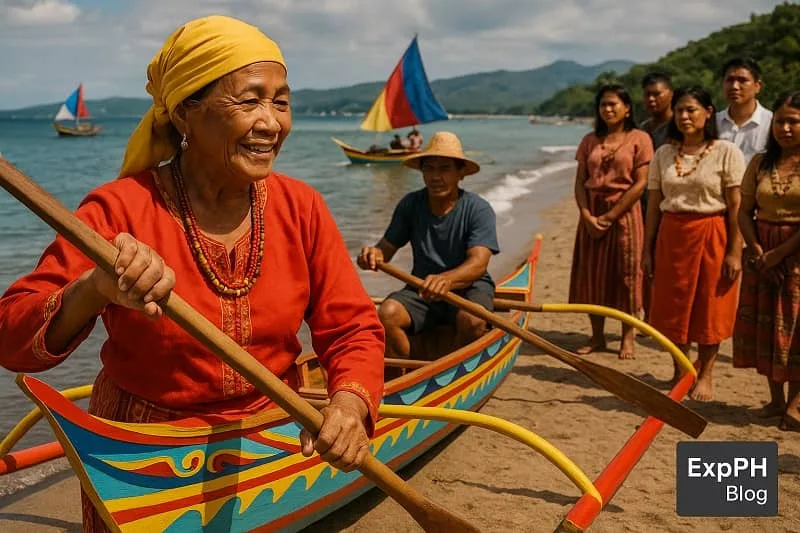
Despite colonization, local maritime traditions endured and continued shaping community identities across both provinces, influencing daily practices, strengthening shared beliefs, guiding coastal livelihoods, and preserving cultural knowledge that connects present generations with their rich ancestral maritime heritage.
Fishing Practices That Reflect Maritime History
Fishing remains central to life in Masbate and Romblon. Techniques such as net casting, fish corrals, and seasonal seafood harvesting all mirror the practices of ancestors who shaped early Maritime History. These activities also support local economies today, sustaining livelihoods across coastal communities.
Boat Festivals and Coastal Celebrations
Festivals that honor fishermen, sea spirits, and maritime livelihood survive in both provinces. These cultural celebrations help preserve ancient beliefs tied to Maritime History while connecting modern generations to traditions that go back centuries, strengthening shared identity within coastal communities.
Masbate’s Unique Contributions to Philippine Maritime History
Although both provinces share coastal heritage, Masbate offers several distinct contributions that enrich national Maritime History, including specialized fishing methods, vital trading roles, notable navigational expertise, and cultural practices that strengthened maritime identity across generations.
Masbate Ranching and Its Maritime Connection
Masbate is known for ranching, but this industry developed partly because of maritime trade routes that connected cattle shipments to other islands. These shipments formed a unique intersection of agriculture and Maritime History in the Philippines, strengthening regional economic links over time.
Masbate’s Deep Sea Fishing Heritage
Masbatean fishers frequently travel far into open waters, showcasing skills inherited from ancient navigators. Their knowledge of the tides, stars, and seasonal winds provides living proof of how early Maritime History shaped modern livelihoods, guiding community practices today.
Romblon’s Strong Maritime Identity and Heritage Sites
Romblon is not only a cultural treasure but also a valuable archive for those studying Philippine Maritime History, offering enduring evidence of traditional craftsmanship, historic maritime routes, colonial era interactions, and community practices that shaped the region’s identity across many generations.
Shipbuilding Artisans and Their Lasting Influence
Romblon’s wooden boats, admired for their resilience, contributed greatly to inter island travel. The work of artisans reflects centuries of innovation that should be recognized as part of the country’s proud Maritime History, strengthening cultural identity and highlighting skilled craftsmanship within coastal communities.
Historic Ports and Landing Areas
Many of Romblon’s natural ports served as rest stops for colonial ships. These areas played roles in shaping trade routes and colonial defense plans, elements that are essential in understanding Maritime History in the archipelago, revealing strategic decisions that influenced regional development across centuries.
Shared Maritime Landscape of the Sibuyan Sea
Masbate and Romblon are separated by waters but united by a shared maritime environment that nurtured their cultures, encouraged long lasting connections, supported thriving coastal livelihoods, and shaped community traditions that continue influencing regional identity across generations living near the Sibuyan Sea.
The Sibuyan Sea as a Maritime Highway
This body of water served as a major trade highway for centuries. Goods, people, and ideas moved continuously across it, influencing the growth of local communities. This region is one of the most important spaces in Philippine Maritime History, shaping cultural identity across generations.
Navigational Knowledge of Local Sailors
Sailors from both provinces mastered reading currents and winds. Their skills ensured safe travel long before modern navigational tools existed. These contributions continue to inspire students of Maritime History, especially those studying traditional navigation, reinforcing valuable cultural knowledge.
Environmental Influences on Maritime Development
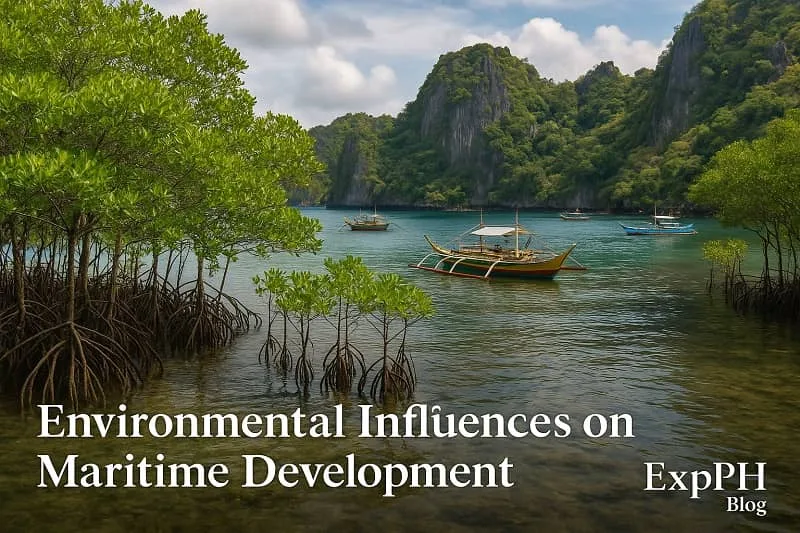
The natural features of Masbate and Romblon played major roles in shaping their maritime industries, influencing settlement patterns, guiding traditional navigation practices, supporting abundant marine resources, and helping communities develop sustainable coastal livelihoods tied closely to their surrounding environment.
Coral Reefs and Marine Biodiversity
Rich marine ecosystems supported ancient fishing communities and strengthened food security. Understanding these ecosystems is essential when studying the ecological side of Maritime History, helping researchers interpret environmental influences on cultural development across coastal settlements.
Mountainous Coasts That Shaped Settlement Patterns
Both islands have rugged terrains that pushed settlements toward coastal areas. These locations became hubs of early Maritime History since communities lived close to fishing grounds and trade routes, fostering cultural exchange and strengthening long lasting economic connections throughout nearby regions.
Maritime Challenges During the Colonial Era
Colonial power brought new challenges that deeply influenced the maritime landscape of the two provinces, shaping trade patterns, altering traditional navigation practices, and introducing stricter coastal regulations that affected community livelihoods while transforming standing maritime customs across generations.
Pirate Raids and Coastal Vulnerability
Communities along the Sibuyan Sea were often targets of raiders. These threats motivated Spain to build strong defenses, adding a dramatic chapter to the region’s Maritime History, shaping local resilience and influencing protective measures that supported vulnerable coastal settlements.
Forced Labor in Maritime Construction
Some locals were required to build ships for colonial powers. This practice, though difficult, showcases how deeply the region was tied to colonial Maritime History, reinforcing cultural adaptation while shaping community experiences that influenced future generations involved in important maritime activities.
Masbate and Romblon in Modern Maritime History
Even in the modern era, the two provinces continue to play significant roles in maritime development, supporting transportation networks, promoting cultural preservation, encouraging sustainable tourism, and strengthening economic growth within coastal communities across the region.
Inter Island Ferry Routes
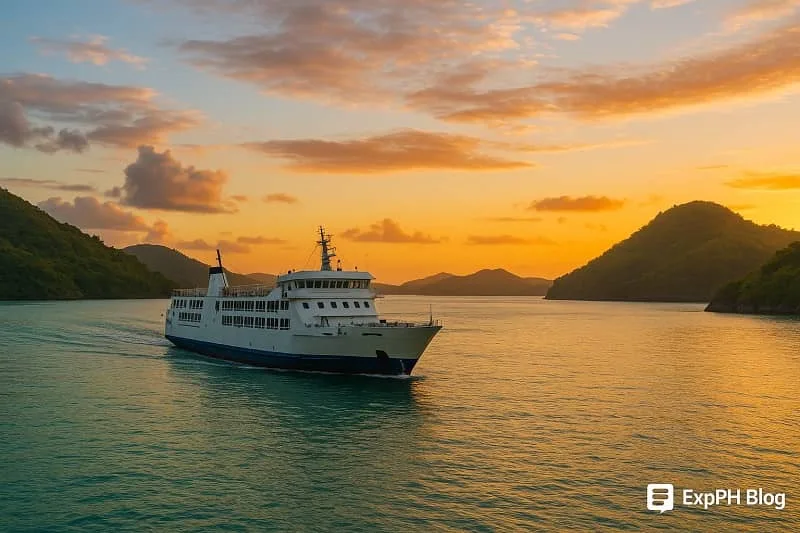
Masbate and Romblon are important ports for ferry routes linking Luzon and the Visayas. These routes continue the tradition of movement and exchange that has shaped their Maritime History for centuries, preserving regional connections and enhancing community ties across nearby islands.
Preservation of Maritime Heritage Sites
Local efforts to preserve forts, watchtowers, and old shipbuilding areas reflect a growing awareness of heritage conservation. These projects help protect the provinces’ important roles in Philippine Maritime History, ensuring these cultural treasures remain meaningful learning resources for future generations.
The Future of Maritime History in Masbate and Romblon
The story of these provinces continues to grow as local governments, cultural groups, and tourism sectors invest in preserving their maritime legacy, promoting sustainable development and inspiring communities to value their heritage as an essential foundation for future cultural and educational initiatives.
Tourism Based on Maritime Heritage
Heritage tourism creates opportunities to showcase historic forts, old ports, and traditional boats. This approach allows visitors to appreciate Maritime History through firsthand experiences, strengthening cultural awareness and encouraging communities to preserve important coastal traditions for future generations.
Cultural Education and Community Engagement
Schools and cultural organizations engage younger generations by teaching maritime traditions. This ensures that ancient contributions to Maritime History remain relevant and respected, strengthening cultural identity while encouraging active participation in preserving valuable coastal heritage for future generations.
Conclusion
A Living Chronicle of the Philippine Sea
Masbate and Romblon are more than beautiful islands. They are chapters of a living story that reveals how the sea shaped Filipino identity, creativity, and resilience. Their trading past, shipbuilding knowledge, Spanish era defenses, and continuing maritime traditions form a powerful narrative that deserves national recognition. Exploring their histories helps everyone appreciate the role of maritime culture in shaping the Philippines. Each wave that touches their shores carries centuries of memory, making these provinces shining symbols of the country’s enduring Maritime History.
Understanding the heritage of Masbate and Romblon also encourages communities to recognize the importance of preserving their coastal environment, historical sites, and traditional practices. These provinces offer living classrooms where younger generations can explore the deep relationship between people and the sea. By valuing these stories, Filipinos strengthen their connection to a shared maritime past that continues to influence culture, identity, and collective pride throughout the archipelago today.
See more recommended ideas listed below.
- Spanish Footprints in Quezon and Marinduque
- History of Tawi-Tawi, Its Culture, and the Legacy of the Bangsamoro
- Top 10 Historical Landmarks in the Philippines: Tracing the Nation’s Rich Heritage
- Top 5 Remarkable Moments in the History of Central Luzon
- Rizal and Cavite History: Cradle of Revolution
For the official document, click the link below.
- Department of Tourism – MIMAROPA Region (Romblon Tourism Information)
- National Museum of the Philippines – Maritime Heritage Collections
- Philippine Ports Authority – Historical and Maritime Data
10 FAQs About Masbate and Romblon Maritime Heritage
What makes Masbate and Romblon important in Philippine maritime heritage?
Both provinces shaped coastal traditions, early trade, and local navigation. Their shipbuilding skills, fishing culture, and colonial era roles highlight their rich maritime contributions and historical significance.
How did early communities in Masbate and Romblon depend on the sea?
Early settlers relied on fishing, inter island travel, and resource gathering. Their coastal lifestyles shaped community development, survival practices, and strong cultural identities rooted deeply in maritime traditions.
What types of boats were traditionally built in these provinces?
Both provinces built sailing vessels, fishing canoes, and sturdy wooden boats. These watercraft supported trade, travel, and daily livelihood, becoming essential symbols of maritime craftsmanship and heritage.
Did the Spanish build forts in Masbate and Romblon?
Yes, the Spanish constructed watchtowers and forts to defend coastlines. These structures protected communities from raids, secured shipping routes, and strengthened colonial maritime control over the surrounding waters.
How did ancient trade shape maritime heritage in Masbate and Romblon?
Trade connected the islands with nearby regions, allowing exchange of goods, skills, and ideas. These interactions strengthened economic growth and preserved their shared maritime cultural traditions.
What role did traditional fishing play in maritime development?
Traditional fishing sustained communities, supported local markets, and preserved ancestral skills. These practices remain central today, shaping economic activity and cultural identity across coastal settlements.
Are there preserved shipbuilding traditions in both provinces?
Yes, local craftsmen continue building wooden boats using inherited knowledge. These traditions represent centuries of maritime heritage, cultural pride, and community continuity passed through generations.
Why were Masbate and Romblon important during the Spanish era?
Their strategic locations supported colonial shipping routes, sheltered vessels, and enabled defense. These islands became crucial maritime points for trade, travel, and military operations during Spanish rule.
How does maritime heritage influence local culture today?
Maritime heritage inspires festivals, fishing rituals, crafts, and community activities. These cultural expressions reflect long standing traditions shaped by coastal life and preserved through shared collective memory.
Can visitors explore maritime heritage sites in Masbate and Romblon?
Yes, travelers can visit forts, historic ports, coastal villages, and traditional boatbuilding areas. These destinations offer immersive experiences that highlight the region’s vibrant maritime history and culture.
Test your knowledge about Masbate and Romblon Maritime Heritage
Results


#1. Which sea surrounds both provinces?
#2. What skill were Romblon craftsmen known for?
#3. Why did Spain build forts here?
#4. What activity shaped early communities?
#5. Which era influenced local shipbuilding?
#6. What resource supported ancient trade?
#7. Which structure stands in Romblon?
#8. What guided ancient navigation?
#9. What industry links Masbate to maritime life?
#10. What connects the islands historically?
Your curiosity helps keep Philippine heritage alive.
Share your score and feel free to comment about your experience with us. We appreciate having you here.

A Filipino web developer with a background in Computer Engineering. Founder of ExpPH Blog and ExpPH Business Guide, creating practical content on OFW guidance, business, finance, freelancing, travel, and lifestyle. Passionate about helping Filipinos grow, he shares insights that educate, empower, and inspire readers nationwide.