
The Untold Story Behind Manila Kingpin
The Asiong Salonga Story
Introduction
When people talk about the roots of Manila’s colorful past, the conversation often leads to legends who shaped the darker side of the city. One of the most iconic names is Nicasio Asiong Salonga, the man widely known as the King of Tondo. His life story has inspired countless books, conversations, and films.
Among these adaptations, Manila Kingpin: The Asiong Salonga Story stands out as a powerful attempt to retell the tale of a complex figure who became a symbol of both fear and admiration. This article will explore the untold story behind the movie while giving a deeper understanding of the environment that shaped Asiong’s rise. Throughout this discussion, you will discover how Manila Crime History influenced the man behind the legend.
This comprehensive guide is designed to help readers understand the real events, the cultural setting, and the historical significance of Asiong Salonga. It also provides insights into life in Tondo during a period when poverty, political influence, and street power shaped the destiny of many Filipinos. Manila Crime History plays a huge role in understanding how communities respond to danger, survival, and leadership. As you dive deeper into this story, you will see how the movie reflects the raw realities of its time and how it connects to the broader tapestry of Manila Crime History.
The Real World Behind the Legend
The popularity of Manila Kingpin sparked renewed interest in Manila Crime History because the film showcased a side of Manila that young generations rarely learn about. Understanding Asiong’s environment is important because it reveals how crime, survival, and community loyalty shaped Tondo’s culture.
Life in Tondo During the Post War Era
Tondo was one of the most densely populated areas in the Philippines after the war. Many families struggled with poverty, limited job opportunities, and weak law enforcement. These conditions created a breeding ground for conflict and crime. Manila Crime History is deeply connected to this era because many notorious personalities emerged from communities where survival required strength, influence, and leadership.
People in Tondo relied on neighborhood alliances to stay safe. Those who had the courage to protect their communities or fight for resources easily earned respect. This creates the backdrop for understanding how Asiong Salonga became a legendary figure. His rise was not simply because he engaged in criminal activity but because he understood the cultural dynamics of the area. Manila Crime History records many individuals who gained influence through charisma, bravery, and street intelligence, and Asiong was one of them.
Social Conditions That Shaped the Underworld
Post war Manila was far from peaceful. With limited government resources and widespread hunger, many people turned to illegal activities to survive. Gangs formed not just for profit but for protection because every street corner had its own rules and territory. Manila Crime History shows how these groups often served dual roles. They could be protectors or predators depending on who you asked.
Asiong grew up during these turbulent years. His actions cannot be separated from the social environment that shaped him. When we study Manila Crime History, we see that crime was often a result of inequality, lack of opportunity, and broken institutions. Asiong’s story begins within this reality.
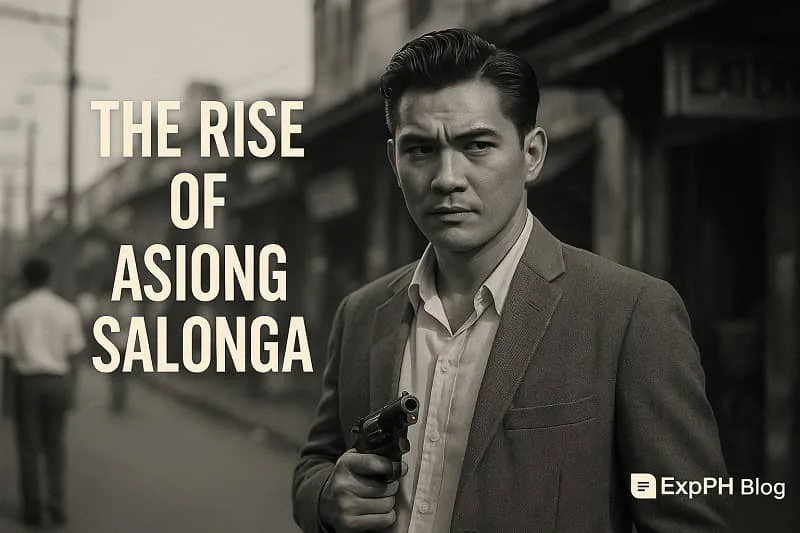
The Rise of Asiong Salonga
The movie portrays Asiong as a fearless leader with a strong sense of loyalty. Although the dramatization exaggerates certain events, many details are rooted in Manila Crime History and real community experiences.
From Street Fighter to Local Icon
Asiong Salonga did not become famous overnight. He began like many young men in Tondo, learning how to survive in a rough neighborhood. His early experiences trained him to observe people, understand motivations, and gain respect through confidence. These qualities helped him rise above the rest. Manila Crime History describes him as someone who understood how to maintain power through both intimidation and charisma.
People feared him because he was strong and decisive. People admired him because he helped his community and protected those who respected him. This duality made him a legendary figure in Manila Crime History. His influence spread quickly because he knew how to command loyalty.
Leadership Within the Underworld
Gangs in Tondo had their own structures, similar to small governments. Leaders needed to solve conflicts, create alliances, and manage resources. Asiong excelled in these areas. Manila Crime History often highlights how he negotiated with rival groups, prevented unnecessary violence, and maintained peace within his territory. While his methods were far from lawful, his strategic mind impressed many.
What separated Asiong from others was his awareness of public perception. He understood that even those engaged in illegal activities needed community support. By helping locals or offering protection, he gained a reputation that Manila Crime History would never forget.
The Film Adaptation and Its Cultural Impact
Manila Kingpin: The Asiong Salonga Story captivated audiences because it delivered action, drama, and authenticity. The film brought Manila Crime History into mainstream entertainment, allowing viewers to see a side of Manila that history books rarely highlight.
A Modern Interpretation of an Old Legend
The film aimed to capture the look and feel of 1950s Manila. It portrayed vintage streets, old fashioned vehicles, and gritty settings. These scenes helped modern audiences visualize the environment described in Manila Crime History. The movie did more than retell events. It recreated the atmosphere of Tondo, which gives viewers a deeper connection to the story.
The black and white style also emphasized the mood of that era. It created a visual representation of how crime shaped many lives and how leaders like Asiong emerged during periods of hardship. Manila Crime History is filled with stories that reflect struggle, loyalty, and survival, and the film effectively highlighted these elements.
Accuracy Versus Artistic Creativity
Although the movie is rooted in true events, not everything is historically accurate. Some scenes were added to enhance drama, while others were simplified to fit the storyline. This is common in films that use Manila Crime History as inspiration. The goal is not always perfect accuracy but a powerful narrative that represents the emotions of the time.
Still, many historians and fans appreciate how the movie preserved the essence of Asiong’s character. His sharp mind, strong influence, and commanding presence were consistent with records found in Manila Crime History. The film helped younger audiences understand why Asiong became a cultural icon.
The Untold Sides of Asiong’s Story
Behind every legend are details that often stay hidden. The movie touched on many events, but there are deeper aspects that reflect important lessons about Manila Crime History and community resilience.
His Human Side and Personal Struggles
While Asiong was feared by many, he also experienced struggles that shaped his worldview. Manila Crime History shows that Asiong valued family and friendship. He rewarded loyalty and punished betrayal. This mindset was shaped by the environment around him because trust was rare and betrayal often meant danger or death.
He desired respect more than wealth. He wanted influence rather than anonymity. His decisions reflect the psychological pressures that many individuals in Manila Crime History experienced. Life in Tondo required quick thinking, courage, and emotional strength.
The Making of a Local Hero
Some people saw Asiong as a criminal. Others considered him a hero who defended the powerless. Manila Crime History shows that many local leaders played multiple roles. In areas with limited government assistance, community leaders often acted as protectors, negotiators, and decision makers.
People admired Asiong because he helped during crises. He supported the poor, mediated conflicts, and ensured that Tondo residents felt safe within his control. These actions contributed to his legendary status in Manila Crime History.
The Legacy of Asiong Salonga
Even decades after his death, Asiong remains an important part of Philippine culture. His life story continues to inspire films, books, and conversations. Manila Crime History credits him as one of the most influential figures of his era.
Impact on Popular Culture
Many young Filipinos learned about Asiong through Manila Kingpin. The film revived interest in Manila Crime History and encouraged viewers to explore the real stories behind the movie. Documentaries, articles, and interviews followed, increasing public awareness of how crime shaped Manila’s past.
Artists and writers also used his story to illustrate moral lessons about power, loyalty, and survival. The legend of Asiong became a symbol of resilience within the context of Manila Crime History.
Lessons That Modern Society Can Learn
Asiong’s story is filled with lessons that remain relevant today. His rise shows how environments filled with poverty and instability can influence young minds. This is an important reminder that Manila Crime History is not just about gangsters but about communities shaped by difficult circumstances.
His downfall teaches that power without responsibility leads to danger. His life reveals the consequences of living within a world where violence is normalized. Manila Crime History encourages us to reflect on how society can prevent similar stories in the future by improving education, opportunities, and community support.
How the Film and the Real Story Connect to Manila Crime History
To fully appreciate Asiong’s tale, we must understand how it fits into the larger narrative of Manila Crime History, highlighting the complex forces, community dynamics, and cultural realities that shaped his journey.
A Reflection of the City’s Turbulent Evolution
Manila Crime History contains stories of countless individuals who rose and fell due to power struggles. These stories show how the city changed from the post war years to the modern era. Asiong’s life was part of this transformation. His story mirrors Manila’s journey from chaos to development.
The movie provided a clear visual representation of how crime shaped communities, influenced politics, and affected families. When audiences watched Manila Kingpin, they witnessed how personal ambition and community dynamics shaped criminal leadership. Manila Crime History is filled with similar tales.
Understanding Crime Through Cultural Context
Crime is not merely a series of illegal acts. It is deeply shaped by social, cultural, and economic factors. Manila Crime History reveals that people often resorted to crime because of necessity rather than personal desire. In the case of Asiong, his actions were influenced by his environment. Poverty, lack of opportunities, and exposure to violence shaped his path.
The movie helps viewers understand that criminals can also be complex human beings. They have dreams, fears, and motivations. Manila Crime History teaches that understanding these factors is essential for preventing the same patterns from repeating today.
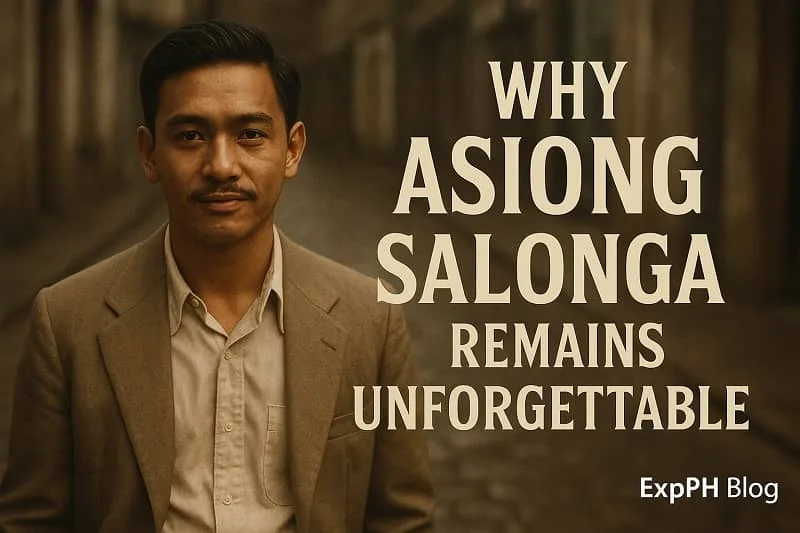
Why Asiong Salonga Remains Unforgettable
The lasting appeal of Asiong’s story comes from the balance between reality and legend. Manila Crime History ensures that his name will never fade because his story represents a crucial chapter in Manila’s evolution.
A Symbol of Power and Vulnerability
Asiong represents both strength and fragility. His courage made him a feared leader. His humanity made him a beloved figure. This combination created a legend that Manila Crime History continues to preserve. The movie enhanced his image by showing both his toughness and emotional depth.
A Story Passed On Through Generations
Families in Tondo still talk about Asiong today. His name appears in pop culture, history lessons, and social discussions. Manila Crime History acknowledges him as a symbolic figure whose story continues to teach lessons about leadership, loyalty, and survival.
Conclusion
The untold story behind Manila Kingpin: The Asiong Salonga Story is not just about one man. It is about a community, a culture, and a historical period shaped by hardship. By exploring the environment that influenced Asiong, you now have a deeper understanding of Manila Crime History and how it shaped the lives of ordinary Filipinos, revealing struggles, resilience, local values, and the powerful forces that transformed communities during challenging times.
Asiong’s story reminds us that legends are born from real struggles. His legacy reflects the resilience of communities that fight for survival. The movie brought his story to life, but the true depth of his experiences is rooted in Manila Crime History. This deeper context reveals how social pressures, poverty, and loyalty shaped his decisions and relationships, offering important lessons about leadership, morality, and community identity. Understanding these influences helps us appreciate his lasting cultural impact within Manila Crime History today significantly.
Keep growing your knowledge with the links below.
- Jose Rizal 1998 The Movie That Redefined Nationalism for Filipinos
- Real Story of Bata Bata Paano Ka Ginawa and Motherhood
- Quezon’s Game and Filipino Compassion in the Holocaust
- How Ang Larawan Captured the Soul of Pre-War Manila
- Real Lessons from Goyo
For additional reference, click the link below.
- IMDb Official Page for Manila Kingpin
- Philippine Government National Historical Commission
- Film Development Council of the Philippines (FDCP)
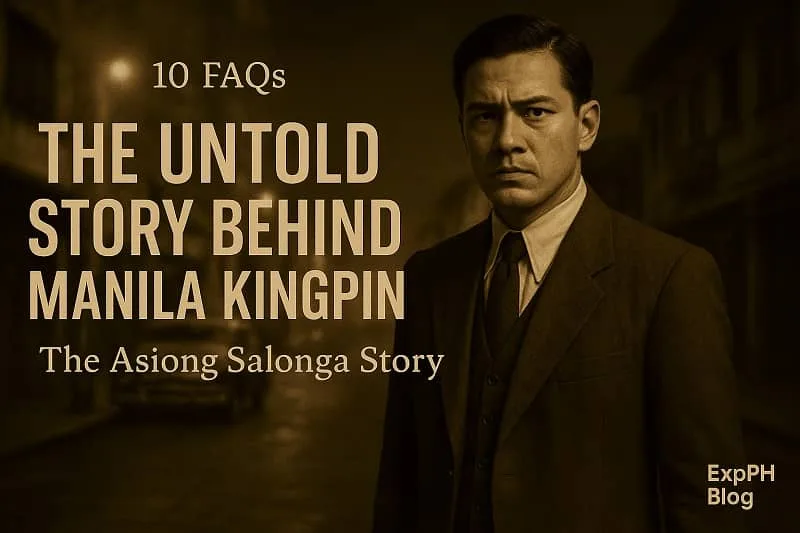
10 FAQs about The Untold Story Behind Manila Kingpin.
What is the main focus of The Untold Story Behind Manila Kingpin?
The main focus is to explore the real life background of Asiong Salonga, his rise in Tondo, and how the film connects to Manila Crime History. It explains the cultural and social factors that shaped his reputation as the King of Tondo.
Is Manila Kingpin based on true events?
Yes, the movie is inspired by true events from the life of Nicasio Asiong Salonga. Many scenes are grounded in Manila Crime History although some parts were dramatized for storytelling.
Why is Asiong Salonga considered a legendary figure in Manila?
Asiong gained influence because of his leadership, charisma, and reputation as both a feared gangster and a protector of his community. His story became a significant part of Manila Crime History.
How accurate is the film compared to real historical events?
The film captures the atmosphere and core events of Asiong’s life but it includes creative interpretations to enhance drama. It provides a strong introduction to Manila Crime History but does not represent every detail with full accuracy.
What makes the story of Asiong Salonga important to Filipino culture?
His life reflects the social struggles of post war Manila. The story reveals how poverty, survival, and loyalty shaped communities in Tondo which makes it an important chapter in Manila Crime History.
What themes are highlighted in The Asiong Salonga Story?
The movie emphasizes loyalty, power, survival, and community identity. These themes are strongly connected to Manila Crime History and help explain why Asiong became an iconic figure.
How did Asiong Salonga gain influence in Tondo?
Asiong gained respect through his bravery, strategic leadership, and ability to manage conflicts. His influence grew because he understood the social dynamics that shaped Manila Crime History during that period.
Why does the movie use a black and white style?
The black and white presentation helps recreate the mood of 1950s Manila. It gives viewers a sense of authenticity and connects visually to the gritty atmosphere described in Manila Crime History.
What lessons can viewers learn from Asiong Salonga’s life?
Viewers can learn about the consequences of violence, the value of loyalty, and the importance of understanding social conditions that shape individuals. His story provides valuable insights into Manila Crime History.
Why is the story still relevant today?
Asiong’s story remains relevant because it reflects ongoing social issues such as poverty, crime, and community identity. These topics continue to influence Manila Crime History and modern Filipino society.
Test your knowledge about The Untold Story Behind Manila Kingpin The Asiong Salonga Story.
This short quiz will challenge what you learned about Asiong Salonga, Tondo, and Manila Crime History. Perfect for learners who enjoy Filipino crime history and real life stories.
Results


#1. Who is the main figure in the story?
#2. Where did Asiong gain influence?
#3. What era shaped Asiong’s rise?
#4. What made Asiong widely known?
#5. Why is the film in black and white?
#6. What theme is central to his story?
#7. Which area influenced Manila Crime History most?
#8. How did Asiong gain respect?
#9. What challenge shaped Tondo communities?
#10. What made Asiong’s legacy last?
Your curiosity keeps Filipino stories alive.
Share your score and feel free to comment about your learning experience with us at ExpPH Blog.

A Filipino web developer with a background in Computer Engineering. Founder of ExpPH Blog and ExpPH Business Guide, creating practical content on OFW guidance, business, finance, freelancing, travel, and lifestyle. Passionate about helping Filipinos grow, he shares insights that educate, empower, and inspire readers nationwide.

Pingback: 10 Powerful Filipino Biographical Films That Changed Cinema.
Pingback: 7 Truths Behind Anak and Mothers Sacrifice Hope and Heartache