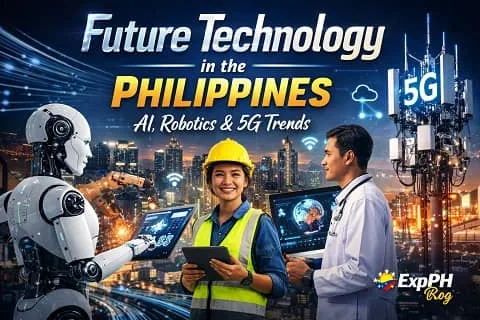
Future Technology in the Philippines: AI, Robotics, and 5G Trends
The future technology in the Philippines is rapidly evolving, creating new opportunities for businesses, workers, and especially Overseas Filipino Workers (OFWs) who are planning their long-term careers. As digital transformation accelerates across industries, technologies like artificial intelligence, robotics, and 5G are no longer distant concepts. They are becoming part of everyday life in the country.
From smarter cities to automated industries and faster internet connectivity, the Philippines is entering a new era of innovation. For Filipinos, this shift is not just about convenience. It is about economic growth, job creation, and global competitiveness.
In this guide, you will learn how these technologies are shaping the country, what opportunities they bring, and how you can prepare for the future.
Want to understand how artificial intelligence is already shaping daily life in the country?
Explore our full guide on Artificial Intelligence in the Philippines Transforming Everyday Life and see how this technology is changing work, business, and everyday experiences.
Table of Contents
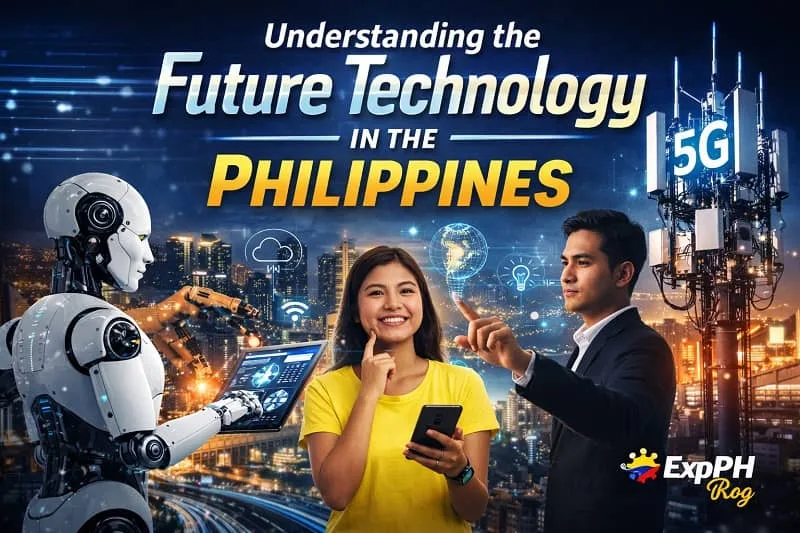
Understanding the Future Technology in the Philippines
The future technology in the Philippines refers to emerging innovations that are transforming how people live, work, and do business. These include artificial intelligence, robotics, and 5G networks, which are driving digital transformation across sectors such as healthcare, education, transportation, and finance.
The Philippines has been steadily improving its digital infrastructure, supported by both government initiatives and private sector investments. Programs focused on digitalization, startup ecosystems, and smart cities are helping accelerate the adoption of modern technologies.
For OFWs and local professionals, understanding these changes is important because the future job market will demand new skills.
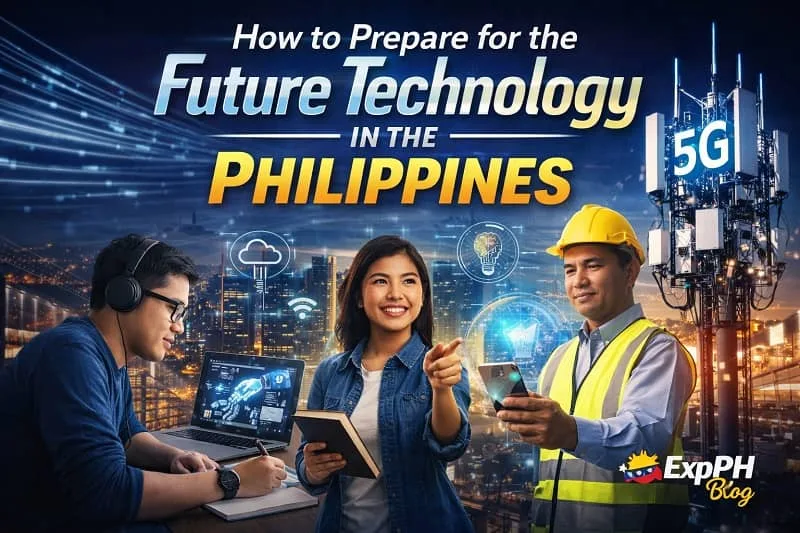
How to Prepare for the Future Technology in the Philippines
Preparing for the future technology in the Philippines requires practical action. Filipinos and OFWs must build relevant digital skills, continue learning, and establish a strong online presence. These steps improve employability, support career growth, and open access to global opportunities in a fast-changing digital economy.
Learn In-Demand Digital Skills
To stay competitive in the future technology in the Philippines, focus on developing practical and job-ready digital skills. These skills are widely used across industries and are essential for both local employment and global remote opportunities:
- Programming
- Data analysis
- Digital marketing
- Networking and cybersecurity
Invest in Continuous Learning
Technology evolves rapidly, making continuous learning essential for long-term success. Staying updated with new tools, platforms, and industry trends helps you remain competitive. It also allows you to adapt to changes and take advantage of new opportunities in the growing digital economy.
Build a Strong Online Presence
Building a strong online presence helps you showcase your skills and attract opportunities. Creating a professional profile or portfolio allows employers and clients to see your expertise. It also improves your visibility in global markets and increases your chances of securing remote work.
Practical Step: Start Learning Future Tech Skills Today
If you want to take advantage of the future technology in the Philippines, the best step is to start learning practical skills that match industry demand.
Platforms like Udemy offer courses in:
- Artificial Intelligence and Machine Learning
- Robotics programming
- 5G and networking
- Data science and analytics
These courses are designed for beginners and professionals, making it easier to transition into tech-related careers.
By learning these skills, you position yourself for better opportunities locally and abroad.
Top 8 Future Technologies in the Philippines You Should Know
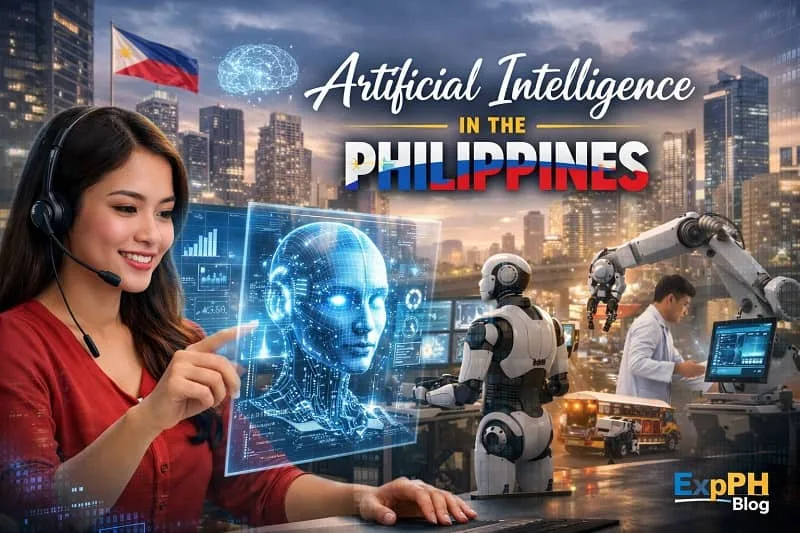
1. Artificial Intelligence in the Philippines
Artificial intelligence plays a major role in the future technology in the Philippines. It helps businesses improve efficiency, enhance services, and make better decisions. As adoption grows, AI continues to reshape industries and create new opportunities for Filipinos and OFWs in a digital economy.
What is Artificial Intelligence and Why It Matters
Artificial Intelligence, or AI, refers to systems that perform tasks requiring human intelligence. These include decision making, pattern recognition, and language understanding. In the Philippines, AI is used in customer service, banking, healthcare, and e-commerce through tools like chatbots and fraud detection systems.
AI Applications Across Key Industries
AI is transforming key industries in the Philippines by improving efficiency and service quality. Businesses use AI to automate processes, analyze data, and enhance customer experience. These applications support the growth of the future technology in the Philippines and strengthen digital transformation across sectors.
- Business Process Outsourcing (BPO)
AI automates repetitive tasks and allows workers to focus on higher-value responsibilities and complex problem solving. - Healthcare
AI supports diagnostics, patient monitoring, and data analysis to improve healthcare access and service delivery. - E-commerce and Retail
AI enables personalized recommendations and efficient inventory systems to enhance customer satisfaction. - Finance
AI systems detect fraud, manage risks, and improve financial decision making.
Impact of AI on Jobs and OFWs
AI is changing the job landscape by shifting demand toward digital and technical skills. While some tasks become automated, new opportunities continue to grow in emerging fields. For OFWs and local workers, adapting to these changes is essential for long-term career success.
- Data analysis
- AI system management
- Digital marketing
- Tech support roles
For OFWs, this shift highlights the importance of learning new skills that support both overseas work and remote career opportunities. can be used both abroad and in the Philippines.
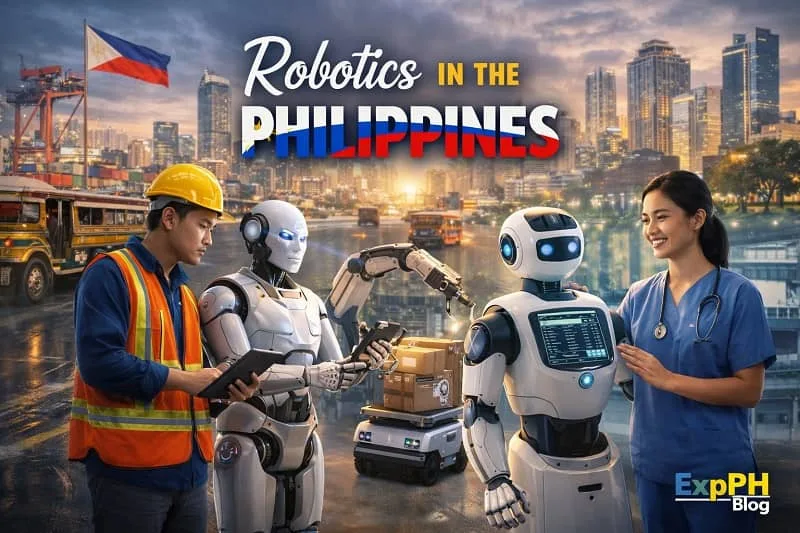
2. Robotics in the Philippines
Robotics is a key driver of the future technology in the Philippines, supporting automation across industries. It improves productivity, enhances workplace safety, and reduces manual labor. As adoption increases, robotics creates new career opportunities for Filipinos and OFWs preparing for a more technology-driven economy.
The Rise of Automation
Automation continues to grow in the Philippines as businesses adopt robotics to improve operations. Industries such as manufacturing, logistics, and agriculture use machines to handle repetitive and risky tasks. This shift increases efficiency, reduces human error, and supports safer working environments across different sectors.
Where Robotics is Being Used
Robotics is applied across several industries in the Philippines, helping businesses improve speed, accuracy, and overall efficiency. These applications highlight how automation supports the growth of the future technology in the Philippines and strengthens industrial development across key sectors.
- Manufacturing
Automated assembly lines improve production speed, reduce errors, and maintain consistent product quality. - Warehousing and Logistics
Robots assist in sorting, packing, and managing inventory, making operations faster and more organized. - Agriculture
Smart machines support planting, crop monitoring, and harvesting, improving productivity and reducing labor demands. - Service Industry
Some businesses use robots for customer service tasks, enhancing efficiency and creating unique customer experiences.
Opportunities Created by Robotics
Robotics creates new job opportunities instead of replacing workers. As automation expands, demand grows for skilled professionals who can manage, operate, and maintain these systems. This shift opens new career paths for Filipinos and OFWs returning home.
- Robotics technicians
- Automation specialists
- Maintenance engineers
These roles offer stable and future-ready careers in industries that continue to evolve with technology.
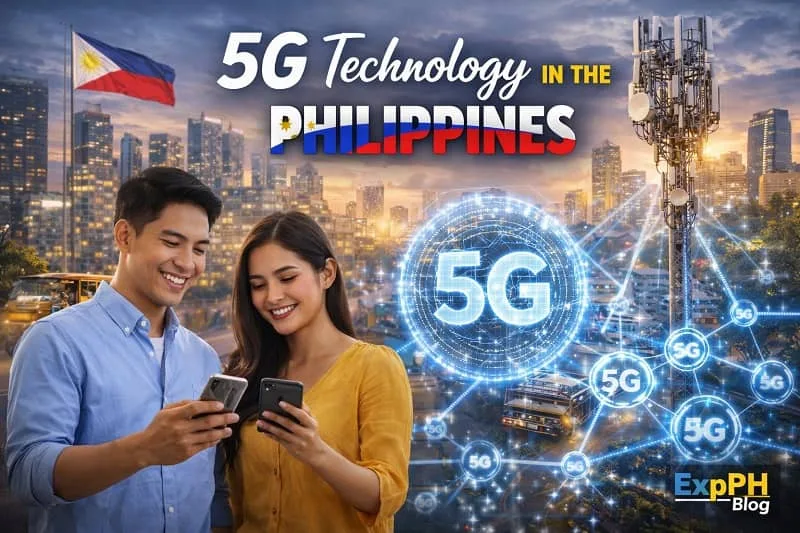
3. 5G Technology in the Philippines
5G technology plays a vital role in the future technology in the Philippines by enabling faster and more reliable connectivity. It supports digital transformation across industries and improves access to online services. As adoption grows, 5G strengthens economic development and creates more opportunities for Filipinos and OFWs.
What is 5G and Why It Matters
5G is the latest generation of mobile internet technology that delivers faster speeds, lower latency, and more stable connections. It supports advanced systems such as artificial intelligence and robotics. This makes it a key foundation of the future technology in the Philippines and digital innovation.
Benefits of 5G for the Philippines
5G improves connectivity and supports digital growth across the country. It enables faster communication, enhances online services, and strengthens technology adoption. These benefits contribute to the development of the future technology in the Philippines and support economic progress.
- Faster internet speeds for remote work and online businesses
- Improved online education and digital learning platforms
- Better support for smart cities and IoT devices
- Enhanced communication for businesses
According to the Department of Information and Communications Technology, expanding digital infrastructure remains a priority to improve nationwide connectivity and support long-term development.
How 5G Supports Economic Growth
Stronger connectivity through 5G allows businesses to grow faster and operate more efficiently. Startups can innovate with fewer limitations, while freelancers can access global opportunities. This is especially valuable for OFWs who want to transition into remote work or digital careers.
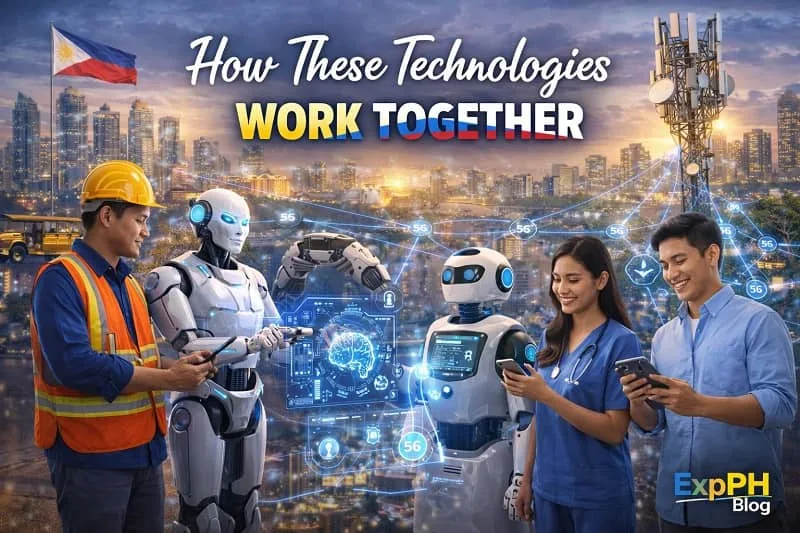
4. How These Technologies Work Together
The future technology in the Philippines becomes more powerful when artificial intelligence, robotics, and 5G work together. Each technology supports the others to create smarter systems, faster operations, and better services. This integration helps industries improve efficiency and deliver more reliable solutions across different sectors.
The Role of AI, Robotics, and 5G
The strength of these technologies comes from how they function together in real-world applications. Each plays a specific role that supports innovation and digital transformation in the Philippines.
- AI provides intelligence and decision making
- Robotics executes tasks efficiently
- 5G connects systems in real time
This combination allows businesses and services to operate faster, smarter, and more accurately.
Real-World Applications of Integrated Technologies
The integration of these technologies can be seen across different industries in the Philippines. They work together to improve processes, enhance services, and support modern infrastructure.
- Smart factories use AI and robotics connected through 5G networks
- Smart cities rely on sensors, data, and fast connectivity
- Healthcare systems use AI with real-time data transmission
This integration creates a more connected, efficient, and future-ready environment.
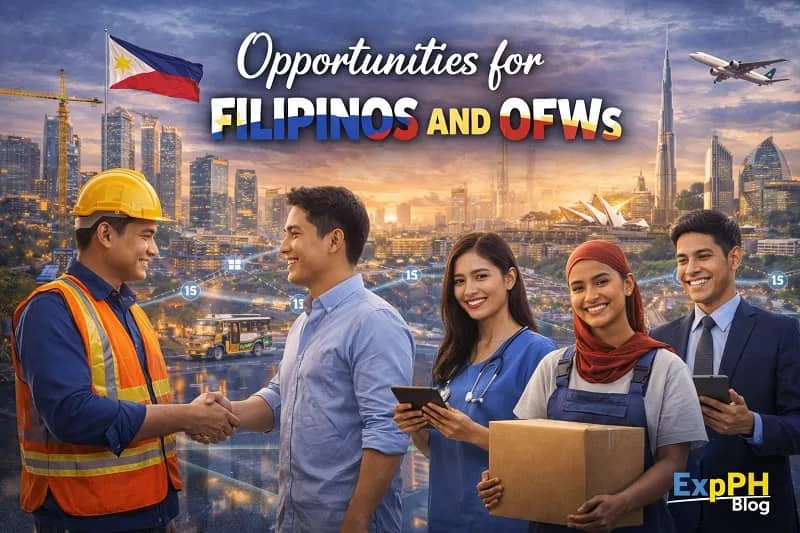
5. Opportunities for Filipinos and OFWs
The future technology in the Philippines creates new opportunities for Filipinos and OFWs across careers, remote work, and entrepreneurship. As industries adopt digital solutions, individuals can access better jobs, flexible income sources, and global markets. Preparing for these changes helps secure long-term growth and financial stability.
New Career Paths
The rise of future technology in the Philippines opens new career paths that require digital and technical skills. These roles are growing in demand across industries and offer strong earning potential both locally and internationally.
- AI specialists
- Data analysts
- Software developers
- Network engineers
- Robotics technicians
These careers provide stable opportunities in a rapidly evolving digital economy.
Remote Work and Freelancing
Technology allows Filipinos to work from home or anywhere with internet access. Many OFWs are shifting to flexible work options that provide income without relocation. This trend supports work-life balance while maintaining competitive earnings in global markets.
- Freelancing
- Online businesses
- Remote employment
This shift reduces dependence on overseas work and expands career flexibility.
Entrepreneurship and Innovation
Future technologies support entrepreneurs by making it easier to start and grow businesses. Digital platforms allow Filipinos to reach wider audiences and operate efficiently. These opportunities help build sustainable income sources in both local and global markets.
- Tech startups
- E-commerce platforms
- Digital services
Filipinos can now create scalable businesses that adapt to changing technology trends.
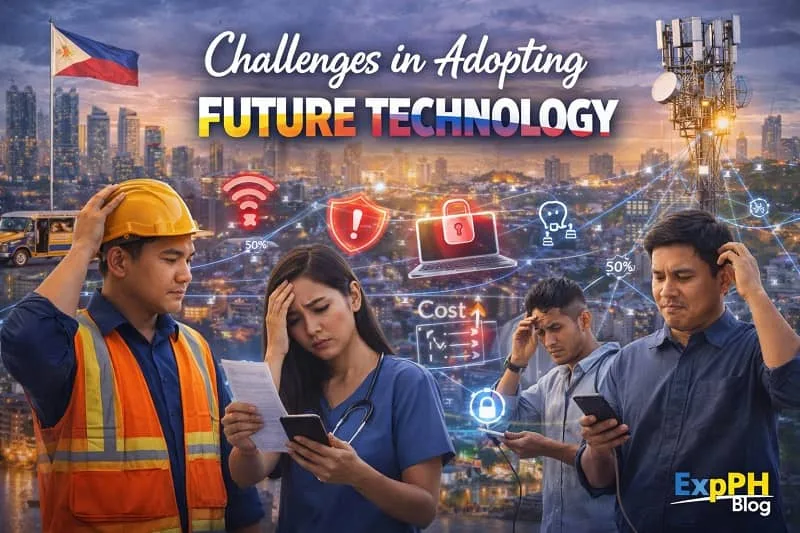
6. Challenges in Adopting Future Technology
Adopting the future technology in the Philippines brings strong benefits, but several challenges remain. Limited infrastructure, skill gaps, high costs, and security risks can slow progress. Addressing these issues is important to ensure equal access, support digital growth, and maximize long-term economic and technological benefits.
Digital Infrastructure Gaps
Some areas in the Philippines still lack stable and reliable internet access. This limits digital transformation and prevents equal opportunities. Improving connectivity is essential to support businesses, education, and remote work across both urban and rural communities.
Skills Gap
Many workers do not yet have the skills required for technology-driven jobs. This creates a gap between job demand and workforce readiness. Expanding education, training programs, and digital learning opportunities is important to help Filipinos adapt to future industry needs.
Cost of Technology
Advanced technologies such as automation systems and digital tools can be expensive. Small businesses often struggle to adopt these solutions due to limited budgets. Making technology more accessible can help businesses grow and compete in a digital economy.
Cybersecurity Risks
As digital adoption increases, risks related to data privacy and cyber threats also grow. Businesses and individuals must protect sensitive information. Strengthening cybersecurity practices helps build trust, ensures safety, and supports the sustainable use of future technology in the Philippines.
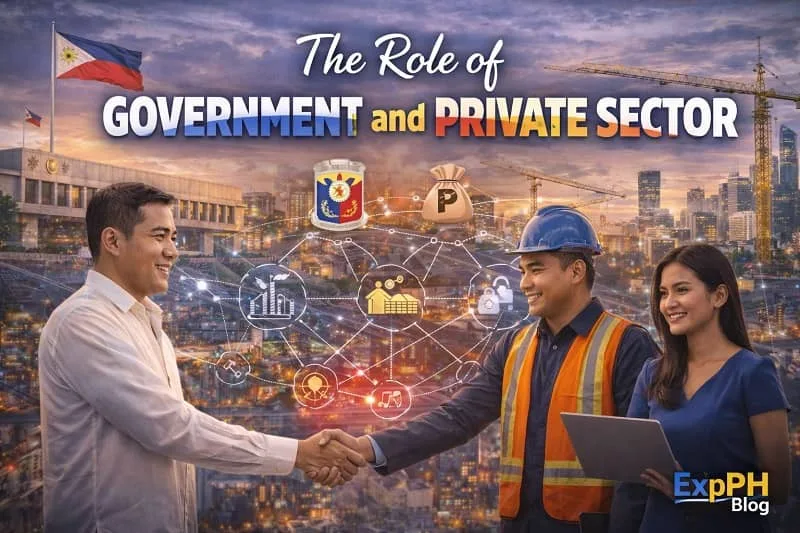
7. The Role of Government and Private Sector
The future technology in the Philippines depends on strong cooperation between government and private companies. Both sectors play important roles in building infrastructure, supporting innovation, and developing skills. Their combined efforts help create a stable digital environment that drives economic growth and long-term national progress.
Government Initiatives
The government supports digital transformation by creating programs that improve technology adoption and expand access. These efforts focus on strengthening infrastructure, encouraging innovation, and helping businesses and communities adapt to a digital economy.
- Digital transformation programs
- Support for startups and innovation
- Expansion of internet infrastructure
These initiatives help build a more connected and technology-ready Philippines.
Private Sector Contributions
Private companies play a key role in advancing technology by investing in infrastructure and innovation. They also help develop skills needed for future jobs and support business growth through modern solutions.
- Investments in telecom networks
- Development of tech hubs and innovation centers
- Training and upskilling programs
These contributions accelerate digital progress and strengthen industry competitiveness.
Importance of Collaboration
Collaboration between government and private sectors is essential for sustainable development. Working together allows better planning, faster implementation, and wider access to technology. This partnership helps build a strong digital economy and ensures that the future technology in the Philippines benefits more people.

8. Future Outlook: What to Expect in the Next 5 to 10 Years
The future technology in the Philippines will continue to grow over the next decade as more industries adopt advanced systems. This period will shape how businesses operate, how people work, and how the country competes globally in a fast-changing digital environment.
Expected Trends
Several trends will drive the future technology in the Philippines as innovation becomes more integrated into daily life and business operations. These developments will improve efficiency, connectivity, and overall economic growth.
- Increased use of AI in daily life
- Expansion of smart cities
- Growth of automation in industries
- Wider availability of 5G networks
These trends will transform how Filipinos live and work.
What This Means for Filipinos
These advancements will create new opportunities for Filipinos by increasing demand for digital skills and opening access to global work. As industries evolve, workers must adapt to stay competitive and take advantage of emerging roles in technology-driven fields.
- More job opportunities in tech
- Higher demand for digital skills
- Greater access to global work opportunities
For OFWs, this creates more options for remote work or returning home while maintaining stable income.
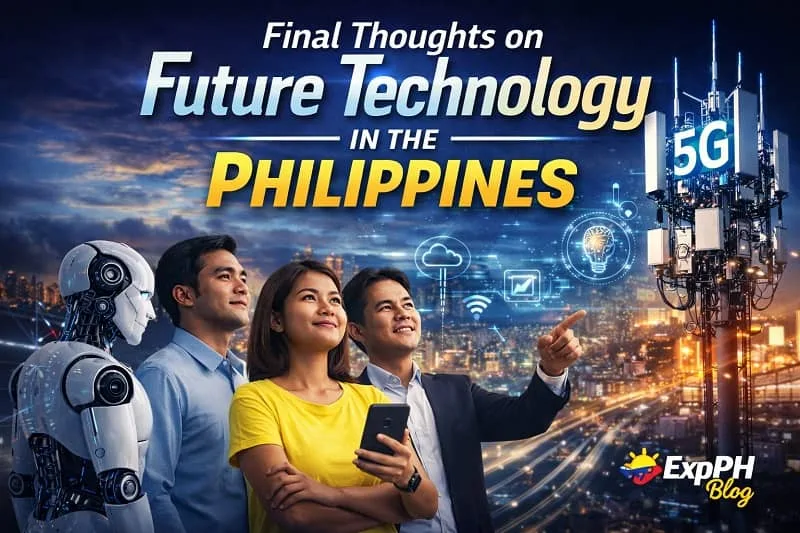
Final Thoughts on Future Technology in the Philippines
The future technology in the Philippines is driving a new phase of growth, innovation, and opportunity across industries. As artificial intelligence, robotics, and 5G continue to evolve, the country becomes more connected and competitive. These technologies support smarter systems, faster communication, and better services that strengthen businesses, communities, and the digital economy.
For Filipinos and OFWs, this transformation creates a path toward better careers and more stable income. It opens access to global work, digital businesses, and remote opportunities. Staying informed, learning relevant skills, and adapting to change are essential steps to succeed in a technology-driven environment.
Technology is not only transforming industries. It is shaping everyday lives. Those who prepare today will be in the best position to take advantage of future opportunities.
FAQs About Future Technology in the Philippines
What is the future technology in the Philippines?
Future technology in the Philippines refers to emerging innovations like artificial intelligence, robotics, and 5G that improve industries, create jobs, and support economic growth nationwide.
How is artificial intelligence used in the Philippines?
Artificial intelligence is used in customer service, banking, healthcare, and e-commerce to automate tasks, improve decision-making, enhance user experiences, and increase business efficiency across industries.
What industries benefit most from robotics in the Philippines?
Industries like manufacturing, logistics, agriculture, and services benefit most from robotics by improving productivity, reducing errors, increasing safety, and supporting faster operations in daily business activities.
Why is 5G important for the Philippines?
5G is important because it provides faster internet, lower latency, and stronger connections, enabling remote work, smart technologies, online education, and improved digital services across the country.
How will future technology affect jobs in the Philippines?
Future technology will change jobs by automating routine tasks while creating new roles in technology, data, and digital services, requiring workers to develop updated and relevant skills.
What skills are needed for future technology careers?
Important skills include programming, data analysis, cybersecurity, networking, digital marketing, and problem-solving, which help individuals adapt to changing industries and succeed in technology-driven careers worldwide.
Can OFWs benefit from future technology in the Philippines?
Yes, OFWs can benefit by learning digital skills, accessing remote jobs, starting online businesses, and transitioning into technology careers that allow them to earn without leaving the country.
What challenges does the Philippines face in adopting new technologies?
Challenges include limited internet access in some areas, lack of technical skills, high costs of advanced systems, and cybersecurity risks that affect adoption and digital transformation efforts.
How can Filipinos prepare for future technology trends?
Filipinos can prepare by learning digital skills, taking online courses, staying updated with trends, building experience, and adapting to new technologies that shape future job opportunities.
What is the future outlook of technology in the Philippines?
The future outlook includes wider 5G access, increased automation, smarter cities, growing tech jobs, and stronger digital economy, offering better opportunities for Filipinos locally and globally.
Want to explore more about technology growth in the country?
Discover deeper insights, key opportunities, and future innovations in the Philippines by reading our full guide on Technology in the Philippines Strong Progress, Key Opportunities, and Future Innovations.
Explore more insights about future technology in the Philippines through these in-depth guides:
- Space Technology Kontra Korapsyon
- Future of Robotics in the Philippines
- The Rise of Robotics in the Philippines
- Revolutionary Robotics in the Philippines Driving Industry 4.0 Innovation
- The Future of Smart Homes in the Philippines
- The Future of 5G in the Philippines
Learning Hub Quiz!
Test your knowledge about the Future Technology in the Philippines: AI, Robotics, and 5G Trends. This quick quiz will help you understand key concepts, trends, and opportunities shaping the country’s digital future.
Results


#1. What does AI stand for?
#2. Which industry uses AI for customer support?
#3. What does robotics improve most?
#4. Which sector uses robots in the Philippines?
#5. What is 5G mainly known for?
#6. What does 5G reduce?
#7. Which skill is important for future tech jobs?
#8. What benefit does AI bring to businesses?
#9. Who can benefit from future technology?
#10. What supports smart cities development?
Thank you for taking the quiz!
Your journey to understanding the future technology in the Philippines starts with learning and action. Share your experience in the comments and let’s learn together here at ExpPH Blog.

A Filipino web developer with a background in Computer Engineering. Founder of ExpPH Blog and ExpPH Business Guide, creating practical content on OFW guidance, business, finance, freelancing, travel, and lifestyle. Passionate about helping Filipinos grow, he shares insights that educate, empower, and inspire readers nationwide.