
The Rise of Filipino Biographical Films that Changed Local Cinema
Filipino cinema has always been rich with stories that reflect the nation’s struggles, victories, culture, and identity. Over the years, one genre has proven to be incredibly powerful in shaping how audiences connect with history and real life heroes. This genre is none other than Filipino biographical films. These movies bridge the gap between storytelling and real events. They allow viewers to witness the lives of remarkable Filipinos who influenced society through leadership, courage, talent, or transformation.
Today, Filipino biographical films continue to rise in popularity. They reshape how local cinema tells stories, how people recall history, and how modern audiences appreciate Philippine achievements. This long form article explores the growth of these films, why Filipinos love them, and how they contributed to the evolution of the local film industry.
Understanding the Power of Filipino Biographical Films
Filipino biographical films are more than entertainment. They play an important role in preserving culture and history. These films bring historical figures back to life through compelling narratives, strong performances, and accurate portrayals that help audiences understand their significance more clearly.
What Makes Biographical Films Special to Filipino Audiences
Filipinos naturally value stories of courage, resilience, and transformation. These values are deeply embedded in our culture. When a film highlights the life of a hero, a leader, an artist, or even a misunderstood figure, the audience feels an emotional connection that reflects shared cultural identity.
The appeal of Filipino biographical films comes from their authenticity. They feature people who actually lived and experienced struggles similar to what many Filipinos face today. Whether the story is about a revolutionary hero, a famous singer, an athlete, or an ordinary person who made an extraordinary impact, the message becomes more relatable and inspiring.
The Role of History in Biographical Storytelling
History plays a major role in shaping the themes of Filipino biographical films. The Philippines has a complex and colorful past filled with wars, political unrest, cultural breakthroughs, and historic milestones. These events create a rich foundation for filmmakers who want to revisit the past and share it in a way that feels alive to younger audiences.
Many modern viewers may not read history books regularly. However, when history becomes a visual and emotional experience through film, it becomes easier to appreciate and understand which helps audiences develop deeper insight into historical events and strengthens appreciation for cultural heritage.
Early Roots of Filipino Biographical Films
Before modern biopics gained mainstream popularity, early Filipino filmmakers were already creating films inspired by real life events. These early works often centered on historical heroes, national icons, and religious figures whose remarkable contributions shaped culture and influenced Filipino cinema across generations.
The First Wave of Biographical Stories
In the early decades of Philippine cinema, films about national heroes such as Dr. Jose Rizal and Andres Bonifacio became popular. These stories set the foundation for the creation of more Filipino biographical films in later years. The industry learned that audiences had a strong desire to see real life stories presented on the big screen.
Limitations of Early Biographical Productions
Despite the ambition of early filmmakers, technology and funding limited their ability to produce large scale historical films. Many early biopics relied on minimal sets, simple costumes, and basic cinematography. Still, the emotional depth of the stories made them impactful that resonated strongly with audiences across generations.
These challenges did not stop filmmakers from exploring real life figures. Instead, they opened the door for future generations to improve the craft and elevate the quality of Filipino biographical films inspiring innovative storytelling techniques that highlight authenticity and strengthen the impact of narratives.
The Modern Evolution of Filipino Biographical Films
As technology improved and the demand for realistic storytelling grew stronger, the modern era brought new life to Filipino biographical films. Today’s biopics use digital effects, accurate period design, and thorough research to create films that feel authentic and emotionally powerful.
Better Production Quality and Realistic Approach
Modern filmmakers put great effort into making every detail accurate. Costumes, locations, dialogue, and even mannerisms of the real life person are carefully studied. This commitment to authenticity allows viewers to immerse themselves fully in the story enhancing emotional engagement throughout the viewing experience.
The use of better cameras, lighting, and sound design also improves the final output. As a result, Filipino biographical films now compete with international films in terms of quality and showcase authentic storytelling that elevates their recognition among diverse global audiences today.
Stronger Performances from Actors
Actors who take on roles in Filipino biographical films often undergo intense preparation. They research their character, practice their speaking style, study old videos, and sometimes undergo physical transformations. This dedication makes their performance more believable and respectful to the person being portrayed.
Why Filipino Biographical Films Are Gaining Popularity Today
There are several reasons why Filipino biographical films are rising in popularity. These reasons relate to culture, technology, emotions, and storytelling preferences and demonstrate authentic stories strengthen cultural identity, inspire viewers, encourage understanding, and contribute lasting appreciation of Filipino narratives.
Filipinos Love True Stories
True stories feel more meaningful because viewers know the events actually happened. This creates emotional impact and deeper connection. In many cases, audiences feel inspired or motivated after watching the life struggles of real people which strengthens their appreciation for authentic storytelling.
Social Media Supports Biographical Storytelling
When Filipino biographical films show an inspiring moment or a powerful quote, viewers often share these scenes on social media. This increases awareness and encourages more people to watch the film. Clips, memes, trivia, and behind the scenes content spread quickly on platforms like Facebook, TikTok, and YouTube.
Schools and Youth Organizations Value Educational Films
Teachers and students often use biographical films as learning materials. This helps younger audiences understand historical events, cultural values, and the contributions of important Filipinos. Many schools recommend Filipino biographical films during independence celebrations or heritage months.
The Cultural Significance of Filipino Biographical Films
Every biographical film contributes to the preservation of Philippine heritage. These films remind audiences about national identity and the importance of remembering remarkable individuals who shaped history through resilience, leadership, creativity, inspiring future generations to value cultural roots today.
Encouraging National Pride
When viewers watch the accomplishments of Filipino heroes, innovators, and artists, they feel proud of the country. This emotional connection builds confidence and encourages the younger generation to pursue their dreams and motivates them to strive for meaningful achievements in life.
Correcting Misconceptions About History
Some Filipino biographical films help correct misunderstandings about certain events or figures. They present updated research and new perspectives that give audiences a clearer view of the past and encourage deeper appreciation of historical context within modern Filipino society today.
Influence of Filipino Biographical Films on Modern Cinema
The success of biopics changed the direction of the local film industry. Producers realized that viewers appreciate stories based on real life because authentic stories create emotional impact, inspire trust, deepen understanding, and resonate strongly with audiences across different backgrounds.
More Filmmakers Explore Real Life Stories
As interest in Filipino biographical films grows, more directors and writers are inspired to adapt stories of iconic Filipinos. These stories involve politicians, activists, athletes, singers, educators, and everyday heroes who shaped society and continue influencing future generations through their remarkable contributions nationwide.
Local Cinema Competes Strongly in International Festivals
Biographical films often receive international recognition because they showcase unique Philippine stories. Festivals appreciate authenticity and cultural depth, and Filipino biographical films offer both which highlight meaningful narratives that resonate globally and reflect enduring Filipino creativity today.
Challenges Faced by Filipino Biographical Filmmakers
Creating biographical films is not easy. Filmmakers must overcome several challenges to bring their vision to life including limited budgets, demanding research requirements, creative constraints, access restrictions, and the constant need to balance artistic vision with historical accuracy for meaningful storytelling audiences.
Balancing Accuracy and Creativity
A major challenge is balancing historical accuracy with cinematic storytelling. Some facts must be compressed, while others require careful explanation. Filmmakers must ensure the film remains entertaining without losing its connection to real events to maintain viewer engagement effectively.
Gaining Access to Personal Archives
Not all families or estates agree to share information about the person being portrayed. Without access to letters, photos, or oral histories, it becomes harder to create accurate Filipino biographical films and this limits filmmakers ability to portray stories with depth and cultural accuracy.
Budget and Production Limitations
Biographical films often require expensive costumes and sets. Recreating historical locations can also be costly. Despite these challenges, filmmakers continue to produce high quality biopics that inspire viewers and motivate audiences to appreciate authentic storytelling that preserves important cultural narratives today.
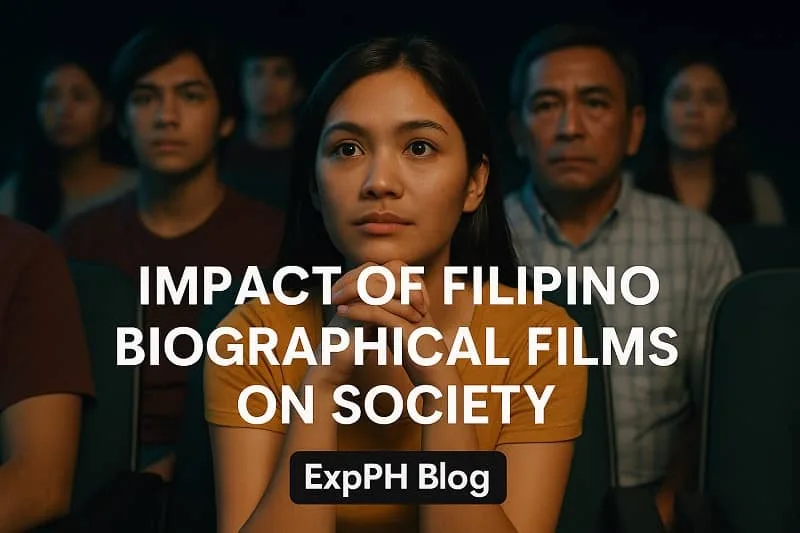
Impact of Filipino Biographical Films on Society
The impact of biographical films goes beyond entertainment. They shape opinions, raise awareness, and promote cultural appreciation by presenting narratives that inspire reflection, deepen understanding, encourage cultural dialogue and highlight Filipinos honor history and strengthen collective identity.
Inspiring the Next Generation
Young viewers feel motivated when they see how real people overcame hardships. Many students say they become more determined in school after watching Filipino biographical films because these stories highlight perseverance and inspire students to pursue their goals with renewed dedication.
Encouraging Discussion About National Issues
Some biopics highlight political conflicts, social issues, or cultural challenges. These films encourage conversations about improving society and understanding historical mistakes and motivate audiences to engage thoughtfully with pressing cultural issues today that matter in many meaningful community discussions.
The Future of Filipino Biographical Films
Given the growing interest, the future of biographical films in the Philippines looks bright as filmmakers explore diverse narratives that highlight cultural heritage, inspire younger audiences, promote national identity, and elevate meaningful storytelling across the Philippine entertainment industry today.
More Stories to Tell
The Philippines is full of inspiring figures whose stories remain untold. Future Filipino biographical films may focus on modern heroes, world class athletes, scientists, and influential creators who shape communities, inspire progress, influence culture, and represent the evolving strength of Filipino society.
Better Technology Equals Better Films
With improved visual effects, better sound production, and advanced cinematography, future films will deliver even more realistic portrayals of historical events that inspire learning, strengthen identity, encourage reflection, and promote deeper appreciation of Filipino heritage across communities in the Philippines.
Conclusion
The rise of Filipino biographical films marks an important development in local cinema. These films showcase the richness of Philippine history, the strength of Filipino values, and the remarkable achievements of real life individuals. By blending visual storytelling and historical truth, biographical films bring the past to life and inspire future generations while encouraging deeper appreciation of culture and motivating audiences to honor significant Filipino stories that continue shaping national identity today.
As more filmmakers choose to highlight authentic stories, the Philippines continues to build a cinema culture rooted in truth, pride, and creativity. The journey of Filipino biographical films is far from over. In fact, it is only beginning, and its influence will continue to grow for years to come as audiences seek deeper narratives that reflect identity, celebrate heritage, and honor the achievements of inspiring Filipinos while fostering meaningful appreciation for history and cultural preservation.
Filipino biographical films continue to evolve as filmmakers explore modern techniques that enhance storytelling while staying true to historical accuracy. With improved technology and growing audience interest, these films now reach wider communities and spark meaningful conversations about cultural identity. Their impact strengthens national pride, deepens understanding of heritage, and encourages future generations to value authentic narratives that honor real Filipino experiences.
Explore more concepts with the recommended posts below.
- The Untold Story Behind Manila Kingpin
- How Ang Larawan Captured the Soul of Pre-War Manila
- Jose Rizal 1998 The Movie That Redefined Nationalism for Filipinos
- The Real-Life Sacrifices Behind Dekada 70 A Family’s Story of Courage
- Real Story of Bata Bata Paano Ka Ginawa and Motherhood
For more information, click the link below.
- Film Development Council of the Philippines (FDCP)
- National Commission for Culture and the Arts (NCCA)
- IMDb Filipino Movies Section
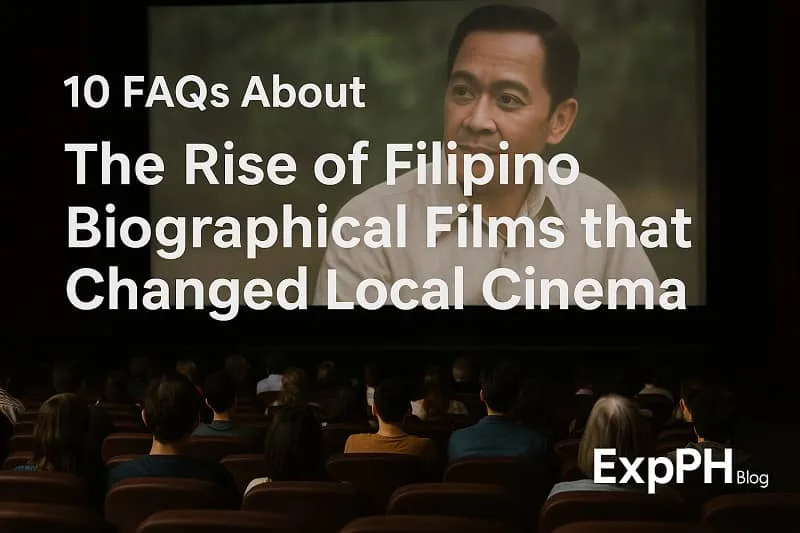
10 FAQs About The Rise of Filipino Biographical Films that Changed Local Cinema.
What are Filipino biographical films?
Filipino biographical films are movies based on real life stories of notable Filipinos. They highlight historical events, personal achievements, and inspiring journeys that shaped Philippine culture and society.
Why are Filipino biographical films becoming popular today?
They are popular because audiences enjoy authentic stories. These films offer emotional connection, cultural education, and inspiration through real experiences, making them meaningful to modern Filipino viewers.
How do biographical films influence local cinema?
Biographical films encourage stronger storytelling, improved production quality, and deeper character development. They inspire filmmakers to create culturally relevant movies that honor Filipino history and national identity.
What makes a biographical film accurate and believable?
Accuracy depends on research, historical documents, interviews, and careful storytelling. Filmmakers study characters, events, and environments to portray real life stories respectfully and believably for audiences.
Why do Filipinos connect emotionally with biographical films?
Filipinos relate to struggles, sacrifices, and victories shown in biographical films. These stories reflect familiar cultural values, inspiring viewers through relatable challenges and real achievements from Filipino figures.
What benefits do biographical films offer to students and educators?
They help students understand history, culture, and important national events. These films provide visual storytelling that supports classroom lessons, making learning more engaging, memorable, and meaningful for learners.
How do actors prepare for biographical film roles?
Actors research the person’s life, study mannerisms, practice speech patterns, and understand emotional experiences. This preparation creates authentic performances that honor the individual being portrayed.
What challenges do filmmakers face when creating biographical films?
Filmmakers balance historical accuracy, storytelling, and limited resources. They must gather reliable information and represent real events faithfully while keeping the film entertaining for modern audiences.
Do biographical films help preserve Philippine history?
Yes, they help preserve history by bringing forgotten stories to life. These films introduce younger generations to important figures who significantly shaped the nation’s culture and identity.
What future trends can we expect from Filipino biographical films?
Future trends include stronger digital production, more diverse subjects, modern heroes, and global storytelling approaches. Filmmakers will highlight inspiring Filipinos from various fields and generations.
Test your knowledge about The Rise of Filipino Biographical Films that Changed Local Cinema with this quick interactive quiz.
Each question is designed to help you learn key points while enjoying the topic.
Results


#1. Which genre focuses on real life stories?
#2. What makes biographical films inspiring?
#3. What do biographical films preserve?
#4. Why do actors train for biopics?
#5. What helps create film accuracy?
#6. Why do Filipinos love biopics?
#7. What improves modern biopics?
#8. What do biopics often show?
#9. What inspires filmmakers today?
#10. What do biographical films influence?
Your curiosity keeps ExpPH Blog alive and inspiring.
Share your results and comment your experience with us, we would love to hear from you.

A Filipino web developer with a background in Computer Engineering. Founder of ExpPH Blog and ExpPH Business Guide, creating practical content on OFW guidance, business, finance, freelancing, travel, and lifestyle. Passionate about helping Filipinos grow, he shares insights that educate, empower, and inspire readers nationwide.

Pingback: Revealed 10 Shocking People Behind Filipino TV Characters.