
Best Career Shifts OFWs Can Make in 2026
Overseas Filipino Workers are widely known for their resilience, adaptability, and strong desire to learn. As the global economy continues to change, many OFWs are no longer asking whether a career shift is necessary, but when and how to make it happen. Technology, remote work, and automation are reshaping job opportunities worldwide. These changes open new paths that allow OFWs to move beyond traditional roles and explore careers that offer greater stability, flexibility, and long-term growth.
This guide explores the best career shifts OFWs can make in 2026, with a strong focus on practical, realistic, and sustainable options. Whether you are still working overseas, planning to return to the Philippines, or aiming to build a career that allows more time with family, this article is designed to support informed decision-making. The goal is not quick income or risky shortcuts, but long-term stability, skill-based growth, and careers that provide OFWs with better control over time, income, and future direction.
Why Career Shifts for OFWs in 2026 Matter More Than Ever
The global job market is changing faster than expected. Overseas jobs that once felt secure are now less stable because of automation, shorter contracts, stricter visa rules, and rising living costs. For many OFWs, career shifts in 2026 are no longer optional but a strategic decision for long-term stability.
Some of the biggest reasons why career shifts for OFWs in 2026 are becoming essential include:
- Increased demand for digital and remote skills
- More companies hiring globally without relocation
- Rising cost of living in host countries
- Desire for work-life balance and family time
- Stronger online income opportunities for Filipinos
A career shift does not always mean starting from zero. Many OFWs already have transferable skills that can be applied to new roles offering better pay, greater flexibility, and long-term career growth.
Key Factors OFWs Should Consider Before Shifting Careers
Before choosing a new career path, OFWs should carefully assess their current situation. A successful career shift requires planning, realistic goals, and patience. Rushed decisions often lead to financial stress, skill mismatch, or long-term dissatisfaction.
Skills You Already Have
Many OFWs underestimate the value of their existing skills. Communication, problem-solving, customer service, leadership, and technical experience are useful across many industries. Listing these strengths helps identify new roles where current abilities can be applied effectively.
Income Transition Period
Not all career shifts provide immediate income. Some require time for learning and gaining experience. OFWs should plan savings carefully and set realistic expectations to avoid financial pressure during the transition period.
Time Availability
OFWs often work long or irregular shifts. It is important to choose a career path that fits available time, especially during training or skill-building stages, to maintain consistency without causing burnout.
Long-Term Sustainability
Avoid careers that rely only on short-term trends. Focus on skills and industries with long-term demand. Sustainable career choices offer stability, growth, and relevance well beyond 2026.
Digital Careers OFWs Can Transition Into
Digital careers remain one of the strongest options for OFWs. They allow remote work, flexible schedules, and access to global clients. These careers reduce dependence on location while offering skill-based growth and long-term income opportunities.
Freelancing and Remote Work
Freelancing now covers many industries beyond writing and design. Businesses hire freelancers for virtual assistance, marketing, tech support, and operations. This path allows OFWs to start part time, gain experience, and build stable remote income.
Common Freelance Roles for OFWs:
- Virtual assistant
- Content writer or editor
- Graphic designer
- Social media manager
- Data entry specialist
Freelancing allows OFWs to start gradually while still working abroad. Many successful freelancers begin with small part-time projects, build skills and confidence over time, and eventually transition to full-time work once income becomes stable.
Why Freelancing Fits OFWs:
- Work from anywhere
- Paid in foreign currency
- Skill-based, not location-based
- Scalable income
Web Development and Programming
Web development and programming remain among the most in-demand skills worldwide. Businesses across industries need websites and online systems, creating strong opportunities for OFWs who want stable remote careers with long-term growth potential.
Entry Points for OFWs:
- Front-end development
- WordPress development
- Website maintenance
- Basic HTML, CSS, and PHP
Many OFWs transition into web development through self-study and online courses. Employers often value practical projects and real experience more than formal degrees, making this career path accessible to those willing to learn consistently and build strong portfolios.
Long-Term Benefits:
- High earning potential
- Remote job opportunities
- Freelance or full-time options
Data and Tech-Related Roles
Data and tech-related roles are growing quickly across many industries. Companies rely on data to improve decisions, efficiency, and performance. This growth creates new opportunities for OFWs seeking stable careers that value accuracy, analysis, and logical thinking skills.
Beginner-Friendly Roles:
- Data analyst assistant
- Business intelligence support
- Quality assurance tester
These roles place strong value on accuracy, attention to detail, and logical thinking. Many OFWs already possess these skills through their work experience, making data and tech-related careers a realistic and attainable option with proper training and practice.
Career Shifts for OFWs in 2026 Toward Online Business
Some OFWs prefer building their own ventures rather than working for employers or clients. Online businesses offer greater control, flexible schedules, and long-term income potential when developed patiently and with clear planning.
Blogging and Content Publishing
Blogging remains a strong long-term career option when approached strategically. It allows OFWs to share knowledge, build authority, and earn through advertising, partnerships, and digital products over time.
Why Blogging Works for OFWs:
- Passive income potential
- Content can target Filipino audiences globally
- Monetization through ads, affiliates, and digital products
Blogging requires patience and consistent effort, but it helps build valuable digital assets over time. Well-written content can continue attracting readers, generating income, and supporting long-term growth long after the initial work is completed.
Affiliate Marketing
Affiliate marketing focuses on promoting products or services and earning commissions from successful referrals. For OFWs, it offers a flexible online income option that can be managed remotely while building trust through honest recommendations and useful content.
Best Niches for OFWs:
- Finance and remittances
- Online tools and software
- Education and skills training
Transparency and trust are essential in affiliate marketing. OFWs should promote only products they fully understand and genuinely believe in. Honest recommendations help build credibility, strengthen audience relationships, and support long-term income growth.
E-commerce and Online Selling
E-commerce and online selling allow OFWs to sell products without managing physical stores. This model offers flexibility, remote management, and scalable income opportunities, making it a practical option for those balancing overseas work with business ownership.
Common Models:
- Dropshipping
- Print-on-demand
- Local product reselling
Many OFWs successfully manage online stores from abroad with help from logistics partners in the Philippines. These partners handle storage, shipping, and delivery, allowing OFWs to focus on marketing, customer service, and business growth.
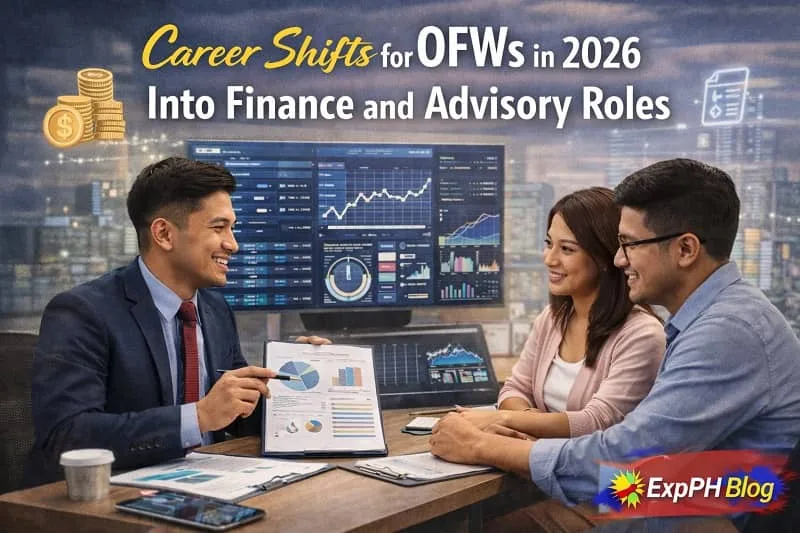
Career Shifts for OFWs in 2026 Into Finance and Advisory Roles
Finance-related careers continue to grow as more Filipinos become aware of proper money management. This creates opportunities for OFWs to shift into stable roles that support budgeting, record keeping, and financial planning services.
Bookkeeping and Accounting Support
Small businesses around the world increasingly rely on remote bookkeeping services. This demand allows OFWs to offer financial support work online while building reliable and long-term income streams.
Why OFWs Are a Good Fit:
- Strong attention to detail
- Experience with financial transactions
- Willingness to learn accounting software
Certification can be helpful, but experience and accuracy are more important in finance-related roles. Many clients value reliable work, attention to detail, and consistent results over formal credentials when choosing long-term bookkeeping or accounting support.
Financial Content Creation and Education
Financial content creation and education allow OFWs to share practical knowledge gained from saving, investing, or managing debt. By creating helpful content, they can educate others, build trust, and develop long-term income through digital platforms.
Possible Platforms:
- Blogs
- YouTube
- Online courses
Trust and credibility are essential in financial education. This path suits OFWs who focus on clear guidance, accurate information, and long-term learning rather than hype or quick promises. A strong reputation helps build loyal audiences and sustainable income over time.
Skilled Trade and Technical Career Shifts
Not all career shifts for OFWs in 2026 are digital. Skilled trades remain valuable career options, especially when supported by proper certification and specialization. These roles offer stable demand, practical application, and opportunities for long-term income growth.
Technical Maintenance and Specialized Trades
Fields such as electrical systems, HVAC, and equipment maintenance continue to show strong demand. These technical roles provide reliable employment, higher pay with specialization, and potential paths toward independent service businesses.
Why This Path Works:
- Skills are transferable internationally
- Higher pay with specialization
- Opportunities for entrepreneurship
Some OFWs move from regular employment into running their own service businesses after returning home. With industry experience and technical skills, they can offer specialized services, gain local clients, and build stable income while maintaining greater control over their work.
Teaching and Training Roles
Teaching and training roles allow OFWs with industry experience to share practical knowledge with others. By shifting into education, they can guide learners, build authority, and create stable income through online courses, workshops, or structured training programs.
Examples:
- English language training
- Technical skills training
- Corporate or safety training
Online teaching platforms expand learning opportunities beyond traditional classrooms. They allow OFWs to reach students worldwide, teach flexible schedules, and share expertise remotely while building sustainable income without the limits of physical location.

Healthcare and Caregiving Career Shifts
Healthcare remains one of the most stable sectors worldwide. Demand continues to grow due to aging populations and ongoing medical needs, making healthcare-related careers a reliable option for OFWs seeking long-term security and consistent employment opportunities.
Upskilling Within Healthcare
OFWs already working in caregiving or medical roles can move into higher-paying or specialized positions through additional training or certification. Upskilling helps improve income, reduce physical strain, and open new career paths within healthcare.
Examples:
- Medical coding
- Healthcare administration
- Telehealth support
These roles often involve less physical strain and more balanced schedules compared to traditional caregiving work. This makes them attractive options for OFWs seeking sustainable careers that support long-term health, steady income, and improved quality of life.
Career Shifts for Returning OFWs in 2026
Many OFWs plan to return home permanently in 2026. Career shifts should match local job opportunities while supporting remote income. This balanced approach helps ensure financial stability and smoother reintegration into life in the Philippines.
Combining Online Work With Local Business
Some OFWs combine remote work with small local businesses in the Philippines. This strategy diversifies income, reduces risk, and allows flexibility while building long-term financial security at home.
Examples:
- Online freelancing plus retail
- Blogging plus consultancy
- E-commerce plus logistics services
This hybrid approach helps reduce financial risk by creating multiple income sources. OFWs can rely on remote earnings while growing local businesses, allowing greater stability and flexibility during economic changes or unexpected challenges.
Government and Private Sector Opportunities
Government and private sector opportunities are available for returning OFWs with international experience. Many qualify for supervisory or managerial roles because of leadership skills, cross-cultural exposure, and proven ability to adapt to professional environments.
Tips:
- Highlight leadership experience
- Emphasize cross-cultural skills
- Showcase problem-solving abilities
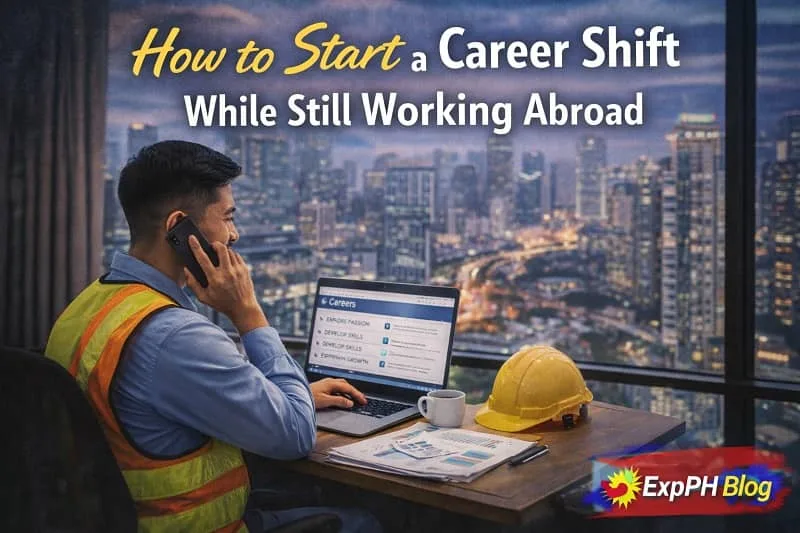
How to Start a Career Shift While Still Working Abroad
One common mistake OFWs make is waiting until they return home before preparing for a career shift. Starting early allows more time to learn, test new skills, and reduce pressure during the transition.
Start Learning Early
OFWs can use free or affordable online resources during rest days or spare hours. Consistent learning, even in short sessions, helps build knowledge gradually without disrupting work responsibilities.
Build Small Projects
Creating small projects provides practical experience and builds confidence. These projects help demonstrate skills, improve problem-solving abilities, and increase credibility when applying for new roles or clients.
Network With Other OFWs
Online communities connect OFWs with others on similar paths. These groups offer support, shared experiences, referrals, and practical advice that can guide better career decisions.
Common Mistakes OFWs Should Avoid When Changing Careers
Understanding what to avoid is just as important as knowing what to pursue. Many career shifts fail because of poor planning, unrealistic expectations, or ignoring personal limits during the transition process.
Chasing Trends Without Research
Not every trending job leads to long-term success. OFWs should research demand, skill requirements, and sustainability before committing time and resources to a new career path.
Expecting Instant Income
Most career shifts require time to develop. Learning, practice, and experience come first before stable income appears. Patience and consistency are essential for long-term results.
Ignoring Mental and Physical Health
Burnout and stress can weaken progress. OFWs should protect their mental and physical health by managing workloads, resting properly, and setting realistic goals during career transitions.
Realistic Timeline for Career Shifts for OFWs in 2026
Learning new skills, gaining experience, and building income usually take several months. Consistent effort, clear planning, and patience help ensure smoother transitions and long-term career stability.
A healthy timeline might look like this:
- First 3 months, learning and research
- Next 3 to 6 months, practice and small projects
- 6 to 12 months, stable income development
Everyone moves at a different pace when changing careers. Progress does not need to be fast to be effective. Consistent effort, steady learning, and regular practice matter more than speed when building a sustainable and successful career path.
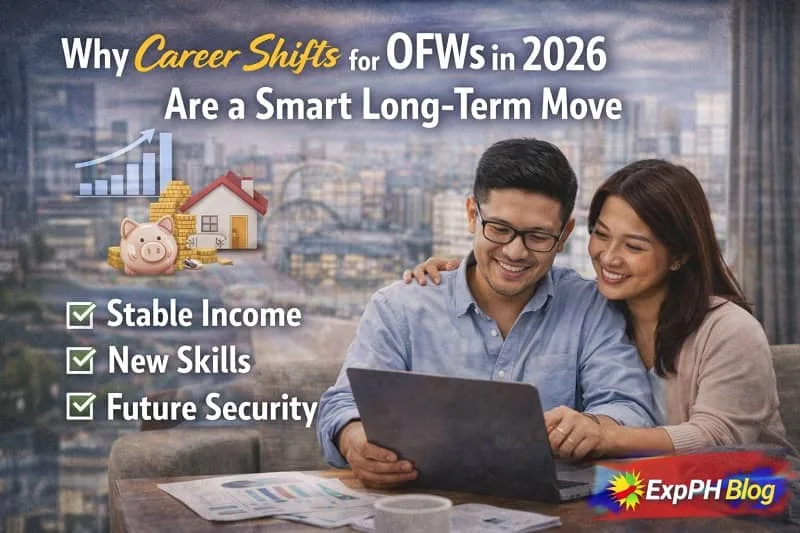
Why Career Shifts for OFWs in 2026 Are a Smart Long-Term Move
Career shifts are not about avoiding hard work. They focus on directing effort toward careers that provide better control, steady growth, and long-term stability. This approach helps OFWs build income sources that are more resilient to economic and industry changes.
OFWs deserve careers that do not depend only on physical labor or short-term contracts. By investing in skills, education, and careful planning, overseas workers can build sustainable careers that support financial security while allowing more time for family and personal well-being.
Final Thoughts on Career Shifts for OFWs in 2026
The best career shifts OFWs can make in 2026 are those that match personal strengths, long-term demand, and realistic life goals. There is no single perfect career path for everyone. However, many smart options exist for those willing to plan carefully, learn new skills, and make thoughtful decisions based on sustainability rather than short-term trends.
Whether you choose digital work, online business, finance-related roles, skilled trades, or education, preparation remains the most important factor. Starting early and learning consistently help reduce risk and build confidence. Career shifts for OFWs in 2026 are not only about changing jobs. They focus on gaining control over time, improving stability, and creating a future where effort leads to lasting rewards.
Continue learning with these handpicked articles.
- 5 Powerful Apps Helping OFWs Thrive Abroad
- Top Common OFW Challenges and How to Overcome Them
- Tech Skills Filipinos Should Learn in 2026 (Beginner Guide)
- Most Valuable Skills OFWs Need for Global Jobs in 2026
- How to Manage Finances Abroad for OFWs
For official confirmation, click the link below.
- TESDA Philippines (Technical Education and Skills Development Authority)
- Department of Labor and Employment (DOLE) Philippines
- Department of Migrant Workers (DMW) Philippines
- Coursera Official Website
- LinkedIn Learning
FAQs About Best Career Shifts OFWs Can Make in 2026
What are the best career shifts for OFWs in 2026?
The best career shifts include freelancing, remote digital work, online business, skilled trades, finance support roles, and teaching careers with long-term stability and growth.
Why should OFWs consider changing careers in 2026?
OFWs should consider career changes due to automation, rising living costs abroad, limited contracts, and increasing global demand for flexible, skill-based remote work.
Can OFWs shift careers while still working abroad?
Yes, many OFWs start learning new skills part-time, build experience online, and gradually transition before leaving their overseas jobs to reduce financial risk.
Are digital careers suitable for OFWs with no tech background?
Digital careers can suit beginners because many roles require basic training, consistent practice, and transferable skills like communication, organization, and problem-solving.
How long does it take to successfully shift careers as an OFW?
A realistic timeline ranges from six to twelve months, including learning, practice, and building income, depending on commitment, chosen field, and available time.
Are online businesses a good career shift for OFWs in 2026?
Online businesses are viable for OFWs because they allow remote management, scalable income, and long-term growth when built patiently with proper research.
What skills should OFWs focus on when planning a career shift?
OFWs should focus on digital literacy, communication, problem-solving, time management, and industry-specific technical skills aligned with long-term global demand.
Is returning to the Philippines necessary after a career shift?
Returning home is optional because many new careers allow OFWs to work remotely, earn globally, and choose when or if relocation is needed.
What mistakes should OFWs avoid when changing careers?
OFWs should avoid chasing trends blindly, expecting instant income, neglecting health, and failing to plan finances during the transition period.
How can OFWs choose the right career shift in 2026?
OFWs should assess skills, income goals, lifestyle needs, time availability, and long-term demand before committing to a career shift path.
Test your knowledge about smart, realistic, and future-ready career shifts for overseas Filipino workers.
Results


#1. What is a major reason OFWs consider career shifts in 2026?
#2. Which career allows OFWs to work remotely worldwide?
#3. Which skill is most important for digital careers?
#4. What is a common online business OFWs start?
#5. Why are career shifts better planned early?
#6. Which role suits detail-oriented OFWs in finance?
#7. What mindset helps OFWs succeed in career shifts?
#8. Which path combines remote work and local income?
#9. What should OFWs avoid when shifting careers?
#10. What is the main goal of career shifts for OFWs?
Every small step you take today helps shape a stronger and more secure future.
We would love to hear from you. Comment below and share your quiz experience with us.

A Filipino web developer with a background in Computer Engineering. Founder of ExpPH Blog and ExpPH Business Guide, creating practical content on OFW guidance, business, finance, freelancing, travel, and lifestyle. Passionate about helping Filipinos grow, he shares insights that educate, empower, and inspire readers nationwide.