
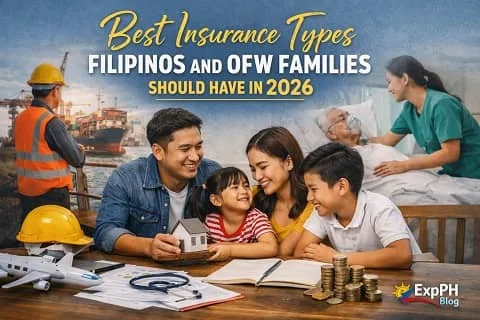
Best Insurance Types Filipinos and OFW Families Should Have in 2026
Introduction
Best Insurance for OFWs 2026 is no longer a topic Filipino families can ignore, especially those supported by an Overseas Filipino Worker. Insurance now plays a central role in long term financial stability. As 2026 approaches, changing work arrangements, rising medical costs, and global uncertainty increase the need for proper protection planning to keep families secure when income is disrupted.
This guide focuses on the best insurance for OFWs 2026 and provides a practical, human centered look at the insurance types Filipinos and OFW families should consider. It is written for real families making real decisions, not for sales pitches. The goal is to explain priorities clearly, show why coverage matters, and connect each insurance type to an OFW focused life plan.
Whether you are an OFW, a spouse managing finances at home, or a family planning ahead, this guide helps you make informed choices that protect income, health, and long term goals.
Why OFW Insurance Planning Matters More in 2026
Insurance planning for OFWs has always been important, but it becomes even more critical in 2026 due to changing work conditions, higher living costs, and increased financial responsibilities faced by overseas Filipino workers and their families.
First, many OFWs now work under contract based or project based arrangements. Income can stop suddenly due to job loss, illness, or geopolitical changes. These risks make consistent income protection essential for families that rely heavily on overseas employment.
Second, healthcare costs in the Philippines and abroad continue to rise faster than regular income. Medical emergencies can quickly drain savings, especially when families lack adequate health coverage and must pay large out of pocket expenses during treatment.
Third, OFW families are becoming more financially complex. Housing loans, education plans, and small business investments often depend on a single overseas income, making OFW Insurance 2026 focused on preparation and stability instead of reacting only after emergencies occur.
Best Insurance for OFWs 2026: What Filipino Families Should Prioritize
Choosing the best insurance for OFWs 2026 starts with understanding income stability and family needs. Life and health insurance should come first, followed by accident and critical illness coverage. This prioritization helps Filipino families stay protected without overspending on unnecessary policies.
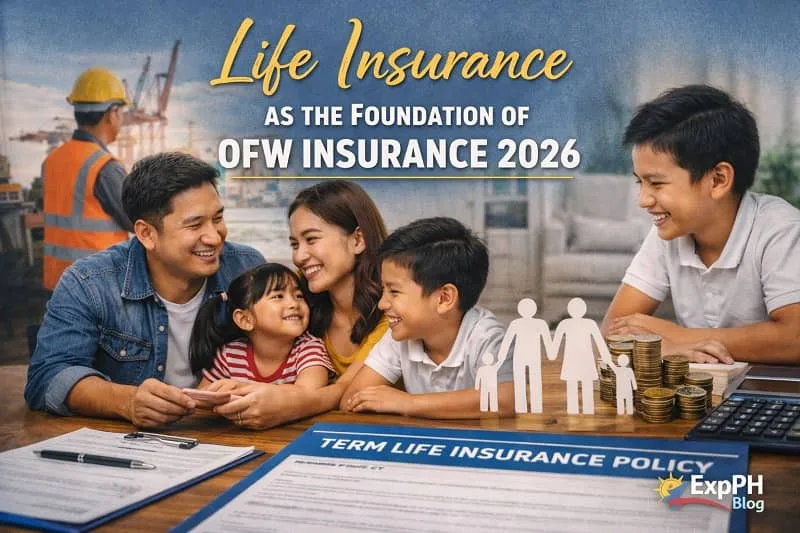
Life Insurance as the Foundation of OFW Insurance 2026
Life insurance remains the foundation of a strong insurance plan, especially for OFW families that rely on a single income source. It provides financial continuity and stability, ensuring that long term goals and daily needs remain protected even when unexpected events affect the family breadwinner.
Why Life Insurance Is Critical for OFWs
For OFWs, life insurance represents responsibility rather than fear. If something happens to the main provider, insurance helps the family cover daily expenses, education costs, and unpaid debts. Without coverage, savings disappear quickly and families may be forced into difficult financial decisions.
Term Life vs Whole Life for OFWs
Term life insurance is often the most practical option for OFWs because it offers high coverage at an affordable cost during working years. Whole life insurance combines protection and savings but requires higher premiums. For OFW Insurance 2026, term life usually works best as primary coverage.
How Much Life Insurance Coverage Do OFWs Need
A common guideline suggests coverage worth ten times annual income, but this should not be the only basis. OFWs must consider years left abroad, number of dependents, existing loans, and education plans. The goal is to calculate realistic needs rather than rely on estimates.
Health Insurance for OFWs and Families
Health insurance is one of the most overlooked yet essential parts of OFW Insurance 2026. Medical emergencies can quickly drain savings and disrupt family stability. Without proper coverage, even short hospital stays may create long term financial strain for OFWs and their dependents.
Local Health Insurance for Families in the Philippines
Even if the OFW is working abroad, family members in the Philippines still need reliable health coverage. Hospitalization, surgery, and long term medical treatment can become financially overwhelming without proper insurance protection.
According to the Philippine Insurance Commission, health insurance and HMO plans help reduce out of pocket medical expenses while protecting household finances. Families can review official consumer guidance directly from the Insurance Commission to better understand their coverage options.
International Health Insurance for OFWs
Some host countries offer basic healthcare, but coverage is often limited. International health insurance helps cover private hospitals, specialized treatments, and emergency evacuation. For OFWs working where public healthcare access is restricted, this protection can make a significant difference.
Why PhilHealth Alone Is Not Enough
PhilHealth offers basic medical assistance, but it does not fully cover major illnesses or long hospital stays. OFW Insurance 2026 planning should treat PhilHealth as added support rather than the primary solution for healthcare protection.

Accident Insurance for High Risk Work Environments
Many OFWs work in physically demanding or high risk jobs such as construction, shipping, manufacturing, and caregiving. These roles increase the chance of injury or accidents, making financial protection essential to prevent sudden income loss and protect families who depend on overseas earnings.
What Accident Insurance Covers
Accident insurance provides cash benefits for injuries, disability, or death caused by accidents. These benefits help replace lost income during recovery and support families during difficult situations when regular work and salary are temporarily or permanently affected.
Why Accident Insurance Is Important for OFWs
Even minor accidents can prevent an OFW from working for months. Accident insurance offers quick financial support without long claim delays. For OFW Insurance 2026, this coverage is an affordable and practical add on, especially for physically demanding occupations.
Critical Illness Insurance for Long Term Protection
Critical illness insurance provides a lump sum payout when an insured person is diagnosed with serious conditions such as cancer, stroke, or heart disease. This financial support helps families manage treatment costs, income loss, and daily expenses during extended periods of illness.
How Critical Illness Insurance Helps OFW Families
Serious illness affects both health and income. Critical illness insurance gives families financial breathing room, allowing them to focus on recovery and medical decisions instead of worrying about hospital bills, lost earnings, or long term financial disruption.
Why This Matters in OFW Insurance 2026
Lifestyle related illnesses are increasing even among younger workers. OFWs often face stress, irregular schedules, and limited rest. Critical illness insurance adds a strong safety net that helps protect family stability when health challenges arise unexpectedly.

Education Insurance and Future Planning for Children
Many OFWs work abroad to secure a better future for their children. Education planning helps ensure that schooling continues even when unexpected events affect income. Insurance linked to education goals provides stability and peace of mind for families focused on long term success.
Education Plans vs Traditional Insurance
Education insurance combines savings and protection in one plan. If the OFW can no longer work, the policy helps fund the child’s education. This structure protects learning goals while building disciplined savings over time.
When Education Insurance Makes Sense
Education insurance works best for families with young children and long planning horizons. It should support, not replace, life insurance within an OFW Insurance 2026 plan, ensuring both income protection and future education needs are covered.
Property and Home Insurance for OFW Investments
OFWs often invest in homes, rental properties, or family houses in the Philippines. These properties represent years of hard work and sacrifice. Protecting them through insurance helps preserve financial stability and ensures that major investments remain secure despite unexpected events.
Why Home Insurance Is Often Ignored
Many families believe disasters are unlikely to affect them. However, fire, typhoons, floods, and other risks remain common in the Philippines. Without insurance, property damage can lead to major financial loss and long recovery periods.
Protecting OFW Built Assets
Home insurance protects properties built through years of remittances and savings. It helps families recover faster after disasters and prevents a single event from wiping out assets that took a lifetime of overseas work to build.

Travel Insurance for Short Term Protection
Travel insurance is not a long term solution, but it plays an important role in OFW Insurance 2026. It provides temporary protection during travel periods, covering unexpected events that may occur before deployment, during vacations, or while transitioning between overseas contracts.
Who Needs Travel Insurance
Newly hired OFWs, vacationing workers, and those between contracts benefit most from travel insurance. It offers short term coverage during periods when regular health or employment benefits may not yet be active or available.
What to Look for in Travel Insurance
Choose travel insurance that covers medical emergencies, trip delays or cancellations, and personal liability. These features help reduce financial stress when unexpected incidents occur during travel and provide basic protection for short overseas stays.
Financial Education as a Hidden Insurance Layer
Insurance works best when combined with strong financial knowledge. Understanding basic concepts such as coverage limits, exclusions, and policy terms helps OFWs make better decisions. Financial education reduces costly mistakes and strengthens long term protection for families who depend on overseas income.
Why Financial Literacy Strengthens Insurance Decisions
Understanding policy terms, exclusions, and coverage limits helps families avoid costly mistakes. Financial education empowers OFWs to choose the right products and avoid underinsurance.
For OFWs who want to better understand personal finance and insurance basics, structured learning can be very helpful. Online courses focused on financial planning and income protection allow workers to make informed decisions with confidence. One practical learning platform is Udemy, which offers courses designed for working professionals and overseas workers.
Learn practical finance and insurance fundamentals through Udemy.
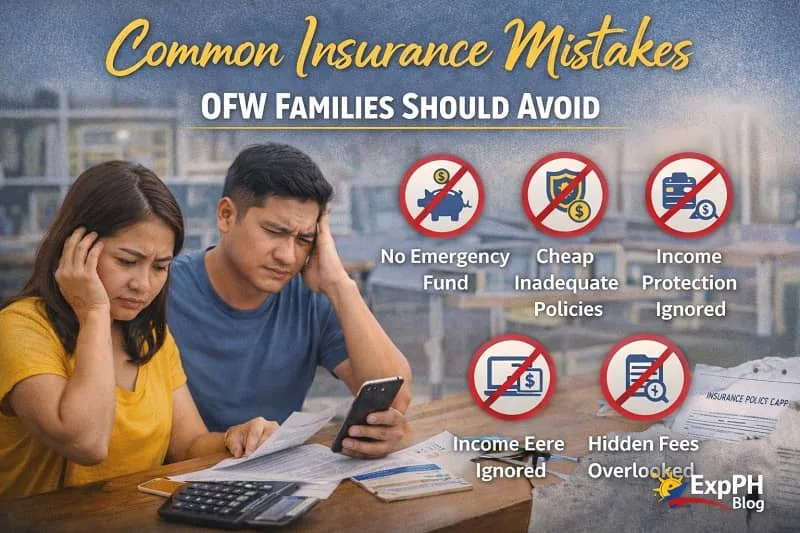
Common Insurance Mistakes OFW Families Should Avoid
Even with good intentions, many OFW families make avoidable insurance mistakes. Lack of understanding, budget pressure, or outdated information often leads to weak coverage. Recognizing these common errors helps families strengthen protection and avoid financial stress during emergencies.
Underinsuring to Save Money
Choosing the cheapest policy often leads to insufficient coverage. While premiums may seem affordable, benefits may not meet real needs. Short term savings can result in long term financial loss when families face medical emergencies or unexpected income disruption.
Ignoring Policy Exclusions
Not all illnesses or situations are covered by insurance. Failing to review exclusions can cause denied claims during critical moments. Understanding what a policy does not cover is just as important as knowing its benefits.
Failing to Update Beneficiaries
Life events such as marriage, childbirth, or separation should prompt insurance updates. Outdated beneficiary details can cause delays or disputes during claims, adding stress for families already dealing with emotional and financial challenges.
How to Build a Balanced OFW Insurance 2026 Plan
A strong insurance plan is not about buying every available policy. It focuses on balance, affordability, and real needs. The goal is to protect income, health, and long term goals without creating financial strain for OFWs and their families.
Prioritization Order for OFWs
OFWs should begin with life insurance to protect dependents, followed by health insurance for medical costs. Accident and critical illness coverage come next. Education and property insurance can be added as income becomes more stable.
Matching Insurance to Life Stages
Insurance needs change over time. Single OFWs, married couples, and families with children face different risks. Regular reviews help ensure coverage remains aligned with current responsibilities, income level, and future plans.
Conclusion: Building Security Through OFW Insurance 2026
Best Insurance for OFWs 2026 is not about expecting the worst. It is about protecting what matters most. For Filipino families and overseas workers, the right insurance plan provides stability, confidence, and peace of mind. It helps families stay focused on long term goals even when unexpected events affect income, health, or daily living.
This approach encourages proactive and informed protection planning. By understanding essential insurance types and matching them to real family needs, families can build a reliable safety net for both present and future generations. Progress matters more than perfection. Reviewing coverage, identifying gaps, and strengthening protection step by step helps ensure lasting family security.
Related Educational Posts You May Find Helpful.
- Best Insurance Options for OFWs in 2026
- Best Financial Goals OFWs Should Set for 2026
- Best Investment Options for Filipinos Supporting OFW Income in 2026
- Best Financial Goals Filipinos and OFWs Should Set for 2026
- How to Start Investing with Just ₱1,000 in the Philippines
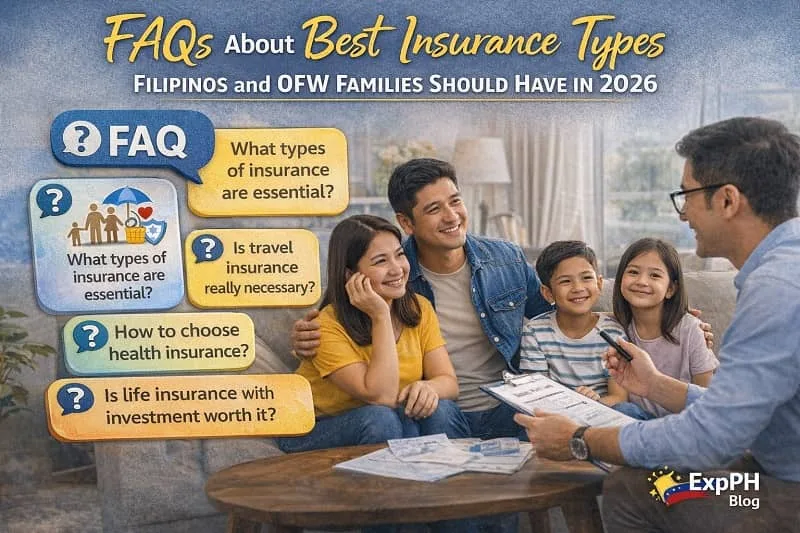
FAQs About Best Insurance Types Filipinos and OFW Families Should Have in 2026
What is the importance of insurance for OFW families in 2026?
Insurance protects OFW income, covers emergencies, secures family stability, and prevents debt when illness, accidents, or death disrupt overseas employment and household finances long-term security.
Why is life insurance essential for OFWs?
Life insurance ensures dependents receive financial support for daily needs, education, and debts if the OFW breadwinner unexpectedly passes away during critical family transition periods.
How does health insurance help OFWs and their families?
Health insurance reduces hospital costs, provides access to quality care, and protects savings from medical emergencies affecting OFWs or families in the Philippines and abroad.
What role does accident insurance play for OFWs?
Accident insurance provides immediate cash benefits for injuries, disability, or death caused by accidents, helping OFWs recover financially while unable to work during temporary recovery.
Why should OFWs consider critical illness insurance?
Critical illness insurance pays a lump sum after diagnosis of serious diseases, allowing families to manage treatment, income loss, and recovery expenses with greater confidence.
Is education insurance important for OFW families?
Education insurance secures children’s schooling by combining savings and protection, ensuring education continues even if the OFW can no longer work due to unforeseen circumstances.
Why do OFWs need home or property insurance?
Home insurance protects OFW built properties from fire, typhoons, floods, and other disasters that could erase years of overseas earnings invested by hardworking Filipino families.
When is travel insurance useful for OFWs?
Travel insurance is useful during deployment, vacations, or contract transitions, covering medical emergencies, delays, and unexpected incidents abroad for short periods of international movement only.
What insurance types should OFWs prioritize first?
OFWs should prioritize life and health insurance first, then add accident and critical illness coverage as income stabilizes and family responsibilities grow over time naturally.
How often should OFWs review their insurance plans?
Review insurance yearly or after major life changes such as marriage, childbirth, new contracts, or property purchases to keep coverage aligned with current family needs.
Test your knowledge about Best Insurance Types Filipinos and OFW Families Should Have in 2026.
Results


#1. What insurance is most important for OFWs?
#2. Why is health insurance important for OFW families?
#3. Which insurance provides lump sum for major diseases?
#4. What insurance protects OFWs in risky jobs?
#5. Which insurance helps secure children’s schooling?
#6. What insurance protects OFW built homes?
#7. When is travel insurance most useful?
#8. What should OFWs review regularly?
#9. What insurance covers income loss from illness?
#10. What should OFWs prioritize first?
Thank you for taking your time with us.
Your effort to learn today is a step toward a more secure future for you and your family. We would love to hear from you. Please comment below and share your quiz experience with us.

A Filipino web developer with a background in Computer Engineering. Founder of ExpPH Blog and ExpPH Business Guide, creating practical content on OFW guidance, business, finance, freelancing, travel, and lifestyle. Passionate about helping Filipinos grow, he shares insights that educate, empower, and inspire readers nationwide.


Pingback: Best Retirement Plans for OFWs in 2026 Guide for OFW Future!
Pingback: Best OFW Retirement Planning Tips for Filipinos in 2026 Guide