

Best Family Lifestyle Practices for Filipinos With OFW Members in 2026

Living as a Filipino family with an Overseas Filipino Worker is a reality shaped by sacrifice, resilience, and constant adjustment. In 2026, OFW families face a more connected yet more demanding world, where digital tools, global work pressures, and evolving family roles influence everyday life. This guide on Best Family Lifestyle Practices for OFW Families is written to help Filipino households build stability, emotional balance, and long term growth while managing physical distance.
This article is human first, practical, and grounded in real OFW family experiences. It focuses on lifestyle practices that strengthen relationships, improve financial habits, support mental well being, and prepare families for a future beyond overseas work.
Understanding the Modern OFW Family Lifestyle in 2026
The changing structure of OFW families
OFW family setups are no longer limited to one parent working abroad while the other stays home. In 2026, some families rotate contracts, depend on extended relatives for childcare, or combine overseas work with remote jobs. These shifts require flexibility and thoughtful lifestyle planning to maintain balance.
Family routines must adjust to different time zones, online communication, and changing household roles. The Best Family Lifestyle Practices for OFW Families start by accepting that traditional structures have evolved. Family success now depends on coordination, shared responsibility, and mutual understanding rather than strict control.
Emotional realities behind overseas work
Although remittances support daily needs, emotional gaps can slowly develop. Children may face attachment challenges, spouses can feel overwhelmed, and OFWs often carry guilt or loneliness. A healthy family lifestyle recognizes emotional well being as equally important as financial stability and long term goals.
Open communication, emotional reassurance, and shared decision making are essential in modern OFW family life. Honest conversations help families manage stress, strengthen trust, and maintain closeness. When emotions are acknowledged early, families become more resilient and better prepared to face long periods of physical separation.
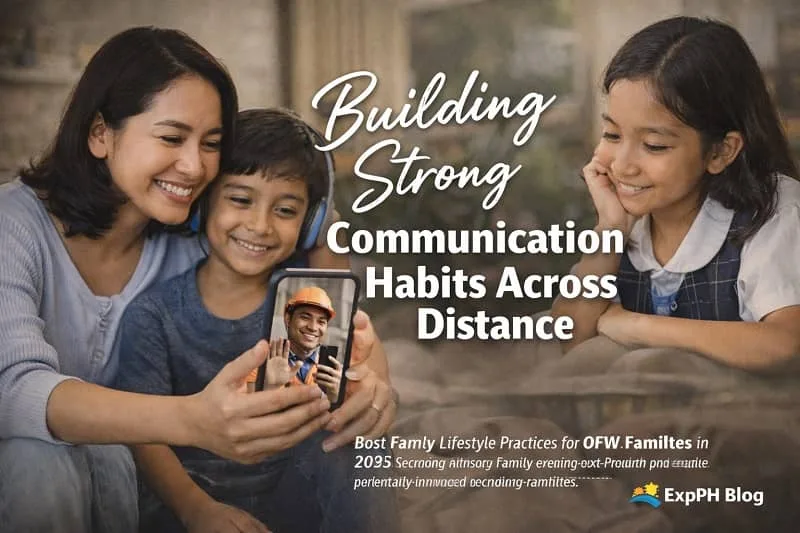
Building Strong Communication Habits Across Distance
Creating predictable communication routines
Consistency matters more than frequency when families communicate across distance. Setting regular video call schedules that fit work shifts and school hours helps create stability. Predictable routines give children emotional security and reduce misunderstandings between spouses managing daily responsibilities apart.
Communication should go beyond discussing problems or finances. Sharing everyday moments, small achievements, and simple stories helps maintain emotional connection. These regular exchanges remind family members that they remain involved in each other’s lives despite physical separation.
Encouraging honest and age appropriate conversations
Children need clear and honest explanations about why a parent works abroad. Avoid promises tied to uncertain contracts or timelines. Reassurance, emotional presence, and consistent messages help children feel safe and valued within the family.
Teenagers benefit from joining conversations about family goals, savings plans, and future transitions. Including them builds responsibility, trust, and maturity. It also helps them understand the reasons behind family decisions and the shared effort required to support long term stability.
Practicing Financial Discipline as a Family Lifestyle
Aligning remittances with family goals
Remittances should follow a clear plan that supports family priorities such as education, housing, emergency savings, and future reintegration or business plans. Without structure, sudden income growth can lead to lifestyle inflation and financial stress for OFW households.
A healthy OFW family lifestyle treats remittances as tools rather than rewards. Budgeting together, even from different locations, builds accountability and shared direction. This approach helps families stay focused on long term stability instead of short term spending habits.
Teaching children financial awareness early
Children in OFW families often have access to gadgets and daily comforts. Teaching basic money skills like saving, budgeting, and patience helps prevent entitlement and financial dependence as they grow older.
Simple habits such as allowance tracking, savings jars, and regular family budget talks build long term financial discipline. These practices help children understand money value and encourage responsible decision making early in life.
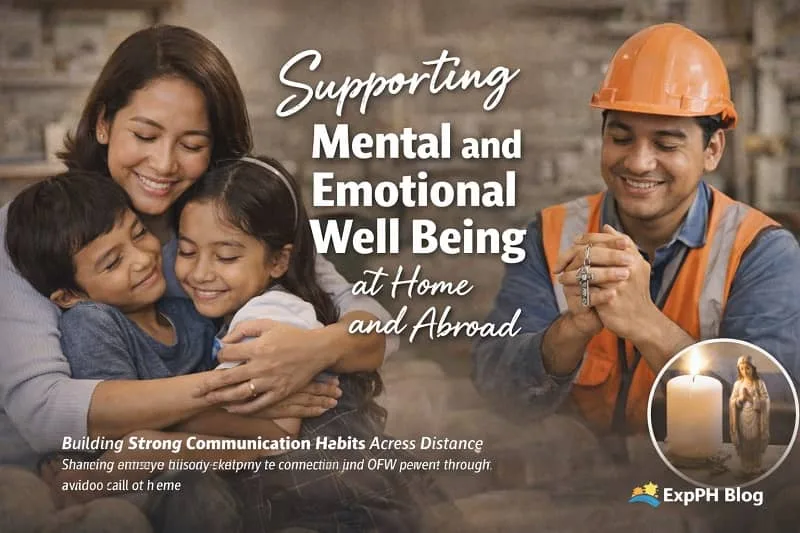
Supporting Mental and Emotional Well Being at Home and Abroad
Recognizing signs of emotional strain
Loneliness, burnout, and anxiety affect both OFWs and their families. Warning signs may include withdrawal, irritability, declining school performance, or reduced motivation. Paying attention to these changes helps families respond early and prevent deeper emotional difficulties from developing.
Mental well being is part of the Best Family Lifestyle Practices for OFW Families and should never be treated as optional. Early recognition allows families to adjust routines, improve communication, or seek guidance before emotional stress becomes overwhelming.
Normalizing emotional support and counseling
Seeking help from counselors, school advisers, or faith based groups should be accepted as a healthy choice. Emotional strength grows when families talk openly and accept support instead of struggling alone.
For OFWs, keeping hobbies, regular exercise, and social connections abroad helps reduce isolation. These habits support emotional balance and build resilience during long periods away from home and family.
Creating Stability for Children in OFW Households
Maintaining routines and structure
Children thrive when daily life feels predictable. Regular schedules for school, meals, chores, and sleep help provide emotional security, even when one parent works abroad. Consistent routines give children a sense of order and reduce anxiety caused by physical separation.
Rules and expectations should remain consistent between the OFW parent and the caregiver at home. Mixed messages can confuse children and lead to behavioral issues. Clear communication between adults helps maintain discipline and stability within the household.
Strengthening the role of the at home caregiver
The parent or guardian managing the household carries major responsibility. Recognizing this role and offering support is essential. Shared decision making and appreciation help maintain respect and unity within the family.
When extended family members help with caregiving, they should follow the family’s values and discipline approach. Alignment prevents conflict and ensures children receive consistent guidance and emotional support.
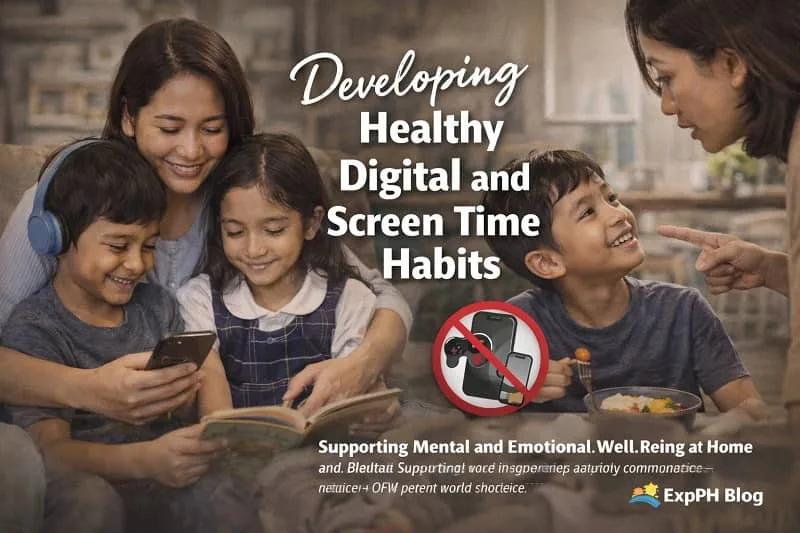
Developing Healthy Digital and Screen Time Habits
Using technology as a connection tool
Digital tools serve as lifelines for OFW families. Video calls, shared photos, and messaging apps help maintain emotional closeness and daily connection. When used intentionally, technology allows families to stay involved in each other’s lives despite long physical separation.
Families can plan shared online activities such as simple games, virtual meals, or reading sessions. These scheduled moments create shared memories and strengthen bonds, helping children and parents feel emotionally present even when they are far apart.
Setting boundaries for screen use
Too much screen time can affect sleep, focus, and emotional health. Parents should model balanced digital habits and set clear limits, especially for children and teenagers in the household.
Technology should strengthen relationships, not replace real world interaction, responsibilities, or offline activities. Healthy boundaries help children develop social skills, discipline, and a balanced lifestyle alongside digital communication.
Investing in Skills and Personal Growth as a Family
Preparing for future transitions beyond overseas work
Many OFW families plan to return home permanently. Preparing early through skill development helps make this transition smoother and less stressful. Spouses at home can explore online work, freelancing, or small businesses that continue after repatriation.
OFWs can upskill to access better paying or less physically demanding roles. Learning new skills also prepares them for local employment or entrepreneurship once they return, reducing dependence on overseas contracts and improving long term family stability.
Using structured online learning to support family goals
One practical resource many OFW families use for skill development is Udemy, an online learning platform that offers flexible courses in digital skills, freelancing, entrepreneurship, and personal development.
Parents can learn together, align skills with family goals, and apply lessons immediately. This approach supports lifestyle improvement rather than short term income chasing.

Strengthening Family Values and Cultural Identity
Keeping Filipino values alive at home and abroad
Distance can weaken cultural identity when it is not nurtured. Families should continue Filipino traditions, language use, and shared values even while a parent works overseas. These practices help children stay connected to their roots.
Celebrating Filipino holidays, sharing family history, and practicing respect and gratitude strengthen cultural grounding. These traditions guide children’s behavior and help them develop pride in their identity despite physical separation from a parent.
Teaching purpose behind sacrifice
Children should understand that overseas work is a choice made for the family’s future, not a sign of absence or lack of love. Explaining the purpose behind sacrifice helps children develop empathy and emotional maturity.
When children understand the reasons for separation, family bonds grow stronger. This clarity reduces resentment and helps children appreciate shared efforts toward long term family stability.
Planning for Safety, Legal Awareness, and Family Protection
Staying informed about OFW rights and policies
Families benefit from staying updated on OFW policies, contracts, and worker protections. The Philippine Department of Migrant Workers provides official guidance, advisories, and support services for OFWs and their families. Accessing reliable information helps families make informed decisions and avoid misinformation.
For official updates and worker protection programs, families can refer to the Department of Migrant Workers website.
Preparing emergency and contingency plans
Every OFW family should prepare clear emergency plans for medical issues, job loss, contract termination, or sudden repatriation. Having these plans in place reduces panic and confusion during unexpected situations and helps families respond calmly and quickly when problems arise.
Important documents such as passports, contracts, and insurance records should be organized and easy to access. Trusted family members at home must know where these documents are kept to ensure faster action during emergencies.
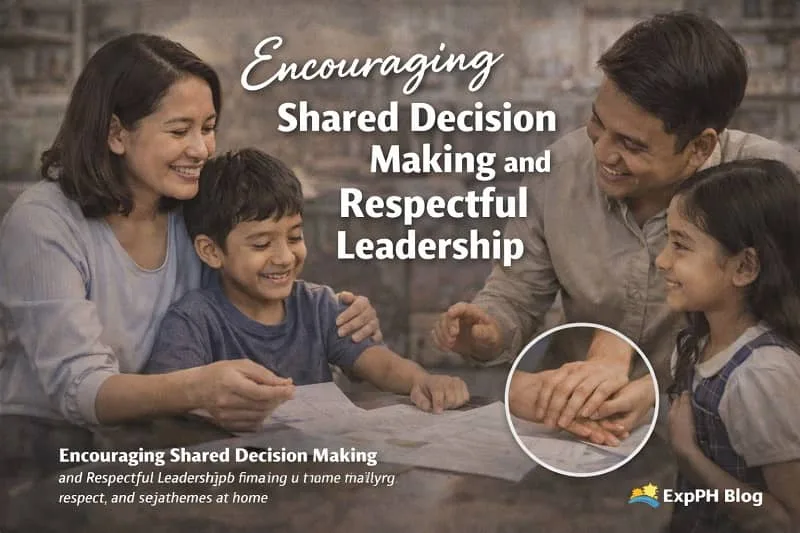
Encouraging Shared Decision Making and Respectful Leadership
Balancing authority between overseas and home based parents
Decision making should not rest only with the income earner. Respectful collaboration between spouses helps maintain balance and prevents resentment. Clear communication allows both parents to feel valued, even when one is working abroad.
Children observe how parents handle authority and cooperation. When they see mutual respect and shared leadership, family relationships become stronger. This example teaches children healthy communication and teamwork within the household.
Adjusting leadership roles as children grow
As children mature, involving them in family discussions builds confidence and responsibility. Gradual participation helps them understand family priorities and consequences of decisions.
This approach prepares children for adulthood and reinforces trust. Feeling heard encourages maturity, accountability, and stronger emotional connections within the family.
Preparing for Reintegration and Long Term Family Vision
Aligning lifestyle choices with long term plans
Every lifestyle decision should support the family’s long term vision, whether it includes permanent return, business ownership, or a new career path. Daily choices must align with future goals to avoid wasted effort and directionless spending.
Short term comfort should never weaken long term stability. Conscious lifestyle decisions give meaning to overseas sacrifice and help families stay focused on building a secure and sustainable future together.
Redefining success beyond income
Success for OFW families is not measured by remittances alone. Emotional health, strong relationships, and personal growth are equally important for long term family well being.
The Best Family Lifestyle Practices for OFW Families emphasize balance and sustainability. A healthy family life prioritizes unity and growth rather than burnout or constant financial pressure.
Conclusion: Building a Stronger OFW Family Lifestyle in 2026
Living as an OFW family in 2026 requires clear intention, open communication, and shared values. Physical distance does not need to weaken family relationships when households commit to healthy routines, emotional honesty, and long term planning. When each family member understands their role and stays connected through consistent effort, challenges become more manageable and relationships grow stronger despite separation.
By practicing mindful communication, financial discipline, emotional care, continuous learning, and cultural grounding, Filipino families can turn overseas work into a foundation for lasting stability. The Best Family Lifestyle Practices for OFW Families are not about perfection but about consistency, understanding, and choosing growth together. Even when miles apart, families can build unity, resilience, and a meaningful future.
More informative articles related to this subject follow.
- How OFWs Can Prepare for Life After Working Abroad in 2026
- How to Create a Budget Plan for Today and the Years Ahead
- Best Ways for OFWs to Support Their Families in 2026
- How to Stay Productive When Working from Home
- Why Minimalist Living Works for Filipinos
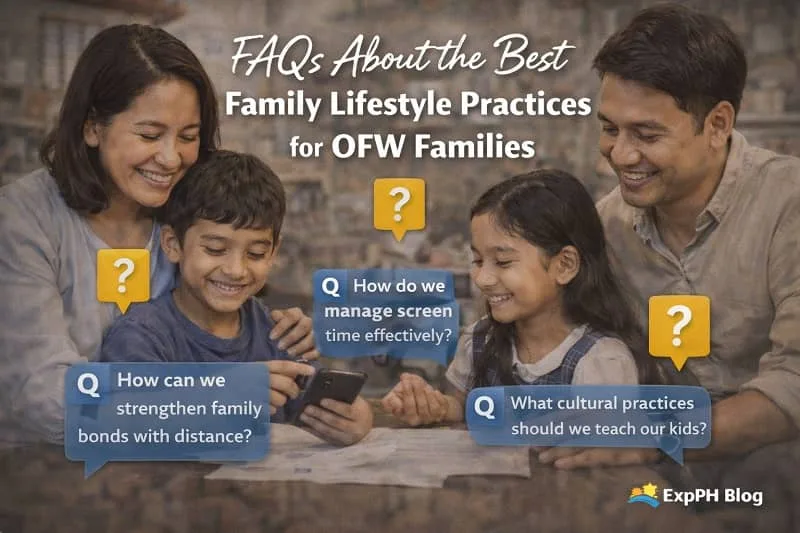
FAQs About the Best Family Lifestyle Practices for OFW Families
What are the Best Family Lifestyle Practices for OFW Families in 2026?
They focus on communication routines, emotional support, financial discipline, child stability, skill development, and long term planning to help families thrive despite physical distance challenges.
Why are family lifestyle practices important for OFW households?
These practices help reduce emotional gaps, prevent financial stress, support children’s development, and align family goals, creating healthier relationships and sustainable futures for Filipino households.
How can OFW families improve communication despite distance?
Families should schedule regular calls, share daily experiences, discuss decisions openly, and avoid communication only about problems or money to maintain emotional closeness within families.
What financial habits support a healthy OFW family lifestyle?
By budgeting together, setting clear goals, prioritizing savings, avoiding lifestyle inflation, and teaching children money habits, OFW families build long term financial stability and security.
How can OFW families support mental and emotional well being?
Watch for withdrawal, mood changes, declining school performance, burnout, or isolation, and respond early through conversation, support systems, and professional guidance when needed for families.
How can children feel secure in OFW family setups?
Consistent routines, emotional reassurance, clear rules, involved caregivers, and honest explanations about overseas work help children feel secure and emotionally supported within OFW family households.
What role does technology play in OFW family life?
Technology enables connection through calls and messages, but boundaries are needed to prevent excessive screen time, sleep disruption, and reduced real world interaction among children.
Why is skill development important for OFW families?
Skill development prepares families for reintegration, remote work, or business opportunities, reducing dependency on overseas income and improving long term family resilience and stability goals.
How can OFW families preserve Filipino values and identity?
By maintaining traditions, language use, respect, and gratitude, families preserve Filipino identity and teach children purpose behind overseas sacrifice within modern OFW family lifestyles today.
How can OFW families prepare for emergencies?
They should organize documents, follow official OFW advisories, maintain emergency funds, and prepare contingency plans for health, job loss, or sudden repatriation situations affecting families.
Test your understanding of healthy and practical family lifestyle practices for Filipino households with OFW members in 2026.
Results


#1. What is the main goal of OFW family lifestyle practices?
#2. Why is regular communication important for OFW families?
#3. Which habit helps children feel secure in OFW households?
#4. What financial practice supports long term OFW family stability?
#5. What emotional issue commonly affects OFWs abroad?
#6. Why should children understand overseas work sacrifices?
#7. How should technology be used in OFW family life?
#8. What supports smooth reintegration for OFW families?
#9. Why is skill development important for OFW households?
#10. What defines success for OFW families in 2026?
Thank you for taking time to learn and reflect.
We would love to hear from you. Please comment below and share your experience with us.

A Filipino web developer with a background in Computer Engineering. Founder of ExpPH Blog and ExpPH Business Guide, creating practical content on OFW guidance, business, finance, freelancing, travel, and lifestyle. Passionate about helping Filipinos grow, he shares insights that educate, empower, and inspire readers nationwide.



Pingback: Best Countries to Settle After OFW Life in 2026 Guide Tips.