
How OFWs Can Protect Savings During the Transition Home
For many Overseas Filipino Workers, returning home is both exciting and challenging. After years of hard work abroad, the goal is often simple: bring home savings that can provide stability, support family members, and possibly start a new chapter in life. However, the transition home can also be one of the most financially risky periods for returning workers.
Without proper planning, savings that took years to build can disappear quickly through unexpected expenses, family obligations, poor investments, or lack of income after returning home. This is why OFW savings protection is an essential part of every returning worker’s financial strategy.
The transition home should not mean financial uncertainty. With careful preparation, smart budgeting, and the right mindset, OFWs can protect the money they worked so hard to earn while building a secure future in the Philippines.
In this guide, you will learn practical strategies for OFW savings protection, including financial planning before returning home, smart spending habits, safe investment options, and income strategies that can help maintain financial stability during reintegration.
Table of Contents
Why OFW Savings Protection Matters During the Transition Home
Returning home is a major life transition for many Overseas Filipino Workers. After years of working abroad, being reunited with family is often the biggest reward. However, the financial reality can be challenging if the transition is not planned carefully. Without preparation, savings may decline quickly during the adjustment period.
Many returning workers experience common financial challenges such as:
- Sudden loss of regular income
- Requests for financial help from relatives
- Poorly planned business decisions
- Lifestyle changes that increase spending
When several of these challenges happen at the same time, savings can disappear much faster than expected.
Loss of Stable Income
While working abroad, most OFWs earn a stable monthly salary that supports both personal needs and family expenses. Once the contract ends and the worker returns home, that steady income often stops immediately. Daily living costs may then depend entirely on savings. This is why OFW savings protection must include planning for income before returning home.
Financial Pressure from Family and Community
Returning OFWs often receive requests for financial assistance from relatives and friends. Helping family is an important Filipino value. However, constant financial support can become difficult to sustain. Protecting savings requires setting reasonable financial limits and focusing on long term stability for both the worker and their immediate family.
Lack of Financial Planning
Some OFWs concentrate on earning income abroad without preparing a financial plan for life after returning home. When their contract ends, they may lack a clear strategy for managing savings. Proper financial planning helps returning workers organize expenses, protect their funds, and adjust to life in the Philippines more smoothly.
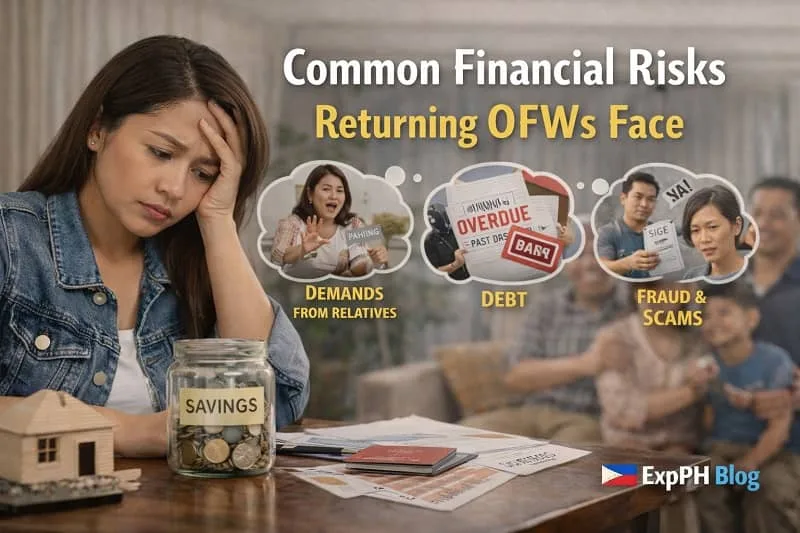
Common Financial Risks Returning OFWs Face
Understanding common financial risks helps returning OFWs avoid costly mistakes during reintegration. Many workers experience similar financial pressures after returning home. Without careful planning, savings built through years of work abroad may decline quickly. Awareness of these risks supports better decisions and stronger OFW savings protection.
Overspending After Returning Home
After years of working abroad, some OFWs celebrate their return by spending heavily on celebrations, gadgets, home upgrades, or unnecessary purchases. While celebrating is understandable, large expenses can quickly reduce savings. Maintaining a balanced spending habit helps protect funds while still allowing returning workers to enjoy time with family.
Investing in Risky Businesses
Many returning OFWs plan to start a business using their savings. Entrepreneurship can create opportunities, but rushing into a business without research often leads to financial loss. Careful planning, market study, and gradual investment are important steps that support OFW savings protection and long term financial stability.
Common mistakes include:
- Investing in unfamiliar industries
- Partnering with unreliable individuals
- Opening businesses without market research
- Spending all savings on one venture
Successful entrepreneurs often start small, test the market, and expand only after the business proves sustainable.
Supporting Too Many Financial Obligations
Returning OFWs often feel responsible for helping extended family members financially. While generosity reflects Filipino values, excessive financial support can reduce savings quickly. Practicing OFW savings protection means balancing generosity with responsibility, prioritizing household stability, and ensuring personal savings remain secure for long term needs.

Smart Financial Planning Before Returning Home
Protecting savings during the transition home begins with preparation while still working abroad. Early planning helps OFWs manage expenses and reduce financial stress after returning to the Philippines. A clear strategy supports responsible decisions and strengthens OFW savings protection during the first months of adjustment.
Build an Emergency Fund
An emergency fund is a key foundation of financial stability. It provides protection during unexpected situations such as medical emergencies, job delays, or urgent household needs. Financial experts recommend saving enough to cover at least six months of living expenses. This fund helps returning OFWs adjust without immediately relying on new income.
Create a Transition Budget
A transition budget helps control spending during the first year after returning home. Careful budgeting allows OFWs to track essential expenses and protect savings while adjusting to a new routine. Planning these costs in advance strengthens financial stability and supports responsible spending during the reintegration period.
Important expenses to include in the budget:
- Household expenses
- Utilities
- Healthcare costs
- Transportation
- Education expenses
- Insurance payments
Tracking these expenses helps OFWs estimate how long their savings can support their lifestyle.
Separate Savings for Different Goals
Dividing savings into clear categories helps prevent unnecessary spending and protects important funds. This method allows OFWs to manage money with greater discipline. Organized savings also make financial planning easier while supporting long term OFW savings protection during the transition period.
Examples of savings categories:
- Emergency fund
- Business capital
- Family support
- Personal savings
- Investment funds
Separating funds ensures that essential savings remain protected while other goals continue to develop.
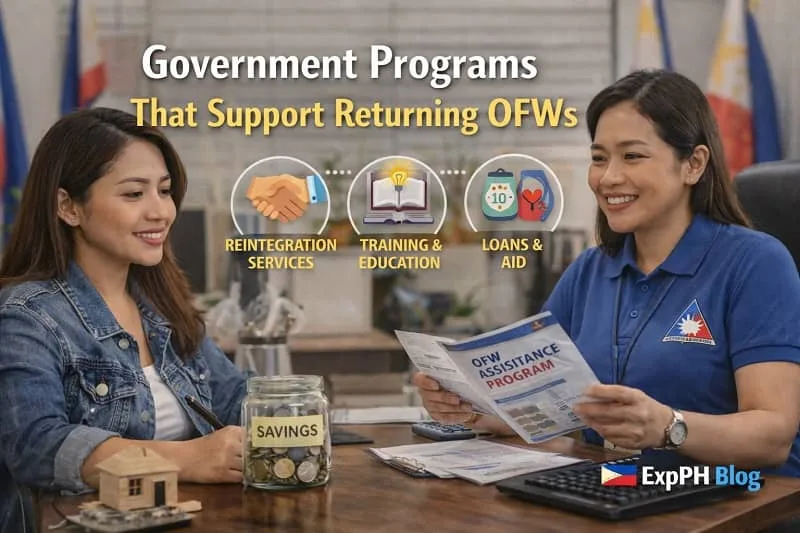
Government Programs That Support Returning OFWs
The Philippine government provides reintegration programs that help returning OFWs rebuild their financial stability after working abroad. These initiatives support workers who want to start businesses, develop skills, or improve financial management. Accessing these programs can strengthen OFW savings protection and support a smoother transition back to life in the Philippines.
The Overseas Workers Welfare Administration (OWWA) manages several reintegration services designed to assist returning workers. These services help OFWs explore livelihood opportunities, improve financial knowledge, and develop sustainable income sources. Learning about these programs early allows workers to prepare for life after overseas employment.
You can learn more about available reintegration services through the official OWWA website:
https://owwa.gov.ph
Some reintegration programs include:
- Livelihood assistance
- Business training
- Reintegration counseling
- Financial education seminars
Participating in these programs helps returning OFWs avoid common financial mistakes. Guidance from government support programs can improve decision making, protect savings, and encourage long term financial stability for workers and their families.
Practical Strategies for OFW Savings Protection
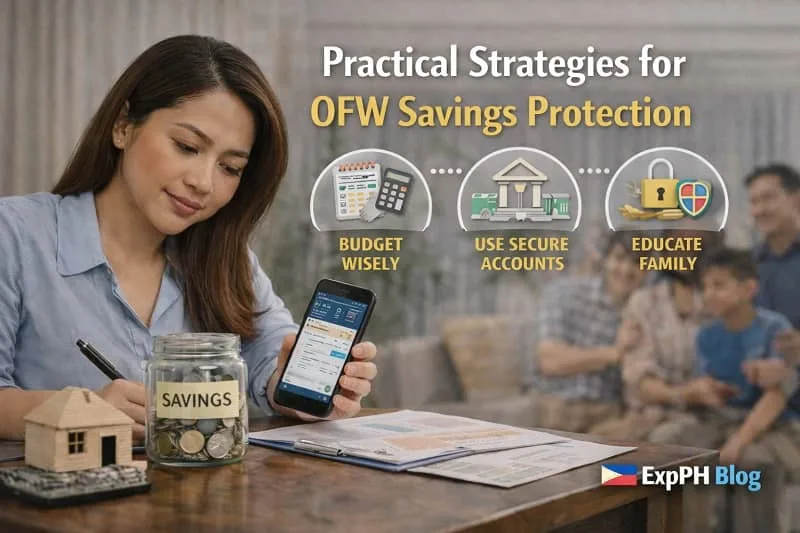
Protecting savings requires discipline and thoughtful financial decisions. Returning OFWs often face new expenses while adjusting to life at home. Applying practical strategies helps maintain stability and prevents savings from declining too quickly. These simple habits strengthen OFW savings protection during the important transition period.
Maintain a Simple Lifestyle
One effective way to protect savings is by maintaining a simple lifestyle after returning home. Avoid upgrading your lifestyle immediately. Take time to understand your financial situation before increasing spending. Living modestly allows savings to last longer while you explore income opportunities and adjust to your new routine.
Avoid Large Financial Commitments
Major financial decisions require careful planning. Purchasing property, building a house, or making large investments can place pressure on savings. Take time to review your financial goals and evaluate risks before making commitments. Seeking advice from trusted financial professionals can help protect your long term financial stability.
Examples of large financial commitments to evaluate carefully:
- Buying property
- Building a house
- Large business investments
- Expensive vehicle purchases
Taking time to evaluate these decisions helps prevent financial stress.
Monitor Spending Regularly
Tracking expenses helps OFWs understand where their money goes each month. Monitoring spending encourages discipline and reduces unnecessary purchases. Simple tools can make budgeting easier and more organized.
Helpful tools for expense tracking include:
- Budgeting mobile apps
- Spreadsheet trackers
- Personal finance notebooks
Small daily savings can accumulate over time. Careful budgeting allows OFWs to extend the value of their savings while building financial stability.
Learning New Skills to Build Income at Home
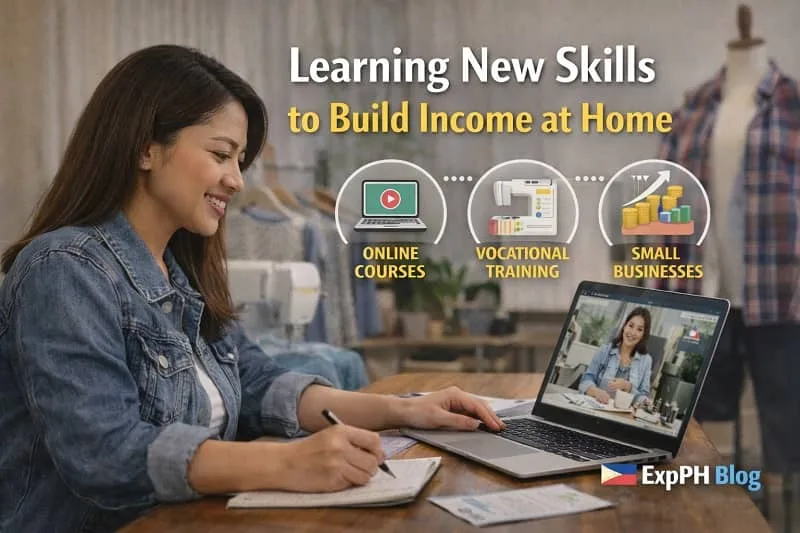
Developing new skills is a powerful strategy for strengthening OFW savings protection. Instead of depending only on savings after returning home, learning practical skills can create steady income opportunities. This approach helps returning OFWs build financial stability while exploring flexible careers and sustainable work options.
Freelancing and Remote Work Opportunities
The digital economy has created many opportunities for online work. Many Filipinos now earn income through remote jobs that connect them with international clients. These careers allow individuals to work from home while maintaining flexible schedules and developing long term professional skills.
Common freelance careers include:
- Virtual assistance
- Social media management
- Graphic design
- Digital marketing
- Web development
- Content writing
These roles allow returning OFWs to earn income without leaving the Philippines.
Learning New Skills Through Online Courses
Online learning platforms have made professional training accessible from anywhere. Returning OFWs can build valuable skills through structured lessons that focus on freelancing, entrepreneurship, marketing, programming, and business management. Continuous learning supports stronger financial independence and helps create reliable income sources.
One helpful learning platform is Udemy, which offers thousands of affordable courses for career development and online business training. Returning OFWs who want to start freelancing or build home based businesses can explore practical lessons here:
https://www.udemy.com/
Learning new skills before or after returning home can open new opportunities. These skills help generate income, support long term career growth, and strengthen financial stability during the reintegration period.

Building Sustainable Income After Returning Home
Savings provide temporary financial support, but long term security usually depends on reliable income. Returning OFWs benefit from developing income sources that match their skills, interests, and experience. Building sustainable income strengthens financial independence and supports stronger OFW savings protection after transitioning back to life in the Philippines.
Starting a Small Business
Many OFWs consider starting a business after returning home. Entrepreneurship can create new opportunities, but success requires planning and patience. Instead of investing large amounts immediately, it is safer to begin with smaller ventures that allow gradual learning and lower financial risk.
Examples of small business ideas include:
- Online selling
- Food businesses
- Service based businesses
- Freelancing services
Testing business ideas step by step helps reduce risk and allows entrepreneurs to improve their strategy before expanding.
Exploring Online Work Opportunities
Remote work has created new opportunities for Filipinos to earn income from international clients while staying in the country. Online platforms connect freelancers with companies seeking support in areas such as customer service, marketing, technical work, and digital services.
Common online work opportunities include:
- Virtual assistance
- Customer support
- Digital marketing services
- Technical support roles
These flexible careers allow returning OFWs to work from home, maintain family time, and develop stable income sources that support long term financial stability.
Protecting Savings from Fraud and Scams
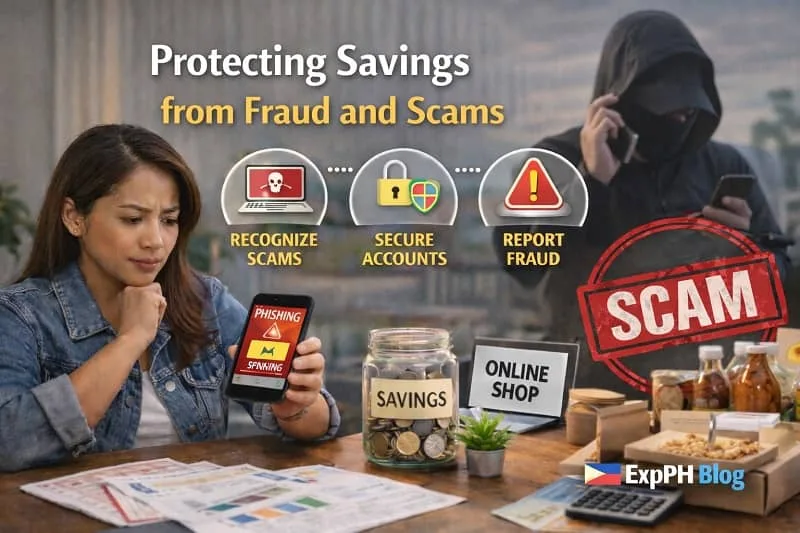
Returning OFWs are sometimes targeted by scammers who assume they have large savings. Protecting money requires careful decision making and awareness of common fraud schemes. Staying cautious when evaluating financial opportunities helps strengthen OFW savings protection and prevents costly mistakes during the transition home.
Verify Investment Opportunities
Before investing money, always research the company carefully. Legitimate investments should be properly registered with government authorities. In the Philippines, the Securities and Exchange Commission regulates investment activities and helps protect the public from fraudulent schemes.
You can verify legitimate companies through the official SEC website:
https://www.sec.gov.ph
Warning signs of risky investments include:
- Guaranteed high returns
- Pressure to invest quickly
- Lack of official registration
- Unclear business operations
Careful verification helps protect savings and prevents financial loss.
Be Cautious with Business Partnerships
Starting a business with partners requires trust and clear communication. Many financial disputes occur when responsibilities and expectations are not clearly defined. Protecting savings means establishing clear agreements before investing money into a partnership.
Important steps when entering partnerships include:
- Creating written agreements
- Defining partner responsibilities
- Clarifying profit sharing terms
- Setting clear financial rules
Formal agreements help prevent misunderstandings and protect the financial interests of all partners involved.

Strengthening Long Term Financial Security
Returning home marks the start of a new financial chapter for many OFWs. Protecting savings is important during the transition, but long term stability also requires thoughtful planning for the future. Developing smart financial habits helps strengthen OFW savings protection and supports steady financial growth over time.
Invest for the Future
Once financial stability is established, OFWs can begin exploring investment opportunities that help grow their savings. Careful investment planning can increase financial security while reducing the risk of relying on a single income source.
Common investment options include:
- Government savings programs
- Mutual funds
- Small business expansion
- Real estate investments
Diversifying investments helps balance risk and supports steady financial progress.
Continue Financial Education
Financial education is an important tool for long term success. Learning about budgeting, investments, and responsible money management helps OFWs make informed financial decisions. Continuous learning also strengthens confidence when evaluating opportunities and risks.
Ways to improve financial knowledge include:
- Reading financial guides
- Attending financial seminars
- Learning from trusted experts
- Following reliable finance resources
Improving financial knowledge helps returning OFWs protect their savings while building stronger financial security for the future.
Conclusion
Returning home after many years of working abroad is an important milestone for Overseas Filipino Workers. Reuniting with family brings joy and relief, but the financial transition can be challenging if savings are not managed wisely. Years of hard work can be affected quickly by unplanned expenses or poor financial decisions. Practicing OFW savings protection helps returning workers safeguard the money they earned abroad while adjusting to life in the Philippines. Careful planning, responsible spending, and thoughtful financial choices allow OFWs to maintain stability during this period of change.
Preparing early makes the transition smoother and more secure. Building emergency funds, learning new skills, exploring income opportunities, and avoiding risky investments all help strengthen financial stability. OFW savings protection is not only about preserving money. It also means creating long term security, supporting family responsibly, and building a sustainable future at home. With the right mindset and practical financial strategies, returning OFWs can turn their savings into lasting opportunities that benefit both themselves and their loved ones.
Expand your knowledge with these helpful guides for OFWs:
- Creating a Business Roadmap Based on Overseas Skills
- How OFWs Can Set Clear Exit Goals Before Returning Home
- Income Diversification Ideas That Do Not Require Big Capital
- Financial Checklists Filipinos Should Complete Before Returning Home
- Top 10 Small Business Ideas in the Philippines for 2026
Frequently Asked Questions
What is OFW savings protection during the transition home?
OFW savings protection means managing and safeguarding money earned abroad while returning home, ensuring funds last longer and support future goals, family needs, and financial stability.
Why do some OFWs lose their savings after returning home?
Some OFWs lose savings due to overspending, risky investments, family financial pressure, and lack of budgeting, which can quickly reduce funds without a stable income source.
How much emergency savings should returning OFWs prepare?
Returning OFWs should ideally prepare emergency savings covering at least six months of living expenses to protect finances while searching for work, starting businesses, or adjusting to life.
What are common financial mistakes returning OFWs should avoid?
Common mistakes include starting businesses without research, spending heavily on celebrations, supporting too many financial requests, and investing in opportunities that promise unrealistic profits.
How can OFWs manage spending after returning home?
OFWs can manage spending by creating a budget, tracking daily expenses, limiting unnecessary purchases, and prioritizing essential household needs while adjusting to life back in the Philippines.
Is starting a business a good way for OFWs to protect savings?
Starting a business can help protect savings if carefully planned. Research the market, start small, manage costs wisely, and avoid investing all savings immediately.
Can OFWs earn income online after returning home?
Yes, OFWs can earn income online through freelancing, remote jobs, and digital services such as virtual assistance, graphic design, online selling, or digital marketing work.
Why is financial planning important before returning home?
Financial planning helps OFWs prepare budgets, build emergency funds, and create income strategies before returning home, reducing financial stress and protecting savings during reintegration.
How can OFWs avoid financial scams after returning home?
OFWs should verify companies, research investment opportunities carefully, avoid offers promising guaranteed profits, and consult trusted financial experts before committing money to any investment.
What is the best strategy for long term OFW savings protection?
The best strategy combines budgeting, building emergency funds, learning new skills, creating income sources, and investing wisely to ensure savings support long term financial stability.
Learning Hub Quiz!
Test your knowledge about how OFWs can protect their savings during the transition home.
Results


#1. What protects OFW savings first?
#2. What should OFWs prepare before returning home?
#3. What helps track expenses?
#4. What is a risky financial move?
#5. Which habit protects savings best?
#6. What income option helps OFWs?
#7. What should OFWs avoid?
#8. What helps build income?
#9. What protects long term finances?
#10. What improves financial decisions?
Thank you for taking the quiz
Share your experience with us in the comments. Have you already started protecting your savings for your transition home? Your story might inspire other OFWs.

A Filipino web developer with a background in Computer Engineering. Founder of ExpPH Blog and ExpPH Business Guide, creating practical content on OFW guidance, business, finance, freelancing, travel, and lifestyle. Passionate about helping Filipinos grow, he shares insights that educate, empower, and inspire readers nationwide.