
How OFWs Can Upskill Without Burning Out
Being an Overseas Filipino Worker is both a sacrifice and a mission. You work hard, often far from family, with one clear goal in mind: to build a better future. While earning abroad provides financial stability, it can also bring physical exhaustion, emotional stress, and limited time for self development.
Many OFWs want to improve their skills, increase their income, or prepare for better opportunities. The challenge is simple and real. How can you grow professionally without adding more pressure to an already demanding life?
This guide is built around one clear goal: OFW Upskill Without Burnout. You will learn how to improve your skills strategically, protect your mental health, manage your time wisely, and choose learning methods that support your energy instead of draining it.
If you are serious about long term growth but also want balance and sustainability, this guide is for you. It will help you apply the principles of OFW Upskill Without Burnout in practical and realistic ways.
Table of Contents
Understanding OFW Upskill Without Burnout
Upskilling is not about adding more tasks to your already busy schedule. It is about improving your skills with purpose and discipline. Many OFWs think success requires sacrificing sleep, rest, and family time. That belief often leads to exhaustion, frustration, and eventually abandoning personal development goals.
The principle of OFW Upskill Without Burnout centers on steady and sustainable growth. Instead of extreme effort, it encourages smart planning and realistic expectations. The goal is progress without harming your health, relationships, or work performance. Long term success depends on balance, not pressure.
This approach includes:
- Choosing skills aligned with your career direction
- Studying in manageable time blocks
- Protecting your physical and mental health
- Avoiding unrealistic expectations
- Measuring progress with patience
Before exploring tools and learning platforms, it is important to understand what burnout is and why OFWs face higher risk.
What Is Burnout and Why OFWs Are at Risk
Burnout is more than simple fatigue. It is a condition marked by emotional, physical, and mental exhaustion caused by prolonged stress. The World Health Organization classifies burnout as an occupational phenomenon linked to unmanaged workplace stress. It develops gradually when pressure continues without proper recovery.
OFWs face higher burnout risk due to demanding work and life adjustments abroad. Common contributing factors include:
- Long working hours
- Cultural adjustment challenges
- Homesickness and isolation
- Irregular sleep patterns
- Ongoing financial responsibilities
When intense study sessions are added without structure or rest, stress levels increase further. This is why OFW Upskill Without Burnout must begin with awareness, planning, and honest evaluation of your current capacity before committing to new learning goals.
Why Upskilling Is Still Important for OFWs
Despite the risks of stress and fatigue, upskilling remains essential for OFWs who want long term career security. The global job market continues to evolve due to automation, digital transformation, and remote opportunities. Adapting to these changes helps workers remain competitive and relevant.
For OFWs, upskilling can:
- Increase salary potential
- Open promotion opportunities
- Prepare for career transitions
- Create freelance income streams
- Support eventual return plans
Upskilling is not only about advancing a career. It also provides flexibility, confidence, and greater control over future opportunities. The key is approaching growth strategically and responsibly.
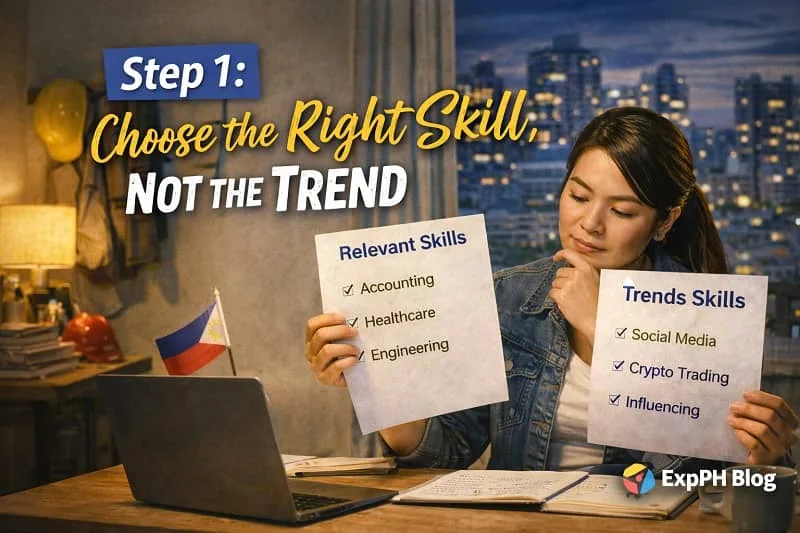
Step 1: Choose the Right Skill, Not the Trend
Many OFWs feel pressured to follow trending skills they see online. This often leads to frustration because the skill does not match their experience or goals. Choosing the right skill requires clarity about your direction, not excitement about what appears popular.
Align With Your Current Job
Start by building on what you already know. Strengthening related skills reduces stress and improves retention. For example:
- Healthcare workers can study patient care systems
- Construction workers can learn project management
- Hospitality staff can improve customer service skills
Skill alignment lowers mental strain because you expand existing knowledge instead of starting from zero.
Align With Your Long Term Plan
Your future plans should guide your learning decisions. Ask yourself:
- Do I want to stay abroad long term?
- Do I plan to return and start a business?
- Do I want to earn remotely?
If remote income is your goal, consider skills such as:
- Virtual assistance
- Bookkeeping
- Digital marketing
- Web development
Strategic skill selection forms the foundation of OFW Upskill Without Burnout.

Step 2: Use the 30 Minute Learning Rule
Many OFWs believe they must study for several hours each day to make real progress. This belief often creates pressure and discouragement. In reality, focused short sessions are more effective than long periods filled with distractions and mental fatigue.
How the 30 Minute Rule Works
The idea is simple and practical. Follow this structure:
- Study for 30 minutes daily
- Remove all distractions
- Focus on one clear topic
- Stop when time ends
Consistency matters more than intensity. Short sessions protect your energy while building steady progress.
When you commit to thirty minutes daily, the results accumulate over time:
- 3.5 hours weekly
- 14 hours monthly
- 168 hours yearly
That level of consistency creates meaningful growth without exhaustion. This method reflects a core principle of OFW Upskill Without Burnout.
Step 3: Learn in Flexible and Self Paced Environments
OFWs often manage shifting schedules, overtime duties, and unexpected changes at work. Fixed class schedules can create additional pressure and missed sessions. Flexible and self paced learning allows you to study when your energy is highest and rest when needed.
Recommended Learning Platforms for OFW Upskill Without Burnout
One practical option is Udemy. It offers thousands of courses across different industries, making it suitable for various career goals. Popular categories include:
- Freelancing
- Digital marketing
- Coding
- Graphic design
- Business and entrepreneurship
- Language learning
The platform supports sustainable learning through features such as:
- Lifetime course access
- Study anytime flexibility
- Replayable video lessons
- Mobile or laptop access
If you want structured and flexible skill training that fits your overseas schedule, you can explore practical online courses directly on Udemy.
Start with short beginner friendly courses before moving to advanced programs. Avoid overloading yourself at the beginning. OFW Upskill Without Burnout focuses on steady progress that you can maintain long term.

Step 4: Protect Your Physical Energy
Learning requires mental clarity, and mental clarity depends on physical health. If your body is constantly exhausted, your ability to absorb and retain information decreases. Protecting your energy is not optional. It is a necessary foundation for effective and sustainable skill development.
Prioritize Sleep
Sleep strengthens memory and improves concentration. Studying late at night while sacrificing rest reduces retention and increases fatigue the next day. Aim for:
- 6 to 8 hours of sleep
- A consistent sleep schedule
- Reduced screen time before bed
Quality sleep supports long term learning success.
Improve Nutrition
Your brain needs proper fuel to function well. Balanced meals improve focus and steady energy levels throughout the day. Include:
- Protein
- Vegetables
- Fruits
- Adequate water intake
Limit excessive caffeine because it may disrupt sleep and increase restlessness.
Light Exercise
Physical activity improves both mood and concentration. Even short sessions can make a difference. For example:
- 20 minutes walking
- Simple stretching routines
- Light bodyweight exercises
Energy management remains central to OFW Upskill Without Burnout because sustainable growth depends on a healthy body and mind.
Step 5: Avoid the Comparison Trap
Social media often highlights impressive achievements and rapid success stories. You may see:
- OFWs earning six figures
- Freelancers working comfortably from home
- Inspirational transformation stories
While these examples can motivate, constant comparison may create pressure and self doubt.
Your journey is personal and shaped by your circumstances. Upskilling is not a competition against others. It is a steady process of improvement based on your current responsibilities and energy level.
Instead of comparing progress, focus on:
- Your timeline
- Your capacity
- Your long term goals
Consistency builds lasting results. Slow and steady growth supports OFW Upskill Without Burnout far better than rushing to match someone else’s pace.

Step 6: Set Micro Goals Instead of Big Pressure Goals
Large goals often create pressure because they feel distant and difficult. When expectations are too high, motivation quickly drops. Breaking goals into smaller tasks builds confidence and makes progress visible. Small actions repeated daily lead to steady improvement.
Instead of setting unrealistic deadlines, compare these approaches:
- Finish the course in one week
- Complete one lesson today
- Study one topic tonight
- Review notes for thirty minutes
Small wins reduce stress and strengthen discipline. Each completed task builds momentum and keeps learning manageable. Micro goals support OFW Upskill Without Burnout by turning long term ambitions into daily achievable steps.
Step 7: Build a Support System
Personal growth becomes easier when you are not alone. Many OFWs try to handle work, responsibilities, and learning by themselves. A strong support system provides encouragement and accountability. Surrounding yourself with people who understand your goals reduces isolation and strengthens commitment.
Join OFW Learning Groups
Online communities create a space where members share experiences and advice. These groups can offer:
- Accountability
- Motivation
- Resource sharing
- Emotional support
Connecting with others facing similar challenges makes learning feel less overwhelming.
Share Goals With Family
Inform your family about your learning plans and long term vision. When they understand your purpose, they are more likely to support your schedule. This reduces guilt and strengthens unity while you pursue OFW Upskill Without Burnout.

Step 8: Combine Upskilling With Income Strategy
Upskilling becomes more meaningful when it connects directly to financial opportunity. Learning without a clear outcome can reduce motivation over time. When you link new skills to possible income growth, your effort gains direction and purpose.
Consider practical examples such as:
- Learning bookkeeping for freelance clients
- Studying digital marketing to manage online businesses
- Improving English fluency for higher paying roles
- Gaining technical skills for remote work
Seeing how knowledge translates into opportunity strengthens commitment. Clear financial goals reduce frustration and support steady progress. Purpose driven learning helps sustain OFW Upskill Without Burnout by aligning effort with real world benefits.
Common Mistakes That Lead to Burnout
Recognizing common mistakes helps you protect your energy and stay consistent. Many OFWs start with strong motivation but lose momentum because their approach creates unnecessary pressure. Avoiding these patterns allows you to continue improving without sacrificing health or work performance.
Studying After Extremely Long Shifts
After a 12 hour shift your mind and body need recovery. Forcing yourself to study while exhausted reduces focus and retention. Schedule learning sessions on lighter workdays or during rest periods to maintain quality study time.
Taking Multiple Courses at Once
Enrolling in several courses may seem productive but often leads to overload. Divided attention weakens understanding and increases stress. Concentrate on one skill at a time and complete it before moving forward.
Unrealistic Expectations
Expecting instant income or rapid mastery creates frustration. Skill development requires repetition and application. Progress may feel slow at first but steady practice builds real competence over time.
Ignoring Mental Health
Homesickness and emotional stress are common among OFWs. Ignoring these feelings can drain motivation and focus. When overwhelmed, pause your studies briefly and reset. Protecting your mental health supports long term growth.
OFW Upskill Without Burnout allows room for rest.

Creating a Simple Weekly Upskill Plan
A structured schedule helps you stay consistent without feeling overwhelmed. Planning your week in advance reduces decision fatigue and protects your rest days. The goal is steady progress while maintaining energy for work and family responsibilities.
Here is a practical weekly plan for a busy OFW:
- Monday: 30 minutes lesson review
- Tuesday: Full rest
- Wednesday: 30 minutes new lesson
- Thursday: Light exercise and prioritize sleep
- Friday: 30 minutes skill practice
- Saturday: Review and note taking
- Sunday: Family time and complete rest
This balanced routine supports progress while preventing overload and burnout.
Preparing for Long Term Career Security
Upskilling should strengthen your future, not only improve your current position. Long term career security requires planning beyond short term income goals. Choosing skills with lasting value helps you remain competitive whether you continue working abroad or decide to return home.
When planning your development path, consider:
- Certifications recognized internationally
- Skills usable in multiple countries
- Remote work compatibility
- Business skills for future entrepreneurship
These factors increase flexibility and reduce dependence on a single employer or location. OFW Upskill Without Burnout supports long term stability by focusing on sustainable growth that protects your health while expanding career opportunities. Upskilling is not just about surviving abroad. It is about preparing for financial independence.
Mental Resilience for Continuous Growth
Long term growth depends on mental strength as much as technical skill. Working abroad while studying can test your patience and confidence. Developing emotional stability helps you stay focused during difficult seasons and maintain motivation even when progress feels slow.
To strengthen resilience practice simple daily habits such as:
- Gratitude reflection
- Prayer or meditation
- Positive self talk
- Journaling your progress
These habits improve perspective and reduce stress. Celebrate small achievements because each step forward matters. You are not only earning income. You are building a stronger and more secure future for yourself and your family.
When to Slow Down
Growth requires effort, but it also requires recovery. There are seasons for learning and seasons for rest. Ignoring your limits can damage your health and reduce productivity. Recognizing when to pause helps protect both your career and personal well being.
Slow down if you notice signs such as:
- Constant exhaustion
- Declining work performance
- Irritability or emotional drain
- Difficulty concentrating
Rest is not a sign of weakness. It is a strategic decision that allows your body and mind to recover. OFW Upskill Without Burnout respects human limits and encourages sustainable progress over forced productivity.
Final Thoughts on OFW Upskill Without Burnout
Choosing to work abroad already requires courage and sacrifice. Deciding to improve your skills while carrying those responsibilities shows strong commitment to your future. Personal development is powerful, but it must be approached with balance and awareness.
Growth should never come at the cost of your health. Keep these principles in mind:
- Choose skills aligned with your goals
- Study in short focused sessions
- Use flexible learning platforms
- Protect your physical and mental energy
- Avoid unhealthy comparison
- Set realistic micro goals
- Rest when needed
OFW Upskill Without Burnout promotes smart and steady progress rather than extreme effort. Your journey is not about rushing toward quick results. It is about building something stable, sustainable, and meaningful for you and your family. Keep moving forward with wisdom and patience.
Uncover more helpful posts in the list below.
- Debt Management Strategies That Actually Work
- How OFWs Can Evaluate If It Is Time to Change Jobs
- Online Platforms OFWs Can Use to Explore Better Jobs
- Discipline-Building Habits That Improve Financial Stability
- Income Diversification Ideas That Do Not Require Big Capital
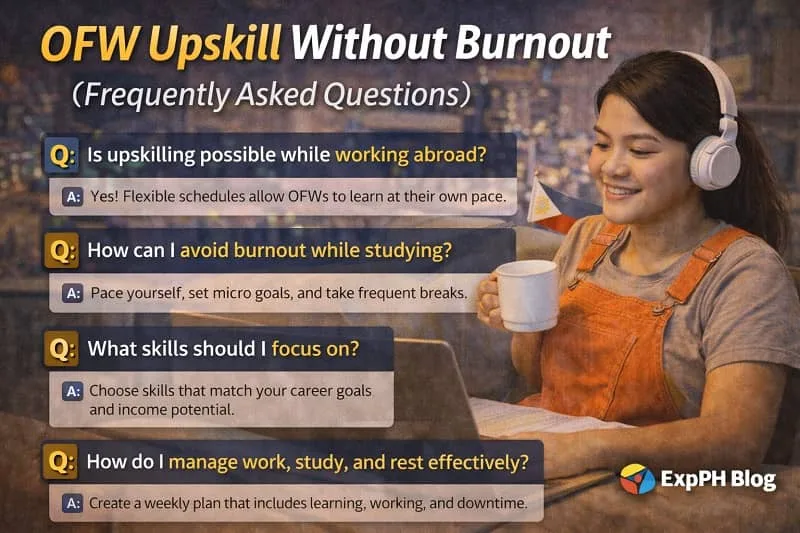
Frequently Asked Questions
1. Why is upskilling important for OFWs?
Upskilling helps OFWs increase income potential, secure promotions, prepare for career transitions, and build long term stability for themselves and their families.
2. How can OFWs upskill without experiencing burnout?
OFWs can avoid burnout by studying in short sessions, choosing flexible courses, setting realistic goals, prioritizing sleep, and balancing work, learning, and rest properly.
3. What skills are best for OFWs to learn?
The best skills depend on goals, but digital marketing, bookkeeping, virtual assistance, language proficiency, and project management are practical and globally valuable options.
4. How much time should OFWs dedicate to learning weekly?
OFWs can start with thirty minutes daily, totaling around three to four hours weekly, which allows consistent progress without overwhelming their schedule.
5. Are online courses effective for busy OFWs?
Yes, online courses are effective because they offer flexible schedules, self paced lessons, and mobile access, making learning manageable alongside demanding overseas work.
6. How can OFWs stay motivated while studying abroad?
Staying motivated requires clear goals, tracking small achievements, connecting skills to income potential, and remembering the long term benefits for family and future security.
7. What are signs of burnout while upskilling?
Common signs include constant fatigue, lack of focus, irritability, reduced job performance, sleep problems, and feeling emotionally drained despite ongoing effort.
8. Can OFWs balance work, family, and upskilling successfully?
Yes, with structured schedules, open communication with family, realistic expectations, and disciplined time management, OFWs can maintain balance without sacrificing health.
9. Should OFWs take multiple courses at once?
It is better to focus on one course at a time to improve retention, reduce stress, and prevent unnecessary pressure from multitasking.
10. How can upskilling improve long term financial security?
Upskilling increases employability, opens remote income opportunities, strengthens professional credentials, and builds confidence to pursue higher paying roles or entrepreneurial ventures.
Learning Hub Quiz
Test your understanding of How OFWs Can Upskill Without Burning Out and see how ready you are to grow without burnout.
Results


#1. What is the main goal of OFW Upskill Without Burnout?
#2. How long is the recommended daily study time?
#3. What should OFWs prioritize to avoid burnout?
#4. Which learning style suits busy OFWs best?
#5. What is a smart way to set goals?
#6. Why is skill alignment important?
#7. What is a common burnout sign?
#8. How many courses should OFWs take at once?
#9. Why connect skills to income goals?
#10. What supports long term career security?
We appreciate you taking the time to improve yourself.
Your journey matters, and every small step counts. If this quiz helped you, share your score and comment your upskilling experience with us on ExpPH Blog. We would love to hear your story.

A Filipino web developer with a background in Computer Engineering. Founder of ExpPH Blog and ExpPH Business Guide, creating practical content on OFW guidance, business, finance, freelancing, travel, and lifestyle. Passionate about helping Filipinos grow, he shares insights that educate, empower, and inspire readers nationwide.