

How OFWs Can Control Spending Despite Rising Living Costs
Rising living costs have become one of the biggest challenges for Overseas Filipino Workers today. From higher rent and utilities abroad to increased prices of basic goods back home, many OFWs feel that their hard-earned income no longer stretches as far as it used to. Even with stable employment, it can feel frustrating when savings grow slower and monthly budgets feel tighter.
This is where practical OFW Budgeting Tips become essential. Budgeting is no longer just about tracking expenses. It is about making smarter financial decisions, protecting your income, and adjusting habits so you can stay financially stable despite economic pressures.
This guide is written specifically for OFWs who want real, actionable advice. Whether you are supporting a family in the Philippines, saving for a business, or planning your return home, this article will help you regain control of your spending in a realistic and sustainable way.
Understanding Why Living Costs Are Rising for OFWs
Before applying budgeting strategies, it is important to understand why expenses keep increasing. When you know the root causes, you can plan more effectively instead of reacting emotionally.
Inflation and Global Price Increases
Inflation affects almost every country, especially those heavily dependent on imports and energy. Food prices, fuel, rent, and transportation costs have risen worldwide. According to the World Bank, global inflation has affected both developed and developing economies, making basic necessities more expensive for workers abroad and families back home.
You can review inflation trends and global economic updates directly from the World Bank website for official data and policy context: https://www.worldbank.org
For OFWs, inflation has a double impact. You pay higher living expenses abroad while also sending remittances to families who face rising prices in the Philippines.
Exchange Rate Fluctuations
A strong peso or an unstable foreign currency can reduce the actual value of your remittance. Even if your salary stays the same, unfavorable exchange rates mean your money buys less at home. This makes budgeting more challenging and requires careful planning.
Lifestyle Inflation Among OFWs
As income increases, spending often increases as well. Many OFWs unintentionally upgrade their lifestyle by moving to more expensive housing, eating out frequently, or purchasing non-essential items. Without strict budgeting habits, rising costs combined with lifestyle inflation can quickly eat into savings.
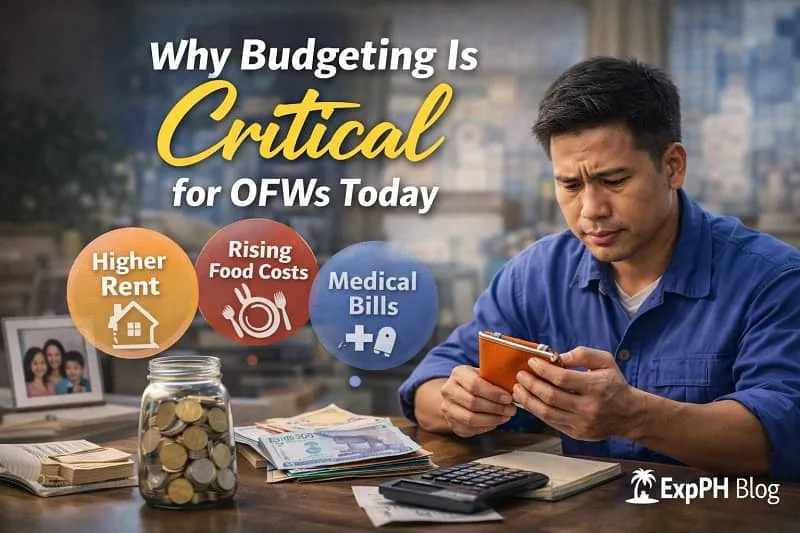
Why Budgeting Is Critical for OFWs Today
Budgeting is no longer optional for Overseas Filipino Workers. It is a practical survival skill in a high-cost global environment. With prices rising across housing, food, and transport, budgeting helps OFWs stay in control of income, avoid debt, and protect long-term financial stability despite constant economic pressure.
Budgeting Protects Your Remittance Goals
Most OFWs work abroad with clear goals like supporting family, paying debts, saving for a home, or building a business. Without a clear budget, these goals become harder to reach. Effective OFW Budgeting Tips ensure money is directed toward priorities instead of being lost to unplanned and emotional spending.
Budgeting Reduces Stress and Financial Anxiety
Financial stress can affect focus, sleep, and overall well-being. When expenses feel unpredictable, anxiety increases. A clear budget provides structure and confidence. While inflation cannot be controlled, spending decisions can. Budgeting helps OFWs respond calmly, plan ahead, and feel more secure about their financial future.
Core OFW Budgeting Tips to Control Spending Effectively
This section highlights practical and proven strategies that Overseas Filipino Workers can apply in real life. These OFW Budgeting Tips work across different countries and income levels, helping OFWs manage rising costs, build discipline, and maintain financial stability through consistent and intentional money habits.
Track Every Expense Without Exception
The foundation of budgeting is awareness. You cannot control expenses you do not track. Start by writing down all spending, no matter how small. This habit reveals hidden leaks and helps OFWs understand where money actually goes each month.
Common expenses to track include:
- Rent or accommodation
- Utilities and internet
- Food and groceries
- Transportation
- Personal spending
- Subscriptions
- Remittances
Use a notebook, spreadsheet, or budgeting app and track daily for at least one month. Many OFWs are surprised by how quickly small and frequent expenses add up.
Separate Needs From Wants Clearly
One of the most effective OFW Budgeting Tips is learning to separate needs from wants. This clarity prevents overspending and helps prioritize essential expenses, especially during times of rising living costs.
Needs usually include:
- Housing
- Basic food
- Transportation to work
- Essential communication
Wants often include:
- Frequent dining out
- Upgraded gadgets
- Luxury items
- Unplanned shopping
Wants do not need to be eliminated completely. The goal is balanced and conscious spending that supports long-term financial goals.
Set Fixed Monthly Limits Per Category
Instead of guessing how much to spend, assign clear limits to each budget category. Fixed limits create structure and reduce emotional spending, especially during stressful months.
Example limits include:
- Food: fixed weekly budget
- Entertainment: capped monthly amount
- Personal shopping: controlled allowance
Once the limit is reached, stop spending in that category until the next cycle. This approach builds discipline and protects savings without feeling overly restrictive.
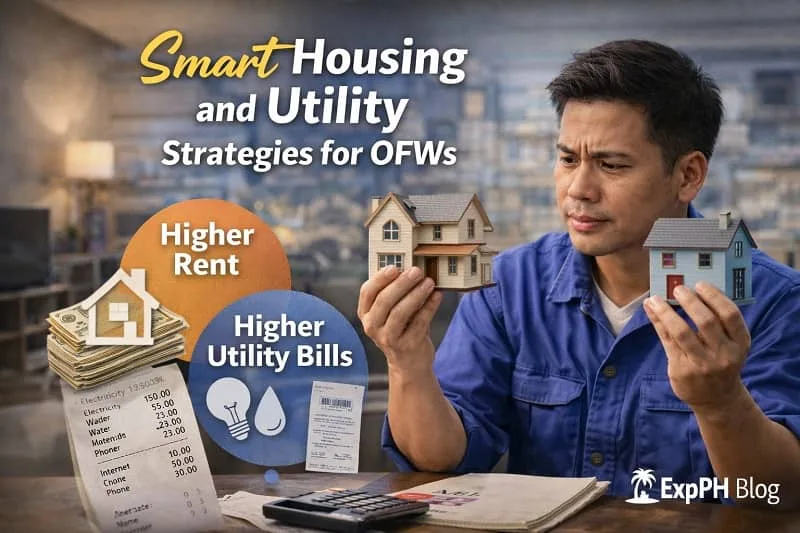
Smart Housing and Utility Strategies for OFWs
Housing and utilities often take the largest share of an OFW budget. Even small adjustments in where you live and how you use services can lead to meaningful savings. Smart choices in this area help control spending without lowering comfort or affecting daily productivity.
Choose Housing Based on Function, Not Status
Selecting housing based on function helps OFWs manage costs more effectively. Living closer to work can reduce transport expenses and save time. A modest space that meets daily needs is often better than a larger place that strains your budget.
Ask yourself:
- Does this location reduce commute expenses?
- Is the rent reasonable for my income level?
- Am I paying for space I do not really need?
Reduce Utility and Subscription Costs
Utilities and subscriptions can quietly increase monthly expenses. Many OFWs continue paying for services they rarely use. Regular reviews help identify what can be reduced or removed without affecting daily life.
Review and adjust:
- Streaming services
- Mobile plans
- Internet packages
Downgrade or cancel unused services. Simple habits like turning off unused appliances and monitoring electricity use also help lower monthly bills consistently.
Managing Food Expenses Without Sacrificing Health
Food is a daily expense and one of the easiest areas to overspend for OFWs. Without planning, small food purchases quickly add up. Managing food costs wisely helps control spending while maintaining proper nutrition and energy needed for demanding overseas work schedules.
Cook More, Eat Out Less
Cooking meals at home is usually cheaper and healthier than eating out frequently. Preparing food in batches saves time during busy workdays and reduces daily expenses. OFWs who cook regularly often see noticeable monthly savings while improving their overall eating habits.
Plan Weekly Meals and Grocery Lists
Planning meals in advance helps OFWs avoid impulse grocery purchases. Creating a weekly menu and sticking to a shopping list keeps food spending predictable. This habit supports practical OFW Budgeting Tips and reduces waste, ensuring groceries are fully used and money is not wasted.

Controlling Remittances Without Guilt
Many OFWs find it difficult to say no when family members request extra financial support. While helping loved ones matters, sending money without limits can weaken long-term security. Clear remittance planning allows OFWs to support families responsibly while protecting savings and future goals.
Set Clear Remittance Amounts and Schedules
Setting a fixed remittance amount and schedule creates stability for both OFWs and their families. Clear communication helps relatives plan monthly expenses and reduces unexpected requests. This approach removes pressure and allows OFWs to manage income with confidence and consistency.
Encourage Financial Awareness at Home
Teaching family members about budgeting and rising living costs builds shared responsibility. When families understand income limits and expenses, expectations become more realistic. Financial awareness encourages cooperation and support, making it easier for OFWs to stay disciplined and focused on long-term plans.
Building Emergency and Protection Funds
Rising living costs make emergency and protection funds essential for OFWs. Unexpected events like job loss or medical needs can happen anytime. Having dedicated savings provides stability, reduces stress, and prevents reliance on loans when income is interrupted or expenses suddenly increase.
Create an Emergency Fund First
OFWs should aim to save at least three to six months of living expenses. This fund acts as a financial safety net during job loss, illness, or urgent travel. Building it early protects long-term goals and provides peace of mind.
Do Not Mix Emergency Funds With Daily Spending
Emergency savings should be kept separate from daily accounts. This separation reduces temptation and prevents casual withdrawals. When funds are clearly labeled and untouched, OFWs are more likely to preserve them for true emergencies only.

Increasing Income as a Long-Term Budgeting Strategy
Sometimes controlling expenses is not enough for OFWs facing rising living costs. Increasing income creates breathing room and reduces financial pressure. A higher earning capacity makes budgeting easier, supports savings goals, and provides flexibility when expenses increase unexpectedly in a high-cost environment.
Invest in Skills Instead of Lifestyle Upgrades
One of the most effective OFW Budgeting Tips is choosing skill development over lifestyle upgrades. Learning skills in freelancing, remote work, digital services, or management can increase earning potential. These skills open new income opportunities without requiring an immediate job change.
Learn New Skills Through Affordable Online Courses
Upskilling does not have to be expensive or time-consuming. There are platforms that offer flexible learning designed for working professionals.
If you are looking for practical courses on freelancing, digital skills, career growth, or business fundamentals, you can explore affordable online learning options through Udemy. Many OFWs use structured online courses to improve skills during rest days or free hours, which can lead to better-paying opportunities or side income over time.
This approach supports long-term financial stability rather than short-term spending cuts.
Avoiding Common Budgeting Mistakes OFWs Make
Even with strong intentions, certain habits can weaken budgeting efforts. Many OFWs struggle not because of low income but due to unnoticed mistakes. Recognizing these issues early helps maintain control, protect savings, and improve long-term financial stability abroad.
Relying Only on Mental Budgeting
Mental budgeting often leads to inaccurate spending estimates. Without written or digital tracking, expenses are easy to forget. Recording every cost creates visibility and accountability, helping OFWs stay disciplined and make informed decisions about where their money truly goes.
Ignoring Small Daily Expenses
Small daily purchases like coffee or snacks may seem harmless but add up quickly. Over time, these expenses can consume a large portion of monthly income. Tracking small costs helps OFWs identify spending leaks and make better daily choices.
Delaying Budget Reviews
Budgets should be reviewed regularly because expenses and income change. Waiting too long to adjust leads to overspending. Reviewing budgets monthly allows OFWs to stay flexible, respond to rising costs, and keep financial plans realistic and effective.
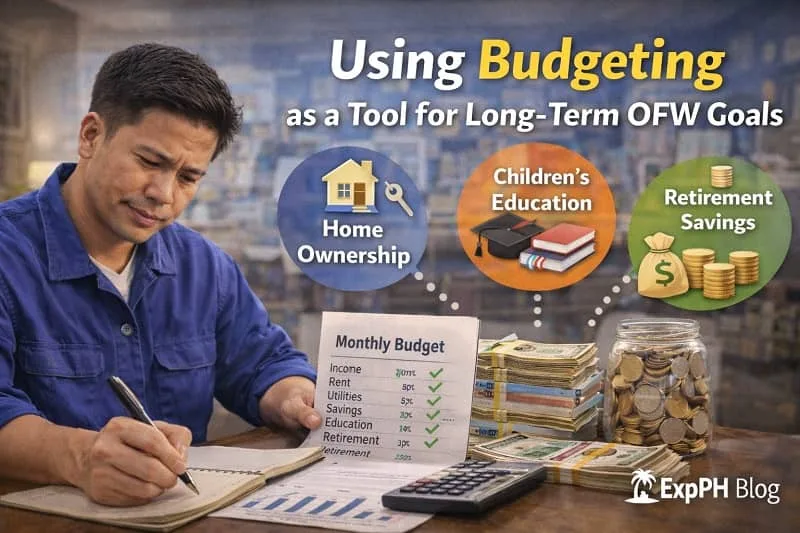
Using Budgeting as a Tool for Long-Term OFW Goals
Budgeting should feel like guidance rather than restriction. It gives OFWs direction and purpose for every peso earned. A clear budget helps connect daily spending decisions to long-term goals, making financial progress more intentional and easier to sustain over time.
Align Budget With Return Plans
OFWs planning to return to the Philippines should adjust their budgets early. Prioritizing savings, investments, or business capital builds a stronger foundation. Every peso saved today supports future independence, reduces financial pressure, and helps make the transition home smoother and more secure.
Budgeting as a Form of Self-Respect
Controlling spending is not about denying yourself enjoyment. It reflects respect for your hard work and sacrifices abroad. Budgeting honors your time and effort by ensuring income is used wisely to build stability, security, and a better future for you and your family.
Final Thoughts on OFW Budgeting Tips in a High-Cost World
Rising living costs are a reality that Overseas Filipino Workers must face, but financial stress does not have to define the journey. With the right mindset and practical tools, OFWs can control spending, protect remittances, and maintain stability. Budgeting provides structure in uncertain times and helps transform income into long-term security, even when prices continue to rise globally.
These OFW Budgeting Tips are not about being perfect with money. They focus on consistency, awareness, and intentional decisions made over time. Small changes practiced daily can lead to meaningful progress. As an OFW, your sacrifices deserve results. Smart budgeting ensures your hard work builds savings, supports loved ones responsibly, and creates lasting peace of mind regardless of economic conditions.
Explore these related guides to strengthen your budgeting habits and long-term OFW financial planning.
- How OFWs Can Avoid Lifestyle Inflation Overseas
- Daily Expenses OFWs Often Underestimate Abroad
- How OFWs Can Build a Stable Financial Routine Abroad
- Simple Financial Systems Small Businesses Should Set Up Early
- How to Build a Strong Financial Foundation Using OFW Income in 2026
FAQs About OFW Budgeting Tips
What are the best ways OFWs can control spending despite rising living costs?
OFWs can budget effectively by tracking expenses, setting clear limits, prioritizing essentials, reducing impulse spending, and reviewing finances monthly to adjust for rising living costs.
Why are rising living costs a challenge for OFWs?
Rising living costs affect OFWs through higher rent, food, transport, utilities, and exchange rate changes, making remittances less powerful and requiring smarter spending decisions overall.
How does tracking expenses help OFWs manage their budget?
Tracking expenses helps OFWs identify spending leaks, understand habits, control cash flow, plan remittances better, and make informed budgeting adjustments despite inflation and rising costs.
How can OFWs reduce food expenses while living abroad?
OFWs can reduce food costs by cooking at home, planning meals weekly, buying groceries wisely, limiting eating out, and avoiding impulse food purchases whenever possible.
Why is setting remittance limits important for OFWs?
Setting remittance limits protects OFWs by preventing overspending, encouraging family budgeting, maintaining savings goals, and reducing financial stress caused by frequent emergency requests from relatives.
Why should OFWs build an emergency fund?
An emergency fund gives OFWs financial security during job loss, illness, or unexpected expenses, preventing debt and protecting long term financial stability for overseas workers.
Can OFWs increase income to cope with rising living costs?
Yes, OFWs can increase income by learning new skills, freelancing online, pursuing promotions, or starting small side projects while maintaining budget discipline consistently and responsibly.
What common budgeting mistakes should OFWs avoid?
Common budgeting mistakes include ignoring small expenses, lifestyle inflation, lack of tracking, emotional spending, and failing to review budgets regularly despite changing living costs worldwide.
How often should OFWs review their budget?
OFWs should review budgets monthly or whenever income or expenses change, ensuring spending plans stay realistic, flexible, and aligned with financial goals amid rising costs.
How does budgeting support long term goals for OFWs?
Budgeting helps OFWs achieve long term goals by controlling spending, growing savings, reducing stress, supporting families sustainably, and preparing for return plans with confidence overseas.
Test your knowledge on how OFWs can control spending despite rising living costs.
Results


#1. Why is budgeting important for OFWs today?
#2. What should OFWs track first when budgeting?
#3. Which expense usually takes the biggest budget share?
#4. What habit helps reduce food expenses abroad?
#5. Why should OFWs set remittance limits?
#6. What fund should OFWs build first?
#7. What causes lifestyle inflation among OFWs?
#8. How often should OFWs review budgets?
#9. What is a smart way to handle rising costs?
#10. What mindset supports long-term OFW budgeting success?
We appreciate you taking time to invest in your financial knowledge.
Share your experience or budgeting challenges in the comments below.

A Filipino web developer with a background in Computer Engineering. Founder of ExpPH Blog and ExpPH Business Guide, creating practical content on OFW guidance, business, finance, freelancing, travel, and lifestyle. Passionate about helping Filipinos grow, he shares insights that educate, empower, and inspire readers nationwide.



Pingback: 7 Smart Ways to Build an OFW Emergency Fund Overseas in 2026
Pingback: 7 Proven Ways to Master OFW Work-Life Balance Abroad in 2026
Pingback: 7 Healthy Routines for OFWs Working Long Hours Overseas Now!