

Real Story of Bata Bata Paano Ka Ginawa and Motherhood

Introduction
Bata Bata Paano Ka Ginawa is one of the most iconic Filipino films ever created. It explores the emotional, cultural, and personal experiences that come with raising children in a society filled with expectations. At the heart of this story is motherhood, a journey that shapes women, challenges their strength, and transforms their identity.
This film remains a powerful reminder that motherhood is never simple, yet it is one of the most meaningful roles a woman can have. The movie brings its audience into the daily struggles that many Filipino mothers face, from balancing work and family to fighting for their children’s well being. It also shows how motherhood becomes a source of purpose, pride, and emotional resilience, no matter how difficult life becomes.
This 4000 word article will explore the real story behind the movie, the symbolism embedded in its narrative, and the deeper meaning of motherhood as portrayed by the characters. Designed for the Entertainment category of ExpPH Blog, this guide will give readers a complete understanding of how the movie reflects real Filipino experiences and why it continues to inspire viewers today. The film remains a cultural landmark because it opens honest conversations about motherhood, modern parenting dynamics, and the real challenges that women experience while trying to live a fulfilling life.
The Background and Real Story Behind the Film
The Original Source Material and Its Meaning
Bata Bata Paano Ka Ginawa is based on the novel by Lualhati Bautista, a celebrated Filipino author known for writing stories that capture the inner lives of women. The novel deeply examines motherhood, identity, and the roles that society assigns to women. It became a cultural milestone because it dared to address topics that were often ignored.
The book and film show that motherhood is not only about raising children. It is also about rediscovering personal dreams, managing relationships, and understanding one’s worth. Bautista’s writing style allowed readers to feel the emotional depth of a woman who confronts painful truths about love, family, and her place in the world. Her portrayal of motherhood stood out because it combined reality, warmth, and strength in a single narrative.
Why Lualhati Bautista Focused on Motherhood
Lualhati Bautista wanted to highlight everyday Filipino mothers who juggle work, relationships, and responsibilities. She believed that motherhood deserved deeper representation in Philippine literature and cinema. Instead of presenting a perfect mother, she created a realistic one. This honest depiction allowed readers and viewers to see their own struggles reflected in the story.
The author wanted people to understand that motherhood is not measured by perfection, but by genuine effort, love, and sacrifice. She aimed to show how Filipino mothers survive emotional storms while still providing strength to their children. Through Lea Bustamante, Bautista emphasized that motherhood is lived in small victories, quiet sacrifices, and brave moments that often go unnoticed.
The Story of Lea Bustamante and Her Journey as a Mother
A Mother Who Breaks Stereotypes
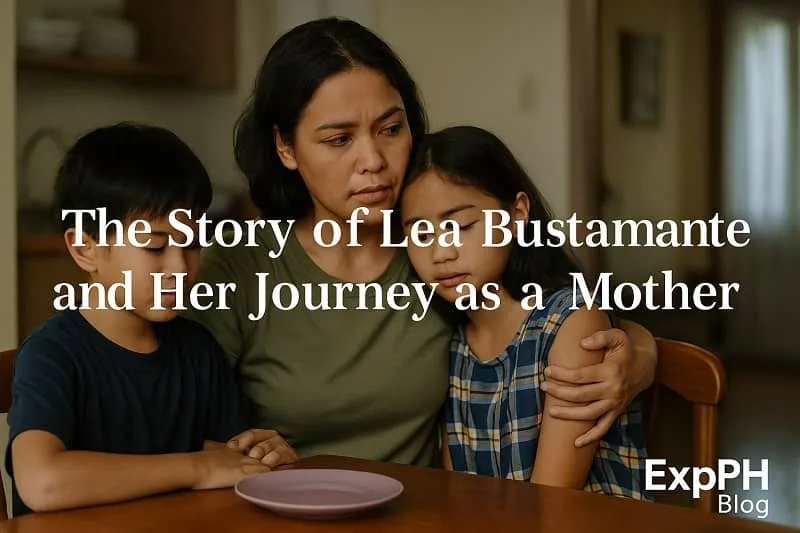
The protagonist, Lea Bustamante, is a working mother who tries to balance her job, personal life, and her responsibilities as a parent. Her experience shows that motherhood can be both empowering and overwhelming. Lea is fearless when it comes to her children. She is also fierce when defending their rights. She is not the traditional image of a mother who stays silent.
Instead, she questions society’s expectations and stands up for herself. Lea represents thousands of Filipino mothers who carry heavy burdens but continue to rise above them. Her fight for fairness in her children’s lives reveals how motherhood can awaken courage, persistence, and a strong desire for justice.
Lea’s character challenged the belief that mothers must be perfect caretakers without emotions of their own. She showed that motherhood is also about becoming strong, making mistakes, and growing along with one’s children. Through her story, viewers see that mothers experience their own fears, frustrations, and doubts, yet they continue because their love for their children fuels their determination. Lea teaches the audience that motherhood involves continuous learning and personal evolution.
How Her Relationships Influence Her Motherhood
Lea’s relationships with her two children’s fathers also reveal different sides of her journey. These men represent different challenges, emotional histories, and lessons. Through these relationships, the film shows how motherhood does not always happen within ideal conditions. Some mothers raise children with limited support, while others succeed even when life becomes unstable.
Lea’s story reminds viewers that motherhood is shaped by choices, experiences, and personal strength. Even when the people around her fail to meet expectations, she finds ways to push forward and protect her family. Her relationships teach her patience, understanding, and emotional maturity, all of which contribute to her growth as a mother.
Motherhood in Filipino Culture
Expectations Placed on Filipino Mothers
In the Philippines, motherhood is often seen as a duty that defines a woman’s value. Many mothers are expected to be caregivers first, even if they have dreams of their own. This cultural belief makes motherhood even more complex. The movie portrays these expectations clearly. Lea is criticized for being outspoken. She is judged for having children with different partners. She faces unfair assumptions that she is irresponsible simply because she refuses to fit the traditional mold. These scenes highlight how society tends to pressure mothers into behaving a certain way, even if that way does not align with their personal truth.
Despite these challenges, Lea stays committed to her children. She proves that motherhood is not about fitting into society’s image. It is about fulfilling your role with integrity and love, regardless of what people say. The film encourages the audience to rethink harmful cultural norms and become more compassionate toward mothers who live outside traditional expectations.
The Strength and Sacrifice of Filipino Mothers
Filipino mothers are known for their resilience. Many work multiple jobs, care for extended family members, and manage household responsibilities without rest. The film pays tribute to this strength. It also emphasizes that mothers deserve respect and understanding. Lea’s character reflects the sacrifices that countless women make every day. Her struggles highlight how motherhood requires emotional courage, financial effort, and physical strength. The movie also honors the countless unseen moments in a mother’s life, such as staying up late to help with schoolwork or swallowing personal frustration to keep the family together.
Themes of Motherhood Shown in the Movie
Love and Protection
One of the most powerful themes in the film is a mother’s instinct to protect her children. Lea fights for their rights, supports their growth, and ensures they feel loved. Her actions show that motherhood is built on unconditional love. Even when life becomes complicated, the bond between mother and child remains strong. The film highlights how mothers often place themselves last, prioritizing their children’s needs above their own. This protective love becomes the emotional backbone of the story.
Identity and Independence
The film also explores how motherhood affects a woman’s sense of identity. Lea is more than a mother. She is a worker, a friend, a partner, and a woman with dreams. By showing these multiple identities, the movie teaches viewers that motherhood can coexist with personal goals. Mothers do not lose themselves. They grow into stronger versions of who they want to be. Lea’s journey proves that motherhood should not limit a woman’s individuality. Instead, it can motivate her to pursue a better future.
Judgment and Social Pressure
Another important theme is how society often judges mothers unfairly. Lea experiences criticism for being different. She faces pressure to conform even when she knows she is already doing her best. The movie reveals how societal expectations can make motherhood twice as difficult. This encourages viewers to become more understanding of the struggles mothers face daily. It also reminds people to avoid judging mothers based on appearances and instead acknowledge their unseen battles.
Why the Story Remains Relevant Today
The Reality of Modern Motherhood
Even many years after the movie was released, the message still resonates with Filipinos. Today’s mothers face similar challenges. Many juggle work, family, and self care. Many raise children alone. Many fight to protect their children from harsh realities. This proves that motherhood remains one of the most challenging yet fulfilling roles of all time. The film continues to speak to mothers from different backgrounds because its message is timeless and universal.
The Film as a Reflection of Real Filipino Experiences
The movie reflects true stories of Filipino families. It shows daily struggles, personal victories, and emotional growth. It describes motherhood in a way that feels honest and relatable. This makes the film timeless. It continues to inspire new generations and opens important conversations about parenting, equality, and women’s rights. Its impact proves that storytelling can be a powerful tool for understanding social realities.
Lessons About Motherhood from Bata Bata Paano Ka Ginawa
Mothers Should Be Respected
The story teaches viewers that mothers deserve appreciation and kindness. Their sacrifices go unnoticed at times, but they continue because of love. This lesson is essential in a culture where motherhood is often taken for granted. The film encourages families to value mothers and support their well being.
Mothers Are Not Perfect but They Are Strong
Lea’s character shows that mistakes do not make someone a bad parent. They make someone human. The film reminds us that strength comes from learning, adjusting, and trying again. This is the essence of motherhood, a continuous journey of growth. Lea proves that motherhood is not a straight path. It is full of challenges that shape a woman’s strength.
Children Shape Their Mothers Too
Motherhood is not a one way relationship. Children influence their mothers in many ways. They teach patience, compassion, and unconditional love. Lea becomes a better person because of her children. This cycle of growth is beautifully shown in the movie. It highlights how motherhood is a shared process of understanding, learning, and emotional development.
Entertainment Value and Cultural Impact
Why the Film Became a Classic
The movie became a Filipino classic because it told the truth. Instead of glamorizing motherhood, it showed its struggles and rewards. It resonated with viewers because it felt real. The honesty of the story, combined with strong performances, made it unforgettable. Its emotional appeal and cultural relevance turned it into a timeless piece of Philippine entertainment.
How the Film Influenced Filipino Media
The success of Bata Bata Paano Ka Ginawa opened doors for more stories centered on women. It inspired filmmakers to explore motherhood, identity, and family from deeper perspectives. It also encouraged discussions about women’s rights and independent parenting. The film influenced a new generation of storytellers who create narratives grounded in truth and emotional authenticity.
Conclusion
Bata Bata Paano Ka Ginawa is more than a film. It is a meaningful reminder of the reality of motherhood in the Philippines. The story of Lea Bustamante captures the courage, love, and strength that mothers carry every day. It teaches viewers to respect mothers, understand their struggles, and appreciate their sacrifices.
Motherhood is not about perfection. It is about commitment, compassion, and resilience. The movie celebrates these qualities beautifully, making it a timeless piece of Filipino cinema. It remains relevant because its lessons reflect the truth. Mothers continue to shape families and communities through their love and dedication.
For readers of ExpPH Blog, this story is a powerful reminder that motherhood is a journey that deserves recognition, understanding, and endless respect.
Look at the additional resources right below.
- Quezon’s Game and Filipino Compassion in the Holocaust
- The Best Filipino Films on Netflix Right Now
- The Inspiring Story Behind Heneral Luna
- The Return of Pinoy Variety Show
- Real Lessons from Goyo
For official resources, please refer to the link below.
- National Commission for Culture and the Arts (NCCA)
- Philippine Commission on Women (PCW)
- Komisyon sa Wikang Filipino (KWF)

FAQs About Bata Bata Paano Ka Ginawa and Motherhood.
What is the main message of Bata Bata Paano Ka Ginawa?
The main message of the film is that motherhood is complex, meaningful, and filled with emotional challenges. It highlights the strength of Filipino mothers and the importance of understanding their struggles.
Is the story of Lea Bustamante based on real events?
The character is fictional, but her experiences reflect real stories of Filipino mothers. The film and novel draw inspiration from everyday challenges women face in relationships, work, and parenting.
Why is motherhood the central theme of the movie?
Motherhood is the heart of the film because it shows how a woman’s identity evolves as she cares for her children. It also reflects cultural expectations, emotional sacrifices, and the strength mothers develop over time.
What makes Lea Bustamante different from traditional mother characters?
Lea is portrayed as realistic and outspoken. She is strong, flawed, loving, and brave enough to question society’s expectations. Her character breaks stereotypes and represents modern motherhood.
How does the film portray Filipino cultural norms?
The movie shows how society expects women to follow strict roles, especially mothers. It highlights issues like judgment, pressure, and unfair assumptions placed on women who do not fit traditional standards.
Why is the story still relevant today?
The film remains relevant because modern mothers continue to face the same struggles shown in the story. Balancing work, relationships, and parenting is still challenging for many Filipino families.
What lessons about motherhood can viewers learn from the movie?
Viewers learn the importance of respecting mothers, understanding their sacrifices, and supporting their emotional well being. It also teaches that motherhood is not about perfection, but about love and commitment.
How does the movie address the issue of single or independent parenting?
The film shows that mothers can raise children successfully even without complete support from partners. Lea’s journey reflects the reality of many women who navigate motherhood on their own.
What impact did the film have on Filipino cinema?
The movie inspired more stories centered on women, motherhood, and family dynamics. It encouraged filmmakers to explore deeper themes and portray more realistic characters.
Who should watch Bata Bata Paano Ka Ginawa?
The film is ideal for parents, young adults, students, and anyone who wants to understand the truth behind motherhood. It is also helpful for those studying Filipino culture, women’s roles, and emotional storytelling.
Test your knowledge about the Real Story of Bata Bata Paano Ka Ginawa and Motherhood.
This quick quiz will check what you learned from the article and help you understand the deeper meaning of motherhood in Filipino culture. Enjoy and see how many answers you can get right.
Results


#1. What is the main theme of the story?
#2. Who is the main character?
#3. What role does Lea balance?
#4. What does the film highlight?
#5. What inspires Lea’s strength?
#6. What makes Lea unique?
#7. What cultural issue is shown?
#8. What does the story reflect?
#9. What value does the movie teach?
#10. Why is the film timeless?
Want to learn more and improve your knowledge through fun and educational quizzes like this?
Visit the ExpPH Blog Learning Hub for more guides, lessons, and interactive content designed to help you grow every day.
Please comment your quiz score and your experience with us on the website. We love hearing from you, buddy.

A Filipino web developer with a background in Computer Engineering. Founder of ExpPH Blog and ExpPH Business Guide, creating practical content on OFW guidance, business, finance, freelancing, travel, and lifestyle. Passionate about helping Filipinos grow, he shares insights that educate, empower, and inspire readers nationwide.


Pingback: Dekada 70 Real Story and the Courage of a Filipino Family.
Pingback: Jose Rizal Movie Inspires Filipinos in Legendary 1998 Film.
Pingback: 5 Powerful Facts Behind Manila Crime History and Asiong Story
Pingback: 7 Painful Lessons from the Sara Balabagan Case for OFWs Tips