The Influence of Islam in Mindanao’s Culture: A Legacy of Faith, Identity, and Tradition
Introduction
Mindanao, the second-largest island in the Philippines, is often described as a cultural tapestry a place where diverse traditions, languages, and faiths coexist. Among its many influences, Islam stands out as one of the most enduring and transformative forces. Long before the arrival of Spanish colonizers in the 16th century, this faith had already taken root in the southern islands particularly in Sulu, Tawi-Tawi, Maguindanao, and Lanao.
This faith not only reshaped the religious landscape but also influenced the systems of governance, education, architecture, music, and social behavior in the region. The arrival of Islam introduced a new worldview one centered on justice, discipline, and unity under the concept of ummah (community).
According to the National Commission for Culture and the Arts (NCCA), this spiritual tradition in Mindanao has played a crucial role in shaping local governance, law, and traditions preserving a centuries-old heritage that thrives to this day.
Today, this faith continues to serve as a vital part of Mindanao’s identity, linking the island to a broader history of Southeast Asian and Arab interactions. In this article, we explore how Islam has shaped Mindanao’s culture and identity, preserving a centuries-old heritage that continues to thrive and evolve.
The Arrival of Islam in Mindanao
Early Contacts and Trade Networks
The Islamic faith first reached the Philippine archipelago through Arab and Malay traders as early as the 13th century. These traders frequently visited the Sulu Archipelago and Mindanao, establishing commercial ties with local communities. The peaceful exchange of goods such as spices, pearls, and textiles eventually became a channel for cultural and religious transmission.
Unlike European colonization, the spread of Islam was not driven by conquest. It was a gradual process rooted in personal relationships, trade partnerships, and intermarriage. As local leaders embraced the faith, they encouraged their people to follow, integrating Islamic teachings into everyday life.
The Missionaries and Early Leaders
One of the earliest and most influential missionaries was Sharif Makhdum, who arrived in Sulu around 1380. He built the first mosque in the Philippines, known today as the Sheikh Karimul Makhdum Mosque in Simunul, Tawi-Tawi considered the oldest in the country.
After him came Rajah Bagindo, a nobleman from Minangkabau (in present-day Indonesia), who helped strengthen the Muslim community in Sulu. Then came Sharif Kabungsuan, an Arab-Malay preacher from Johor, who traveled to Mindanao and established the Sultanate of Maguindanao.
The Rise of the Sultanates
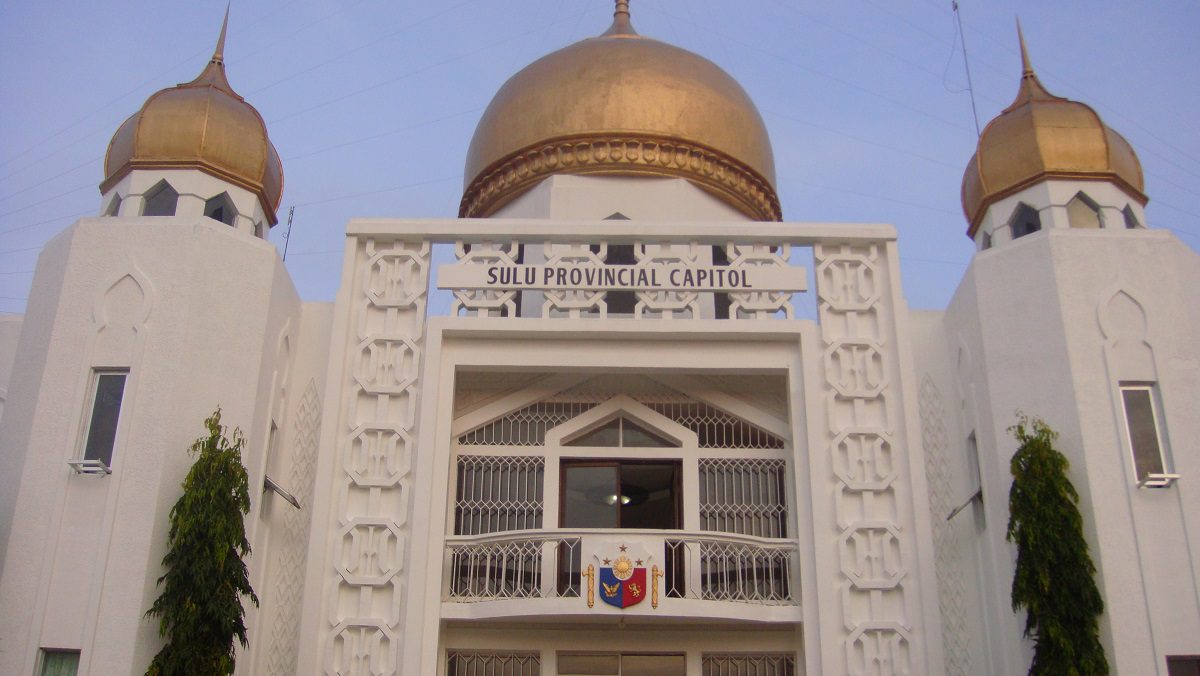
By the 15th century, this spiritual tradition had become deeply entrenched in southern Philippines. The Sultanates of Sulu and Maguindanao became powerful political and religious entities that governed based on Islamic principles.
The Sultanate of Sulu, founded by Sharif ul-Hashim, ruled over vast territories and maintained relations with neighboring Islamic states in Malaysia, Indonesia, and Brunei. Similarly, the Sultanate of Maguindanao, under the leadership of Sultan Kudarat, became a center of Muslim culture and resistance against Spanish intrusion.
These Sultanates were the backbone of Islamic society in Mindanao blending faith, law, and governance into one cohesive system that continues to influence Muslim Filipinos today.
Islam’s Role in Governance and Law
The Sultanate System
The introduction of the Sultanate system marked one of Islam’s most profound impacts on Mindanao. The Sultan acted as both a political and spiritual leader, guided by Islamic law (Sharia) and local customs (Adat).
This dual system created a sense of order and moral governance, where leadership was based on wisdom, justice, and service to the people. The Sultan was supported by a council of elders (ruma bichara), religious scholars (ulama), and local chieftains (datus), ensuring that community decisions reflected both divine and cultural law.
Sharia and Adat: The Balance of Faith and Tradition
The coexistence of Sharia and Adat demonstrates the adaptability of this spiritual tradition in Mindanao. While Sharia provided universal Islamic guidelines, Adat preserved local customs. For example, matters like marriage, inheritance, and dispute resolution often followed a fusion of the two systems.
Even today, elements of this structure remain alive in Mindanao’s Muslim communities, influencing conflict resolution, leadership selection, and community decision-making.
Influence on Modern Governance
The modern Bangsamoro Autonomous Region in Muslim Mindanao (BARMM) continues this legacy. The region’s governance model reflects Islamic principles of consultation (shura), justice, and moral responsibility. BARMM also recognizes traditional leaders as part of its social structure, blending Islamic heritage with modern democratic governance.
Islamic Architecture and Art
The Mosque as a Cultural Symbol
The most visible expression of Islam’s influence in Mindanao is the mosque. These sacred structures serve not only as places of worship but also as centers of community life.
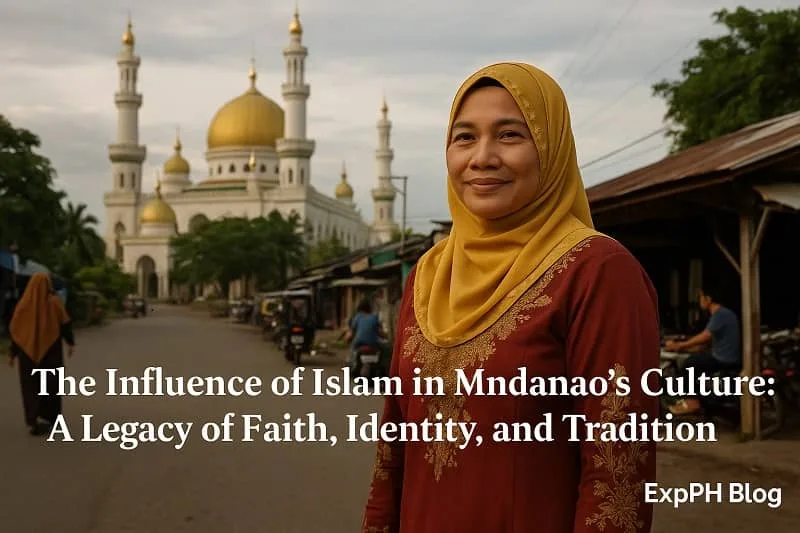
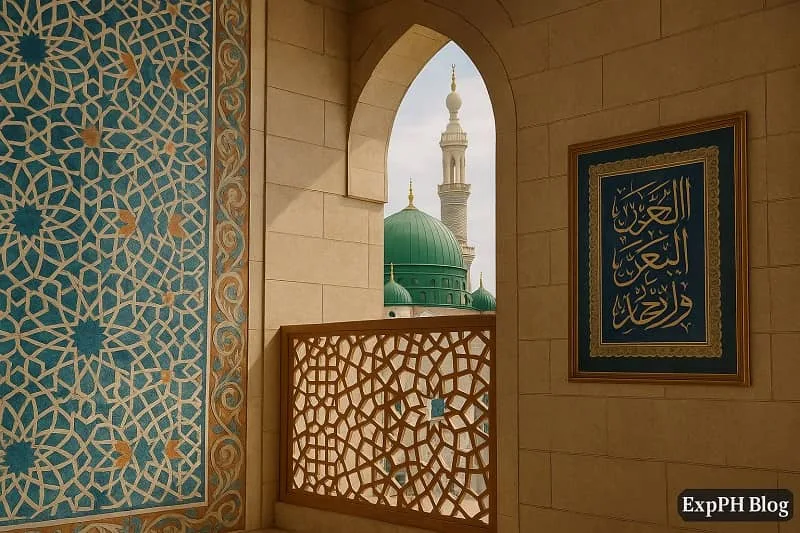
One of the grandest examples is the Sultan Haji Hassanal Bolkiah Mosque in Cotabato City, also known as the Grand Mosque of Cotabato. With its golden domes, towering minarets, and intricate geometric patterns, it stands as a modern testament to Islamic devotion and Filipino artistry.
Smaller, traditional mosques scattered across rural areas reflect the diversity of Muslim communities some made of bamboo and nipa, others of coral stone each echoing the local environment while retaining Islamic identity.
Okir Design and Artistic Expression
The Maranao Okir is another striking element of Islamic-influenced art. These ornate carvings and motifs are characterized by flowing, plant-like patterns and abstract shapes, symbolizing growth and harmony. The Okir can be seen in wood carvings, metalwork, and textiles, especially in the architectural details of the Torogan, the traditional Maranao royal house.
Because Islamic art discourages depictions of human and animal figures, artists express creativity through geometry, symmetry, and nature-inspired abstraction, creating a uniquely Mindanaoan aesthetic that balances beauty with faith.
Calligraphy and Textiles
Islamic calligraphy the art of writing Arabic script is another form of expression. Verses from the Qur’an are often inscribed in mosques and homes, reminding believers of faith’s centrality in life.
The malong, a tubular garment widely worn across Mindanao, reflects this artistic heritage. Each pattern carries symbolic meaning, often indicating the wearer’s tribe, social status, or marital standing. The malong’s versatility used as clothing, blanket, or ceremonial attire represents both practicality and tradition.
Religion and Daily Life
The Core of Everyday Practices
For Muslims in Mindanao, the teaching of Qur’an is not confined to the mosque; it permeates every aspect of daily life. The Five Pillars of Islam faith (Shahada), prayer (Salat), fasting (Sawm), almsgiving (Zakat), and pilgrimage (Hajj) form the foundation of personal and communal conduct.
Prayer (Salat) is performed five times a day, facing Mecca. In villages, the call to prayer (adhan) echoes across communities, serving as a reminder of devotion and unity.
Dietary and Social Customs
Food also reflects this faith values. Halal dietary laws require that food be prepared according to strict religious guidelines, ensuring cleanliness and respect for life. In Mindanao, popular Halal dishes include pastil (rice topped with shredded chicken), piaparan (a coconut-based curry), and tiyula itum (black beef soup flavored with burnt coconut).
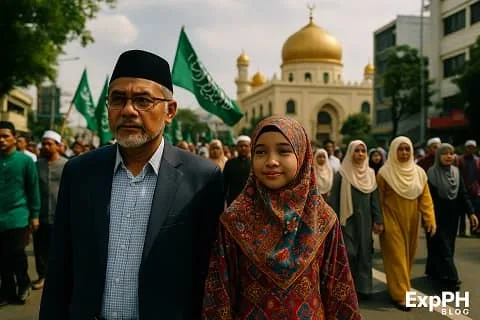
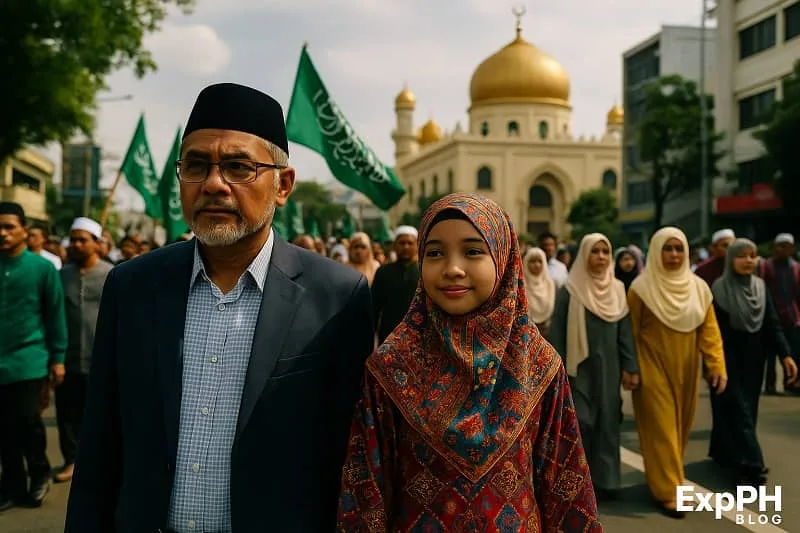
Social behavior follows principles of modesty and respect. Women often wear the hijab as an expression of faith and dignity, while men are encouraged to dress neatly and behave honorably.
Festivals and Celebrations
The Muslim calendar is marked by religious celebrations that strengthen community bonds.
- Ramadan a month of fasting, prayer, and reflection culminates in Eid al-Fitr, a joyous festival of thanksgiving.
- Eid al-Adha, the Feast of Sacrifice, commemorates Abraham’s faith and is celebrated with communal prayers and charity.
- Local festivities, such as the Kanduli (thanksgiving feast), blend Islamic gratitude with Filipino hospitality, showing how faith and culture intertwine.
Cultural Practices and Traditions
Blending Faith with Heritage
Islam in Mindanao coexists harmoniously with pre-Islamic traditions, creating a vibrant fusion of beliefs and customs. For instance, Pag-Islam, the circumcision ceremony, signifies a young boy’s entry into adulthood, while Kanduli reflects communal sharing and thanksgiving both rooted in Islamic teachings.
Music, Dance, and Storytelling
Music and dance remain integral to Mindanao’s cultural life. The kulintang ensemble, composed of gongs and drums, accompanies celebrations and rituals. The singkil dance, inspired by the Maranao epic Darangen, depicts resilience and grace, often performed during festivals.
Although not religious in nature, these art forms embody Islamic values such as harmony, respect, and community cohesion.
Marriage and Family Traditions
Marriage in Muslim communities follows Islamic rites, beginning with the nikah ceremony. It is both a spiritual and social contract, emphasizing family unity and mutual respect. Traditional dowries (mahr) and blessings from elders underscore the importance of moral responsibility and family ties.
Education and Literature
The Madrasah System
The teachings of the Qur’an most lasting contributions to Mindanao is education. The establishment of madrasahs (Islamic schools) introduced literacy through Arabic script and promoted moral and intellectual growth. Students learn Qur’anic verses, Arabic language, and Islamic ethics, forming the foundation of lifelong learning.
Literature and Oral Traditions
Islam also influenced Mindanaoan literature. The Darangen, the Maranao epic recognized by UNESCO, embodies Islamic moral lessons of bravery, honor, and divine destiny. Other stories and poems written in Arabic and Malay scripts reveal a deep connection to the broader Muslim world.
Through literature, generations have passed down not just stories, but values teaching courage, humility, and faith.
Modern Influence and Cultural Preservation
Islam in Contemporary Mindanao
Today, the Islamic faith continues to shape the political and cultural identity of Mindanao. The formation of the Bangsamoro Autonomous Region in Muslim Mindanao (BARMM) represents the fulfillment of long-standing aspirations for self-governance and cultural recognition.
Within BARMM, Islamic education, law, and heritage preservation are prioritized. This includes establishing Halal certification agencies, supporting madrasah education, and restoring historical mosques and royal houses.
Interfaith Harmony
Despite historical conflicts, Mindanao has become a place of interfaith dialogue. Initiatives led by Muslim, Christian, and Lumad leaders promote understanding and peace, recognizing that diversity strengthens rather than divides the region.
Global Connections
Mindanao’s Islamic communities are also connected to the global Muslim world. Pilgrimages to Mecca, partnerships with Middle Eastern scholars, and participation in international Islamic organizations have strengthened ties beyond the Philippines.
Conclusion
The influence of Islamic faith in Mindanao’s culture goes far beyond religion it is a living legacy that shapes governance, art, education, and community life. From the first traders who brought the message of Islam to the establishment of the Sultanates and the creation of BARMM, this faith has provided structure, purpose, and identity for millions of Filipinos.
Islam in Mindanao embodies peace, discipline, and unity values that continue to inspire not only Muslims but all Filipinos who share in the vision of a diverse yet united nation.
Mindanao’s Islamic heritage stands as a testament to the resilience of faith and the beauty of cultural fusion. It reminds us that the Philippines’ strength lies not in uniformity but in its rich and enduring diversity.
For more related content, please visit the link below.
- Tausug History in the Philippines: A Story of Faith, Strength, and Freedom
- Tausug Simple Atsara: Easy and Quick Pickled Papaya Recipe
- Satti: A Flavorful Filipino Breakfast Specialty from Western Mindanao
- Panyam Filipino Rice Pancake – A Sweet Mindanaoan Treat
- Rendang: The Filipino Muslim Take on a Southeast Asian Culinary Classic
Frequently Asked Questions.
1. How did the faith first arrive in Mindanao and the Sulu Archipelago?
This belief system reached Mindanao through Arab and Malay traders as early as the 13th century. These traders built strong relationships with local communities through commerce, intermarriage, and cultural exchanges. Later, missionaries such as Sharif Makhdum, Rajah Bagindo, and Sharif Kabungsuan helped strengthen the new teachings and establish early Muslim communities and Sultanates.
2. How did the Sultanates influence governance in Mindanao?
The Sultanates of Sulu and Maguindanao developed a governance structure rooted in Sharia and local customs known as Adat. The Sultan served as both a political and spiritual leader. This system promoted order, justice, and unity, and its influence is still present today through the governance principles of the Bangsamoro Autonomous Region in Muslim Mindanao.
3. What cultural traditions in Mindanao reflect this belief system?
Its influence appears in many traditions such as Halal food preparation, the wearing of the hijab, the celebration of Ramadan, and the practice of Kanduli or thanksgiving feasts. Rites like Pag Islam and traditional marriage ceremonies also blend local customs with these teachings.
4. How has this faith shaped the artistic and architectural identity of Mindanao?
Its impact is seen in the design of mosques, the Maranao Okir carvings, geometric patterns, and Arabic calligraphy used in homes and sacred spaces. Structures like the Grand Mosque of Cotabato and smaller traditional mosques highlight both devotion and local artistry. Textiles such as the malong also include patterns inspired by cultural and spiritual symbolism.
5. What role does this belief play in the daily life of Muslim communities in Mindanao today?
Daily routines are guided by key practices such as regular prayer, fasting, charity, and moral conduct. Halal food, modest behavior, community gatherings, and religious education through madrasahs remain central to community life. These traditions strengthen unity and help preserve cultural and spiritual identity.

A Filipino web developer with a background in Computer Engineering. Founder of ExpPH Blog and ExpPH Business Guide, creating practical content on OFW guidance, business, finance, freelancing, travel, and lifestyle. Passionate about helping Filipinos grow, he shares insights that educate, empower, and inspire readers nationwide.