
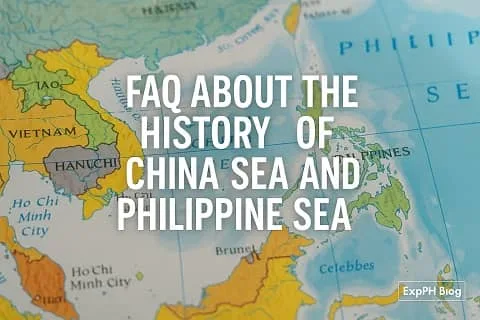
The History of China Sea and Philippine Sea
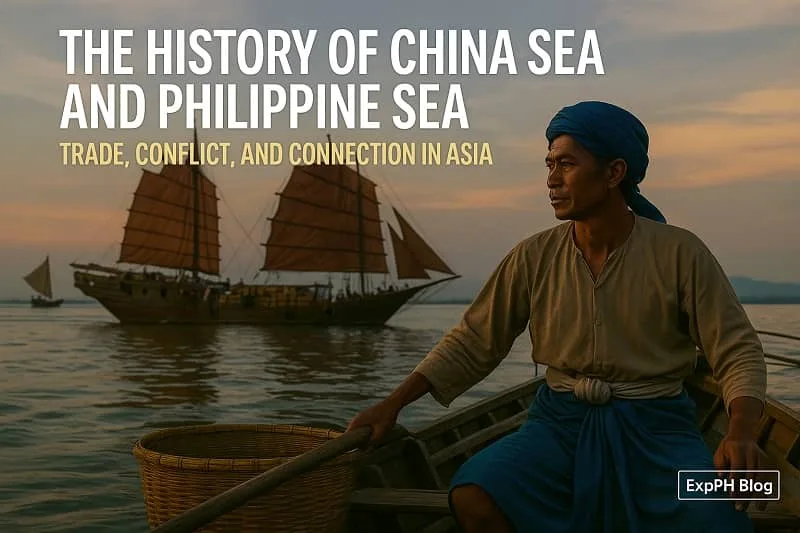
The history of China Sea and Philippine Sea tells a story that spans thousands of years a story of how water has connected, inspired, and shaped the peoples of Asia. These vast seas have long served as bridges of trade, migration, and cultural exchange, linking civilizations from the islands of the Philippines to the coasts of China, Vietnam, and beyond.
For millennia, the history of China Sea and Philippine Sea have witnessed the rise and fall of kingdoms, the spread of religions, and the battles of empires. From ancient maritime routes to modern territorial disputes, they continue to influence Asia’s destiny not just politically, but economically, culturally, and environmentally.
In this detailed exploration, we’ll trace the history of China Sea and Philippine Sea from the early days of seafaring trade to the complex global challenges of the modern age.
The Importance of the Seas in Asian Civilization
Throughout history, the sea has been both a frontier and a foundation. The China Sea (divided into the South China Sea and East China Sea) and the Philippine Sea have been vital arteries of commerce and culture.
Long before modern maps existed, ancient navigators already recognized these waters as lifelines. The history of China Sea and Philippine Sea reveals how these great bodies of water shaped civilizations, trade, and exploration across Asia. The South China Sea connects the Pacific and Indian Oceans, making it one of the busiest marine corridors in the world even in antiquity. Meanwhile, the Philippine Sea, to the east, lies at the heart of the Pacific Ocean, rich in biodiversity and maritime significance.
The Maritime Crossroads of Asia
The history of China Sea and Philippine Sea reveals how early seafarers built networks that transcended political borders. Merchants and sailors relied on monsoon winds to carry them across these seas, trading silk, ceramics, gold, and spices. The same routes also carried languages, beliefs, and technologies that shaped entire cultures.
From the Chinese dynasties of the north to the island kingdoms of Southeast Asia, these seas served as their shared highway a living map of human connection.
The sea, in many ways, was Asia’s first “internet” a network that transmitted ideas faster than armies could conquer.
The Ancient Maritime Silk Road
One cannot understand the history of China Sea and Philippine Sea without mentioning the Maritime Silk Road, a trade network that flourished for nearly two thousand years.
As early as the Han Dynasty (2nd century BCE), Chinese sailors were venturing beyond their coasts, following the stars and the monsoon winds into the South China Sea and onward toward the Philippines, Borneo, and the Malay Archipelago marking one of the earliest chapters in the history of China Sea and Philippine Sea, where navigation and cultural exchange began to shape Asia’s maritime heritage.
The Flow of Trade
Trade through the China Sea and Philippine Sea was a dazzling exchange of goods and craftsmanship:
- Chinese artisans produced porcelain, silk, bronze mirrors, and tea, prized across Asia.
- The Filipino and Malay traders carried pearls, gold, beeswax, and hardwoods, showcasing the wealth of the islands.
- Indian and Arab merchants introduced spices, glass beads, cotton textiles, and new navigational tools.
These interactions created what historians call a “maritime cultural corridor”, where economic prosperity thrived alongside the spread of ideas and technologies.
Cultural Exchange and Religious Influence
Along with trade came culture. Through the history of China Sea and Philippine Sea, we see the spread of major world religions:
- Buddhism traveled by sea from India and Sri Lanka to China and Japan.
- Islam spread from Arab traders to the coasts of Indonesia, Malaysia, and the southern Philippines.
- Hinduism influenced the architecture and languages of ancient kingdoms like Majapahit and Srivijaya.
These seas were not just trade routes they were the spiritual and intellectual arteries of Asia.
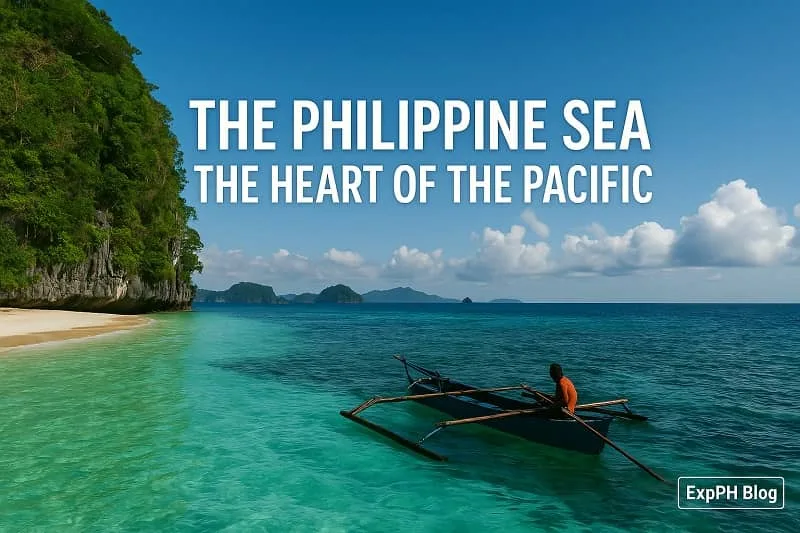
The Philippine Sea: The Heart of the Pacific
The Philippine Sea is one of the world’s largest bodies of water, spanning about 5 million square kilometers. It includes deep trenches, coral reefs, and countless islands that have been home to vibrant maritime cultures.
Pre-Colonial Filipino Navigation and Exploration
Long before the Spaniards arrived, Filipino mariners already mastered the sea. Using balangay boats, carved from hardwood and guided by the stars, they traveled across islands and traded with neighboring cultures.
Archaeological findings in Butuan and Sulu reveal that Filipinos engaged in regional trade as early as the 10th century CE, exchanging forest goods and gold with merchants from China and the Malay world.
The seafaring communities of Tausūg, Visayan, and Tagalog peoples had deep respect for the ocean treating it as both a provider and protector. Their knowledge of winds, tides, and constellations reflected a sophisticated maritime culture that was deeply spiritual.
The history of China Sea and Philippine Sea shows that the sea did not divide the early Filipinos it united them and linked them to the greater Asian world.
Colonial Intrusions and Global Trade
The 16th century brought a new force across these waters European colonial powers. The history of China Sea and Philippine Sea became battlegrounds for empires seeking to dominate Asian trade.
The Spanish and the Galleon Trade
Spain’s arrival in the Philippines in 1521 marked a new era in the history of China Sea and Philippine Sea. By 1565, the Manila–Acapulco Galleon Trade connected Asia to the Americas for the first time, transforming these seas into vital routes of global commerce and cultural exchange.
Through this route:
- Chinese silk and porcelain traveled to Mexico and Spain.
- Mexican silver funded trade in Asia.
- Filipino laborers built and manned the galleons that crossed the Pacific.
This trade lasted for 250 years, becoming a defining chapter in the history of China Sea and Philippine Sea, as Manila emerged as one of the world’s most cosmopolitan cities home to merchants from China, Japan, India, and Europe who exchanged goods, culture, and ideas across these vital waters.
The history of China Sea and Philippine Sea during this time was defined by global connection and exploitation wealth flowed, but so did colonial control.
Western Rivalries in the China Sea
The British, Dutch, and Portuguese also sailed the South China Sea, each vying for control of trade with China. Naval skirmishes, piracy, and territorial disputes became common.
By the 19th century, these seas were central to imperial geopolitics where diplomacy often gave way to gunfire.
World War II and the Battle for the Pacific
The 20th century transformed the China Sea and Philippine Sea once again this time into theaters of modern warfare.
During World War II, control of the Pacific was essential to both Allied and Axis powers. The seas became graveyards for ships and submarines, and their waters turned red with the cost of global ambition.
The Battle of the Philippine Sea (1944)
The Battle of the Philippine Sea, fought in June 1944, was a decisive moment in the Pacific War. The U.S. Navy faced off against Japan in one of history’s largest naval-air battles.
The defeat of the Japanese fleet marked the decline of its empire and shifted the balance of power in Asia. Thousands of aircraft were lost, and the sea became a silent witness to the end of one era and the dawn of another.
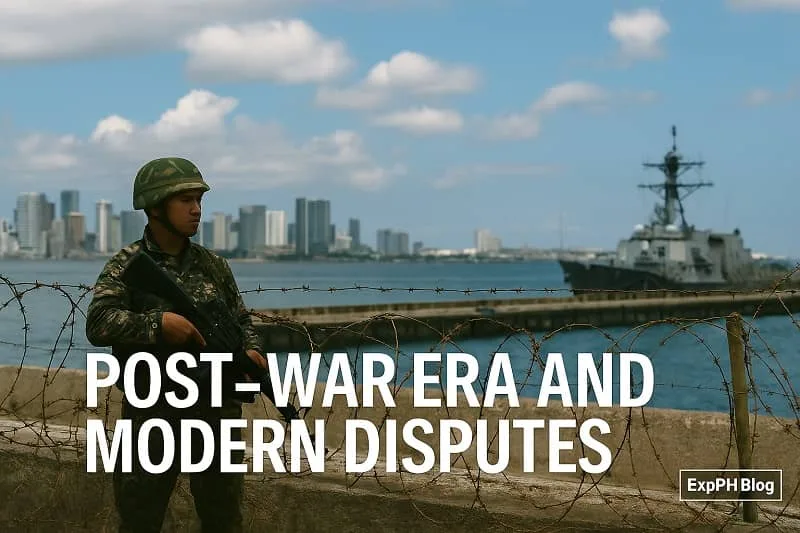
Post-War Era and Modern Disputes
After 1945, a new order emerged the Cold War, independence movements, and the rise of modern Asian nations.
Yet, the history of China Sea and Philippine Sea remained complex, marked by sovereignty disputes, economic competition, and environmental challenges.
The South China Sea Dispute
The South China Sea is today one of the world’s most disputed maritime zones, a focal point in the continuing history of China Sea and Philippine Sea. It contains vital shipping lanes, rich fisheries, and potentially vast oil and gas deposits that make it a critical region for both economic and geopolitical interests.
In 2016, the Permanent Court of Arbitration in The Hague ruled in favor of the Philippines, declaring that China’s expansive “nine-dash line” claim had no legal basis under international law.
Despite this, tensions persist, with China constructing artificial islands and military outposts in contested waters. The issue continues to test diplomatic relations among ASEAN countries.
The Philippine Sea, by contrast, remains an area of research, conservation, and scientific exploration home to the Philippine Trench and deep-sea biodiversity that fascinates oceanographers worldwide.
The Seas and the Environment
Beyond politics, the history of China Sea and Philippine Sea is deeply tied to ecology and survival. These seas sustain millions through fishing and tourism, but they are also under threat.
The Coral Triangle, which spans the Philippines, Indonesia, and Malaysia, is home to 75% of the world’s coral species. Climate change, overfishing, and pollution are putting immense pressure on these ecosystems.
Protecting these seas is not just a scientific goal it’s a moral and cultural responsibility. The survival of coastal communities, traditions, and economies depends on it.
Shared Heritage and Asian Identity
The history of China Sea and Philippine Sea underscores one truth: Asia’s strength lies in its shared heritage. These seas connected kingdoms and families long before borders existed.
They have been sites of both conflict and cooperation yet they remain enduring symbols of Asia’s interconnectedness. Throughout the history of China Sea and Philippine Sea, these waters have witnessed the ebb and flow of empires, trade, and cultural exchange. As modern nations rise, revisiting this shared maritime identity rooted in the history of China Sea and Philippine Sea can help promote dialogue, cooperation, and a deeper understanding among Asian neighbors.
The Seas in the 21st Century
Today, the China Sea and Philippine Sea remain vital to the global economy. Over $3 trillion in trade passes through the South China Sea each year, carrying the lifeblood of world commerce.
The Philippine Sea is equally crucial housing undersea internet cables and serving as a major route for global communication and data transmission.
As environmental challenges grow, these seas stand at the intersection of economy, ecology, and geopolitics. Their future will determine the balance of peace and prosperity in Asia.
Conclusion: The Waters That Connect Us
The history of China Sea and Philippine Sea teaches us that the ocean is not merely geography it is destiny. From the ancient Maritime Silk Road to the modern era of diplomacy and discovery, these waters have united civilizations, carried dreams, and challenged nations.
As the Philippines and its neighbors navigate the complex tides of the 21st century, one truth remains: water connects more than it divides.
Discover more related content in the section below.
- Top 5 Remarkable Moments in the History of Central Luzon
- Rizal and Cavite History: Cradle of Revolution
- Top 10 Historical Landmarks in the Philippines: Tracing the Nation’s Rich Heritage
- The Influence of Islam in Mindanao’s Culture: A Legacy of Faith, Identity, and Tradition
- 10 Must See Attractions and Cultural Highlights in Visayas, Philippines
References and Further Reading
- UNESCO Silk Roads Programme
- United Nations Permanent Court of Arbitration
- History.com – Battle of the Philippine Sea
- National Geographic – Coral Triangle
- National Historical Commission of the Philippines
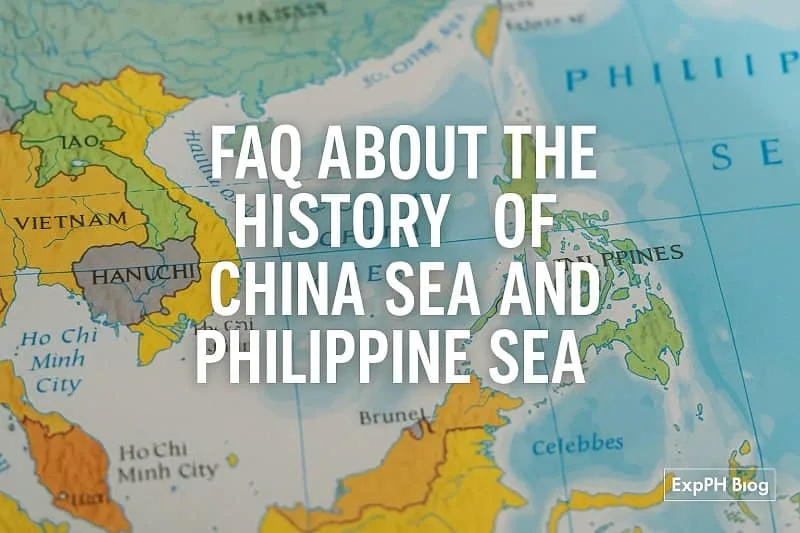
FAQ About the History of China Sea and Philippine Sea
1. What makes history of China Sea and Philippine Sea important?
They served as major maritime routes for trade, migration, cultural exchange, and diplomacy across Asia for thousands of years.
2. How were these seas used by ancient Asian civilizations?
Ancient sailors used monsoon winds to travel, trade goods, share technologies, and spread religions across regions linked by these seas.
3. What is the Maritime Silk Road?
It was a vast network of sea routes connecting China, Southeast Asia, India, and beyond, enabling centuries of trade and cultural interaction.
4. How did early Filipinos navigate the Philippine Sea?
Pre-colonial Filipinos used balangay boats, star navigation, and wind patterns to travel, trade, and explore across the islands and nearby regions.
5. What goods were traded through the China Sea and Philippine Sea?
Chinese porcelain and silk, Filipino gold and pearls, Arab spices, Indian textiles, and Southeast Asian forest products were widely exchanged.
6. How did the galleon trade influence these seas?
The Manila–Acapulco Galleon Trade turned the seas into global trade routes that linked Asia with the Americas for 250 years.
7. Why were these seas strategic during World War II?
They were major battlegrounds where Japan and Allied forces fought for control of shipping routes, supply lines, and military positions.
8. What caused the South China Sea dispute?
Overlapping territorial claims, rich natural resources, and key shipping routes led to ongoing conflicts among Asian nations.
9. How do these seas influence modern Asia?
They shape trade, security, environmental conservation, and political relations among countries surrounding the Pacific and Southeast Asia.
10. Why are these seas important to environmental protection?
They contain rich biodiversity, coral reefs, fisheries, and marine ecosystems that support millions of lives and require careful preservation.
Test your knowledge about the History of China Sea and Philippine Sea.
These questions explore ancient trade, cultural exchange, navigation, conflict, and modern issues linked to these historic waters.
Results


#1. What made ancient trade possible across these seas?
#2. What network linked Asia through maritime trade?
#3. What boats did early Filipinos use for navigation?
#4. Which goods came from China?
#5. What connected Asia to the Americas for 250 years?
#6. What major battle happened in 1944?
#7. Why is the South China Sea disputed today?
#8. What helped ancient sailors navigate?
#9. What religion spread through maritime trade?
#10. What region is rich in coral biodiversity?
Thank you for taking this quiz.
Let us know your score in the comments and share your experience with us.

A Filipino web developer with a background in Computer Engineering. Founder of ExpPH Blog and ExpPH Business Guide, creating practical content on OFW guidance, business, finance, freelancing, travel, and lifestyle. Passionate about helping Filipinos grow, he shares insights that educate, empower, and inspire readers nationwide.

Pingback: Sultan of Sulu: 10 Powerful Facts and His Legacy Deep Dive!!
Pingback: 10 Must See Visayas Attractions and Incredible Cultural Site