
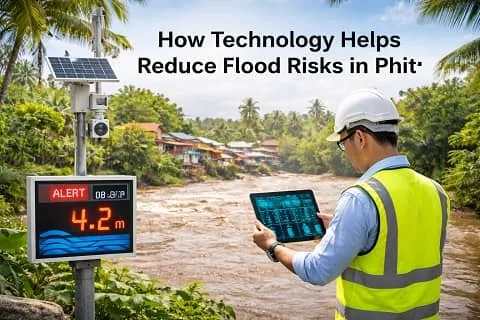
How Technology Helps Reduce Flood Risks in the Philippines
Flooding is a recurring problem in the Philippines, affecting millions of families every year. For Overseas Filipino Workers, this issue is especially worrying because floods back home can damage houses, disrupt livelihoods, and drain savings that took years to build. While floods cannot be fully avoided, technology now plays a major role in reducing risks, improving preparedness, and protecting communities.
Understanding how technology supports flood prevention helps OFWs make better decisions, from choosing where to invest in property to guiding family members on how to prepare before the rainy season.
Why technology matters in flood prevention
The Philippines faces frequent typhoons, heavy rainfall, and rising sea levels. Because of this, relying only on traditional flood control methods like dikes and drainage canals is no longer enough. Today, flood prevention depends heavily on data, monitoring systems, and faster communication.
Rainfall sensors, river gauges, and weather radars collect real time information on rain intensity and water levels. This data allows authorities to issue early warnings before rivers overflow or urban flooding becomes severe. Early alerts mean families have more time to move belongings, prepare evacuation plans, and stay safe.
Technology is also used to manage floodwaters physically. Automated pumping stations in cities help remove excess water during heavy rain. Underground flood reservoirs store stormwater temporarily so streets and homes are less likely to flood. These systems work quietly in the background but play a major role in reducing damage during storms.
For OFWs, these developments are important because they help protect homes, rental properties, and small businesses that support families back home.
Practical tip for OFWs and their families
Use early warning technology as part of your family preparedness plan.
Many flood related losses happen not because people were unaware of the risk, but because they reacted too late. Encourage your family to pay attention to official weather advisories and flood alerts. Make sure they understand warning levels and know what actions to take when alerts are issued.
As an OFW, you can help by discussing simple steps with your family, such as identifying higher ground inside the house, preparing waterproof storage for documents, and knowing where to evacuate if needed. Technology gives warnings, but people still need a plan to act on them.
Common mistake to avoid
Relying completely on government systems and assuming flooding will not happen.
While flood prevention technology in the Philippines has improved, no system is perfect. Sudden downpours, clogged drainage, or power interruptions can still lead to flooding. Some families ignore warnings because previous storms did not affect them, which creates a false sense of security.
This mindset often results in rushed evacuations, damaged appliances, and lost documents. Technology reduces risk, but it does not eliminate it. Personal preparedness remains essential, especially in low lying or flood prone areas.
OFWs should remind their families that preparation is a shared responsibility. Government systems provide support, but household level readiness makes the biggest difference during emergencies.
How technology supports long term resilience
Beyond immediate flood response, technology helps cities plan better for the future. Hazard maps and digital simulations show which areas are most vulnerable to flooding. Local governments use this information to improve drainage, manage land use, and avoid building in high risk zones.
Over time, these tools reduce repeated flooding in the same communities. For OFWs considering property investments, awareness of flood risk data can guide smarter choices and reduce future losses.
Flood prevention in the Philippines is no longer just about concrete structures. It is about information, coordination, and preparation. Technology connects weather forecasting, infrastructure, and community response into one system aimed at protecting lives and property.
Why this matters for OFWs
Every peso sent home represents sacrifice and long hours of work abroad. Flood damage can erase those efforts in a single storm. By understanding how technology reduces flood risks, OFWs gain peace of mind and can better support their families in staying prepared.
Technology alone cannot stop floods, but when combined with awareness and action, it significantly lowers the impact on communities.
For a complete guide, read the full article here: Tech Solutions for Flood Prevention in the Philippines

A Filipino web developer with a background in Computer Engineering. Founder of ExpPH Blog and ExpPH Business Guide, creating practical content on OFW guidance, business, finance, freelancing, travel, and lifestyle. Passionate about helping Filipinos grow, he shares insights that educate, empower, and inspire readers nationwide.