
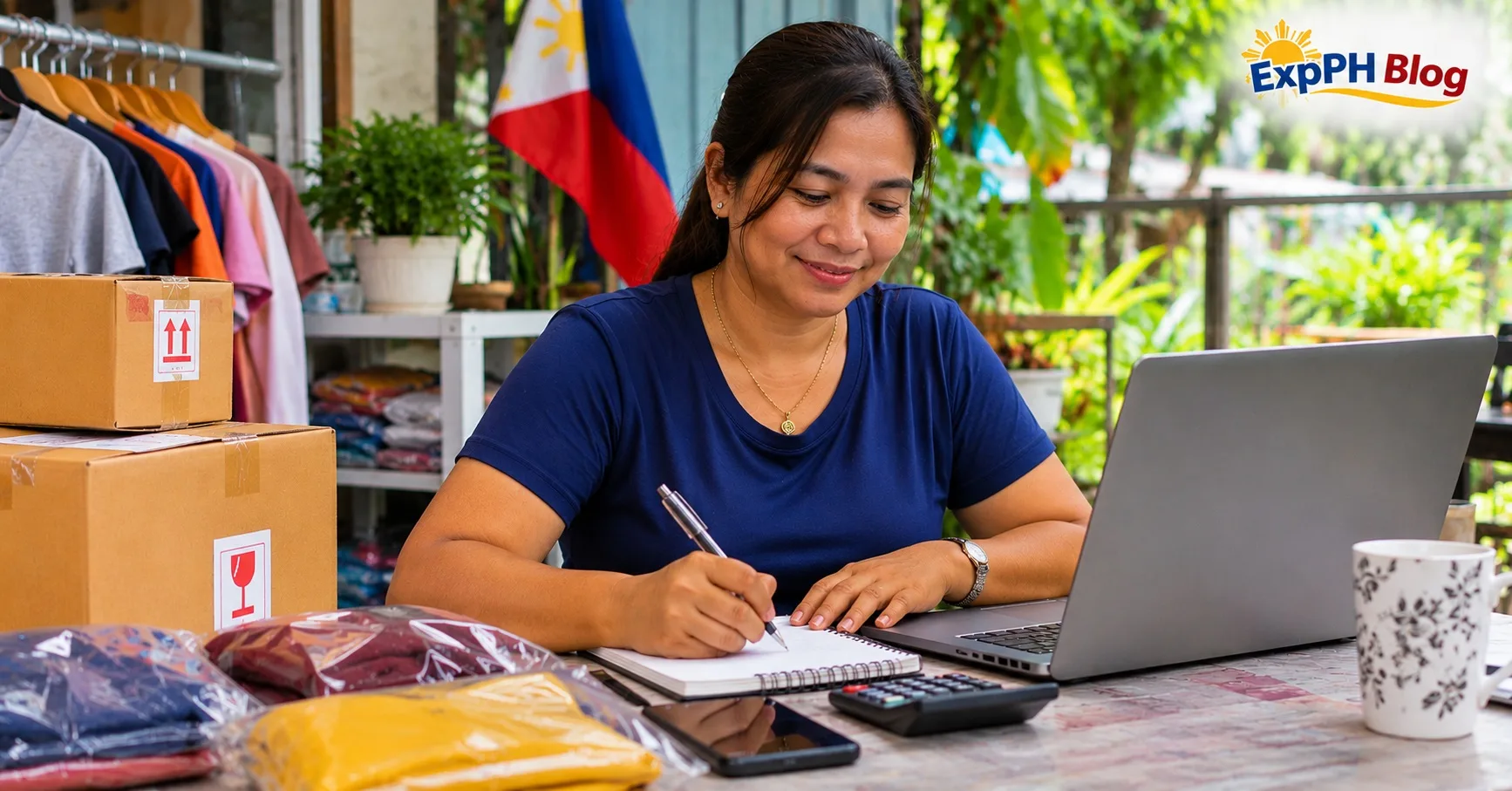
How OFWs Can Start a Small Business With Limited Capital
Starting a business in the Philippines does not always require a substantial investment. For overseas Filipino workers planning to return home or establish an additional source of income, Low-Capital Business Options for OFWs can provide practical starting points. The key is to choose a business that matches available funds, personal experience, and the needs of local customers.
This guide is part of our complete resource on:
Top 6 Best Low-Capital Businesses to Start in 2026
Understanding Low-Capital Business Options for OFWs
Many OFWs spend years working overseas and saving money for their future. When they decide to invest in the Philippines, starting with a manageable business can help them explore entrepreneurship without immediately committing a large portion of their savings.
Here are five business categories worth considering:
1. Small Retail Businesses
Small retail businesses sell everyday products that customers regularly need. Examples include neighborhood stores, snack shops, and household supply businesses.
OFWs can consider these ventures when they have access to a suitable location and understand the purchasing habits of the community. Starting with a limited selection of products can help control initial inventory expenses.
2. Homemade Food and Snack Businesses
Food businesses can be suitable for returning OFWs who have cooking skills or experience preparing products for customers.
Examples include homemade snacks, packed meals, baked goods, and local delicacies. Entrepreneurs should consider ingredient expenses, packaging, food safety, and customer demand before starting.
3. Online Selling Businesses
Online selling allows entrepreneurs to offer products through social media and digital marketplaces without immediately renting a physical store.
OFWs can explore selling clothing, household products, accessories, or locally sourced items. However, they should account for product sourcing, packaging, delivery charges, and platform fees.
4. Home-Based Businesses
A home-based business can help reduce expenses associated with renting commercial space. Examples include handmade products, small food ventures, and other products that can be prepared or managed from home.
This option may be useful for returning OFWs who have suitable space and want to begin operating on a manageable scale.
5. Skill-Based Services
OFWs who gained practical experience overseas may be able to turn their existing skills into local services.
Depending on their qualifications, they could explore tailoring, repair services, cleaning, personal services, or other activities that address customer needs in their communities.
What OFWs Should Consider Before Investing
Before selecting a business, returning workers should examine their available capital and determine how much they can reasonably allocate to startup expenses.
They should also consider whether the business requires daily supervision. OFWs who are still working overseas may need a dependable family member or business partner to handle operations. Clear responsibilities and regular communication are important when managing a venture remotely.
Local market conditions also matter. A business that attracts customers in a busy city may perform differently in a provincial community. Understanding local demand, competition, suppliers, and operating expenses can help entrepreneurs make informed decisions.
Practical Tip: Start With a Business Budget Based on Available Savings
Prepare a simple budget before investing. List the expected costs of equipment, initial inventory, supplies, permits where applicable, transportation, and regular operating expenses.
For example, an OFW planning to start an online selling business can calculate the cost of purchasing products, packaging orders, and arranging deliveries. This makes it easier to determine how much capital is needed and whether the proposed business fits the available budget.
Common Mistake: Using All Your Savings to Start the Business
One common mistake among returning OFWs is investing nearly all their accumulated savings in opening a business.
Even an affordable venture needs money for regular operations. Unexpected expenses, delayed sales, and inventory replenishment can create financial pressure when no funds remain available.
Avoid treating all your savings as startup capital. Consider your household responsibilities, personal financial needs, and the money required to keep the business operating after launch.
Conclusion
Low-Capital Business Options for OFWs can provide practical ways to explore entrepreneurship in the Philippines without immediately making a large investment. Evaluate your skills, available savings, local customer demand, and management responsibilities before choosing a venture. Starting with realistic financial expectations can help you build a more sustainable business.
If you want a complete roadmap for long-term success, read:
Top 10 Small Business Ideas in the Philippines for 2026
Related Guides
Table of Contents

A Filipino web developer with a background in Computer Engineering. Founder of ExpPH Blog and ExpPH Business Guide, creating practical content on OFW guidance, business, finance, freelancing, travel, and lifestyle. Passionate about helping Filipinos grow, he shares insights that educate, empower, and inspire readers nationwide.